Cantonese Chicken Feet: Velvety and Savory
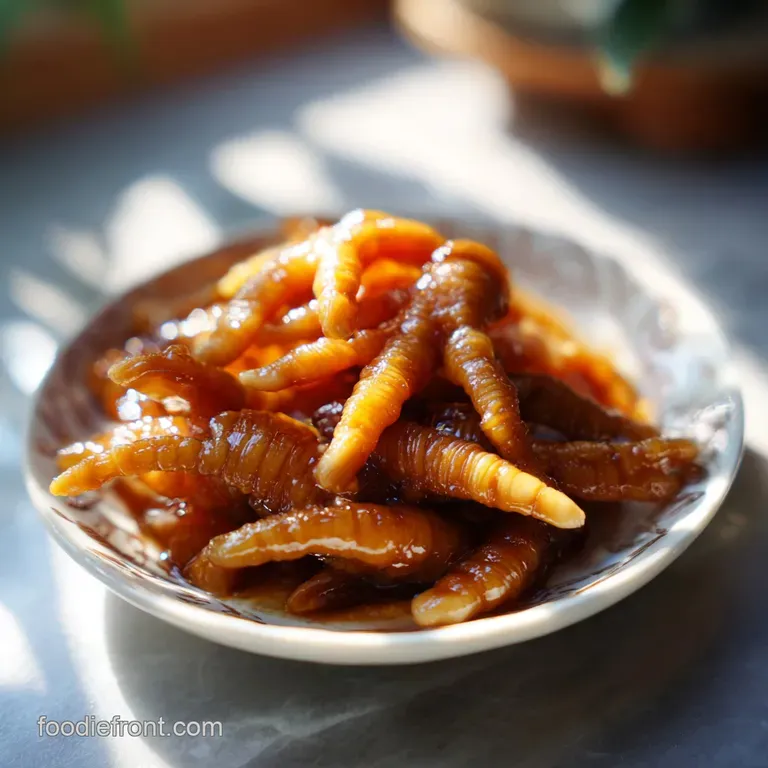
- Time: Active 45 minutes, Passive 2 hours, Total 2 hours 45 mins
- Flavor/Texture Hook: Savory, gelatinous, and wrinkly
- Perfect for: Traditional Sunday dim sum at home
- The Science of the Tiger Skin
- Essential Cooking Specs for Your Best Batch
- Budget Friendly Shopping List for Savory Dim Sum
- Basic Kitchen Tools for Frying and Braising
- Mastering the Multi Step Process for Maximum Flavor
- Solving Common Texture and Frying Issues Like a Pro
- Flavor Variations to Customize Your Braised Poultry
- Smart Ways to Store and Use Every Piece
- Hearty Sides to Turn These into a Meal
- Recipe FAQs
- 📝 Recipe Card
The Science of the Tiger Skin
Collagen Transformation: Frying the skin creates a tough outer layer that, when plunged into cold water, separates from the bone and expands. This creates the "puffy" wrinkled texture that acts like a sponge for the sauce.
| Method | Total Time | Texture | Result |
|---|---|---|---|
| Traditional Deep Fry | 2 hours 45 mins | Classic "Tiger Skin" | Soft, wrinkled, and puffy |
| Quick Air Fry | 1 hour 15 mins | Crispy and firm | Less wrinkly, but very fast |
There is a huge difference between the quick way and the right way when it comes to this dish. While the air fryer is great for a snack, you won't get that deep, sauce trapping wrinkle without the traditional frying and soaking steps. If you're looking for something simpler for a weeknight, you might prefer a different poultry dish like my Broiled Chicken Thighs recipe, which gives you crispy skin with much less fuss.
Essential Cooking Specs for Your Best Batch
Before we start chopping and frying, we need to look at the chemistry of our ingredients. Every component in this recipe serves a specific purpose, from the sugars that help with browning to the acids that tenderize the connective tissue.
If you're on a budget, don't worry - I've got some smart swaps that won't ruin the final result.
| Ingredient | Science Role | Pro Secret |
|---|---|---|
| Chicken Feet | Gelatin source | Provides the thick, sticky body of the sauce |
| Maltose | Maillard catalyst | Creates a deep mahogany color during frying |
| Red Rice Vinegar | Acidic tenderizer | Breaks down tough skin during the parboil |
Getting the color right is the hardest part for most home cooks. If you can't find maltose at your local market, honey is a brilliant budget friendly substitute. It has a similar sugar profile that carmelizes at high heat, though it is slightly sweeter, so you might want to skip the extra teaspoon of granulated sugar later on.
Budget Friendly Shopping List for Savory Dim Sum
- 1 lb fresh chicken feet: Make sure they are cleaned and the nails are removed. Why this? The star of the show; provides the gelatin.
- 1 tbsp maltose or honey: For that dark, lacquered look. Why this? Essential for even browning.
- 1 tbsp red rice vinegar: Helps with skin expansion.
- 2 cups peanut oil: High smoke point for deep frying.
- Aromatics: 2 star anise, 1 cinnamon stick, 3 slices fresh ginger, 2 stalks green onion.
- 1 tsp Sichuan peppercorns: Adds a subtle numbing heat.
- 2 tbsp fermented black beans: The soul of the sauce. Why this? Provides deep, salty umami.
- Sauce Base: 2 cloves garlic, 1 tbsp oyster sauce, 1 tbsp light soy sauce, 1 tsp dark soy sauce.
- Finishing touches: 1 tsp toasted sesame oil, 1 tsp granulated sugar, 1 fresh red chili.
If the red rice vinegar is too expensive or hard to find, a simple mix of white vinegar and a splash of red wine or even a tiny drop of red food coloring works in a pinch. It's all about that slight acidity to help the skin puff up. For a completely different flavor profile that still uses budget friendly cuts, my Honey Glazed Chicken recipe is another family favorite that uses similar pantry staples.
Basic Kitchen Tools for Frying and Braising
You don't need a professional wok station to make amazing chicken feet chicken, but a few specific tools will make your life much safer and easier. I once tried to fry these in a shallow pan without a lid, and let's just say my kitchen walls needed a deep scrub afterward.
A deep heavy bottomed pot or a Dutch oven is your best friend here. It holds the heat steady and the high sides protect you from the oil. A spider strainer is also essential for moving the feet from the hot oil directly into the ice bath without bringing too much oil with them.
Finally, a large bowl filled with ice and water needs to be standing by before you even turn on the stove.
Chef Tip: Freeze your ginger for 10 minutes before slicing. It makes it much easier to get those paper thin rounds that melt into the braising liquid.
Mastering the Multi Step Process for Maximum Flavor
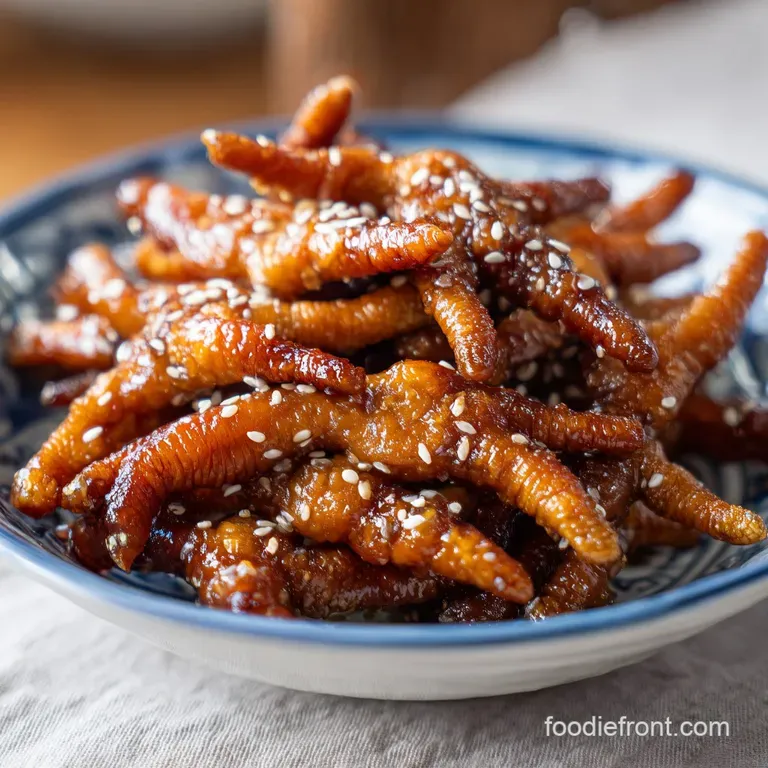
1. The Clean and Trim
Wash the 1 lb fresh chicken feet thoroughly in cold water. Use kitchen shears to snip off the claws at the first joint. Note: This prevents the claws from poking holes in the skin during the puffing stage.
2. The Blanch and Glaze
Boil a pot of water with 1 tbsp red rice vinegar and 1 tbsp maltose. Add the feet and simmer for 5 minutes until the skin looks slightly translucent. Drain and pat them bone dry with paper towels. Note: Any moisture left on the skin will cause the oil to pop violently.
3. Achieving the Tiger Skin
Heat 2 cups peanut oil to 350°F (180°C) in a deep pot. Fry the feet in batches for 5 minutes until they are dark golden and blistered. Immediately drop the hot feet into a large bowl of ice water and soak for at least 2 hours.
4. The Aromatherapy Braise
In a clean pot, combine the star anise, cinnamon, ginger, green onion, and Sichuan peppercorns with enough water to cover the feet. Simmer the soaked feet for 1 hour until the skin is tender and pulling away from the bone.
5. The Final Sauce Reduction
Whisk together the fermented black beans, garlic, oyster sauce, light soy sauce, dark soy sauce, sesame oil, and sugar. Drain the feet and toss them in a wok or pan with the sauce and sliced chili. Sauté for 5 minutes until the sauce is thick and velvety.
Solving Common Texture and Frying Issues Like a Pro
Why Your Chicken Feet Stayed Smooth
If your feet didn't get those beautiful wrinkles, it's usually because the soak wasn't long enough or the water wasn't cold enough. The "Tiger Skin" effect relies on the sudden temperature shock to pull the skin away from the underlying tissue.
| Problem | Root Cause | Solution |
|---|---|---|
| Tough Skin | Under braised or old feet | Increase simmer time by 30 mins |
| Greasy Texture | Oil temperature too low | Ensure oil stays at 350°F during frying |
| No Wrinkles | Insufficient soaking | Soak in ice water for a full 2 hours |
Another issue I see often is the oil popping. Even a tiny drop of water inside the knuckle can cause a "pop" that throws oil everywhere. I always recommend using a splatter screen and even wearing long sleeves when you drop the feet in.
Common Mistakes Checklist
- ✓ Pat the feet completely dry with multiple paper towels before frying
- ✓ Use a deep pot to contain the oil splatter during the over high heat stage
- ✓ Do not crowd the pot; fry in 3 or 4 small batches for even browning
- ✓ Let the feet soak until they look pale and significantly "puffed" up
- ✓ Taste your black beans first; if they are overly salty, rinse them twice
Flavor Variations to Customize Your Braised Poultry
If you want to move away from the traditional Cantonese style, there are so many ways to play with this recipe. In South Africa, "Walkie Talkies" are a beloved street food where the feet are often grilled or stewed with turmeric and curry spices.
It's a much faster process but delivers a completely different, hearty yellow gravy that is amazing with pap or crusty bread.
For a Filipino twist, try an Adobo style. Replace the black beans and oyster sauce with extra garlic, bay leaves, and a generous amount of cane vinegar. It's tangy, savory, and requires much less prep time since you can skip the deep frying if you don't mind a smoother skin texture.
It's not the same "Tiger Skin" result, but it's a fantastic family dinner option when you're short on time.
If you are looking for a creamy, spicy crowd pleaser for a party instead of a sit down dinner, you should check out my Buffalo Chicken Dip recipe. It uses that same poultry loving flavor profile but in a format that's perfect for dipping chips.
Smart Ways to Store and Use Every Piece
Storing these is easy because the gelatin in the sauce actually helps preserve the moisture. Keep them in an airtight container in the fridge for up to 4 days. When you reheat them, do it gently in a steamer or a covered pan with a splash of water to loosen the sauce back up.
Avoid the microwave if you can, as it tends to make the skin rubbery.
Don't you dare throw away that braising liquid! The water you used to simmer the feet for an hour is liquid gold. It is packed with natural gelatin and the warm spices of cinnamon and star anise. Strain it and keep it in the freezer to use as a base for a rich "Master Broth" or to add body to your next chicken soup.
It’s the ultimate zero waste hack for a budget conscious kitchen.
Hearty Sides to Turn These into a Meal
Since this dish is so rich and savory, you really need something to cut through the fat. Steamed bok choy or gai lan with a little bit of garlic is the classic choice. The bitterness of the greens balances the salty umami of the black beans perfectly.
If you want to make it a fuller meal, serve the feet over a bowl of plain white rice or thin egg noodles. The sauce will seep into the rice, making every bite flavorful. Honestly, just a simple side of pickled cucumbers also works wonders to refresh the palate between those sticky, gelatinous bites.
It’s a comforting, traditional meal that makes the whole house feel warm and inviting.
If you want a different result:
- For more heat: Add 2 teaspoons of chili oil or extra fresh bird's eye chilies to the final sauce reduction.
- For a sweeter finish: Increase the granulated sugar to 1 tablespoon and add a splash of Shaoxing wine.
- For a thicker sauce: Mix 1 teaspoon of cornstarch with a little water and stir it into the pan during the final 2 minutes of cooking.
Recipe FAQs
Are chicken feet good to eat?
Yes, they are highly sought after in many cuisines. Chicken feet are prized not for muscle meat, but for their high collagen content, which breaks down during long cooking into a rich, sticky gelatin that carries intense flavor.
What kind of meat is on chicken feet?
Very little traditional muscle meat is present. The majority of what you consume is skin, tendons, and cartilage rich in connective tissue.
How do you prepare chicken feet to eat?
First, blanch the feet, then deep fry them until blistered. After frying, immediately plunge them into ice water to shock the skin so it puffs up, then simmer them slowly in aromatic liquid until tender.
What is the unhealthiest part of the chicken?
This is context dependent, but often highly processed or skin-on dark meat is higher in saturated fat. Chicken feet are high in collagen and fat, but they lack the bone-in meat density of fattier cuts; if you prefer a leaner protein for a main course, consider our Sous Vide Duck recipe to focus on temperature control.
Is it true that the texture relies only on slow cooking?
No, that is a common misconception for this dish. While slow cooking is vital for tenderness, the signature "tiger skin" wrinkly texture requires a crucial pre-step: flash frying the skin followed by an ice bath shock.
Can I skip the deep frying step and just simmer them?
No, skipping the fry results in a rubbery texture. The rapid high heat frying creates a tough outer layer that expands when plunged into cold water; if you skip this, the skin remains dense and won't absorb the sauce well.
What side dish best complements the rich, sticky sauce?
Something bright and slightly bitter cuts the richness perfectly. A vibrant green vegetable helps cleanse the palate between bites of the savory gelatin; try preparing our Garlic Green Beans recipe for a quick, acidic counterpoint.
Savory Cantonese Chicken Feet
Ingredients:
Instructions:
Nutrition Facts:
| Calories | 358 kcal |
|---|---|
| Protein | 23.5 g |
| Fat | 24.2 g |
| Carbs | 8.4 g |
| Fiber | 0.6 g |
| Sugar | 5.2 g |
| Sodium | 685 mg |
