Poached Egg Recipe in a Poacher with Herbs
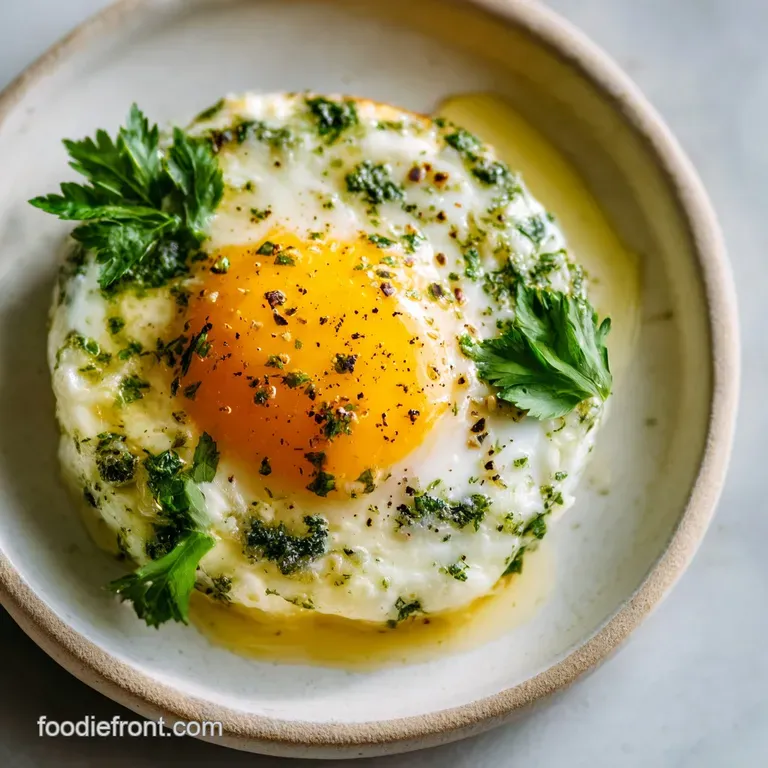
- Time: Active 5 minutes, Passive 6 minutes, Total 11 minutes
- Flavor/Texture Hook: Velvety yolks with a herb infused buttery finish
- Perfect for: Stress free family brunch or high protein weekday starts
- Poached Egg Recipe in a Poacher with Butter and Herbs
- Steam Distribution and Thermal Conductivity Science
- Essential Timings for Ideal Runny Yolks
- High Quality Staples for Budget Breakfasts
- Simple Tools for Stress Free Eggs
- Step by Step Guide to Silky Results
- Fixing Mistakes for Flawless Egg Releases
- Flavor Variations and Pantry Friendly Substitutions
- Handling Leftovers and Proper Egg Storage
- Hearty Pairings for Family Style Brunch
- Recipe FAQs
- 📝 Recipe Card
Poached Egg Recipe in a Poacher with Butter and Herbs
The gentle sizzle of butter hitting a warm metal cup is the sound of a successful morning in our kitchen. I remember the chaotic Sundays before I started using a poacher, where I’d spend twenty minutes swirling water into a vortex, only to have the egg whites shatter into a thousand wispy threads.
It was frustrating, messy, and frankly, a waste of good farm fresh eggs.
Switching to a poacher felt like a secret shortcut that I should have known years ago. When you lift that lid and see the eggs nestled in their little pods, surrounded by a cloud of fragrant steam, you know you’ve won.
The aroma of fresh chives and parsley mingling with melting butter is enough to pull anyone out of bed. It’s a comforting, reliable way to cook that feels special without the "gourmet" stress.
We've all had those mornings where the kitchen feels like a battlefield, but this method brings a bit of calm to the table. There’s something deeply satisfying about the clean release of a perfectly set white, revealing a rich, velvety center that’s just waiting to be broken over a slice of thick toast.
This is the hearty, family style breakfast we return to every single weekend.
Steam Distribution and Thermal Conductivity Science
The success of this method lies in the controlled environment of the poaching pan, which uses specific thermal principles to set the proteins.
- Vapor Induced Infusion: As the water boils below, steam surrounds the metal cups, heating the herbs and releasing their essential oils directly into the outer layer of the egg white.
- Thermal Fat Barrier: Softened butter acts as a lubricant and insulator, preventing the egg proteins from bonding to the metal while providing a rich mouthfeel.
- Gentle Denaturation: Unlike boiling water which can be turbulent, steam provides a steady 100°C environment that coagulates the egg whites without making them rubbery.
| Method | Speed | Texture | Cleanup |
|---|---|---|---|
| Poacher (Fast) | 6 minutes | Uniform and silky | Rinse cups only |
| Classic (Vortex) | 4 minutes | Wispy and delicate | Scrub the whole pot |
| Slow Poached | 45 minutes | Custard like | Multiple containers |
This table shows why the poacher is my favorite for family mornings. While the classic method is a bit faster, the consistency and ease of cleanup make the poacher the smarter choice for a busy home cook who doesn't want to scrub stuck on egg whites for half an hour.
Essential Timings for Ideal Runny Yolks
Cooking eggs is a game of seconds, so I always keep a digital timer right next to the stove. For this recipe, we are targeting a specific set of results that balance a firm white with a liquid gold center.
| Servings | Eggs Used | Butter Amount | Pan Size | Cook Time |
|---|---|---|---|---|
| 1 Person | 2 Eggs | 1/2 tbsp | Small Poacher | 5 minutes |
| 2 People | 4 Eggs | 1 tbsp | Standard Poacher | 6 minutes |
| 4 People | 8 Eggs | 2 tbsp | Large Poacher | 7 minutes |
The slight increase in time for larger batches accounts for the heat loss when you open the lid to drop in more eggs. If you are using particularly large eggs from a local farm, you might need to add an extra 30 seconds to the timer to ensure the whites are fully opaque near the top of the cup.
high-quality Staples for Budget Breakfasts
You don't need a massive budget to make a meal feel like a treat. By focusing on a few high-quality basics, we can turn a simple egg into something truly memorable. I always look for Grade A eggs because the whites are sturdier and hold their shape better in the poacher.
- 4 Large Grade A Eggs: Use cold eggs straight from the fridge; the temperature difference helps the outer white set quickly.
- 1 tbsp Unsalted Butter: Make sure it is softened so it coats the cups evenly.
- 1 tsp Fresh Chives: Finely minced to distribute that mild onion flavor throughout the egg.
- 1 tsp Fresh Parsley: Adds a bright, grassy note that balances the richness of the butter.
- 1/4 tsp Flaky Sea Salt: For that essential crunch and "shatter" on the tongue.
- 1/8 tsp Cracked Black Pepper: Freshly cracked provides a floral heat that pre ground pepper just can't match.
Chef's Note: If you're out of fresh herbs, don't worry. A tiny pinch of my Garlic Butter Seasoning recipe mixed into the softened butter works beautifully as a flavorful alternative.
Simple Tools for Stress Free Eggs
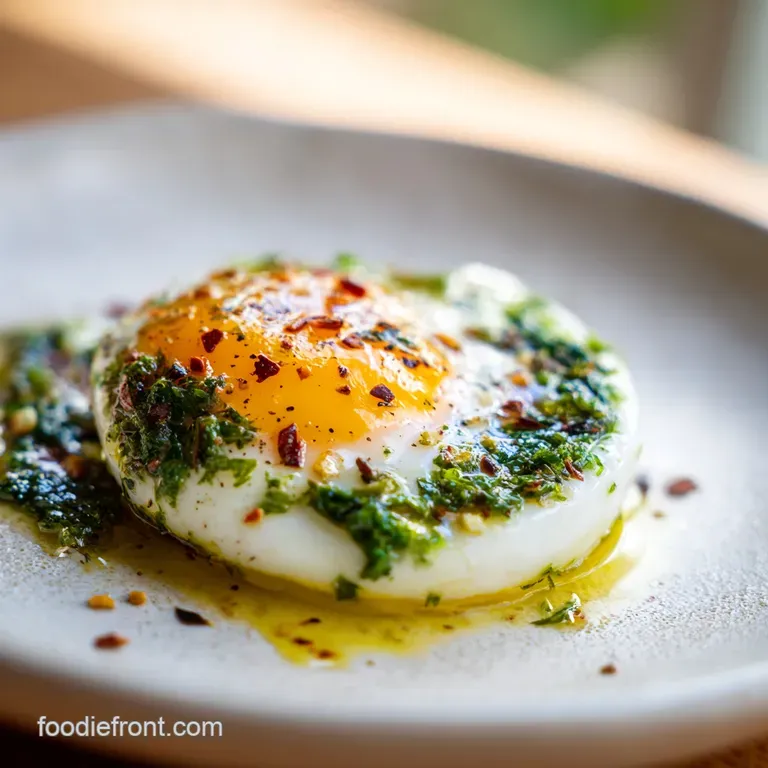
Having the right gear makes the process move smoothly, especially when you're still half asleep. You don't need anything fancy, just a few reliable pieces of equipment that handle heat well.
- Egg Poacher Pan: A dedicated pan with a lid and non stick or stainless steel cups.
- Small Silicone Spatula: This is my favorite tool for gently easing the egg out of the cup without tearing the delicate white.
- Pastry Brush: Used to paint the butter onto the cups for 100% coverage.
- Digital Kitchen Timer: Essential for hitting that 6 minute mark exactly.
If you are using a stainless steel poacher rather than a non stick one, the butter becomes even more critical. I’ve found that even "non stick" cups benefit from a little extra fat to ensure the eggs slide right onto the plate.
step-by-step Guide to Silky Results
Right then, let's get into the kitchen. The key here is preparation; once the water is boiling, things move fast, so have your eggs cracked and your herbs ready before you even turn on the gas stove.
- Boil the base. Add about 2-3 cm of water to the bottom of the poacher pan. Bring it to a steady boil over medium high heat. Note: The water should not touch the bottom of the egg cups.
- Prep the pods. While the water heats, use a pastry brush to apply the softened butter to the inside of each cup. Ensure you coat the sides all the way to the rim.
- Add the aromatics. Sprinkle the minced chives and parsley into the bottom of the buttered cups.
- Crack the eggs. Carefully crack one egg into each cup. Until the yolk sits centered and the white fills the base.
- Assemble the poacher. Once the water is bubbling, reduce the heat to a simmer and carefully place the egg tray into the pan.
- Seal the steam. Place the lid on the pan immediately. This traps the heat and cooks the tops of the eggs.
- Set the timer. Cook for 6 minutes until the whites are opaque and the yolks still jiggle slightly.
- Lift and rest. Remove the pan from the heat. Use a cloth to lift the tray out of the pan so the eggs don't continue to cook from the residual steam.
- Release the eggs. Run your silicone spatula around the edge of each cup and gently tilt the egg onto your serving plate.
- Final seasoning. Sprinkle with flaky sea salt and cracked black pepper while the eggs are still glistening with melted butter.
Fixing Mistakes for Flawless Egg Releases
Even with the best intentions, eggs can be finicky. I've spent many mornings trying to pry a "stuck" egg out of a cup, and I’ve learned exactly why it happens. Usually, it's a matter of temperature or coverage.
Why Your Eggs Stick
This usually happens because the butter wasn't softened enough to create a continuous film, or the cups were cold when the eggs were added. If the metal has any "dry" spots, the egg proteins will bond to the surface almost instantly. Make sure you use a brush to get into the corners of the cup.
Why the Yolk is Hard
If your yolk comes out solid, you likely had the heat too high or the lid on for too long. A slow poached egg needs a gentle simmer, not a rolling boil. The steam should be constant but not aggressive. Reduce your heat next time and check the eggs at the 5 minute mark.
| Problem | Root Cause | Solution |
|---|---|---|
| Rubbery Whites | Overcooked or too high heat | Reduce simmer and cut time by 30 seconds |
| Water in Cups | Boiling too vigorously | Lower heat so water doesn't splash into tray |
| Sticking | Incomplete butter coating | Use a pastry brush for 100% cup coverage |
After years of making these for the kids, I've found a few simple habits that prevent these issues before they start. It's all about being methodical with your prep.
- ✓ Pat the egg cups completely dry before applying butter.
- ✓ Use room temperature butter for a smoother, thicker coating.
- ✓ Never crowd the pan; if your poacher holds four eggs, only cook four.
- ✓ Prick the very top of the egg white with a toothpick if you see a large bubble forming.
- ✓ Let the eggs sit for 30 seconds after removing from the pan to "firm up" for a cleaner release.
Flavor Variations and Pantry Friendly Substitutions
One of the things I love about this poached egg recipe in a poacher with butter and herbs is how flexible it is. You can change the entire mood of the dish just by swapping one or two ingredients from your pantry.
| Original Ingredient | Substitute | Why It Works |
|---|---|---|
| Unsalted Butter | Ghee or Clarified Butter | Higher smoke point and rich, nutty flavor notes |
| Fresh Chives | Dried Herbs de Provence | Adds a floral, earthy depth. Note: Use half the amount |
| Flaky Sea Salt | Smoked Sea Salt | Adds a campfire like aroma that mimics bacon |
If you are looking for a dairy-free option, a high-quality olive oil can work, but it won't give you that same velvety "sauce" that melted butter provides. For those who like a bit of heat, a tiny drop of hot sauce in the bottom of the cup before adding the egg is a game changer.
Handling Leftovers and Proper Egg Storage
While I always recommend eating these immediately while the yolk is warm and runny, life happens. Sometimes I make a few extra for meal prep during a busy week.
Storage: You can store these in the fridge for up to 2 days. Place them in a shallow container filled with cold water to keep the whites from drying out. When you're ready to eat, just submerge them in hot (but not boiling) water for about 1 minute to take the chill off.
Zero Waste: Don't throw away those herb stems! I keep a bag in the freezer for herb scraps and onion ends. They are perfect for throwing into a pot when I’m making a family dinner of chicken stock or soup. Even the butter wrappers can be used to grease your toast or baking pans later on.
Hearty Pairings for Family Style Brunch
Serving these eggs is my favorite part. There is nothing like the sight of a perfectly poached egg sitting atop a mountain of golden brown hash browns or a thick slice of sourdough. We often serve these alongside a simple green salad to cut through the richness of the butter.
If you're hosting a larger group, I find that these eggs pair beautifully with a side of sautéed mushrooms or roasted tomatoes. The earthy flavors of the vegetables complement the fresh parsley and chives perfectly. And if you're feeling like a bit of a "treat yourself" moment after a long week, you could even follow up this savory breakfast with a scoop of Biscoff Ice Cream recipe — though maybe wait until after noon for that!
Ultimately, this recipe is about comfort. It's about taking ten minutes to make something that feels like a warm hug. Whether you're feeding a house full of hungry kids or just enjoying a quiet morning with a cup of coffee, these buttered, herb flecked eggs are the gold standard for a reason.
Trust me, once you go the poacher route, you’ll never look at a boiling pot of water the same way again.

Recipe FAQs
How to make perfect poached eggs in a poacher?
Butter the cups thoroughly and use a low simmer. Paint softened butter onto the inside of each cup, then gently crack the eggs in, sprinkle herbs, cover, and steam for exactly 6 minutes over simmering water.
What herbs are good for poached eggs?
Chives and parsley are ideal for a classic flavor profile. These fresh herbs offer a clean, slightly oniony brightness that cuts through the richness of the butter and yolk.
How long to poach eggs in poacher cups?
Aim for 6 minutes for a standard runny yolk. This timing assumes large eggs removed directly from the refrigerator and cooked over a steady, gentle steam.
Why do you put vinegar in the water when you're poaching eggs?
No, you do not need vinegar when using a poacher. Vinegar aids coagulation in turbulent boiling water, but the gentle, contained steam environment of a poacher sets the whites sufficiently without added acid.
Can I use oil instead of butter in the poacher cups?
Yes, but butter provides superior texture and flavor. Oil has a higher smoke point, but softened butter creates a richer mouthfeel and helps the herbs infuse better during the steaming process.
What should I do if the egg whites are sticking to the metal cups?
Ensure the butter coating is continuous and the eggs are fresh. If you notice sticking, it usually means the butter missed a spot; use a pastry brush to guarantee full coverage before adding the egg.
Is this poaching method suitable for very large eggs?
Slightly increase the poaching time if using very large eggs. Larger eggs require a bit more thermal energy to set the center of the white, so add an extra 30 seconds to the standard 6 minutes.
Poached Eggs With Butter
Ingredients:
Instructions:
Nutrition Facts:
| Calories | 195 kcal |
|---|---|
| Protein | 12.6 g |
| Fat | 15.4 g |
| Carbs | 0.8 g |
| Fiber | 0.1 g |
| Sugar | 0.4 g |
| Sodium | 427 mg |
