Homemade Old Bay Seasoning
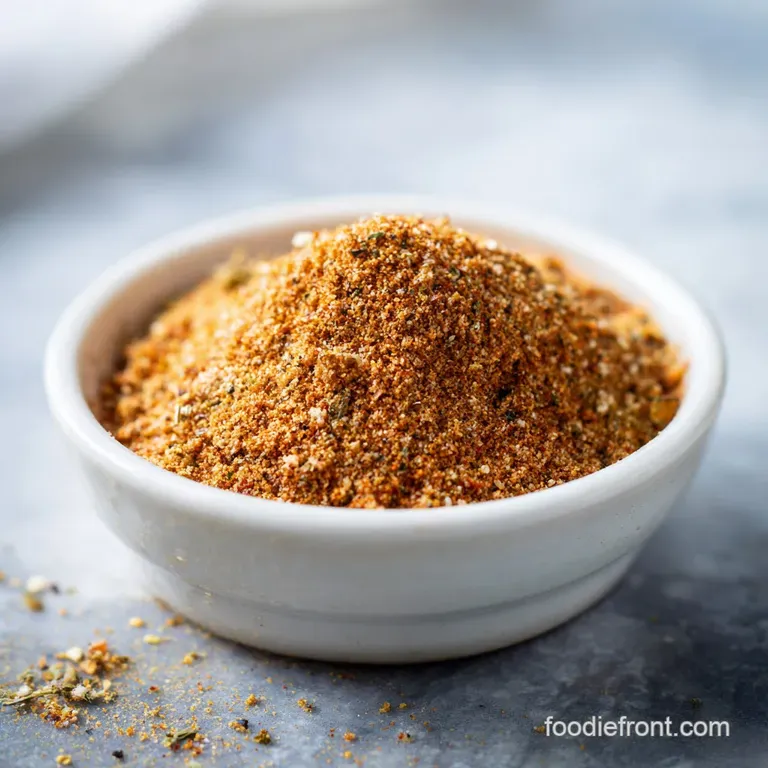
- Time: Active 5 minutes, Passive 0 minutes, Total 5 minutes
- Flavor/Texture Hook: Pungent, peppery, and intensely savory
- Perfect for: Seafood boils, poultry rubs, or rimming a spicy bloody mary
- Master the Ultimate Old Bay Seasoning
- Why This Maryland Blend Hits Different
- Precise Specs for the Perfect Batch
- Gathering These Bold Pantry Aromatics
- Essential Tools for Spice Grinding
- Steps for a Flavor Packed Mix
- Fixing Flat Flavors and Heat
- Customizing Your Personal Spice Blend
- Keeping Homemade Spices Punchy
- Serving Dishes That Steal the Show
- Old Bay Seasoning FAQs
- 📝 Recipe Card
Master the Ultimate Old Bay Seasoning
The first time I stood over a steaming pot of blue crabs in Maryland, the air was thick with a scent that I can only describe as "savory electricity." It wasn't just salt or heat; it was this complex, almost medicinal hum of cloves and bay leaves clashing with the sharp tang of celery.
I went home and tried to replicate it with just paprika and salt, and honestly, it was a disaster. It lacked that "shatter" of flavor that hits the back of your throat and makes you reach for a cold drink.
We've all been there, staring at a dull, orange powder in a tin that's been sitting in the pantry since the last presidential election. When you make your own Old Bay Seasoning, you control the volume.
You get to decide if the smoked paprika should take a front seat or if the mace should provide a more velvety, mysterious background note. This isn't just a copycat recipe; it's a version that respects the original while cranking the freshness up to ten.
Right then, let's get into why this specific mix actually works. Most people think it's just a "seafood spice," but once you nail the ratio of the "warming" group (nutmeg, cinnamon, cardamom) against the "savory" group (celery, pepper, bay), you'll realize it's a culinary skeleton key.
It unlocks something deep and primal in the food, especially when that heat from the cayenne begins to bloom against the sweetness of a fresh scallop or a roasted chicken wing.
Why This Maryland Blend Hits Different
Volatile Oil Activation: Bay leaves and cloves contain high concentrations of eugenol, which releases a more aggressive aroma when freshly pulverized rather than sitting pre ground.
The Pungency Pivot: Celery salt acts as a flavor multiplier, enhancing the "umami" perception of proteins without requiring heavy amounts of liquid seasoning.
Synergistic Heat: The combination of black pepper, cayenne, and crushed red pepper creates a layered burn that hits the tip of the tongue and the back of the throat at different intervals.
| Method | Prep Time | Flavor Profile | Best For |
|---|---|---|---|
| Raw Cold Mix | 5 minutes | Sharp, distinct layers | Quick rubs and popcorn topping |
| Toasted Bloom | 8 minutes | Rounded, smoky, integrated | Long braises and deep frying |
| Micro Ground | 10 minutes | Intense, flour like texture | Silky sauces and compound butters |
If you want a version that feels more like a traditional rub, stick to the Raw Cold Mix. However, if you're looking for something that melds into a velvety cream sauce, the Micro Ground method ensures no large flecks of bay leaf interrupt the texture.
Volatile Oil Optimization
Spices are essentially delivery systems for essential oils. When you buy pre mixed Bay Seasoning, those oils have often oxidized, leaving you with a flat, one dimensional powder. By grinding the bay leaves ourselves and mixing in the spices fresh, we're ensuring those oils are "live" when they hit the heat of your pan or the steam of your pot.
The Mace and Cardamom Secret
Most home cooks reach for nutmeg and call it a day. But the secret to that authentic, haunting flavor in the legendary blue tin is mace. Mace is the lacy outer covering of the nutmeg seed, and it has a more delicate, citrus tinged profile.
When paired with just a hint of cardamom, it provides a sophisticated floral note that balances the aggressive salt and pepper.
Customizable Sodium Gradients
One of the biggest gripes with store-bought blends is the salt content. Since celery salt is our foundation here, you have the power. If you find the mix too sharp, you can cut the celery salt with a bit of celery seed and a pinch of kosher salt to mellow the "brine" effect while keeping the vegetal punch.
Precise Specs for the Perfect Batch
| Ingredient | Science Role | Pro Secret |
|---|---|---|
| Celery Salt | Primary Humectant | Provides the "backbone" savory note that defines the blend's identity. |
| Sweet Paprika | Color & Body | Acts as the visual base; use high-quality Hungarian for a deeper red. |
| Ground Mace | Aromatic Bridge | Connects the sweet cinnamon to the savory black pepper for complexity. |
| Bay Leaves | Herbal Depth | The "medicinal" punch that cuts through the fat of butter and seafood. |
The bay leaves are the non negotiable part of this equation. Without them, you just have a spicy paprika rub. With them, you have a coastal masterpiece. Make sure yours aren't grey and brittle; they should still have a hint of green to ensure the oils are intact.
Gathering These Bold Pantry Aromatics
- 2 tbsp Celery Salt: The essential salty savory base. Why this? It provides the signature "Old Bay" aroma that salt alone cannot replicate.
- Substitute: 1 tbsp Celery Seed + 1 tbsp Sea Salt.
- 1 tbsp Sweet Paprika: Adds a vibrant red hue and mild sweetness. Why this? It builds the body of the rub without overpowering other spices.
- Substitute: Smoked paprika for a bolder, wood fired vibe.
- 1 tsp Smoked Paprika: Introduces a subtle char like depth.
- Substitute: Regular paprika with a drop of liquid smoke in the final dish.
- 1 tsp Ground Black Pepper: Provides a clean, sharp bite.
- Substitute: White pepper for a more fermented, funky heat.
- 1/2 tsp Cayenne Pepper: The primary heat source.
- Substitute: Red chili powder for a milder, earthier burn.
- 1/2 tsp Crushed Red Pepper Flakes: Adds texture and localized heat bursts.
- Substitute: Aleppo pepper for a fruitier, milder sizzle.
- 1/4 tsp Ground Mace: The "secret" aromatic ingredient.
- Substitute: Ground nutmeg (though it's slightly sweeter).
- 1/4 tsp Ground Ginger: Adds a sharp, clean zing to the finish.
- Substitute: Galangal powder for a more piney, citrusy note.
- 1/4 tsp Ground Cardamom: Provides a floral, citrus like high note.
- Substitute: A pinch of ground coriander.
- 1/4 tsp Ground Allspice: Adds a complex "clove nutmeg cinnamon" hybrid flavor.
- Substitute: Equal parts cinnamon and cloves.
- 1/8 tsp Ground Cloves: Extremely potent; adds a medicinal, cooling heat.
- Substitute: Extra allspice.
- 1/8 tsp Ground Nutmeg: Earthy and warming.
- Substitute: Extra mace.
- 1/8 tsp Ground Cinnamon: Adds a subtle sweetness that rounds out the savory bits.
- Substitute: Cassia bark powder.
- 2 Bay Leaves: The soul of the seasoning. Why this? These must be ground into the mix to achieve the authentic herbal profile.
- Substitute: There is no true substitute for the unique flavor of bay.
Essential Tools for Spice Grinding
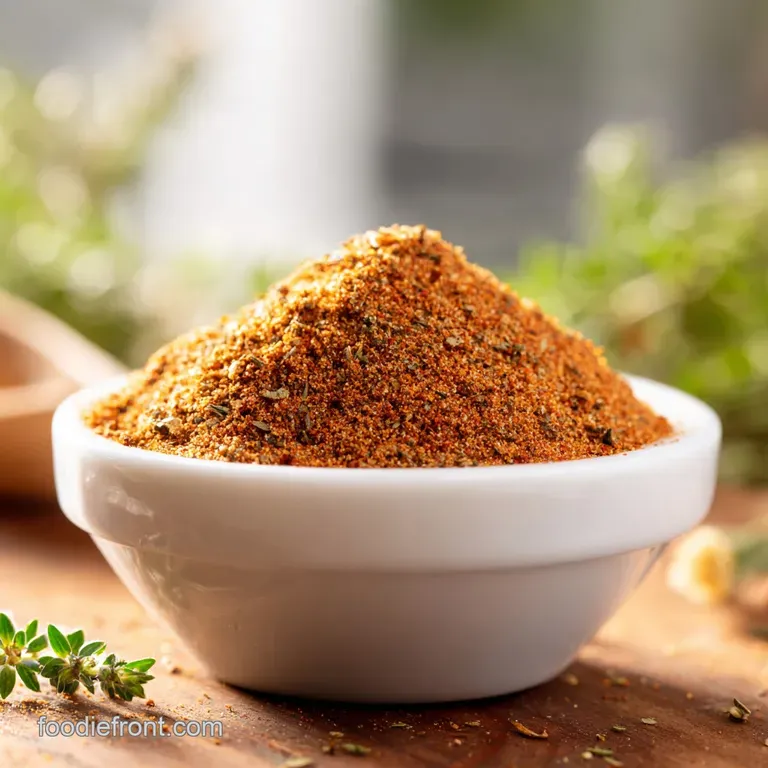
You don't need a lab full of gear, but a dedicated spice grinder (or a clean coffee grinder) is the difference between a chunky mess and a professional blend. If you use a coffee grinder, please, for the love of all things holy, wipe it out with a damp cloth and grind some dry white rice in it first to remove the coffee oils.
Nobody wants "Espresso crusted Shrimp" unless they're feeling particularly experimental.
A fine mesh sieve is also your friend here. When you grind the bay leaves, there's always one stubborn piece of stem that refuses to pulverize. Sifting the final mix ensures a velvety application that won't leave your guests picking "shards" out of their teeth.
Steps for a Flavor Packed Mix
- Prepare the bay leaves. Tear the 2 Bay Leaves into small pieces. Note: This helps the grinder blades catch the leaves more effectively.
- Pulverize the leaves. Place the bay leaf pieces into a spice grinder and pulse until they become a fine, powdery dust.
- Combine the foundations. In a small bowl, whisk together the 2 tbsp Celery Salt, 1 tbsp Sweet Paprika, and 1 tsp Smoked Paprika.
- Add the heat. Stir in the 1 tsp Ground Black Pepper, 1/2 tsp Cayenne Pepper, and 1/2 tsp Crushed Red Pepper Flakes.
- Incorporate the aromatics. Add the 1/4 tsp Ground Mace, 1/4 tsp Ground Ginger, 1/4 tsp Ground Cardamom, and 1/4 tsp Ground Allspice.
- Add the warming notes. Whisk in the 1/8 tsp Ground Cloves, 1/8 tsp Ground Nutmeg, and 1/8 tsp Ground Cinnamon.
- Sift the blend. Pour the entire mixture through a fine mesh sieve into a clean bowl. Note: This removes any unground bay leaf stems or clumps of paprika.
- Final whisk. Stir the sifted mixture one last time until the color is a uniform, rusty orange.
- Bottle it up. Transfer the mix to an airtight glass jar.
- Let it bloom. Wait 24 hours before using until the scents have fully merged and mellowed.
Fixing Flat Flavors and Heat
Sometimes you mix everything up and it just... sits there. It doesn't "pop." This usually happens because your ground spices were a bit older than you realized. But don't toss it! We can fix it. Usually, a tiny pinch of extra salt or a squeeze of fresh lemon juice on the finished dish will wake up the dormant spices.
Why Your Mix Lacks Depth
If the seasoning tastes like "just salt and pepper," you likely didn't grind the bay leaves finely enough or you skipped the mace. Mace provides a bridge between the spicy and the sweet. Without it, the blend feels disjointed.
| Problem | Root Cause | Solution |
|---|---|---|
| Gritty Texture | Bay leaf stems not removed | Sift through a fine mesh sieve to catch woody fibers. |
| Overpowering Salt | Celery salt ratio too high | Add 1/2 tsp extra Paprika and 1/4 tsp extra Ginger to balance. |
| Dull Color | Old, oxidized Paprika | Add a pinch of fresh Smoked Paprika to revitalize the hue. |
I once made a double batch of this for a big low country boil and realized I'd used a "hot" paprika instead of "sweet." The result was so spicy it nearly took the paint off the porch. If you make this mistake, add a tablespoon of brown sugar to the mix; it won't be traditional, but it will save your taste buds.
Common Mistakes Checklist
- ✓ Never use "fresh" bay leaves; they contain too much moisture and will cause the mix to clump.
- ✓ Always use a glass jar for storage; plastic absorbs the oils and can dull the flavor over time.
- ✓ Don't skip the sifting step, especially if you're using this as a dry rub for chicken.
- ✓ Ensure your spice grinder is bone dry before starting; even a drop of water creates "paste."
- ✓ Store the jar in a cool, dark cupboard, never above the stove where heat ruins the aromatics.
Customizing Your Personal Spice Blend
When you're scaling this down for a small single serving sprinkle, just use a "pinch" guide. For scaling up for a huge party, keep the ratios strict. If you're doubling the recipe, I recommend only increasing the "aggressive" spices like cloves and cinnamon by 1.5x rather than a full 2x, as they can quickly become medicinal.
If you're looking for other ways to spice up your pantry, you might want to try my Greek Chicken Seasoning recipe which uses a completely different herbal profile but offers that same homemade punch.
The Fire House Variation
For those who want a blend that really makes them sweat, double the cayenne and replace the sweet paprika with a "hot" Hungarian variety. This is the version I use when I'm making "firehouse fries" thick cut wedges that are tossed in the spice while still sizzling from the oil.
It's bold, it's aggressive, and it will definitely steal the show.
The Low Sodium Swap
If you're watching your salt intake, you can make a "Lite" Bay Seasoning by using celery seed instead of celery salt. Use 1.5 tbsp of ground celery seed and only 1/2 tbsp of salt. It keeps that signature aroma without the sodium spike. This works beautifully when applied to my Rotisserie Chicken Seasoning Recipe if you want to give a standard bird a coastal Maryland twist.
| Feature | Standard Mix | Low Sodium Swap | Impact on Outcome |
|---|---|---|---|
| Primary Salt | Celery Salt | Celery Seed + Sea Salt | More vegetal, less "briny" punch |
| Heat Level | Moderate | Same | No change to the spicy profile |
| Best For | Crabs/Seafood | Grilled Veggies/Chicken | Better for everyday heart healthy meals |
Keeping Homemade Spices Punchy
The biggest myth in the kitchen is that spices last forever. They don't. They "expire" the moment they lose their scent. If you open your jar of Old Bay Seasoning and you don't immediately want to sneeze or go buy five pounds of shrimp, it's time to start over.
Storage: Keep this in a glass jar in a dark place. Light is the enemy of paprika; it will turn your vibrant red mix into a sad, sandy brown in a matter of weeks if left on the counter. It will stay fresh for about 6 months, but I bet you'll use it all within one.
Zero Waste: Don't throw away those bay leaf stems you sifted out! Toss them into your next stock pot or a bag of simmering scraps for a vegetable broth. Even the "woody" bits have tons of flavor left in them.
If you have a tiny bit of seasoning left in the bottom of the jar that's not enough for a recipe, pour in some olive oil and let it infuse for a week it makes a killer dipping oil for crusty bread.
Serving Dishes That Steal the Show
When it comes to presentation, remember that this seasoning is quite "heavy." It's visually dark and textured. If you're using it on white fish like cod or halibut, sprinkle it from high up to get an even, "velvety" dusting.
Old Bay Seasoning Appetizers: For a party stopping snack, toss warm, buttered popcorn with a heavy hand of this mix. The butter acts as a glue, allowing the spices to settle into the nooks and crannies of the kernels.
Serve it in a big wooden bowl, and I promise it will be gone before the main course hits the table.
The Perfect Sear: If you're using this on protein, pat the meat completely dry first. Rub the spice in and let it sit for 10 minutes. When it hits the hot cast iron, the paprika will slightly caramelize, creating a dark, flavorful crust that "shatters" when you bite into it.
It’s a bold way to transform a standard chicken breast into something that tastes like it came from a seaside shack on the Chesapeake.
Old Bay Seasoning FAQs
What does Old Bay Seasoning contain?
It contains celery salt, paprika, pepper, mace, and cloves. The unique profile comes from the combination of savory elements like celery salt mixed with warming spices like mace and cardamom.
What gives Old Bay its unique flavor?
The secret is the combination of mace and ground bay leaves. Mace provides a delicate, slightly citrusy floral note that perfectly balances the sharp salinity of the celery salt.
What does Old Bay Seasoning taste like?
It tastes pungent, peppery, and intensely savory with a subtle warming spice finish. It is not overly spicy but provides a deep, herbaceous complexity that enhances seafood.
What is a good substitute for Old Bay Seasoning?
A mix of celery salt, paprika, and a pinch of ground allspice is the closest DIY blend. For a salt free approach, look to blends that focus heavily on bay leaf and ginger, similar to the flavor concepts in our Salt Free Seasoning recipe.
How do I get the most intense flavor from a homemade blend?
Grind the bay leaves fresh just before mixing the batch. Volatile oils are key to the strong aroma, and grinding them immediately before use ensures maximum potency.
Is it true that I need to toast the spices before blending Old Bay?
No, toasting is usually unnecessary for this specific blend. The traditional profile relies on the fresh, sharp bite of the raw spices, unlike curry powders which benefit from blooming in oil.
Can I use this seasoning mix on things other than seafood?
Absolutely, it pairs wonderfully with poultry and starches. Try rubbing it liberally on chicken thighs before roasting, or sprinkle it over french fries and popcorn for a savory kick. This blend works great on poultry, much like we use bold seasonings in our Chicken Shrimp Alfredo recipe for instant flavor depth.
Homemade Old Bay Seasoning
Ingredients:
Instructions:
Nutrition Facts:
| Calories | 2 calories |
|---|---|
| Protein | 0.1 g |
| Fat | 0.1 g |
| Carbs | 0.4 g |
| Fiber | 0.2 g |
| Sugar | 0.1 g |
| Sodium | 435 mg |
