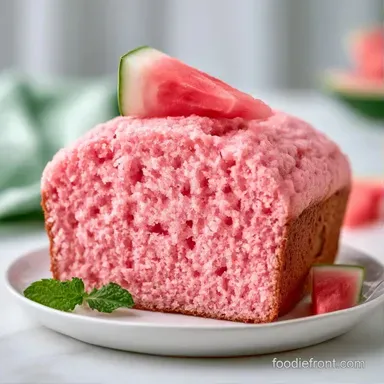
Fresh Watermelon Bread in 75 Minutes
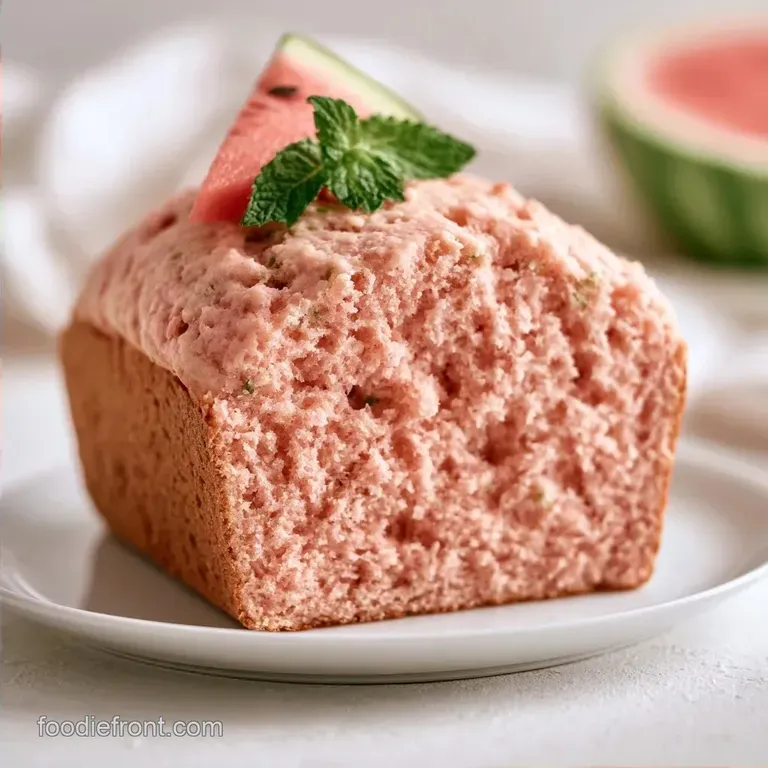
- Time: 15 min active + 60 min baking
- Flavor/Texture Hook: Sweet, fruity, and surprisingly airy
- Perfect for: Summer brunches, garden parties, or a unique dessert gift
- Fresh Watermelon Bread Quick Specs
- Why This Works
- What Each Ingredient Does
- Essential Ingredients for This Loaf
- Tools for the Job
- Easy Steps to Bake
- Tips for Better Results
- Solving Common Baking Issues
- Adjusting the Batch Size
- Baking Beliefs
- Storage and Waste Tips
- Fun Variations to Try
- What to Serve With
- Recipe FAQs
- 📝 Recipe Card
Fresh Watermelon Bread Quick Specs
Growing up in the American South, watermelon wasn't just a food. It was a whole event. We'd gather around the porch, slicing into giant, cold melons while the humidity hung heavy in the air. That memory is exactly what I wanted to capture here.
I wanted something that felt like a lazy August afternoon but worked in a standard loaf pan.
It's not often you see watermelon in a baked good. Most people think the flavor just evaporates the second it hits the oven. But that's where the lemon and the puree come in. They lock in that bright, refreshing taste so it doesn't just taste like a generic sugar cake.
You can expect a loaf that's moist and lightly sweet, with a hint of acidity to balance the fruit. This Fresh Watermelon Bread isn't a heavy sourdough or a dense rye. It's a quick bread, meaning it's fast to prep and satisfyingly soft.
Why This Works
- Lemon Juice: It keeps the watermelon color from turning a muddy brown and brightens the natural fruit notes.
- Baking Powder: This creates a quick lift that prevents the heavy fruit puree from making the bread too dense.
- Melted Butter: Using melted butter instead of creamed butter keeps the crumb tender and a bit more moist.
| Method | Time | Texture | Best For |
|---|---|---|---|
| Stovetop Steamed | 20 mins | Dense, pudding like | Small tasting portions |
| Oven Baked | 60 mins | Airy, cake like | Full loaves and gifting |
What Each Ingredient Does
| Ingredient | What It Does | Best Swap |
|---|---|---|
| Watermelon Puree | Provides moisture and fruit flavor | Cantaloupe puree (changes flavor profile) |
| All Purpose Flour | Gives the loaf its structure | 1:1 gluten-free blend |
| Unsalted Butter | Adds richness and a tender crumb | Coconut oil (melted) |
| Baking Powder | Lifts the heavy batter | 1 tsp baking soda + 1 tsp cream of tartar |
Essential Ingredients for This Loaf
Right then, let's look at what you'll need. I've kept this simple so you don't have to run to three different stores.
- 2 cups fresh watermelon, cubed and seedless Why this? Provides the primary flavor and moisture.
- 1 tbsp lemon juice Why this? Prevents oxidation and adds zest.
- 1 tsp vanilla extract Why this? Rounds out the sweetness.
- 2 cups all purpose flour Why this? Standard base for a sturdy quick bread.
- 3/4 cup granulated sugar Why this? Sweetens without overpowering the fruit.
- 1 tbsp baking powder Why this? Essential for the rise.
- 1/2 tsp salt Why this? Balances the sugar.
- 1/2 cup unsalted butter, melted and cooled Why this? Ensures a soft, buttery texture.
- 2 large eggs Why this? Binds the batter together.
- 1/4 cup whole milk Why this? Thins the batter for a smoother pour.
- 1/2 cup raisins Why this? Adds a chewy contrast to the soft bread.
| Original Ingredient | Substitute | Why It Works |
|---|---|---|
| Whole Milk (1/4 cup) | Almond Milk (1/4 cup) | Similar liquid consistency. Note: Slightly nuttier flavor |
| Granulated Sugar (3/4 cup) | Coconut Sugar (3/4 cup) | Natural sweetener. Note: Makes the loaf darker and earthier |
| Raisins (1/2 cup) | Dried Cranberries (1/2 cup) | Tart and chewy. Note: Adds a bright red color pop |
Tools for the Job
You don't need a professional kitchen for this. A standard blender and a couple of bowls will do. I prefer using a 9x5 inch loaf pan, which is the standard size for most home cooks. If you have a parchment paper liner, use it.
It makes getting the loaf out of the pan way easier, so you don't end up with a shattered bottom.
Easy Steps to Bake
Let's crack on. Follow these steps and you'll have a lovely loaf ready for your table.
The Watermelon Concentrate
- Place the watermelon cubes in a blender and process on high until completely smooth.
- Pour the puree through a mesh strainer to remove excess pulp for a finer crumb. Note: This keeps the texture consistent.
- Stir the lemon juice and vanilla extract into the watermelon puree and set aside.
Mixing the Batter
- In a medium bowl, whisk together the flour, sugar, baking powder, and salt until no lumps remain.
- In a large bowl, beat the melted butter and eggs together, then stir in the watermelon puree and milk until the mixture is uniform.
- Fold the dry ingredients into the wet ingredients using a spatula, mixing only until just combined to avoid a tough texture.
- Gently stir in the raisins or dried cranberries. Note: Don't over mix here or the raisins will sink.
The Bake
- Grease a 9x5 inch loaf pan and line it with parchment paper.
- Pour the batter into the pan and bake at 350°F (175°C) for 55-60 minutes until a toothpick inserted in the center comes out clean.
- Let the bread rest in the pan for 10 minutes before transferring to a wire rack to cool completely.
Chef Note: If you notice the top browning too quickly around the 40 minute mark, just tent it loosely with some foil. This keeps the top from burning while the middle finishes cooking.
Tips for Better Results
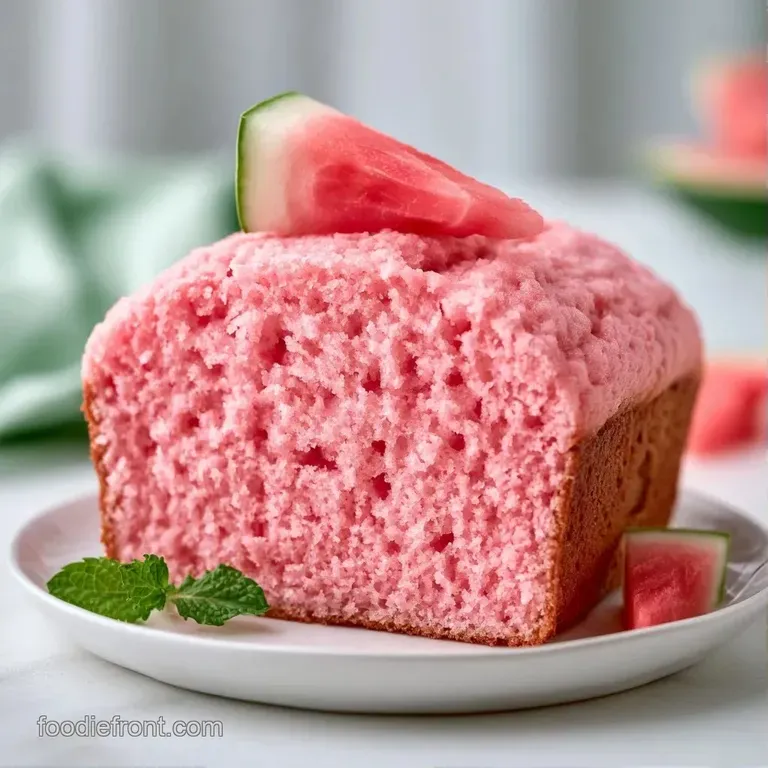
The biggest hurdle with Fresh Watermelon Bread is managing the moisture. Because watermelon is mostly water, it's easy to end up with a gummy center. The trick is to avoid the temptation to over mix the batter. When you stir the flour in, stop the second you don't see any more white streaks.
Over working the gluten makes the bread tough instead of tender.
Another tip is to make sure your butter is cooled. If you pour piping hot melted butter directly onto your eggs, you risk scrambling them. Just let the butter sit for 5-10 minutes before mixing. This keeps the emulsion stable and the bread light.
Finally, keep an eye on your oven temperature. According to King Arthur Baking, accurate oven temperatures are vital for leavening agents like baking powder to work correctly. If your oven runs hot, the bread might peak and then collapse.
Solving Common Baking Issues
Baking is a science, but sometimes the results are a bit wonky. If your loaf didn't come out quite right, it's usually down to a few specific things.
The Middle Sink
If the center of your loaf dipped, it's often because the oven door was opened too early or the leavening agent reacted too quickly. This can also happen if the bread was pulled out just a few minutes too soon. Ensure the toothpick is truly clean before removing it.
Gummy Texture
A gummy or dense crumb usually comes from over mixing the batter. When you stir too much, you develop too much gluten, which traps the air and makes the bread feel heavy. Use a spatula and a folding motion for the last step.
The Color Fade
Watermelon isn't known for holding its color under heat. If your bread looks more yellow than pink, it's normal. However, adding that tablespoon of lemon juice helps preserve as much of the hue as possible.
| Problem | Root Cause | Solution |
|---|---|---|
| Sinking Middle | Underbaked or door opened | Bake 5 more mins; keep door closed |
| Gummy Crumb | Over mixing the flour | Fold ingredients gently |
| Pale Crust | Oven temp too low | Use an oven thermometer to verify 350°F |
Adjusting the Batch Size
If you're just baking for yourself or feeding a crowd, you can scale this Fresh Watermelon Bread easily.
Scaling Down (1/2 Batch): Use a smaller 8x4 inch pan. You'll need to beat one egg in a small bowl and then use half of it. Reduce the baking time by about 20%, but still use the toothpick test to be sure.
Scaling Up (2x Batch): I recommend baking two separate loaves rather than one giant one. If you must use a larger pan, lower the temperature to 325°F and extend the bake time. Don't double the salt or baking powder exactly; use about 1.5x the amount to prevent a metallic taste.
For other fruit based treats that are easy to scale, check out my Banana Applesauce Cake. If you want a different kind of loaf entirely, the Lemon Blueberry Sourdough Bread is a great option for those who like a bit more tang.
Baking Beliefs
There are a few common ideas about fruit breads that aren't actually true.
"Fresh fruit always makes bread soggy." Not if you process it. By blending the watermelon into a puree and balancing it with the right amount of flour and leavening, you get a moist bread that isn't wet.
"Watermelon flavor disappears when baked." It does fade, but it doesn't vanish. The acidity from the lemon juice helps the fruit flavor stand up to the heat, leaving a subtle, sweet aftertaste.
Storage and Waste Tips
Fresh Watermelon Bread stays fresh at room temperature for about 2 days if kept in an airtight container. For longer storage, keep it in the fridge for up to 5 days. I find that a quick 10 second zap in the microwave makes a cold slice feel fresh again.
You can also freeze this bread. Slice it first, then wrap each slice in parchment paper and toss them in a freezer bag. They'll last for about 3 months. Just pop a slice straight into the toaster for a quick breakfast.
To avoid waste, don't throw away the watermelon rinds from your prep. You can actually pickle them or blend them into a smoothie for extra nutrients. If you have leftover raisins or dried fruit, toss them into your morning oatmeal or a homemade granola.
Fun Variations to Try
If you want to put your own spin on this recipe, there are plenty of ways to do it.
- Tropical Twist: Swap the raisins for dried pineapple chunks and use coconut milk instead of whole milk. This turns the Fresh Watermelon Bread into a beach side treat.
- The Dessert Bread: Add a simple glaze of powdered sugar and a splash of lemon juice over the top once the loaf has cooled. It adds a professional look and an extra punch of sweetness.
- gluten-free Version: Use a high-quality 1:1 gluten-free flour blend. You might need to add one extra tablespoon of milk if the batter feels too thick.
What to Serve With
This bread is quite versatile. For a summer brunch, serve it toasted with a thick smear of salted butter. The salt cuts through the sweetness of the watermelon and creates a great balance.
It also pairs well with a side of fresh berries or a dollop of Greek yogurt. If you're serving it as a dessert, a small scoop of vanilla bean ice cream on a warm slice is a winning combination.
For a drink, a cold glass of iced tea or a sparkling lime water complements the fruity notes of the Fresh Watermelon Bread without overpowering them.
Recipe FAQs
What does watermelon bread taste like?
Subtly sweet with a light fruity aroma. It tastes like a moist quick bread with a hint of melon, complemented by vanilla and a touch of brightness from the lemon juice.
How do you make watermelon bread?
Puree seedless watermelon cubes in a blender until smooth. Mix the puree with lemon juice and vanilla, fold in the dry and wet ingredients, and bake at 350°F for 55-60 minutes.
Is watermelon bread good for a cardiac diet?
No, it is likely not. This recipe contains granulated sugar and melted butter, which generally do not align with the low-fat or low-sugar requirements of a heart healthy diet.
Why is the center of my watermelon bread gummy?
You likely overmixed the batter. Overworking the gluten makes the bread tough; stop stirring the second you no longer see white streaks of flour.
How long does watermelon bread stay fresh?
Two days at room temperature. Keep it in an airtight container for short term storage, or refrigerate it for up to five days.
Can I freeze watermelon bread?
Yes, for up to 3 months. Slice the loaf first, wrap each slice in parchment paper, and store them in a freezer bag for easy toasting.
What is the best way to serve watermelon bread?
Warm with a sweet topping. To elevate a slice, drizzle it with a silky smooth custard sauce for a decadent treat.
Fresh Watermelon Bread for 8 Slices