Cherry Clafoutis: Traditional Silky Custard
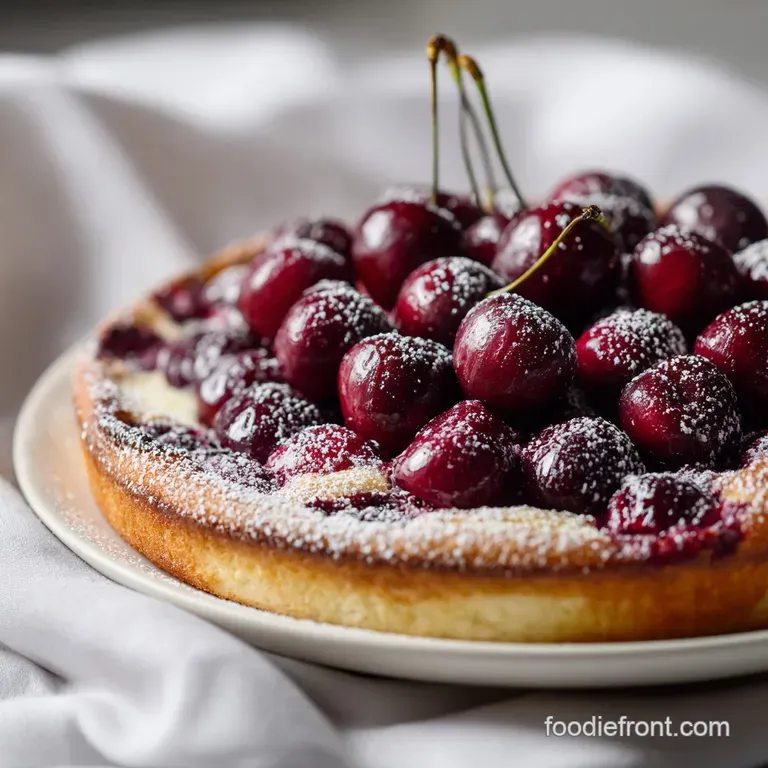
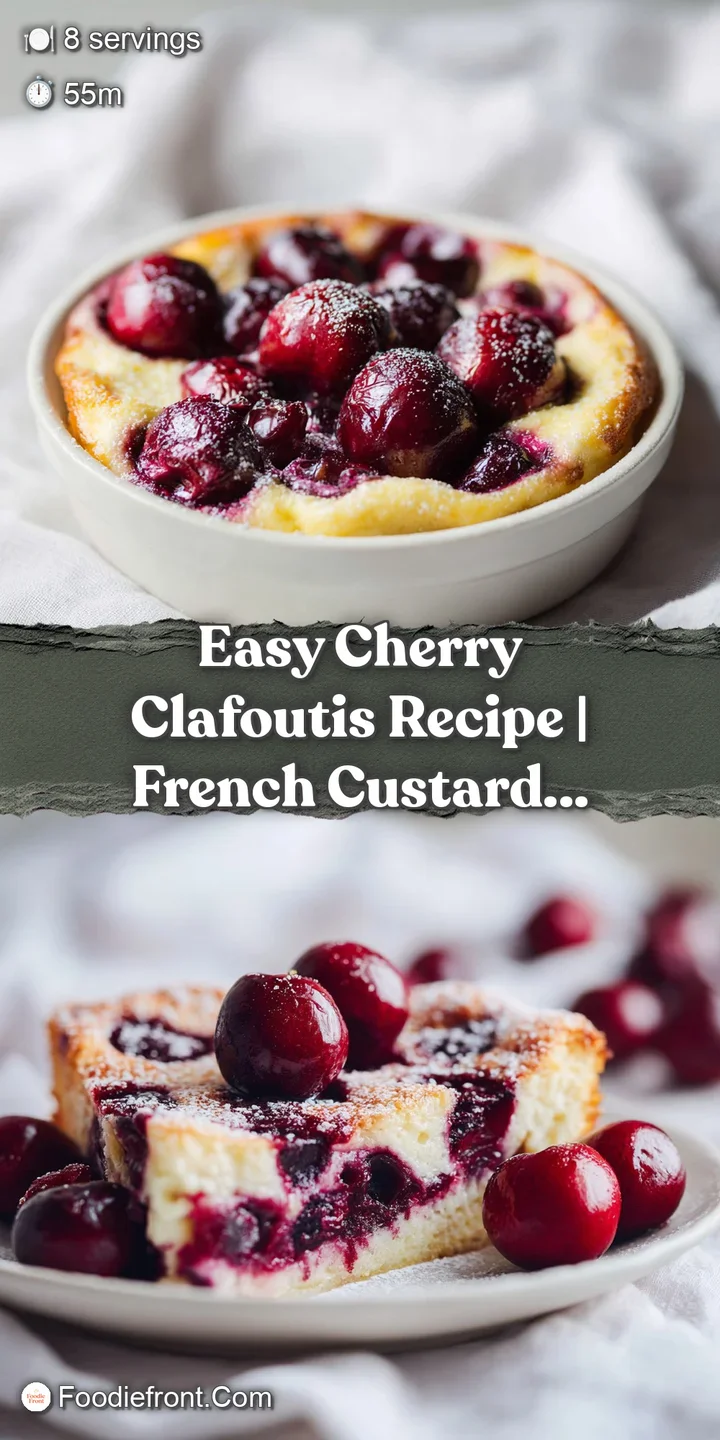
- Time: Active 15 minutes, Passive 40 minutes, Total 55 minutes
- Flavor/Texture Hook: Silky custard with a golden, buttery rim
- Perfect for: Impressive brunch or a quick summer dessert
- Authentic Cherry Clafoutis Success Secrets
- Recipe Specs and Timing
- Selecting High Quality Ingredients
- Necessary Kitchen Equipment
- Step-by-Step Culinary Guide
- Fixing Common Baking Errors
- Creative Substitutions and Variations
- Storage and Waste Prevention
- Plating and Color Balance
- Debunking Common Kitchen Myths
- Recipe FAQs
- 📝 Recipe Card
Authentic Cherry Clafoutis Success Secrets
Picture this: it is a humid July afternoon, and I am standing in my kitchen with three pounds of Bing cherries that are so dark they look like rubies. The first time I tried making this, I followed a random recipe that ended up tasting more like an omelet than a dessert.
It was rubbery, sad, and the cherries sank to the bottom like stones. I realized then that the secret isn't just in the ingredients, but in how you treat the batter. Now, when I pull a dish out of the oven, the aroma of toasted almonds and sweet fruit fills the house, and that characteristic puff never fails to make me feel like a pro.
You want a crumb that is light enough to be elegant but sturdy enough to hold the fruit in place. This isn't a cake, and it isn't quite a pudding; it is that magical middle ground that feels incredibly fancy despite being one of the easiest sweet treats in my repertoire.
We are going for a texture that is velvety on the tongue and has those slightly charred, caramelized edges that everyone fights over. Trust me, once you see that golden rise through the oven glass, you will be hooked.
We are going to focus on getting that batter right and making sure your cherries don't bleed into the custard. It is all about the "maceration" step. By tossing the fruit with a bit of sugar beforehand, you draw out just enough moisture so the custard sets perfectly around the fruit instead of becoming a soggy mess.
It is a little trick that makes a massive difference in the final presentation.
Recipe Specs and Timing
The beauty of this dish is that the hands on work is over before your oven even finishes preheating. You just need a bowl and a whisk. I’ve found that using room temperature eggs is non negotiable if you want that silky finish.
Cold eggs can seize the melted butter or cream, leading to a lumpy batter that won't rise properly.
The Physics of the Puff: The rise in this dish comes from steam trapped within the egg protein network, which expands rapidly in the high heat of the oven. As the starch in the flour gelatinizes, it provides the structural "scaffold" that prevents the custard from collapsing into a dense puddle.
| Method | Time | Texture | Best For |
|---|---|---|---|
| Standard Oven | 40 minutes | Uniform rise, silky center | Classic presentation |
| Cast Iron Skillet | 35 minutes | Deeply caramelized crust | Rustic, crispy edges |
| Individual Ramekins | 25 minutes | Firm and bouncy | Dinner parties |
If you are looking for more fruit forward inspiration, you might find my Dried Cherry Recipe helpful for those times when fresh produce isn't in season. While this clafoutis relies on the juice of fresh fruit, knowing how to handle different cherry textures is a huge plus for any home baker with a sweet tooth.
Selecting high-quality Ingredients
For a truly impressive dessert, the quality of your dairy matters. I always use whole milk and heavy cream together. Using only milk makes it too thin, while only cream makes it too heavy. That 1/2 cup of heavy cream adds the necessary fat to create a mouthfeel that is almost like silk.
It is the kind of indulgence that makes people ask for the recipe before they've even finished their first bite.
Component Analysis
| Ingredient | Science Role | Pro Secret |
|---|---|---|
| Large Eggs | Structure & Lift | Whisk until frothy to incorporate micro bubbles for a lighter puff. |
| All Purpose Flour | Binding Agent | Sift the flour twice to prevent "flour pockets" in the final custard. |
| Almond Extract | Flavor Bridge | This mimics the scent of cherry pits, making the fruit taste "more like itself." |
| Granulated Sugar | Tenderizer | Sugar interferes with gluten formation, keeping the custard soft rather than bread like. |
Selecting the right fruit is the most important part of the process. I prefer fresh, sweet cherries, but if you happen to have a jar of the tangy variety, you can use those too just adjust the sugar. If you find yourself with leftover savory ingredients like peppers, you could even pivot and try a Stuffed Cherry Peppers recipe for a completely different vibe, but today we are sticking to the sweet stuff.
Necessary Kitchen Equipment
You don't need a fancy French copper dish to make this look impressive. I usually reach for a 9 inch ceramic pie plate or a well seasoned cast iron skillet. The ceramic holds heat evenly, which is great for a gentle bake, while the cast iron gives you those crispy, buttery edges that I personally love.
Just make sure whatever you use has at least a 2 inch rim to account for the rise.
- Cherry Pitter: Honestly, don't even bother trying to do this with a knife; you'll end up with stained fingers and mangled fruit.
- Large Whisk: We want to aerate the eggs without using a heavy stand mixer that might overwork the gluten.
- Fine Mesh Sieve: Essential for sifting the flour and getting that powdered sugar dusting just right at the end.
- 9 inch Baking Dish: Ceramic or glass works best for even heat distribution.
Chef's Tip: Freeze your butter for 10 minutes before rubbing it onto the baking dish. This creates a thicker, more even coating that helps the batter "climb" the sides of the dish as it bakes, resulting in a more dramatic rise.
step-by-step Culinary Guide
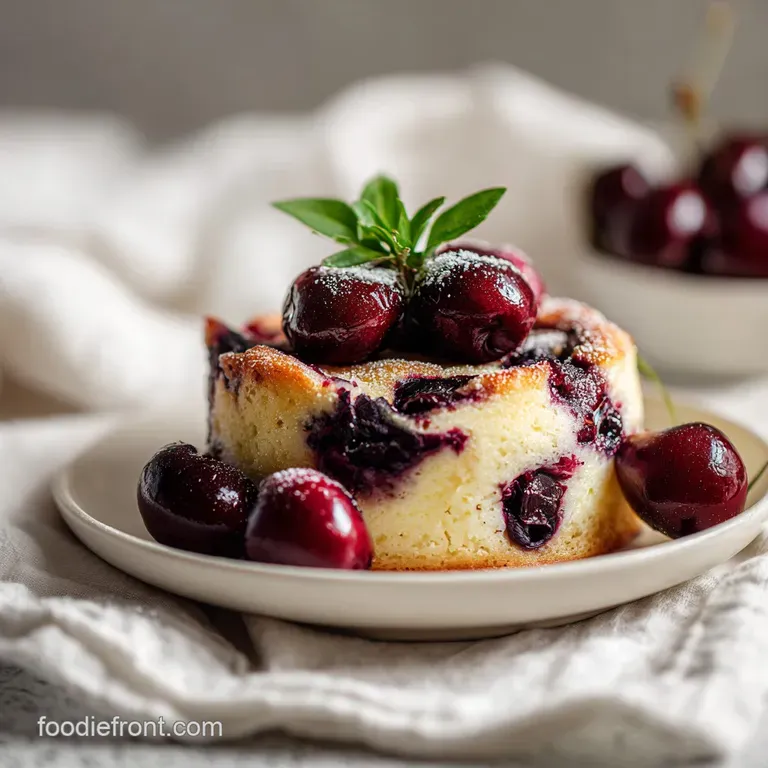
- Prep the fruit. Pit 1 lb fresh sweet cherries and toss them with 2 tbsp granulated sugar. Note: This maceration prevents the fruit from watering down the custard.
- Butter the dish. Coat your 9 inch baking dish with 1 tbsp softened butter. Coat thoroughly until no bare spots remain.
- Mix the base. Whisk 3 large eggs with 1/2 cup granulated sugar until pale and frothy. Note: This air incorporation is your primary leavening agent.
- Incorporate liquids. Slowly pour in 1 cup whole milk, 1/2 cup heavy cream, 1 tsp vanilla, and 1/2 tsp almond extract. Whisk until the mixture is uniform.
- Add dry ingredients. Gently whisk in 3/4 cup sifted flour and 1/4 tsp salt. Stop as soon as the last streak of flour disappears.
- Arrange the cherries. Place the macerated cherries in a single layer at the bottom of the prepared dish.
- Pour the batter. Carefully pour the custard mixture over the cherries. Note: Pouring slowly prevents the fruit from bunching up on one side.
- Bake the dish. Place in a preheated 350°F (180°C) oven for 40 minutes. Bake until the edges are golden and the center is set but still jiggles slightly.
- Cool and dust. Let it rest for 10 minutes. Dust with 1 tbsp powdered sugar until the top looks like a light dusting of snow.
While the clafoutis bakes, I love to prepare a refreshing drink. The creamy notes of this dessert go surprisingly well with a Vanilla Cream Soda recipe, as the carbonation cuts through the richness of the custard.
Fixing Common Baking Errors
One mistake I once made was taking the dish out too early because I was scared of it burning. If you do that, the center will stay liquid and the whole thing will collapse into a flat pancake. You want to see the edges pull away slightly from the sides of the dish.
That is the sign that the egg proteins have fully set and the structure is strong enough to hold.
Troubleshooting the Batter
| Problem | Root Cause | Solution |
|---|---|---|
| Rubbery Texture | Over mixing the flour | Whisk the flour in gently by hand; never use a high speed electric mixer. |
| Soggy Bottom | Too much fruit juice | Ensure you drain the excess liquid after macerating the cherries. |
| Dessert Deflated | Too much sugar | Stick to the measurements; excess sugar weakens the egg protein bond. |
Common Mistakes Checklist
- ✓ Always use room temperature eggs to ensure proper emulsification.
- ✓ Sift your flour to avoid tiny white lumps in your silky custard.
- ✓ Don't skip the almond extract; it provides the "soul" of the cherry flavor.
- ✓ Let the dish rest for at least 10 minutes before slicing to allow the custard to firm up.
- ✓ Butter the dish generously; it provides flavor and prevents sticking.
Creative Substitutions and Variations
I know some purists insist on keeping the pits in the cherries because they say it adds a nutty flavor. Personally, I value my teeth too much for that! If you want that nutty vibe without the dental risk, that 1/2 tsp of almond extract is your best friend. It bridges the gap between the fruit and the custard perfectly.
| Original Ingredient | Substitute | Why It Works |
|---|---|---|
| Heavy Cream (1/2 cup) | Full fat Coconut Milk | Similar fat content. Note: Adds a subtle tropical note to the finish. |
| All Purpose Flour | Almond Flour | Moisture rich but results in a denser, grainier crumb than AP flour. |
| Sweet Cherries | Blueberries or Pears | These fruits have similar moisture levels. Note: Pears should be sliced thinly. |
If you are cooking for a crowd, you might need to adjust. When scaling UP (2x), use two separate 9 inch dishes rather than one giant one. Large batches in a single deep dish often result in burnt edges and a raw, liquid center.
When scaling DOWN (1/2), use a smaller 6 inch dish and reduce the baking time by about 10 minutes.
Storage and Waste Prevention
This is one of those rare desserts that is actually quite good cold the next morning with a cup of coffee. You can keep it in the fridge for up to 3 days. Just cover it tightly with plastic wrap so it doesn't pick up any "fridge smells." I don't recommend freezing it, as the custard can become "weepy" and lose its velvety texture when thawed.
For zero waste, don't toss those cherry pits if you decided to pit them. You can simmer them with a little sugar and water to make a cherry syrup for cocktails or sodas. Also, if you have a little bit of batter left over, pour it into a buttered muffin tin with a single cherry for a "mini clafoutis" snack.
Plating and Color Balance
When it comes to serving, presentation is everything. A clafoutis is naturally a bit rustic and "brown," so we need to brighten it up. The goal is to create a contrast between the deep burgundy of the cherries and the golden custard.
- White Accent: Use a heavy dusting of powdered sugar. Add this only right before serving, or the heat of the dish will melt the sugar into a clear glaze.
- Green Accent: A few small sprigs of fresh mint tucked near the edge of the plate provide a vibrant pop that makes the red cherries look even deeper.
- Creamy Accent: A dollop of unsweetened crème fraîche or whipped cream on the side adds a luxurious texture and a soft white focal point.
If you are looking for a savory snack to serve before this sweet treat, a Salami and Cheese recipe melt is a quick way to satisfy the crowd while the clafoutis is in the oven. It keeps everyone happy while they wait for the main event.
Debunking Common Kitchen Myths
Myth: You must leave the pits in for "authentic" flavor. While it's true that the pits contain amygdalin (which tastes like almond), you can achieve the exact same flavor profile safely by using almond extract.
Leaving the pits in is mostly a tradition of convenience in rural France, not a culinary necessity.
Myth: Clafoutis is just a giant pancake. While the ingredients are similar, the ratios are vastly different. A pancake has much more flour and leavening agents like baking powder.
A clafoutis is a "baked custard," meaning it relies on eggs for structure, resulting in a much creamier, more delicate interior than any pancake could offer.
Recipe FAQs
Why is clafoutis rubbery?
Overmixing the flour is the cause. When you incorporate the flour too vigorously, you develop the gluten network too much, which yields a tough, chewy texture instead of a velvety custard.
What does clafoutis mean in French?
It derives from the Occitan word "clafir." This verb essentially means "to fill," referring to filling the dish with fruit before pouring the custard batter over the top.
Do you pit cherries for clafoutis?
No, you should absolutely pit the cherries. While traditionalists argue for leaving them in, pitting prevents dental hazards and allows you to safely use almond extract to replicate the subtle nutty flavor essence.
What fruit is best in clafoutis?
Sweet, firm cherries are the classic and best choice. They hold their shape well during the bake; however, firm plums or dark berries work wonderfully as substitutes.
How do I prevent the cherries from sinking to the bottom?
Toss the pitted cherries with 2 tablespoons of sugar first. This maceration draws out just enough surface liquid so the fruit doesn't water down the batter and helps it distribute more evenly throughout the custard as it sets.
How do I achieve the characteristic puff rise?
Ensure your eggs are room temperature and whisk them well. Incorporating tiny air bubbles into the eggs before adding the liquids is crucial, as this trapped air expands rapidly in the heat, creating the lift you want to see.
Can I use frozen cherries instead of fresh ones?
No, stick with fresh. Frozen berries release significant moisture during thawing, which compromises the custard's structure and can result in a soupy bottom layer. You might look into a savory application like our Creamed Corn with recipe if you have excess frozen vegetables, but fresh fruit is non-negotiable here.
Easy Cherry Clafoutis Recipe
Ingredients:
Instructions:
Nutrition Facts:
| Calories | 252 kcal |
|---|---|
| Protein | 5.5 g |
| Fat | 9.9 g |
| Carbs | 36.7 g |
| Fiber | 0.9 g |
| Sugar | 28.1 g |
| Sodium | 94 mg |
