Sweet Potato Recipe: Caramelized & Spiced
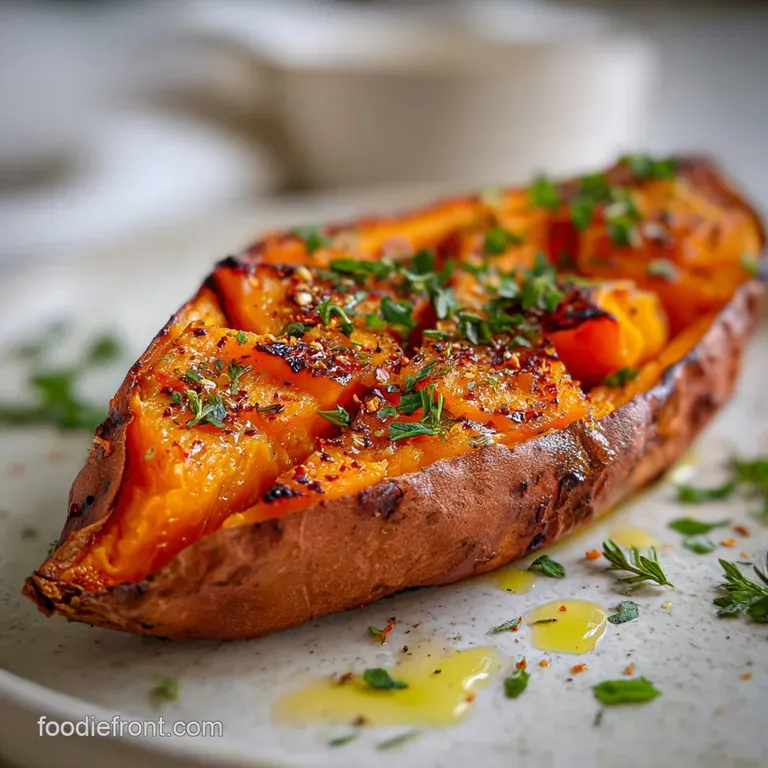
- Time: Active 10 minutes, Passive 25 minutes, Total 35 minutes
- Flavor/Texture Hook: Shatter crisp edges with a velvety, melt in-your mouth center
- Perfect for: Stress free weeknight dinners or a comforting Thanksgiving side
- Creating My Favorite Family Sweet Potato Recipe
- The Science of Caramelized Edges
- Elements for a Comforting Side
- Tools for the Best Roast
- Simple Steps for Perfect Roasting
- Solving Common Kitchen Mistakes
- Variations for Every Family Member
- Scaling for Large Groups
- Debunking Common Roasting Myths
- Keeping Leftovers Fresh and Tasty
- Pairings for a Hearty Dinner
- Recipe FAQs
- 📝 Recipe Card
Creating My Favorite Family Sweet Potato Recipe
Imagine the kitchen filling up with the scent of maple syrup and cinnamon while a tray of potatoes sizzles away in the oven. There is nothing quite like that first bite when you get a piece that is perfectly charred on the outside but stays completely soft and buttery on the inside.
I used to struggle with sweet potatoes getting mushy and sad, but after a few burnt pans and a lot of trial and error, I found the secret to getting that crunch my family loves.
We make this dish almost every week because it is one of those rare recipes that the kids actually ask for. It bridges the gap between a savory dinner side and a treat, making it the ultimate comfort food for a Tuesday night or a big holiday gathering.
Whether you are serving this alongside a roast or just eating a bowl of them for a quick lunch, the balance of salt, sugar, and vinegar is what makes it stand out.
I’m so excited to share this with you because it’s not just about throwing things on a sheet pan; it’s about a few small tricks that change everything. We’ve all had those "meh" roasted vegetables that just sit on the plate, but these are different.
Trust me, you’ll want to make a double batch because they disappear faster than you can set the table.
The Science of Caramelized Edges
Understanding how heat interacts with the natural sugars in this root vegetable is the key to moving from a "good" dish to a "spectacular" one. It’s all about managing moisture and maximizing surface area contact with your pan.
- Maillard Reaction: The balsamic vinegar and maple syrup react with the potato proteins under high heat to create complex, savory sweet flavor compounds.
- Starch Gelatinization: High heat breaks down the internal starch granules, turning the fibrous texture into a silky, velvety mash inside the skin.
- Hygroscopic Action: The salt draws out surface moisture initially, allowing the olive oil to fry the exterior for a shatter crisp finish.
- Sugar Pyrolysis: The maple syrup undergoes thermal decomposition at 320°F, creating that deep amber color and rich, toasted aroma.
Choosing the right cooking method depends entirely on your schedule and how much texture you want. While the oven is my go to for family dinners, the stovetop has its own perks when you are in a rush.
| Method | Time | Texture | Best For |
|---|---|---|---|
| Oven Roast | 25 minutes | Consistent crunch | Big family batches |
| Stovetop Skillet | 18 minutes | Deeply charred | Quick weeknight meals |
| Air Fryer | 15 minutes | Maximum exterior crisp | Single servings |
Every method has its own charm, but for that classic, even browning that fills the house with a wonderful aroma, the oven remains the gold standard in our home. If you are looking for more texture inspiration, my Crispy Roasted Garlic Potatoes recipe uses a similar over high heat technique that works wonders every single time.
Elements for a Comforting Side
Selecting the right ingredients is about more than just grabbing what's on sale; it’s about how those components work together to create a balanced bite. We want the sweetness of the potato to be the star, but it needs the supporting cast of acid and fat to really shine.
| Ingredient | Science Role | Pro Secret |
|---|---|---|
| Sweet Potatoes | Bulk starch | Use Garnet or Jewel for the best moisture to sugar ratio |
| Maple Syrup | Browning agent | Real Grade A syrup creates a thinner, crispier glaze than honey |
| Balsamic Vinegar | Acid balance | The acidity cuts through the heavy starch, brightening every bite |
Finding the right balance of these ingredients took me several tries, but the ratios here are the "sweet spot" for flavor. I always recommend using a high-quality extra virgin olive oil because the fruity notes complement the cinnamon perfectly.
- 2 lbs sweet potatoes: Peel them or leave the skin on for extra fiber and a rustic texture. Why this? Garnet varieties hold their shape best during over high heat roasting.
- 2 tbsp extra virgin olive oil: This provides the fat needed for heat transfer and crisping. Why this? Olive oil has a high enough smoke point for 425°F roasting.
- 1 tsp fine sea salt: This enhances the natural sweetness and draws out moisture. Why this? Fine salt distributes more evenly than coarse kosher salt in this glaze.
- 1 tbsp pure maple syrup: Adds a floral sweetness that honey just can't match. Why this? Syrup flows better than honey, ensuring every cube is coated.
- 1 tsp balsamic vinegar: The secret weapon for cutting through the richness. Why this? It provides a dark, syrupy acidity that boosts the Maillard reaction.
- 1/2 tsp ground cinnamon: Brings a warm, woody aroma that signals comfort. Why this? Cinnamon bridges the gap between the savory oil and sweet syrup.
- 1/4 tsp cracked black pepper: Adds a subtle back of-the throat heat to ground the dish. Why this? Freshly cracked pepper has volatile oils that pre ground pepper lacks.
Tools for the Best Roast
You don't need a kitchen full of gadgets, but a couple of specific items will make your life a lot easier and your potatoes a lot crispier. I’ve learned the hard way that using the wrong pan can lead to steaming instead of roasting, which is the ultimate kitchen heartbreak.
Chef's Tip: Use a heavy duty rimmed baking sheet (often called a half sheet pan). Thin pans warp in the high heat of the oven, causing your oil and syrup to pool in the corners and leave some potatoes dry and others soggy.
A sharp chef's knife is also non negotiable here. Sweet potatoes are dense and can be dangerous to cut with a dull blade. If you are prepping a big batch, a large stainless steel bowl is much better for tossing the potatoes than trying to mix them directly on the tray.
This ensures every single cube is slick with oil and spices before they hit the heat.
Simple Steps for Perfect Roasting
Follow these steps closely to ensure you get that beautiful contrast of textures. The timeline for this recipe is very straightforward: 10 minutes for prep, 25 minutes for roasting, and a quick 2 minute rest at the end.
- Preheat your oven to 425°F. Note: A hot oven is essential for immediate steam release.
- Scrub the 2 lbs sweet potatoes thoroughly. Peel them if you prefer a smoother texture, or leave the skins for more crunch.
- Dice the potatoes into uniform 3/4 inch cubes. Ensure they are roughly the same size so they cook at the same rate.
- Whisk the 2 tbsp olive oil, 1 tbsp maple syrup, 1 tsp balsamic vinegar, 1 tsp salt, 1/2 tsp cinnamon, and 1/4 tsp pepper in a large bowl.
- Toss the potato cubes in the mixture until they are completely glossy and well coated.
- Spread the potatoes onto a large rimmed baking sheet in a single layer. Leave space between the pieces to allow air to circulate.
- Roast for 15 minutes. Listen for the sizzle as the sugars begin to caramelize against the hot metal.
- Flip the potatoes using a wide spatula to expose the pale sides to the pan.
- Bake for another 10 minutes until the edges are dark brown and the centers feel soft when poked with a fork.
- Rest the tray on a cooling rack for 2 minutes. This allows the sugars to set, making the exterior even crispier.
Solving Common Kitchen Mistakes
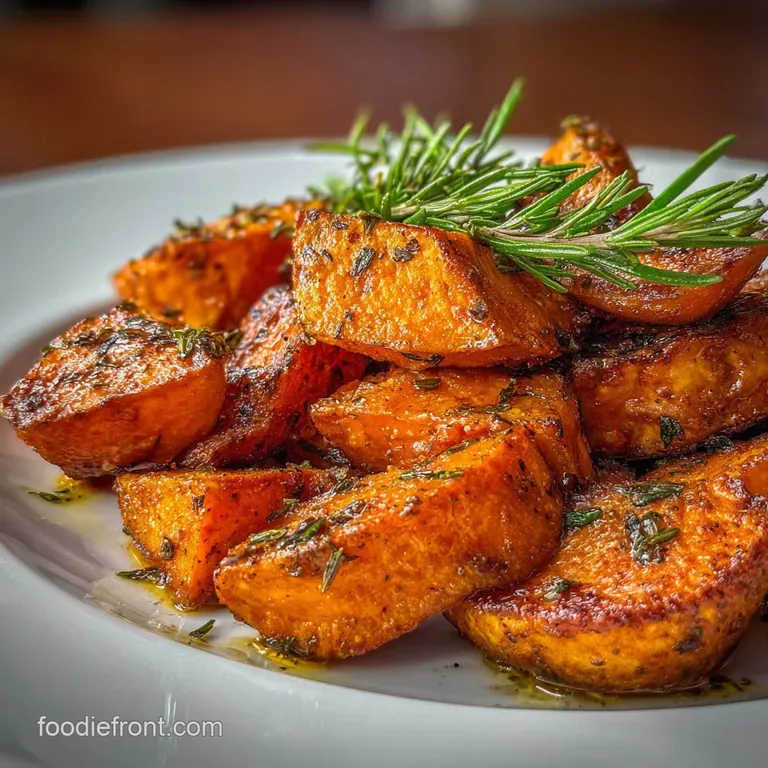
Even with the best intentions, things can go sideways. I remember my first few attempts resulted in what I called "sweet potato mush" not exactly the family favorite I was aiming for! Usually, the culprit is either too much moisture or not enough heat.
The Potatoes are Soggy
If your potatoes look pale and feel soft rather than crispy, they were likely crowded on the pan. When the cubes are too close together, the moisture they release turns into steam, which "boils" the potato rather than roasting it. Always use two pans if you are doubling the recipe to give them room to breathe.
The Glaze is Burning
Maple syrup and balsamic vinegar have high sugar content, which can burn if the oven has hot spots. If you see the edges turning black before the centers are soft, move your rack to the middle of the oven and loosely tent the tray with foil for the last 5 minutes of cooking.
| Problem | Root Cause | Solution |
|---|---|---|
| Uneven browning | Poor air circulation | Spread in a single layer with 1/2 inch gaps |
| Greasy texture | Too much oil | Stick to 1 tbsp oil per lb of potatoes |
| Bitter taste | Burnt cinnamon | Add spices halfway through if using a hotter oven |
Maintaining that perfect crunch is easier if you follow a few simple rules of thumb. These are the things I tell my friends whenever they ask why mine turn out better than the ones from the deli counter.
- ✓ Pat the potatoes bone dry with a paper towel after washing and before dicing.
- ✓ Never line the pan with parchment paper if you want maximum crunch the direct metal contact is superior.
- ✓ Preheat the baking sheet in the oven for 5 minutes before adding the potatoes for an instant sear.
- ✓ Don't skip the vinegar; the acid is what prevents the sweetness from becoming cloying.
- ✓ Use a metal spatula to flip, as it gets under the caramelized crust without tearing it.
Variations for Every Family Member
The beauty of this sweet potato recipe is how easily it adapts to what you have in the pantry. While I love the maple cinnamon combo, sometimes we want something a bit more savory to go with a grilled steak or a roast chicken.
If you are looking for a more traditional texture, you can use these same seasonings on a Creamy Mashed Potatoes recipe by boiling the potatoes first and folding the maple and balsamic into the butter and cream at the end. It's a total crowd pleaser for the holidays!
| Original Ingredient | Substitute | Why It Works |
|---|---|---|
| Maple Syrup | Honey | Similar viscosity. Note: Honey browns faster, so check 3 mins early |
| Balsamic Vinegar | Apple Cider Vinegar | Adds a fruitier, sharper tang without the dark color |
| Extra Virgin Olive Oil | Ghee (Melted) | Provides a rich, buttery flavor with a very high smoke point |
When cooking for different needs, it's easy to adjust the flavor profile. For a "Savory Herb Twist," swap the cinnamon for dried rosemary and thyme. If you're making this as a "Sweet Potato Recipe for Toddlers," cut the cubes into smaller 1/2 inch pieces and omit the black pepper to keep the spice level very low.
For those looking for "Air Fryer Sweet Potato Recipes," simply drop the temperature to 400°F and shake the basket every 5 minutes it usually takes about 15 minutes total.
Scaling for Large Groups
When the whole family comes over, I usually have to triple this recipe. Sweet potatoes are quite forgiving, but you can't just triple every single thing and expect it to work perfectly.
- Scaling Down (1/2 batch): Use a smaller toaster oven tray to prevent the oil from spreading too thin and burning. You can use one small egg white whipped into the oil to help the spices stick if you find the glaze is too runny in small amounts.
- Scaling Up (2x-4x): Do not triple the salt or spices linearly. Use 1.5x the salt and spices for a double batch, then taste and adjust. Most importantly, use multiple baking sheets. Never stack potatoes on top of each other, or you will end up with a soggy mess.
- Baking Adjustments: If you have two trays in the oven at once, rotate them top to bottom and front to back halfway through the cooking time. The bottom tray usually cooks faster due to the proximity to the heating element.
Debunking Common Roasting Myths
One of the biggest myths is that you have to soak sweet potatoes in cold water to get them crispy. While this works for white potatoes to remove surface starch, sweet potatoes have a different cellular structure. Soaking them actually adds internal moisture that can make them harder to crisp up in the oven.
Just dicing and roasting dry is much more effective.
Another misconception is that you need a "low and slow" approach. Sweet potatoes have a high water content. If you cook them at 350°F, they will soften long before they brown, resulting in a mushy texture.
You need that high 425°F heat to evaporate the surface water quickly so the sugars can begin to caramelize.
Keeping Leftovers Fresh and Tasty
We rarely have leftovers, but when we do, I make sure they don't go to waste. Properly stored, these stay delicious for several days and can be used in a dozen different ways.
- Fridge: Store in an airtight glass container for up to 4 days. The exterior will soften, but the flavor actually deepens.
- Freezer: You can freeze roasted sweet potatoes for up to 3 months. Freeze them in a single layer on a tray first, then transfer to a bag to prevent them from clumping together.
- Reheating: Avoid the microwave! It will make them rubbery. Instead, pop them back into a 400°F oven or an air fryer for 5-7 minutes to bring back the crunch.
- Zero Waste Tip: If you have just a handful of cubes left, toss them into a morning omelet or smash them onto a piece of avocado toast. The skins are totally edible and packed with nutrients, so don't throw those peels away toss them with a little oil and salt and roast them for 10 minutes to make "potato skin chips."
Pairings for a Hearty Dinner
These potatoes are the ultimate team player on a dinner plate. Because they have that sweet and acidic balance, they cut through the richness of heavy meats beautifully. I love serving them with a simple roasted chicken or even a spicy pork tenderloin.
If you are planning a big feast, these are the perfect companion to a Fried Turkey Breast recipe. The crunch of the turkey skin and the sweetness of the potatoes is a match made in heaven. For a vegetarian option, try serving them over a bed of arugula with some crumbled goat cheese and toasted walnuts. The warmth of the potatoes slightly wilts the greens, and the cheese adds a creamy tang that pulls everything together.
Whatever you decide to serve them with, just make sure you have enough. In my house, "one serving" usually turns into three before the plates even hit the dishwasher. Enjoy the process, smell the cinnamon, and enjoy every single crispy bite!
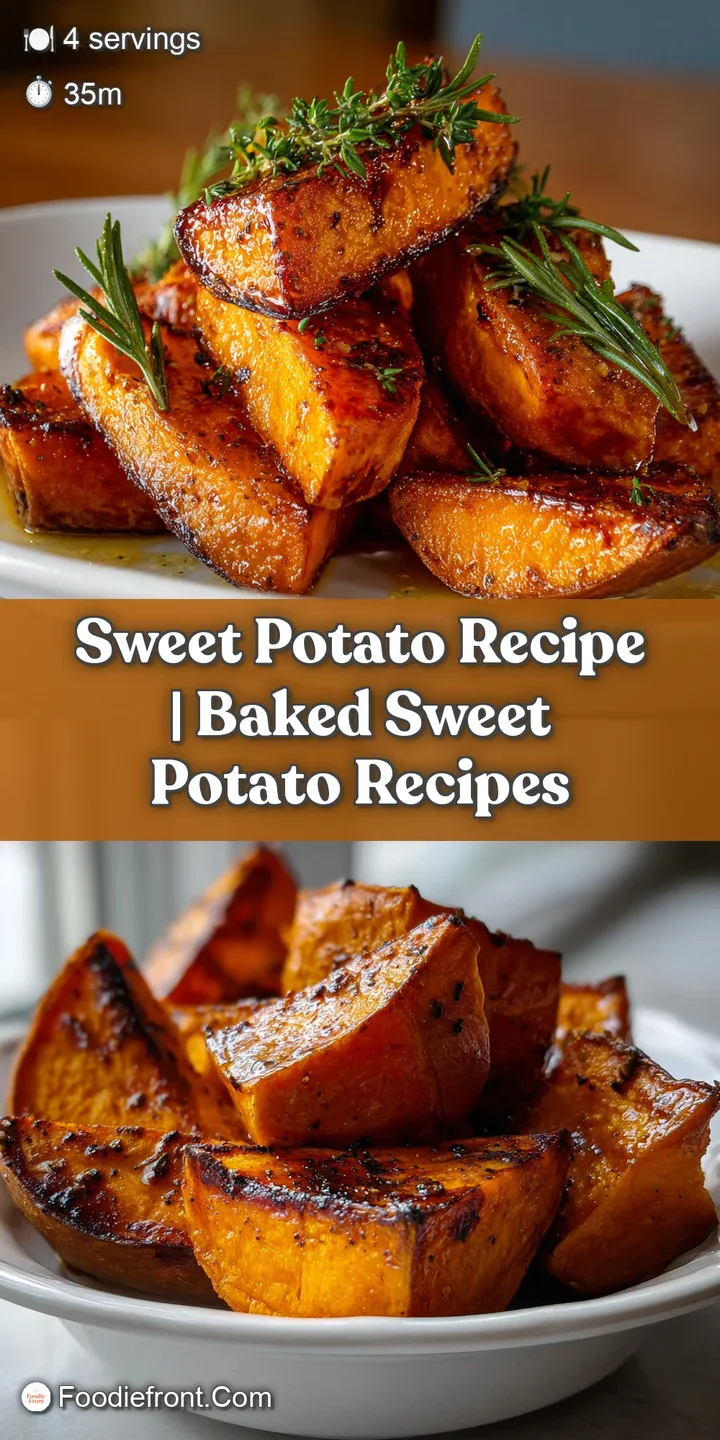
Recipe FAQs
What is the best method of cooking sweet potatoes?
Roasting in the oven at high heat (425°F). This method allows for caramelization and creates crispy edges with a tender interior. If you enjoyed mastering the high heat searing technique here, see how the same principle works in our Simple Roasted Broccoli with Parmesan: Crispy Finish.
What's the best way to eat sweet potatoes?
Roasted with a balance of sweet and savory flavors. They pair wonderfully as a side dish with savory mains, or can be enjoyed on their own. For a different twist on a classic comfort food, try them in our French Toast for One: Quick Single Serving Recipe for a sweet start to your day.
What goes well with sweet potatoes for dinner?
Rich meats, savory stews, or hearty grain dishes. Roasted sweet potatoes offer a sweet contrast that cuts through the richness of proteins like pork or beef. They are also excellent alongside vegetarian options.
Why do you need to soak sweet potatoes before cooking?
You generally do not need to soak sweet potatoes for crispiness. Soaking is more effective for white potatoes to remove surface starch. For sweet potatoes, soaking can add moisture, potentially leading to a less crispy result.
How do I get crispy sweet potatoes?
Roast at high heat with plenty of space between pieces. Ensure the oven is preheated to at least 400°F (ideally 425°F), and spread the cubed potatoes in a single layer on a baking sheet so air can circulate. Don't overcrowd the pan, as this leads to steaming rather than roasting.
Can I cook sweet potatoes in a slow cooker?
Yes, slow cookers work well for tender sweet potatoes. While roasting offers crispier edges, a slow cooker yields incredibly tender and moist results, perfect for mashing or incorporating into other dishes. For a similar slow cooked simplicity, explore our Pinto Beans Slow Cooker Recipe: No Soak.
What temperature should sweet potatoes be roasted at?
High heat, typically between 400°F and 425°F (200°C to 220°C). This temperature is crucial for achieving caramelization and a crispy exterior before the interior becomes mushy. Lower temperatures can result in a softer, less desirable texture.
Sweet Potato Recipe
Ingredients:
Instructions:
Nutrition Facts:
| Calories | 268 kcal |
|---|---|
| Protein | 3.6 g |
| Fat | 7.1 g |
| Carbs | 49.2 g |
| Fiber | 6.8 g |
| Sugar | 12.8 g |
| Sodium | 592 mg |
