Smoked Chuck Roast: Brisket Flavor
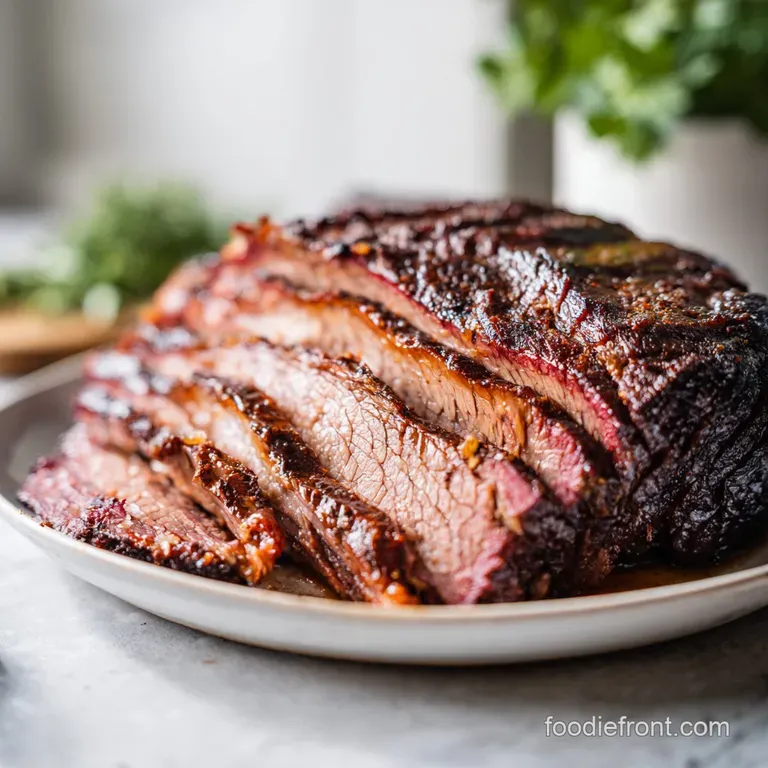
- Time: Active 20 minutes, Passive 8 hours 40 mins, Total 9 hours
- Flavor/Texture Hook: Velvety, melt in-your mouth beef with a peppery, crackling bark
- Perfect for: Sunday family dinners, low stress backyard hosting, or meal prep enthusiasts
- Master the Ultimate Smoked Chuck Roast Today
- Why This Smoked Beef Becomes So Tender
- Timing and Temperature for Perfect Results
- Ingredients for the Ultimate Beef Rub
- Tools for a Seamless Smoke Session
- Step-by-Step Guide to Smoky Perfection
- Solving Common Smoked Beef Problems
- Easy Swaps for Different Dietary Needs
- Storing and Reusing Your Leftover Beef
- Serving Ideas for a Family Feast
- Debunking Common Smoked Beef Myths
- Very High in Sodium
- Recipe FAQs
- 📝 Recipe Card
Master the Ultimate Smoked Chuck Roast Today
Picture this. It’s early Sunday morning, the air is still a bit crisp, and the first wisps of blue smoke are dancing out of the pellet grill. I remember the first time I tried this - I was terrified I’d end up with a dry, gray block of meat that tasted like a campfire.
Instead, as the fat started to sizzle and render, that 3.5 lb center cut beef chuck roast transformed. The aroma of toasted black pepper and garlic wafted through the yard, and I knew we were in for something special.
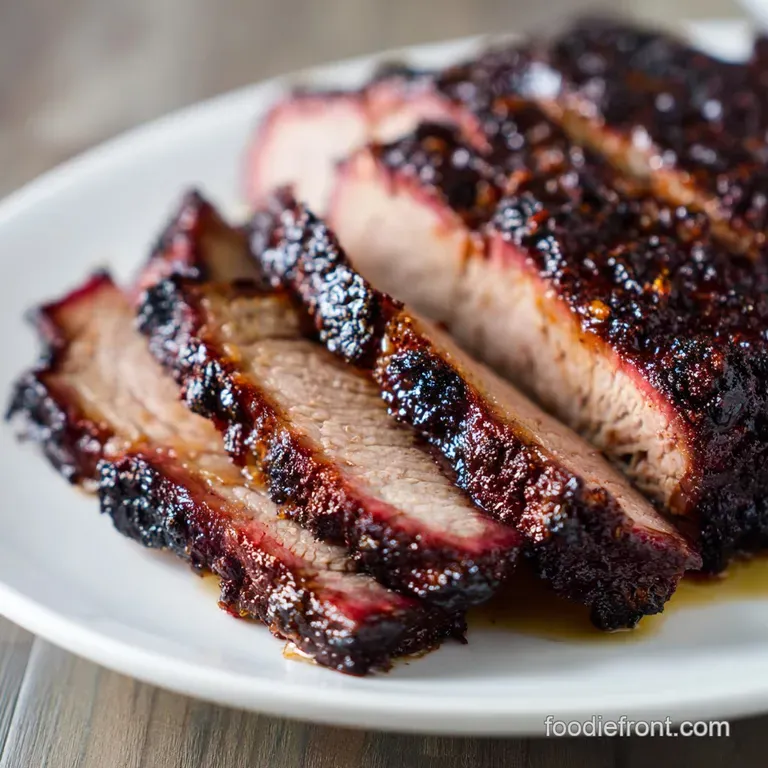
When I finally pulled it off the grates after nearly nine hours, the bark didn't just look good, it had that satisfying shatter when the knife first pierced the surface. Inside, the meat was so tender it practically surrendered to the fork.
It’s become a staple for our family dinners because it’s half the price of a brisket but brings all that same hearty, comforting soul to the table. We usually pile it high on plates next to some creamy mash, and honestly, there are rarely leftovers.
This isn't about fancy gourmet techniques or expensive kitchen gadgets. We’re sticking to the basics that actually work for a busy home cook. You don't need to be a pitmaster to get this right. You just need a little patience and a few pantry staples.
Trust me on this, once you see your family’s faces when you set this down, you’ll never go back to pot roast again.
Why This Smoked Beef Becomes So Tender
Getting that "sliceable like butter" texture isn't magic, it's just biology doing its thing under heat.
- The Collagen Meltdown: Slow heat at 225°F (110°C) gradually converts tough connective collagen into silky gelatin, which lubricates the muscle fibers for a velvety mouthfeel.
- Surface Tension Binder: Using yellow mustard creates a tacky surface that allows the heavy rub to stick without washing away, ensuring the bark doesn't slide off during the cook.
- The Stall Management: Wrapping the meat halfway through prevents evaporative cooling, which is the science behind why meat temperature often gets stuck for hours.
- Maillard Magic: The combination of salt, heat, and protein creates a complex chemical reaction on the exterior, resulting in that dark, savory crust we all crave.
The Physics of the Collagen Breakdown
To get the best results, you need to know exactly when the magic happens. Unlike a steak, this roast needs to hit a specific internal temperature to ensure the tough fibers have fully surrendered.
| Roast Thickness | Internal Temp | Rest Time | Visual Cue |
|---|---|---|---|
| 2 inches | 200°F - 205°F | 45 minutes | Probe slides in like room temp butter |
| 3 inches | 200°F - 205°F | 60 minutes | Meat jiggles slightly when tapped |
| 4 inches | 200°F - 205°F | 90 minutes | Bark is dark mahogany and firm |
Meat continues to cook after you pull it off the grill, a process called carryover cooking. Letting the roast rest allows the juices to redistribute back into the center of the meat instead of spilling out onto your cutting board. If you cut it too early, you lose all that moisture we worked so hard to keep.
Timing and Temperature for Perfect Results
Every piece of beef is a little different, but having a roadmap makes the process much less intimidating for a weekend cook.
Component Analysis
| Ingredient | Science Role | Pro Secret |
|---|---|---|
| Black Pepper | Bark Structure | Use "16 mesh" coarse grind so it doesn't dissolve and disappear. |
| Kosher Salt | Moisture Retention | Salt denatures proteins, allowing them to hold onto more water. |
| Apple Cider Vinegar | Acidic Tenderizer | The mild acid in the spritz helps break down surface proteins. |
| Unsalted Butter | Fat Infusion | Adding butter during the wrap mimics the fat content of higher grade cuts. |
When selecting your beef, look for a "center cut" chuck. This usually has the most even thickness, which means it will cook consistently across the whole piece. If one side is much thinner than the other, that side will dry out before the thick part is even close to being done.
Ingredients for the Ultimate Beef Rub
Right then, let's look at what we’re working with. You probably have most of this in your cabinet already.
- 3.5 lb center cut beef chuck roast: Why this? It has the perfect fat to lean ratio for long smoking sessions.
- 2 tbsp yellow mustard: Why this? It's the ultimate binder; the vinegar tang disappears during the cook.
- 1/4 cup unsalted butter: Why this? Adds richness during the wrap phase to prevent dryness.
- 2 tbsp coarse black pepper: Why this? Provides the "bite" and essential texture for the bark.
- 1.5 tbsp kosher salt: Why this? Enhances flavor and helps the exterior dehydrate into a crust.
- 1 tsp granulated garlic: Why this? Adds a savory base note that complements the beef.
- 1 tsp onion powder: Why this? Provides a subtle sweetness that balances the salt.
- 0.5 tsp smoked paprika: Why this? Gives the roast a beautiful deep red hue.
- 0.5 cup apple cider vinegar: Why this? Keeps the surface moist and helps smoke adhere.
- 0.5 cup water: Why this? Dilutes the vinegar so it doesn't overpower the beef flavor.
| Original Ingredient | Substitute | Why It Works |
|---|---|---|
| Yellow Mustard | Olive Oil | Provides a tacky surface for the rub to stick to. |
| Apple Cider Vinegar | Beef Broth | Adds savory depth instead of tang. Note: Won't tenderize as well. |
| Unsalted Butter | Beef Tallow | Pure beef fat that adds a more "authentic" steakhouse flavor profile. |
If you’re looking to round out the meal, this beef pairs beautifully with a bird prepared using my Smoked Turkey recipe. The lightness of the turkey provides a great contrast to the rich, heavy beef.
Tools for a Seamless Smoke Session
You don't need a thousand dollar setup to make a killer Smoked Chuck Roast. Keep it simple and focus on temperature control.
- A Pellet Grill or Smoker: Whether it's a Traeger, Pit Boss, or a classic offset, consistency is key.
- Instant Read Meat Thermometer: This is non negotiable. Don't guess. Use a probe to know exactly what's happening inside.
- Butcher Paper or Heavy Duty Foil: I prefer pink butcher paper because it lets the meat breathe while still keeping it moist.
- Spray Bottle: For the spritz. A cheap plastic one from the dollar store works perfectly fine.
- Small Mixing Bowl: To combine your dry rub ingredients evenly.
Chef's Tip: Freeze your butter for 10 minutes before the wrap phase and then use a cheese grater to shred it over the meat. This ensures even melting and prevents the butter from just sliding off the sides in one big chunk.
step-by-step Guide to Smoky Perfection
- Prep the meat. Remove the 3.5 lb center cut beef chuck roast from the fridge and pat it completely dry with paper towels. Note: Moisture on the surface prevents the binder from sticking.
- Apply the binder. Slather the 2 tbsp yellow mustard over every inch of the beef, including the sides.
- Season heavily. Mix the salt, pepper, garlic, onion powder, and paprika, then sprinkle it generously over the roast until no red meat is visible.
- Fire up the grill. Preheat your smoker to 225°F (110°C) using oak or hickory pellets for a classic beefy flavor.
- Start the smoke. Place the beef on the grates and close the lid. Let it smoke for about 3 to 4 hours without opening the door.
- Spritz for moisture. Mix the 0.5 cup apple cider vinegar and 0.5 cup water in a bottle and spray the roast every hour until the surface looks dark and set.
- The Wrap Phase. Once the internal temp hits 165°F (74°C), place the roast on butcher paper, top with 1/4 cup unsalted butter, and wrap it tightly.
- Finish the cook. Return the wrapped beef to the smoker and continue cooking until the internal temperature reaches 202°F (94°C).
- The Final Rest. Remove the beef and let it sit in a room temperature spot for at least 45 minutes before slicing. Note: This prevents the juice from rushing out.
If you're feeling adventurous with your flavors, try adding a dash of my Rajun Cajun Seasoning recipe to the rub. It adds a spicy kick that works surprisingly well with the smoky beef fat.
Solving Common Smoked Beef Problems
Even with the best intentions, things can go sideways. Here is how to fix it before dinner is ruined.
Why Your Chuck Roast Is Tough
If the meat is still chewy or tough, you likely pulled it too early. Even if it reached 190°F, that collagen might not have fully melted yet. Every animal is different. The "probe tender" test is more important than the exact number.
Why Your Beef Is Dry
Dryness usually comes from skipping the wrap or not adding enough fat during the later stages of cooking. Since chuck is leaner than brisket, it needs that extra help from the butter or a bit of beef tallow in the wrap to stay juicy.
| Problem | Root Cause | Solution |
|---|---|---|
| Bitter Taste | "Dirty" or thick white smoke | Ensure your pellets are dry and smoke is thin and blue. |
| Soft, Mushy Bark | Wrapped too early with too much liquid | Wait until the bark is hard and "set" before wrapping the meat. |
| Meat is Too Salty | Rub was too thick with fine salt | Always use coarse Kosher salt; it’s harder to over salt with big flakes. |
Common Mistakes Checklist
- ✓ Pat the beef completely dry before applying mustard (helps binder stick).
- ✓ Preheat the smoker for at least 20 minutes to ensure a clean burn.
- ✓ Never use "low-fat" butter or margarine for the wrap it contains too much water.
- ✓ Don't peek! Opening the lid drops the temperature and adds 15 minutes to the cook.
- ✓ Use a water pan in the smoker to keep the environment humid.
Easy Swaps for Different Dietary Needs
If you’re cooking for a crowd with different needs, this Smoked Chuck Roast is actually quite flexible.
- For Keto/sugar-free: The recipe as written is already keto friendly! Just ensure your mustard doesn't have added honey or sugar.
- For a gluten-free Version: Check the label on your granulated garlic and onion powder to ensure no anti caking agents containing gluten were used.
- Low Sodium Option: Reduce the salt in the rub to 0.5 tbsp and add 1 tbsp of smoked paprika to maintain the color and depth without the salt punch.
Smoked Chuck Roast Serving Guide
| Servings | Ingredient Adjustments | Pan Size | Cook Time |
|---|---|---|---|
| 4 people | 2 lb roast, half all spices | 9x9 inch foil tray | 6 - 7 hours |
| 8 people | 3.5 lb roast (as written) | 9x13 inch foil tray | 8 - 9 hours |
| 16 people | Two 3.5 lb roasts | Two trays | 9 - 10 hours |
When scaling up to cook two roasts at once, make sure there is at least 3 inches of space between them on the grill grates. If they are touching, the smoke won't reach the sides, and you'll end up with "gray" spots where the bark never formed.
Storing and Reusing Your Leftover Beef
One of the best things about a Smoked Chuck Roast is that it actually tastes better the next day as the flavors have time to fully meld.
- Fridge: Store in an airtight container for up to 4 days. Keep it in large chunks rather than slicing it all at once to prevent drying out.
- Freezer: Wrap tightly in plastic wrap, then foil, and freeze for up to 3 months.
- Zero Waste Tip: Don't throw away the fat trimmings or the liquid left in the butcher paper! That "liquid gold" is packed with smoke flavor. Use it to sauté onions for a gravy, or stir it into a pot of beans for a massive flavor boost.
For a quick weeknight meal using leftovers, I love to shred the beef and toss it with a little bit of my Habanero Tomato Hot recipe for the ultimate smoky beef tacos.
Serving Ideas for a Family Feast
When it comes to the table, presentation is everything. Don't just dump the meat on a plate.
Since this is a hearty family meal, I like to serve it on a large wooden board. Slice the beef against the grain this is crucial! If you slice with the grain, the meat will feel stringy and tough in your mouth. By cutting across those long fibers, you make the meat feel much more tender.
Fanning the slices out and drizzling a little of those resting juices over the top makes it look like it came straight from a professional BBQ joint. If you have some fresh parsley or chives, a quick sprinkle adds a pop of color that breaks up the deep mahogany of the bark.
Smoked Beef Cooking Methods
| Method | Time | Texture | Best For |
|---|---|---|---|
| Pellet Grill | 8 - 9 hours | Firm bark, deep smoke | Authentic BBQ flavor |
| Charcoal + Wood | 7 - 8 hours | Intense smoke flavor | Experienced pitmasters |
| Oven (Shortcut) | 5 - 6 hours | Soft, pot roast like | Busy weeknights (No smoke) |
Debunking Common Smoked Beef Myths
There are a lot of old wives' tales in the BBQ world that can actually lead you astray.
Myth: You must soak your wood chips or pellets. Truth: Wet wood doesn't create better smoke; it creates steam. Steam lowers the temperature of the fire and can lead to creosote buildup, which makes the meat taste like bitter ash. Keep your fuel dry for that clean, blue smoke.
Myth: Searing the meat first "locks in" the juices. Truth: Searing creates flavor through the Maillard reaction, but it doesn't create a waterproof seal. Moisture loss happens regardless of searing. In a long smoke, the "sear" happens naturally over hours as the bark forms.
Myth: The smoke ring indicates how much flavor is in the meat. Truth: The pink smoke ring is a chemical reaction between nitrogen dioxide and the meat's myoglobin. It looks beautiful, but it doesn't actually have a flavor.
You can have a flavorless meat with a deep ring, or a delicious roast with no ring at all. It's all about the seasoning and the quality of the beef!
Very High in Sodium
1180 mg mg of sodium per serving (51% of daily value)
The American Heart Association recommends limiting sodium intake to no more than 2,300mg per day for most adults.
Tips to Reduce Sodium in Your Pot Roast:
-
Reduce Added Salt-25%
The recipe uses 1.5 tbsp of kosher salt, which is a significant source of sodium. Reduce the amount of salt by half, or even eliminate it entirely, and taste as you go. You can always add more, but you can't take it away. Start with 0.75 tbsp and adjust to taste.
-
Spice It Up!
Instead of relying on salt for flavor, enhance the pot roast with more herbs and spices. Consider adding smoked paprika, garlic powder, onion powder, or black pepper.
-
Unsweetened Apple Cider-5%
Ensure that the apple cider vinegar you are using is unsweetened, as some brands may add sodium containing preservatives. Check the nutrition label to confirm.
Recipe FAQs
How long does it take to smoke a chuck roast?
Expect 8 to 10 hours total. This time accounts for about 4 hours unwrapped for bark development, followed by wrapping until the internal temperature reaches 202°F, plus a 45-minute rest.
How long to smoke a 2.5 lb chuck roast at 275 degrees?
Adjust time down to approximately 6 to 7 hours total. The lower weight cooks faster, so monitor closely once it passes the initial stall phase, aiming for the 202°F final temperature.
Is it worth smoking a chuck roast?
Yes, it absolutely is worth the time. Smoking transforms this budget cut into incredibly tender, rich meat that rivals pricier cuts like brisket when cooked low and slow.
What are some common mistakes when smoking chuck roast?
Pulling the meat before it reaches probe tenderness is the main issue. Many home cooks stop once they hit 195°F, but the collagen often needs that final push toward 202°F to fully render into gelatin.
Why is my smoked chuck roast tough?
It was pulled before the connective tissues broke down sufficiently. Achieving that melt-in-your mouth texture requires patience; if you enjoyed mastering the temperature precision here, apply that same focus to our Venison Stroganoff recipe where slow cooking is also key.
Should I wrap my chuck roast and when?
Yes, you should wrap it to power through the stall. Wait until the internal temperature hits 165°F before wrapping it tightly in butcher paper or foil, which helps push past the temperature plateau.
What internal temperature should I aim for before resting?
Target an internal temperature between 200°F and 205°F. This range ensures that the tough collagen has converted completely into soft gelatin, providing that buttery texture.
Smoked Chuck Roast Tender Bbq
Ingredients:
Instructions:
Nutrition Facts:
| Calories | 542 calories |
|---|---|
| Protein | 40 g |
| Fat | 41 g |
| Carbs | 1.2 g |
| Fiber | 0.3 g |
| Sugar | 0.2 g |
| Sodium | 1180 mg |
