Pesto Alfredo Pasta: Velvety Cream Meets Zesty Basil
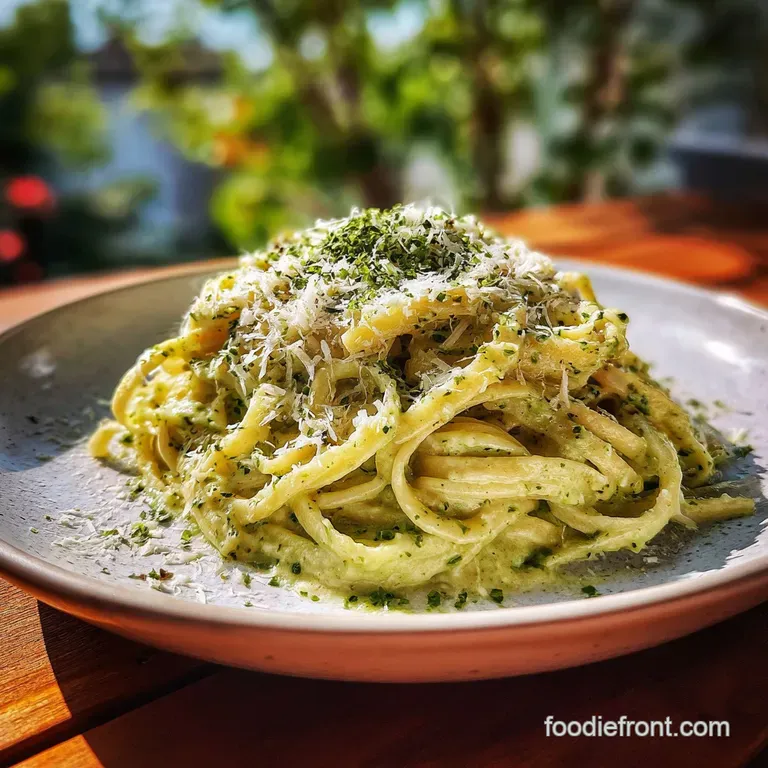
- Time: Active 15 minutes, Passive 10 minutes, Total 25 minutes
- Flavor/Texture Hook: Velvety cream meets zesty, nut forward basil
- Perfect for: Busy weeknight family dinners or a comforting date night
- Master This Creamy Pesto Alfredo Pasta
- The Science of Silky Sauces
- Recipe Dimensions and Timing
- Component Analysis and Deep Dive
- Primary Ingredients and Smart Swaps
- Essential Tools for Success
- Cooking the Perfect Pasta Dish
- Troubleshooting and Common Mistakes
- Hearty Family Flavor Variations
- Scaling and Volume Adjustments
- Kitchen Myths and Facts
- Storage and Waste Prevention
- Plating and Garnishing Guide
- High in Sodium
- Recipe FAQs
- 📝 Recipe Card
Master This Creamy Pesto Alfredo Pasta
The first time I tried to make this, it was a complete disaster. I had the chicken sizzling away in the pan, the aroma of garlic was filling the kitchen, but I made the mistake of dumping the pesto in too early and using pre shredded cheese.
The sauce broke into a greasy mess, and the vibrant green pesto turned a sad, muddy brown. I stood there over the stove, staring at a ruined dinner, wishing I'd known the simple chemistry of emulsion.
But that's the beauty of home cooking. We learn from the curdled sauces and the burnt garlic. Since that night, I’ve refined this Pesto Alfredo Pasta into a reliable, foolproof method that my family asks for at least once a week.
It’s the kind of meal where the pan chatter that rhythmic sizzle of chicken hitting the oil promises something truly comforting.
We're going to create a sauce that is thick enough to coat a spoon but light enough that you'll want seconds. By understanding how to stabilize heavy cream and when to whisk in those delicate basil oils, you’ll achieve a glossy, restaurant style finish every single time.
Let’s get the water boiling and talk about why this method actually works.
The Science of Silky Sauces
Emulsion Stability: Heavy cream and butter are high fat liquids that require gentle heat to stay bonded without separating into oil and solids. By keeping the temperature just below a rolling boil, the proteins in the cream act as a natural stabilizer for the melting butter and cheese.
Starch Suspension: The 0.5 cup of reserved pasta water contains dissolved starches that act as a bridge between the fat heavy sauce and the smooth pasta. This "liquid gold" ensures the sauce clings to the fettuccine instead of sliding off to the bottom of the bowl.
Chlorophyll Protection: Basil pesto is highly sensitive to oxidation and heat, which causes it to lose its bright green hue. Adding the pesto at the very end using residual heat preserves the fresh flavor and the vibrant color of the herbs.
| Method | Time | Texture | Best For |
|---|---|---|---|
| Stovetop | 25 minutes | Ultra creamy and glossy | Immediate serving and best texture |
| Oven Finish | 40 minutes | Slightly thickened with a crust | Making ahead or feeding a larger crowd |
| Slow Cooker | 3 hours | Very soft pasta, integrated flavor | Hands off prep (needs pasta added at end) |
Cooking this dish on the stovetop is my absolute favorite way to go because you have total control over the emulsion. You can see the moment the cheese melts into the cream, turning it from a thin liquid into a velvety coating. If you’re looking for a similarly satisfying meal that uses a slightly different flavor profile, you might enjoy my Beef Italian Sausage recipe which also focuses on building deep, savory foundations in a single pan.
Recipe Dimensions and Timing
| Requirement | Metric | Importance |
|---|---|---|
| Pasta Weight | 1 lb | Ensures the sauce to noodle ratio is perfectly balanced |
| Chicken Prep | 0.25 inch thickness | Allows for a quick sear without drying out the meat |
| Water Reserve | 0.5 cup | Essential for adjusting sauce thickness at the finish |
Component Analysis and Deep Dive
| Ingredient | Science Role | Pro Secret |
|---|---|---|
| Heavy Cream | Primary emulsifier | Use room temperature cream to prevent the sauce from "shocking" and breaking |
| Parmigiano Reggiano | Flavor and thickness | Grate it yourself on a microplane; the high surface area makes it melt instantly |
| European Butter | Fat content | European styles have less water, leading to a richer, more stable sauce |
| Basil Pesto | Aromatic finish | Look for oil based pesto rather than cream based to control the final texture |
Primary Ingredients and Smart Swaps
- 1 lb chicken breast: Sliced into thin medallions. Why this? Thin slices cook in under 4 minutes, staying juicy and tender.
- Substitute: Boneless chicken thighs for more fat and flavor, though they take 2 minutes longer.
- 1 lb fettuccine pasta: The classic wide noodle. Why this? The surface area is ideal for holding onto thick, creamy sauces.
- Substitute: Penne or fusilli. These "short" pastas have ridges that trap the pesto beautifully.
- 1.5 cups heavy whipping cream: The base of our Alfredo. Why this? High fat content (36%+) prevents the sauce from curdling when mixed with cheese.
- Substitute: Half and half mixed with 1 tsp cornstarch. Note: It will be thinner and less rich.
- 1 cup freshly grated Parmigiano Reggiano: The salty backbone. Why this? Aged cheese provides a sharp umami kick that balances the sweet cream.
- Substitute: Pecorino Romano. It’s saltier and tangier, so reduce the added sea salt.
- 0.5 cup unsalted European butter: For silkiness. Why this? Unsalted allows you to control the seasoning precisely.
- Substitute: Salted butter, but skip the 0.5 tsp sea salt in the chicken seasoning.
- 0.33 cup basil pesto: The star flavor. Why this? Adds garlic, pine nuts, and herb notes in one concentrated punch.
- Substitute: Spinach pesto. It stays green longer but has a milder, earthier flavor.
- 2 cloves garlic: Microplaned for intensity.
- Substitute: 0.5 tsp garlic powder if you're in a massive hurry.
- 1 tbsp extra virgin olive oil: For searing.
- 0.5 tsp sea salt & 0.25 tsp black pepper: Basic seasoning.
Essential Tools for Success
You don't need a professional kitchen, but a few specific tools make this much easier. A large heavy bottomed skillet (like a Lodge cast iron or a thick stainless steel pan) is non negotiable for getting that golden sear on the chicken.
You’ll also want a microplane for the garlic and cheese; the finer the grate, the faster it melts into the sauce without leaving gritty clumps.
Chef's Tip: Freeze your block of Parmigiano Reggiano for just 10 minutes before grating. It makes the cheese firmer and prevents it from gumming up your grater, resulting in those airy, "cloud like" shreds that dissolve instantly.
Cooking the Perfect Pasta Dish
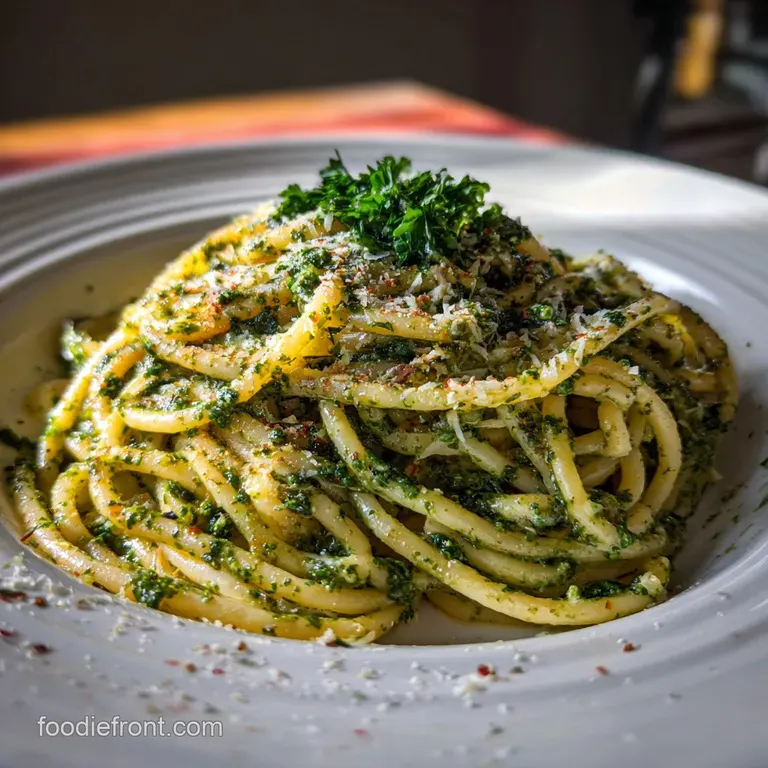
- Boil the water. Fill a large pot with water and a generous pinch of salt, then bring to a rolling boil.
- Season the protein. Toss your 1 lb of sliced chicken medallions with 0.5 tsp sea salt and 0.25 tsp black pepper.
- Sear the chicken. Heat 1 tbsp olive oil in a large skillet over medium high heat and cook chicken for 2 minutes per side until golden and opaque. Note: Don't overcook here; they will finish in the sauce later.
- Cook the pasta. Drop 1 lb fettuccine into the boiling water and cook for 1 minute less than the package instructions until slightly firm (al dente).
- Save the water. Before draining, scoop out 0.5 cup of the cloudy pasta water and set it aside.
- Create the base. Wipe the chicken skillet clean, lower heat to medium, and melt 0.5 cup butter until foamy and fragrant.
- Infuse the garlic. Add 2 cloves of microplaned garlic to the butter for 30 seconds until the scent fills the room.
- Thicken with cream. Pour in 1.5 cups heavy cream and simmer for 3 minutes until tiny bubbles form at the edges.
- Melt the cheese. Whisk in 1 cup Parmigiano Reggiano slowly until the sauce is smooth and glossy.
- Combine and finish. Toss the pasta and chicken into the sauce, add the 0.33 cup pesto and 0.5 cup pasta water, and stir for 1 minute until the sauce hugs every noodle.
Troubleshooting and Common Mistakes
Why Your Sauce Is Gritty
If your sauce feels like it has tiny grains in it, the cheese likely didn't melt properly. This usually happens if you use pre shredded cheese from a bag, which is coated in potato starch to prevent sticking. That starch won't melt into the sauce; it stays as a sandy texture.
Always grate from a block for that velvety finish.
Why Your Pesto Turned Brown
Basil is very sensitive. If you boil the pesto in the sauce for several minutes, the heat will break down the chlorophyll. The flavor will still be okay, but the vibrant green will vanish. Always stir the pesto in at the very end, once the pan is off the main heat source.
| Problem | Root Cause | Solution |
|---|---|---|
| Thin/Watery Sauce | Not enough reduction or no pasta water | Simmer for 2 more minutes or add extra cheese |
| Broken/Oily Sauce | Heat was too high during cheese addition | Remove from heat and whisk in 1 tbsp of cold cream |
| Sticky Pasta | Pasta sat too long after draining | Toss with a splash of warm water before adding to sauce |
Common Mistakes Checklist
- ✓ Never rinse your pasta after boiling; you need that starch for the sauce to stick.
- ✓ Don't add the pesto to the boiling pasta water; keep it for the final assembly.
- ✓ Use a whisk, not a spoon, when adding cheese to ensure it incorporates fully.
- ✓ Pat the chicken completely dry with paper towels before searing to get a better crust.
- ✓ Warm your serving bowls in the oven (lowest setting) to keep the cream sauce from seizing up.
Hearty Family Flavor Variations
If you're looking to change things up, this base is incredibly flexible. For a "Zingy Mediterranean" version, I love adding half a cup of halved cherry tomatoes and a tablespoon of drained capers right at the end. The acidity of the tomatoes cuts through the heavy cream perfectly. If you want something earthier, try my Parmesan Spinach Mushroom recipe as a side or a replacement for the chicken.
For those who need a dairy-free adaptation, you can swap the heavy cream for full fat canned coconut milk and use a vegan parmesan alternative. Just be aware that the coconut milk will add a slight tropical sweetness, so I usually double the garlic and add a pinch of red pepper flakes to balance it out.
It won't be a traditional Alfredo, but it hits that same "comfort food" note for the family.
Scaling and Volume Adjustments
- To Half the Recipe: Use a smaller skillet to prevent the cream from evaporating too quickly. Use 1 small egg yolk whisked into the cream to help maintain the richness since you'll have less volume. Reduce simmer time by about 20%.
- To Double the Recipe: Work in batches for the chicken to ensure a good sear. When doubling the sauce, only increase the garlic and pesto to 1.5x the original amount first, then taste. Spices and aromatics can become overwhelming when doubled strictly.
- For Large Crowds: Bake the finished pasta in a 9x13 dish at 350°F for 15 minutes. Add an extra 0.5 cup of cream to the recipe to prevent it from drying out in the oven.
Kitchen Myths and Facts
One common myth is that you must add olive oil to your pasta water to keep the noodles from sticking. In reality, this just creates an oily film on the pasta that prevents our beautiful Pesto Alfredo sauce from clinging to the noodles.
Just use a large enough pot and stir the pasta for the first 30 seconds after dropping it in.
Another misconception is that heavy cream needs to reach a hard boil to thicken. Boiling cream too vigorously can actually cause it to separate. A gentle simmer is all you need; the evaporation of water and the addition of cheese are what actually create the thickness, not the intensity of the heat.
Storage and Waste Prevention
Storage: This pasta is best fresh, but leftovers will keep in an airtight container in the fridge for up to 3 days. When reheating, the sauce will likely have been absorbed by the noodles.
Add a splash of milk or a teaspoon of butter before microwaving or warming on the stovetop to bring the creaminess back to life.
Freezing: I don't recommend freezing the fully assembled dish as the cream and pesto will separate and lose their texture. However, you can freeze the seared chicken medallions separately for up to 2 months.
Zero Waste: Don't toss those basil stems! If you make your own pesto, blend the stems into a soup or freeze them in an ice tray with olive oil for a flavor bomb later. If you have leftover sauce but no pasta, it makes a fantastic dipping sauce for crusty bread or a topping for roasted cauliflower.
Plating and Garnishing Guide
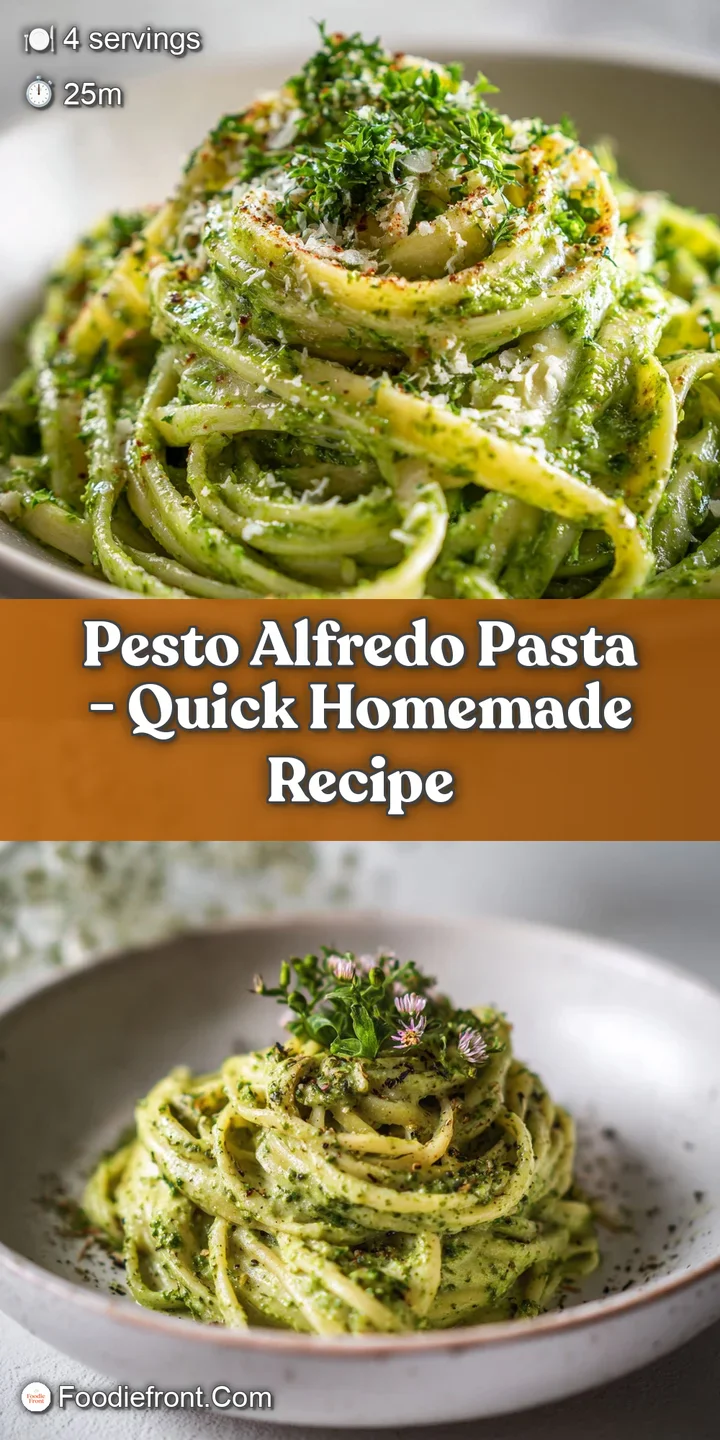
To make this look as good as it tastes, use a pair of tongs to twirl the fettuccine into a "nest" in the center of the plate. Place the chicken medallions on top rather than mixing them in completely; this highlights the golden sear we worked so hard on.
Finish with a final dusting of freshly grated Parmigiano Reggiano and a few small, torn basil leaves. If you want a bit of color contrast, a very light sprinkle of cracked black pepper or a few red pepper flakes adds visual interest and a tiny hint of heat that cuts through the rich butter.
Serve it immediately while the sauce is still at its peak glossiness. This isn't a dish that likes to wait around!
High in Sodium
1120 mg mg of sodium per serving (49% % of daily value)
The American Heart Association recommends limiting sodium intake to about 2,300mg per day for optimal heart health.
Sodium Reduction Tips for Fettuccine Alfredo
-
Reduce Parmigiano Reggiano-15%
Parmigiano Reggiano is a significant source of sodium. Reduce the amount used by 25% and consider blending with a lower sodium cheese like fresh mozzarella.
-
Cut Back on Sea Salt-12%
Reduce the amount of sea salt added to the chicken by half. You can always add more at the end, but start with less to control the sodium content. Consider using a sodium free seasoning blend instead.
-
Lower Sodium Pesto-10%
Pesto can be high in sodium, especially store-bought versions. Use half the amount of pesto, or make your own homemade pesto with no salt added. You can add herbs & spices to intensify the taste instead.
-
Unsalted Butter Matters-7%
Ensure that the butter you use is truly unsalted. Some butters may still contain a small amount of sodium, so check the label carefully.
-
Skip Brining Chicken-5%
Make sure your chicken breast has not been pre-brined. Many brands do this to increase moisture but add a large amount of sodium. Read nutrition labels carefully.
-
Spice It Up
Enhance flavor without adding sodium by using herbs and spices like garlic powder, onion powder, red pepper flakes, or Italian seasoning. Experiment to find your favorite combinations.
Recipe FAQs
Is mixing Alfredo and pesto good?
Yes, it's a fantastic combination. The creamy richness of Alfredo sauce perfectly complements the bright, herbaceous, and slightly nutty flavor of pesto, creating a balanced and luxurious dish.
Can you mix pesto and white sauce?
Absolutely. A basic white sauce, which is essentially the base for Alfredo, acts as a wonderful canvas for pesto. The fats in the white sauce help to carry the aromatic oils from the pesto, enhancing its flavor.
Do pasta and pesto go together?
Yes, they are a classic pairing. Pesto was traditionally made to coat pasta, and its vibrant flavor and texture cling beautifully to various pasta shapes. If you enjoyed mastering the sauce emulsion here, see how the same principle of creating a stable sauce applies to our Creamy Garlic Butter Shrimp Pasta: Zesty Lemon Finish.
How much pesto should I add to Alfredo?
Start with about 1/4 to 1/3 cup of pesto per pound of pasta with Alfredo sauce. You can always add more to taste, but it's best to add pesto at the very end to preserve its fresh flavor and vibrant color.
Can I make Pesto Alfredo ahead of time?
It's best served fresh, but you can prep components ahead. The sauce may thicken considerably or separate upon reheating. You can cook the pasta and chicken separately and combine them with warmed sauce and pesto just before serving for the best texture.
What's the best pasta shape for Pesto Alfredo?
Long, flat pasta shapes like fettuccine or linguine are ideal. Their wide surface area allows the rich sauce and flecks of pesto to cling effectively, ensuring every bite is perfectly coated. If you're looking for a similarly satisfying meal with a different flavor profile, you might enjoy my Beef Italian Sausage recipe which also focuses on building deep, savory foundations in a single pan.
Why does my Pesto Alfredo sauce turn brown?
Excessive heat or prolonged cooking time causes the basil in the pesto to oxidize. To prevent this, stir the pesto into the sauce only at the very end, using residual heat, after you've taken the pan off the stove.
Pesto Alfredo Pasta
Ingredients:
Instructions:
Nutrition Facts:
| Calories | 1335 kcal |
|---|---|
| Protein | 62 g |
| Fat | 81 g |
| Carbs | 89 g |
| Fiber | 4.5 g |
| Sugar | 5.2 g |
| Sodium | 1120 mg |
