Honey Balsamic Salad Dressing Recipe
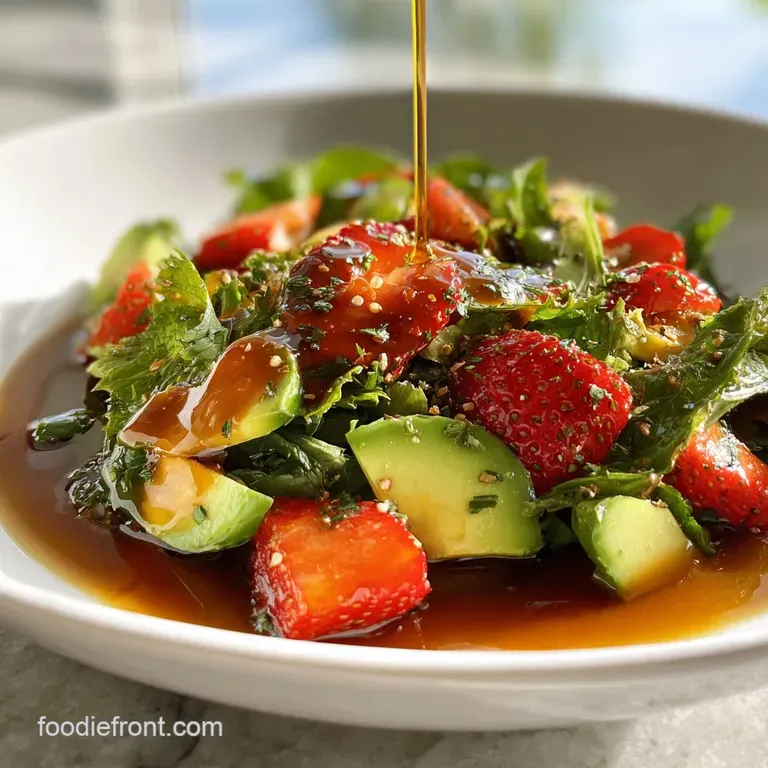
- Time: Active 5 minutes, Passive 0 minutes, Total 5 minutes
- Flavor/Texture Hook: Velvety, tangy, and shimmering
- Perfect for: Meal prep or stealing the show at dinner parties
- Create the Best Honey Balsamic Salad Dressing
- Why This Vinaigrette Succeeds
- Essential Preparation Specs
- Flavor Packed Building Blocks
- Tools for Bold Textures
- From Prep to Plate
- Solving Common Texture Issues
- Clever Variation Ideas
- Storage and Zero Waste
- Bold Flavor Pairings
- Flavor Myths
- Recipe FAQs
- 📝 Recipe Card
Create the Best Honey Balsamic Salad Dressing
The first time I really understood the power of a homemade vinaigrette, I was standing in a tiny kitchen in Florence. The air was thick with the scent of charred steak and something sharp, sweet, and intoxicating.
The cook didn't measure a thing; she just swirled dark, syrupy vinegar into a bowl of golden oil until it transformed into a thick, shimmering lacquer. When I tasted it, the flavors didn't just sit on my tongue they demanded attention.
It was a wake up call that store-bought bottles, with their watery textures and dull notes, could never compete with.
Since that day, I've spent years obsessing over the ratio. I’ve made the mistake of using "light" olive oil (don't do it, the flavor is non existent) and I’ve definitely over salted a batch or two. But this specific honey balsamic salad dressing is the result of all those trials.
It’s got that punchy, bold personality that turns a boring bowl of greens into the most talked about part of the meal. We aren't just making a sauce here; we’re building layers of flavor that actually stay together instead of separating into a greasy mess.
Why This Vinaigrette Succeeds
The secret isn't just in the ingredients, but in how they interact to create a stable, velvety coating. Most people think a dressing is just oil and vinegar shaken together, but without the right stabilizers, you’re just serving flavored oil.
- Temporary Emulsification: The Dijon mustard acts as a bridge between the water based vinegar and the fat based oil, preventing immediate separation.
- Viscosity Control: Honey provides more than just sweetness; its thick consistency adds body and "cling" to the dressing.
- Enzymatic Punch: Using fresh garlic provides a sharp, sulfurous bite that cuts through the richness of the extra virgin olive oil.
- Acid Balance: Balsamic vinegar of Modena contains natural sugars that, when paired with sea salt, create a rounded flavor profile that hits every taste bud.
The Chemistry of the Emulsion
Mustard contains mucilage, a complex carbohydrate that coats oil droplets to prevent them from recombining. This creates a thick, creamy texture that stays stable for hours rather than minutes.
| Prep Method | Speed | Texture | Best For |
|---|---|---|---|
| Hand Whisking | 2 mins | Light/Aerated | Immediate serving |
| Jar Shaking | 1 min | Thick/Viscous | Meal prep storage |
| Milk Frother | 30 secs | Ultra Creamy | Restaurant style glaze |
Choosing the right method depends on how much "work" you want the dressing to do on the plate. A jar shake is my go to for a rustic, bold feel that holds up well in the fridge.
Essential Preparation Specs
When you're working with such few ingredients, the quality of your components dictates the entire outcome. You need that 1/2 cup of extra virgin olive oil to be fresh and peppery, and your 1/4 cup of balsamic vinegar should have that deep, raisin like complexity.
Component Analysis
| Ingredient | Science Role | Pro Secret |
|---|---|---|
| Extra Virgin Olive Oil | Primary Fat Base | Use cold pressed oil for a peppery finish |
| Balsamic Vinegar | Acidic Contrast | Modena variety offers the best sugar to acid ratio |
| Dijon Mustard | Natural Emulsifier | Smooth Dijon works better than grainy for stability |
| Honey | Textural Binder | Gently warm thick honey for 5 seconds before mixing |
Each of these elements plays a specific part in the architecture of the flavor. If you're looking for a slightly different profile, you might want to check out my Low Salt Salad Dressing recipe, which focuses on building depth without the heavy sodium hit.
Flavor Packed Building Blocks
To get that show stealing taste, we need to be precise with our selection. I always reach for sea salt over table salt because the larger crystals provide a more nuanced seasoning that doesn't just disappear into the background.
- 1/2 cup extra virgin olive oil: The backbone of the dressing. Why this? Provides the velvety mouthfeel and fruity undertones.
- 1/4 cup balsamic vinegar of Modena: The star acid. Why this? Its natural sweetness balances the sharp Dijon.
- 2 tbsp honey: The sweetener. Why this? It creates a sticky, glaze like consistency.
- 1 tbsp Dijon mustard: The stabilizer. Why this? Keeps the oil and vinegar from separating into layers.
- 1 clove fresh garlic, minced: The aromatic. Why this? Adds a bold, savory kick that dried powder lacks.
- 1/2 tsp sea salt: The enhancer. Why this? Draws out the floral notes of the honey.
- 1/4 tsp freshly cracked black pepper: The spice. Why this? Provides a subtle heat that lingers on the finish.
| Original Ingredient | Substitute | Why It Works |
|---|---|---|
| Honey (2 tbsp) | Maple Syrup (2 tbsp) | Similar viscosity but adds a woody, autumnal flavor profile. |
| Balsamic Vinegar | Apple Cider Vinegar | Sharper and less sweet; will require an extra tsp of honey. |
| Dijon Mustard | Ground Mustard Powder | Provides emulsification without the vinegar tang of prepared mustard. |
Tools for Bold Textures
You don't need a high end laboratory to make a great dressing, but a few specific tools will make the process seamless. A simple wide mouth mason jar is actually superior to a bowl and whisk because it allows for high velocity agitation.
Chef's Tip: Freeze your garlic clove for 10 minutes before mincing. It makes it much easier to get those tiny, uniform pieces that melt into the vinaigrette without leaving huge, spicy chunks.
If you really want to go the extra mile, use a small battery operated milk frother. It shears the oil molecules into such tiny droplets that the dressing becomes almost as thick as mayonnaise.
This is the secret to a honey balsamic salad dressing that stays "suspended" on your salad for a full dinner party without separating.
From Prep to Plate
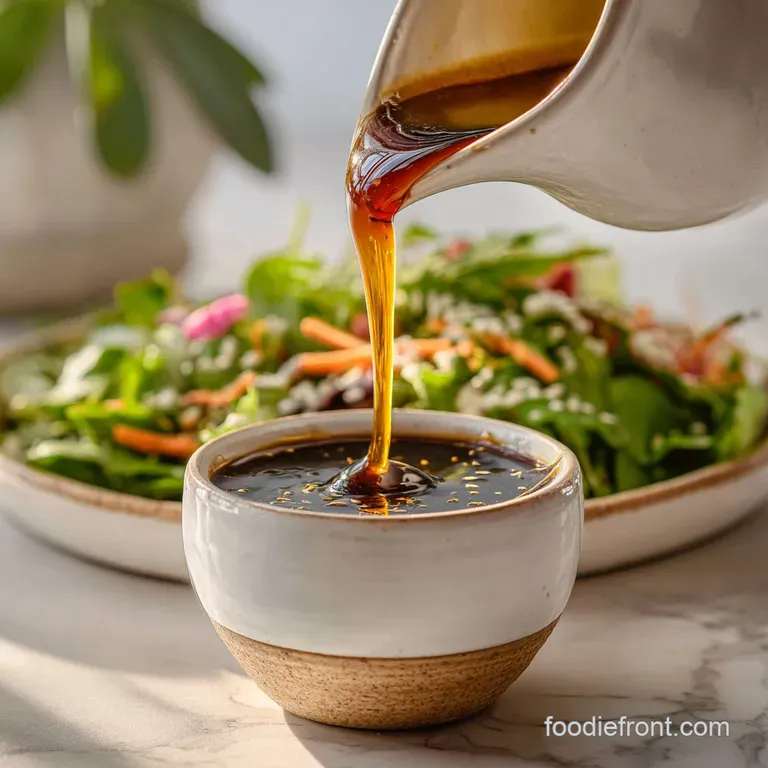
Success here is all about the order of operations. You want to hydrate your seasonings before adding the bulk of the fat to ensure the flavor is evenly distributed.
- Mince 1 clove fresh garlic. Note: Aim for a paste like consistency to avoid biting into raw garlic bits.
- Combine the 1/4 cup balsamic vinegar, 2 tbsp honey, 1 tbsp Dijon, and minced garlic in a jar.
- Add 1/2 tsp sea salt and 1/4 tsp freshly cracked black pepper to the vinegar mixture.
- Whisk or shake the base ingredients until the honey is completely dissolved.
- Pour in the 1/2 cup extra virgin olive oil slowly.
- Seal the jar tightly and shake vigorously for 30 seconds until the liquid is thick and opaque.
- Taste the dressing with a leaf of lettuce. Note: Tasting on its own is often too intense; the lettuce shows how it truly wears.
- Rest the dressing for at least 10 minutes until the garlic flavor has mellowed into the oil.
To Achieve a Permanent Emulsion
The key is high energy agitation. If you just stir with a spoon, it will separate in minutes. Shaking a jar or using a whisk creates enough friction to force the oil and vinegar to bond.
For a Velvety Viscous Texture
If your dressing feels too thin, add an extra teaspoon of honey. The sugar molecules act as a thickener, creating that "clinging" effect we’re looking for.
For a Honey Dijon Balsamic Salad Dressing
Simply double the amount of Dijon mustard. This creates a much zestier, creamier version that is fantastic as a dip for proteins or crunchy vegetables.
Solving Common Texture Issues
Sometimes things go sideways. Maybe your honey was too cold and clumped up, or perhaps the garlic you used was a bit too "angry" and sharp. Don't toss it out; these are easy fixes.
Why Your Dressing Separates
If the dressing splits within seconds, it’s usually because there wasn't enough "shear force" during mixing or the mustard to oil ratio was slightly off.
| Problem | Root Cause | Solution |
|---|---|---|
| Bitter Aftertaste | Low quality or old olive oil | Add a pinch more honey or a squeeze of orange juice. |
| Broken Emulsion | Adding oil too quickly | Add 1 tsp of warm water and shake again vigorously. |
| Too Much Garlic Bite | Raw garlic sulfur | Let the dressing sit for 2 hours; the acid will "cook" the garlic. |
Common Mistakes Checklist
- ✓ Never use "extra light" olive oil; it lacks the polyphenols needed for flavor.
- ✓ Don't skip the mustard it's the only thing holding the oil and vinegar together.
- ✓ Avoid using pre minced garlic from a jar; it has a metallic tang that ruins the balsamic.
- ✓ Make sure your honey is at room temperature so it incorporates smoothly.
- ✓ Always season with salt before the oil to ensure the crystals dissolve in the vinegar.
Clever Variation Ideas
While the classic version is hard to beat, you can easily pivot this recipe to fit different cuisines. The base of 1/2 cup oil and 1/4 cup vinegar is a golden ratio that you can play with endlessly.
If you want a lighter, more refreshing take, try using 1/2 the honey and adding a tablespoon of fresh lemon juice. This heightens the acidity and makes it perfect for summer grain salads. For a more "steakhouse" vibe, add a dash of Worcestershire sauce and a few more grinds of black pepper.
Scaling for Large Crowds
When doubling the recipe (1 cup oil, 1/2 cup vinegar), be careful with the garlic. I find that 1.5x the garlic is usually enough, as it can become overpowering in larger batches.
For a Vegan Friendly Swap
Substitute the 2 tbsp of honey with agave nectar or a high-quality maple syrup. Note that maple syrup is thinner, so you may want to add an extra half teaspoon of mustard to keep the thickness.
Storage and Zero Waste
This dressing is a meal prepper's dream. Because of the high acidity and oil content, it stays fresh in the fridge for up to 7 days. Just be aware that real extra virgin olive oil will solidify in the cold.
- Fridge: Store in an airtight jar. If it solidifies, let it sit on the counter for 10 minutes or run the jar under warm water for 30 seconds, then shake.
- Freezer: I don't recommend freezing this; the emulsion will completely break and the texture of the garlic will change.
- Zero Waste: If you have just a tablespoon of dressing left in the jar, don't wash it out! Throw in a handful of warm leftover grains (like quinoa or farro) and some chopped herbs. Shake it up for an instant, flavor packed snack. You can also use the last bits as a marinade for chicken or tofu before roasting.
Bold Flavor Pairings
This dressing isn't just for a basic garden salad. Its thick, sweet and sour profile makes it a versatile tool for roasted vegetables and proteins.
Drizzle this over my Simple Roasted Broccoli recipe for a punchy side that balances the charred, nutty flavors of the brassicas. The honey in the dressing caramelizes slightly if added to warm vegetables, creating a beautiful glaze.
It also works wonders on a Roasted Bok Choy recipe. The balsamic provides a sophisticated depth that pairs surprisingly well with the slight bitterness of the greens. For a final show stealing move, toss this dressing with fresh strawberries, spinach, and toasted pecans. The acid in the vinegar makes the berries pop, while the honey ties the earthy spinach and fatty nuts together.
Three Ways to Level Up
- If you want more crunch, add a teaspoon of toasted sesame seeds to the finished jar.
- If you want more heat, whisk in a pinch of red pepper flakes during the infusion phase.
- If you want a herb finish, finely mince fresh basil and add it just before serving.
Flavor Myths
Myth: You must use the most expensive balsamic vinegar. Truth: While "Tradizionale" balsamic is incredible, it’s too thick and expensive for a standard dressing.
A decent "Balsamic Vinegar of Modena" is actually better for vinaigrettes because its higher acidity cuts through the olive oil more effectively.
Myth: Olive oil shouldn't go in the fridge. Truth: It’s perfectly safe. The "clouding" or solidifying is just a natural reaction of the healthy fats to cold temperatures. It doesn't mean the dressing has gone bad; it just needs a little warmth to return to its shimmering, velvety state.
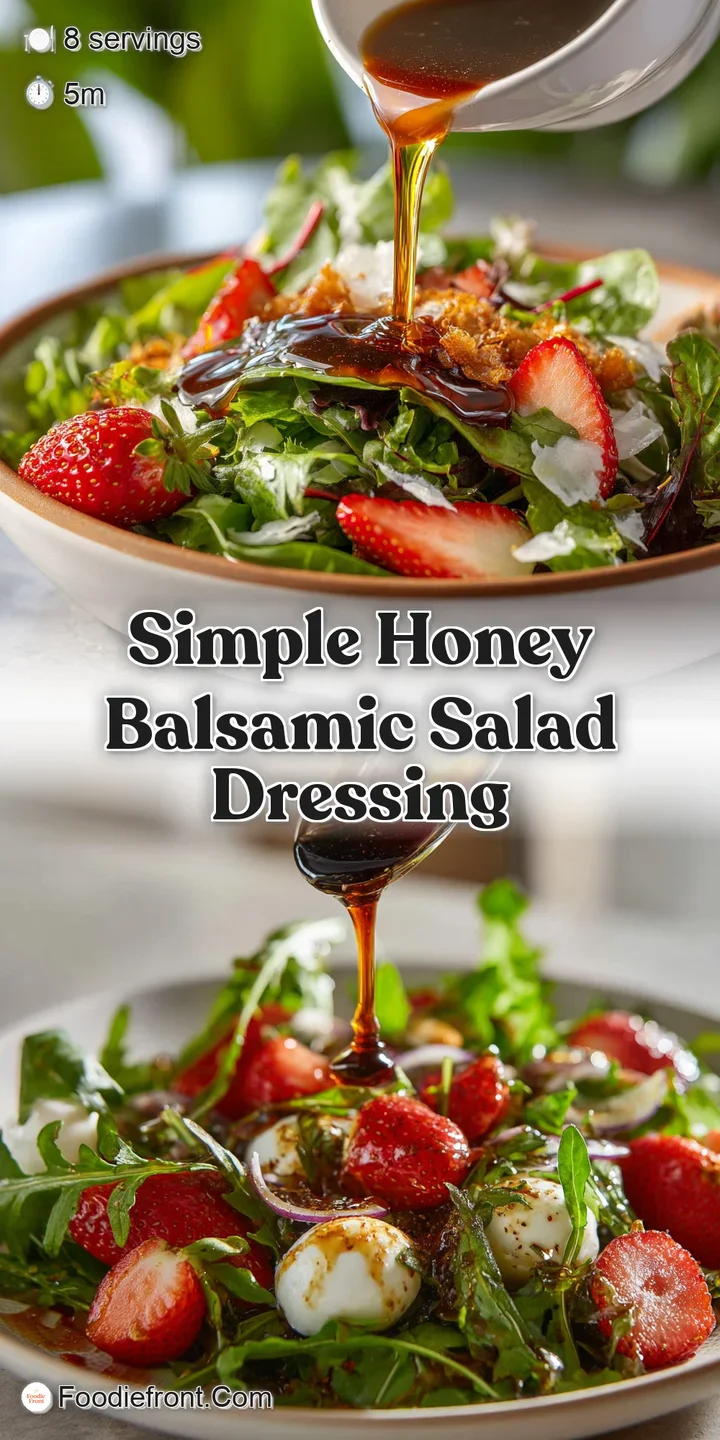
Recipe FAQs
Can you mix honey and balsamic vinegar?
Yes, absolutely, they are foundational together. The sweetness of the honey balances the sharp acidity of the vinegar, creating the perfect complex flavor profile for a dressing.
How do you make balsamic vinegar and honey salad dressing?
Combine vinegar, honey, Dijon mustard, and minced garlic in a jar first. Whisk or shake these base ingredients until the honey dissolves completely before slowly incorporating the olive oil to create a stable emulsion.
What is balsamic honey good for?
It excels as a thick glaze for roasted vegetables and proteins. The combination creates a sweet, tangy coating that clings beautifully, much like the technique used to achieve rich color and texture in our Iranian Food Recipe.
Is honey balsamic vinaigrette healthy?
Generally, yes, in moderation, as it is rich in healthy fats. While honey adds natural sugar, the dressing contains heart healthy olive oil and minimal processed ingredients compared to store-bought versions.
Do I need to let this dressing rest before serving?
Yes, resting allows the flavors to marry and mellow out. Letting it sit for at least 10 minutes lets the sharp bite of the raw garlic dissipate into the oil base.
What happens if my dressing separates after shaking?
This is common, but easily fixed by re-emulsifying. Add a teaspoon of warm water or an extra half teaspoon of Dijon mustard, then shake again vigorously to force the oil and acid molecules back together.
Can I substitute honey with maple syrup in this dressing?
Yes, you can substitute honey with maple syrup in a 1:1 ratio. Maple syrup is thinner, so you might want to add a small extra dash of Dijon mustard to maintain the desired viscosity.
Honey Balsamic Dressing Recipe
Ingredients:
Instructions:
Nutrition Facts:
| Calories | 144 kcal |
|---|---|
| Protein | 0.1 g |
| Fat | 13.6 g |
| Carbs | 5.8 g |
| Fiber | 0.1 g |
| Sugar | 5.4 g |
| Sodium | 185 mg |
