Chicken Pot Pie Skillet: Creamy and Crustless
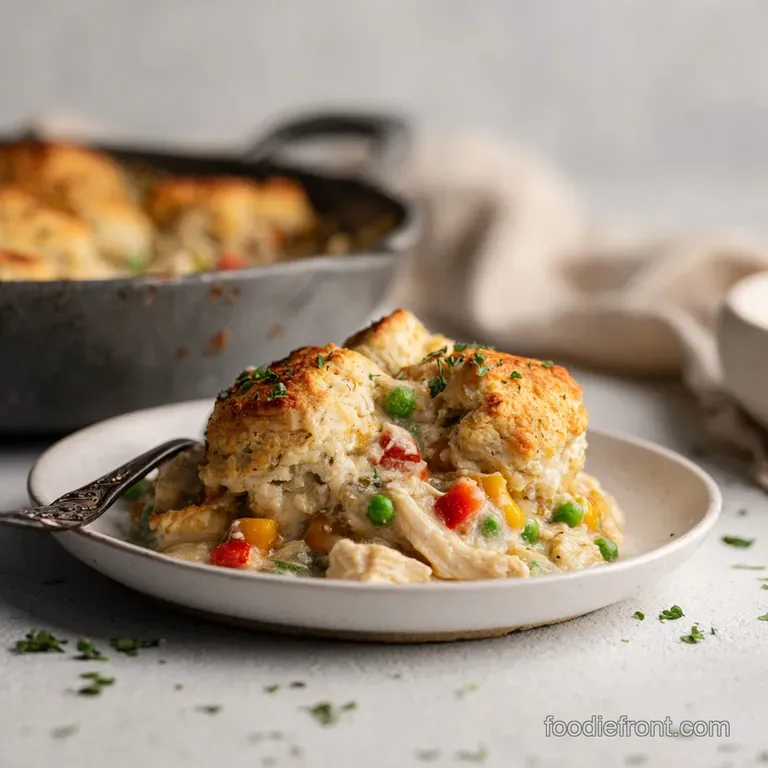
- Time: Active 10 minutes, Passive 20 minutes, Total 30 minutes
- Flavor/Texture Hook: A velvety, cream based sauce with the snap of sweet peas and savory, seared chicken.
- Perfect for: Busy weeknights when you need high protein comfort food for the whole family.
- Master Chicken Pot Pie Skillet No Crust
- Why This Hearty Skillet Works
- Essential Recipe Success Specs
- Components for Velvety Pot Pie
- Gear for Perfect One Pan Cooking
- Step-by-Step Cooking Guide
- Solving Common Sauce Issues
- Healthy Dietary Ingredient Adaptations
- Freezing and Reheating Guidelines
- Serving Your Hearty Family Dinner
- Recipe FAQs
- 📝 Recipe Card
Master Chicken Pot Pie Skillet No Crust
You don't need a heavy, buttery pastry lid to have a soul warming dinner. In fact, forget everything you know about the traditional "pie" part of this dish because the real magic has always been in the filling.
Most people struggle with pot pies because the bottom crust gets gummy or the top stays raw while the inside turns to lava. By moving everything to a 30 cm skillet, we cut out the fuss and get straight to the creamy, savory heart of the meal.
It is a total myth that you need that doughy casing to make this feel like a "real" dinner.
When you hear that first splash of bone broth hit the hot roux, and the kitchen starts smelling like dried thyme and toasted butter, you'll realize you aren't missing the crust at all.
I used to think the pastry was the prize, but after making this for my family on a Tuesday night when I was too tired to roll out dough, I realized the crust was just an obstacle between me and the chicken. This version is lighter, faster, and much more focused on the actual ingredients.
We are going for big, bold comfort here. Imagine 680 grams of golden seared chicken breast swimming in a sauce so silky it coats the back of your spoon like a dream. We use fresh carrots and celery for that classic crunch and finish it with a splash of lemon juice to cut through the richness.
It is hearty, it is fast, and it is going to be your new go to for those cold evenings when everyone is starving and you only have half an hour to get food on the table.
Why This Hearty Skillet Works
Building a sauce that feels luxurious without being heavy requires a little bit of kitchen logic. We are moving away from the "dump and bake" mentality and focusing on how flavors build on top of each other in a single pan.
- Surface Tension Searing: Patting the chicken dry before it hits the oil ensures it browns immediately instead of steaming, which locks in the juices and creates those tiny flavorful brown bits (fond) on the bottom of the pan.
- Starch Gelatinization: Cooking the flour in butter for exactly 2 minutes removes the raw taste and creates a stable blond roux that can hold the broth and cream together without breaking.
- Collagen Rich Base: Using chicken bone broth instead of plain water or standard stock adds a natural thickness and deep savory notes that make the sauce feel much richer than it actually is.
- Residual Heat Finishing: Adding the frozen peas and lemon juice at the very end prevents the peas from turning mushy and keeps the citrus flavor bright and vibrant rather than cooked out.
| Thickness | Internal Temp | Rest Time | Visual Cue |
|---|---|---|---|
| 2.5 cm cubes | 74°C | 3 minutes | No pink in center |
| 1.5 cm cubes | 74°C | 2 minutes | Opaque and firm |
| Shredded | 74°C | None | Pulls apart easily |
Making sure the chicken is cooked through but not rubbery is the biggest hurdle for most home cooks. In this skillet version, the chicken actually finishes cooking while it simmers in the sauce, which is why we pull it out early after searing.
If you leave it in the whole time you are softening the carrots, it will turn into leather. Trust the process and let it rest on a side plate while the veggies do their thing.
Essential Recipe Success Specs
When we talk about a 30 minute meal, every second counts. This isn't just a "fast" recipe; it's a strategically timed one. You want your skillet hot before the oil goes in, and you want your veggies prepped before the chicken even touches the pan.
The bone broth is a non negotiable for me here. While regular stock works, the bone broth has a higher protein content and more natural gelatin, which contributes to that "velvety" mouthfeel we're after. If you're looking for another cozy chicken dinner that uses similar skills, you might love this Cheesy Chicken Pot Pie for your next big family gathering. It uses a different topping but hits all those same comfort notes we love in a one pan meal.
| Component | Science Role | Pro Secret |
|---|---|---|
| Unsalted Butter | Fat medium | Use cold butter to control the roux speed. |
| All Purpose Flour | Starch thickener | Whisk constantly to prevent any lumps from forming. |
| Heavy Cream | Fat emulsion | Add at the end to prevent curdling over high heat. |
| Lemon Juice | Acid balance | Brightens the fats and wakes up the dried herbs. |
The interaction between the flour and the fat is what creates the structure of our meal. If you don't cook that flour enough, your sauce will taste like wet cardboard. If you cook it too long (into a dark roux), it loses its thickening power.
We want that "blond" stage where it smells slightly nutty but hasn't changed color much. This is the sweet spot for a creamy pot pie filling.
Components for Velvety Pot Pie
Gathering your ingredients is about more than just checking off a list; it is about understanding how each one contributes to the final texture. We are using metric measurements here to ensure your sauce is exactly the right consistency every single time.
- 680 grams (1.5 lbs) chicken breast: Cut these into uniform 2.5 cm cubes so they cook at the exact same rate. Why this? Breast meat stays lean but absorbs the creamy sauce beautifully.
- 1 medium yellow onion: Diced small to melt into the background. Why this? Provides the aromatic base without overpowering the chicken.
- 2 medium carrots: Peeled and sliced into thin rounds. Why this? Adds sweetness and a necessary pop of color.
- 2 stalks celery: Sliced thin. Why this? Part of the classic mirepoix for traditional savory flavor.
- 3 cloves garlic: Minced fresh. Why this? Ground garlic doesn't have the same punch as fresh.
- 56 grams (4 tbsp) unsalted butter: high-quality butter makes a difference. Why this? Provides the fat needed for a smooth, stable roux.
- 30 grams (1/4 cup) all purpose flour: The glue that holds the sauce together. Why this? Standard flour provides the most reliable thickening results.
- 480 ml (2 cups) low sodium chicken bone broth: Liquid gold for your sauce. Why this? High gelatin content creates a superior mouthfeel.
- 120 ml (1/2 cup) heavy cream: Don't use milk; it's too thin. Why this? Adds the signature silkiness and rich white color.
- 150 grams (1 cup) frozen sweet peas: Keep them in the freezer until the last second. Why this? They stay bright green and snap when bitten.
- 1 tsp dried thyme: The quintessential pot pie herb. Why this? Thyme pairs perfectly with poultry and cream.
- 1/2 tsp dried rosemary: Crushed between your fingers. Why this? Releases oils for a more intense aroma.
- 2 tbsp fresh parsley: Chopped fine for the finish. Why this? Adds a grassy freshness to balance the cooked herbs.
- 5 ml (1 tsp) lemon juice: The secret weapon. Why this? Cuts through the fat of the cream and butter.
- Salt and black pepper: To taste. Why this? Essential for waking up every other flavor.
Chef's Tip: If you have a few minutes, let your chicken sit at room temperature for 10 minutes before cooking. Cold meat hitting a hot pan causes the fibers to seize up, making the chicken tougher. A little "chill off" time makes a massive difference in tenderness.
Gear for Perfect One Pan Cooking
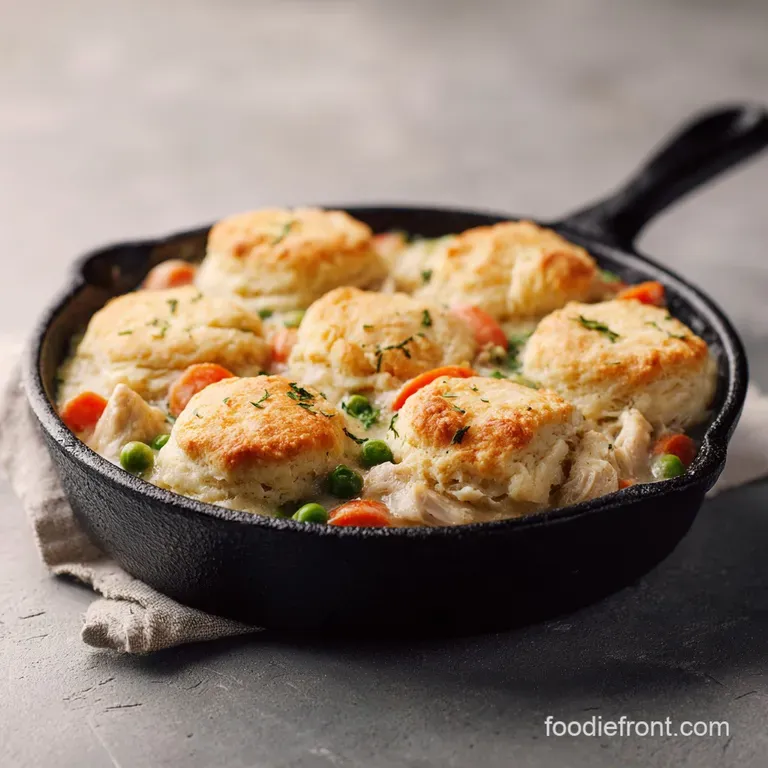
To make this chicken pot pie skillet no crust properly, you really need a wide, heavy bottomed pan. A 30 cm (12 inch) skillet is the gold standard here because it provides enough surface area to sear the chicken without overcrowding.
If the pan is too small, the chicken will release its juices and start boiling in them, which ruins that golden crust we want.
I highly recommend using a cast iron skillet or a heavy stainless steel pan. These materials hold heat much better than thin aluminum, meaning when you add the cold vegetables, the pan temperature doesn't drop off a cliff. You'll also need a sturdy whisk not a fork to get that roux perfectly smooth.
A silicone coated whisk is great if you're using a non stick pan to avoid scratching the surface.
Beyond the pan, a good sharp chef's knife is your best friend. Cutting the carrots and celery into uniform sizes isn't just about looking pretty; it's about making sure the carrots aren't still crunchy when the celery is already mush. If you keep your prep consistent, the cook will be consistent.
And honestly, don't bother with a lid for this recipe. We want some of that liquid to evaporate as it simmers to naturally concentrate the flavors.
step-by-step Cooking Guide
Ready to get started? This is all about flow. We are going to move from searing to sautéing to simmering in one continuous motion. Follow these steps exactly, and you'll have a dinner that looks like it took hours but only took 30 minutes.
- Prep the protein. Pat the 680 grams of chicken cubes completely dry with paper towels, then toss with half the salt and pepper.
- Sear the chicken. Heat a tablespoon of oil in your 30 cm skillet over medium high heat. Add the chicken in a single layer and leave it alone for 3 minutes to get that golden crust. Flip and cook for 2 more minutes, then remove to a plate. Note: It doesn't need to be cooked through yet; we just want color.
- Sauté the aromatics. In the same pan (don't wash it!), toss in the diced onion, sliced carrots, and celery. Cook for about 5 minutes until the onions are translucent and the carrots soften slightly.
- Add the garlic. Stir in the minced garlic and cook for exactly 60 seconds. You'll know it's ready when the aroma fills the room but the garlic hasn't turned brown.
- Build the roux. Drop the heat to medium and add the 56 grams of butter. Once it's foaming, sprinkle the 30 grams of flour over the veggies and whisk for 2 minutes. Note: This coats the vegetables and ensures a lump free sauce.
- Introduce the liquids. Slowly pour in the 480 ml of chicken bone broth while whisking like your life depends on it. Once smooth, stir in the 120 ml of heavy cream, thyme, and rosemary.
- Simmer to thicken. Slide the chicken and its juices back into the pan. Simmer for 5 to 7 minutes until the sauce is thick enough to coat a spoon and the chicken is tender.
- The final flourish. Fold in the frozen peas and cook for 2 minutes. They only need to warm through.
- Brighten the flavor. Turn off the heat and stir in the fresh parsley and that vital teaspoon of lemon juice.
- Season and serve. Taste the sauce. Add the remaining salt and pepper if needed, then serve immediately while it's hot and bubbling.
| Method | Time | Texture | Best For |
|---|---|---|---|
| Stovetop Skillet | 30 min | Velvety and fresh | Quick weeknight dinner |
| Slow Cooker | 4 hours | Very soft, falling apart | Set and forget days |
| Oven Casserole | 45 min | Thick and bubbly | Weekend comfort food |
Using the stovetop method is really the superior way to control the texture of your chicken. In a slow cooker, the breast meat can often become stringy, but here, the quick sear and gentle simmer keep it juicy and plump. It's a much more intentional way to cook that honors the ingredients.
Solving Common Sauce Issues
Even the best cooks run into trouble sometimes. The most common "disaster" with a crustless pot pie is a sauce that's either too thin, too thick, or heaven forbid grainy. Most of these issues come down to temperature control or the speed at which you add your liquids.
Why Your Sauce Is Runny
If your filling looks more like soup than a thick pot pie, you likely didn't cook the roux long enough or you didn't let it simmer sufficiently after adding the broth. The flour needs heat to expand its starch molecules and "grab" the liquid.
If you're in a hurry and pull it off the heat too soon, it won't have time to set.
| Problem | Root Cause | Solution |
|---|---|---|
| Thin/Runny Sauce | Not enough simmer time | Simmer uncovered for 3-5 extra minutes. |
| Lumpy Texture | Flour added too fast to liquid | Whisk vigorously or use an immersion blender. |
| Broken/Oily Sauce | Heat was too high after adding cream | Reduce heat and stir in a splash of cold broth. |
Another culprit for a runny sauce is the vegetables. If you use frozen vegetables (other than the peas), they release a lot of water as they thaw. Always try to use fresh carrots and celery for this reason. If you're still struggling with texture, you might find some great tips in this Keto Chicken Bake which deals with similar cream based sauce challenges without using flour at all.
Why Your Sauce Is Grainy
A grainy sauce usually happens when the garlic burns or the flour isn't fully integrated into the butter before the liquid is added. It can also happen if you use "cold from the fridge" bone broth. Adding ice cold liquid to a hot roux causes the fat to seize up.
I always leave my broth on the counter for 20 minutes before I start cooking to take the chill off.
Common Mistakes Checklist:
- ✓ Skipping the chicken drying step (results in grey, steamed meat).
- ✓ Adding the garlic too early (burnt garlic makes the whole dish bitter).
- ✓ Not whisking the flour for the full 2 minutes (leaves a raw flour taste).
- ✓ Adding the lemon juice too early (acid can sometimes break a cream sauce if boiled too long).
- ✓ Using low-fat milk instead of heavy cream (the sauce will never reach that "velvety" stage).
Healthy Dietary Ingredient Adaptations
This recipe is naturally lower in carbs than a traditional pie because we've removed the pastry, but there are always ways to tweak it further depending on your family's needs. If you're looking for a gluten-free version, you can swap the all purpose flour for a 1:1 gluten-free baking blend.
Just keep in mind that some GF flours thicken more aggressively, so you might need an extra splash of broth.
For a dairy-free alternative, you can replace the butter with a high-quality vegan butter or even olive oil, though the flavor will shift slightly toward the savory/grassy side. Replace the heavy cream with full fat canned coconut milk.
Note: This will add a subtle tropical note, but the savory herbs usually do a good job of masking it.
Mastering the Blond Roux
The roux is the heart of this dish. When you add the flour to the butter, it should look like a thick, bubbling paste. If it's too dry and crumbly, you didn't use enough butter. If it's swimming in oil, you need a touch more flour. You want it to look like wet sand.
Optimizing Vegetable Integrity
If you like your carrots with a bit of a bite, slice them slightly thicker. If you have kids who "pick out" the veggies, dice them into tiny 5 mm squares so they blend into the sauce. The celery provides the saltiness, the onion provides the depth, and the carrots provide the sweetness don't skip any of them!
Precision Protein Searing
Don't overcrowd the pan. If you have to, sear the chicken in two batches. When chicken pieces touch each other, they trap steam, which prevents the Maillard reaction (that beautiful browning). Brown chicken = flavorful chicken. Grey chicken = sad dinner.
Freezing and Reheating Guidelines
Leftovers are actually one of the best parts of this recipe. Because there's no crust to get soggy, the filling actually tastes better the next day as the herbs have more time to infuse into the cream.
Storage: Keep the leftovers in an airtight container in the fridge for up to 4 days. When reheating, do it on the stovetop over low heat. You might need to add a tablespoon of water or broth to loosen it up, as the sauce will thicken significantly as it cools.
Freezing: This dish freezes surprisingly well for a cream based sauce. Let it cool completely before putting it in a freezer safe bag or container. It will stay fresh for up to 3 months. To eat, thaw it overnight in the fridge and then reheat slowly.
Note: Do not freeze if you have already added the lemon juice, as the acid can cause the sauce to separate during the thawing process. If you plan to freeze the whole batch, leave the lemon and fresh parsley out and add them when you reheat it.
Zero Waste Tip: Don't throw away those celery leaves or onion skins! Toss them into a bag in your freezer to make your own chicken stock later. And if you have leftover heavy cream, you can freeze it in an ice cube tray to use in your next pan sauce.
Serving Your Hearty Family Dinner
Since we've skipped the crust, you have a lot of freedom with how you serve this. If you're keeping it low carb, a big bowl of this on its own is perfectly satisfying. However, if you're feeding a hungry family, there are a few classic ways to round out the meal.
- Over Biscuits: Split a warm, flaky buttermilk biscuit in half and pour the skillet filling right over the top. It's like a deconstructed pot pie but better because the biscuit stays crunchy.
- With Mashed Potatoes: Serve a big ladle full over a mountain of buttery mashed potatoes. This is the ultimate "hug in a bowl."
- With Crusty Bread: A toasted baguette or a slice of sourdough is perfect for mopping up every last drop of that velvety sauce.
- Over Rice: For a gluten-free way to bulk up the meal, serve it over a bed of fluffy jasmine rice.
The "Cheat" Crust Option
If someone in your house absolutely insists on having a crust, you can bake some puff pastry squares separately on a baking sheet. Just set a golden, shattered square of pastry on top of each bowl right before serving. It gives you all the crunch without any of the sogginess.
Myths About Pot Pie
One common myth is that you must use a whole chicken and boil it for hours to get a good flavor. That's just not true. Using high-quality bone broth and searing fresh chicken breast gives you a cleaner, more vibrant flavor in a fraction of the time.
Another myth is that the sauce needs to be thick enough to stand a fork in. A good pot pie filling should be silky and pourable, not a solid block of gravy.
This chicken pot pie skillet no crust is all about bringing the focus back to the ingredients. It’s a hearty, comforting, and family friendly dinner that proves you don’t need a complicated recipe to make something that feels special. Now, get your skillet hot and let's get cooking!

Recipe FAQs
What can I use instead of pie crust for chicken pot pie?
Skip the crust entirely. This recipe focuses on a rich, thickened gravy base that stands perfectly on its own without the need for pastry or bread based toppings.
What are some common mistakes to avoid when making chicken pot pie?
Don't skip patting the chicken dry. Ensuring the chicken cubes are dry before hitting the hot oil is crucial for achieving a proper golden sear rather than steaming the meat. If you enjoyed the flavor building technique used here, you can apply that same foundation to other poultry dishes.
Can you make a chicken pie without pastry?
Yes, it creates a hearty, stew like consistency. By using a flour based roux with heavy cream and bone broth, you achieve a thick, satisfying texture that provides the comfort of a traditional pot pie without the extra carbs of a crust.
Can a diabetic eat pot pies?
This crustless version is a more manageable option. Removing the calorie dense pastry significantly lowers the glycemic impact, allowing you to enjoy the protein rich chicken and vegetable filling.
How to ensure the gravy is thick enough?
Whisk the flour and butter roux for the full two minutes. This step is essential to cook out the raw flour taste and activate the thickening power before you slowly pour in the chicken bone broth.
How to keep the vegetables from getting mushy?
Sauté the carrots and celery only until they reach a crisp tender state. Since the vegetables continue to cook slightly during the 5-7 minute simmering phase, pulling them off the heat early preserves their texture.
How to adjust the seasoning if the flavor tastes flat?
Add a final splash of lemon juice and adjust the salt and pepper. The acidity from the lemon is the secret to cutting through the richness of the heavy cream and brightening the overall profile of the dish.
Crustless Chicken Pot Pie Skillet
Ingredients:
Instructions:
Nutrition Facts:
| Calories | 598 kcal |
|---|---|
| Protein | 59.4 g |
| Fat | 28.3 g |
| Carbs | 19.2 g |
| Fiber | 3.4 g |
| Sugar | 5.1 g |
| Sodium | 615 mg |
