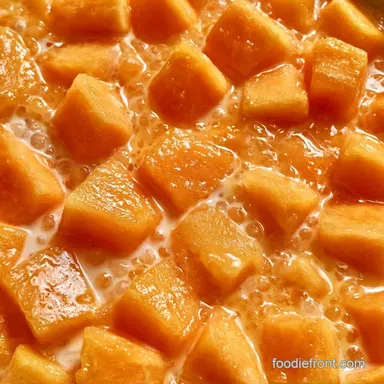
Cantaloupe Sago Dessert in 25 Minutes
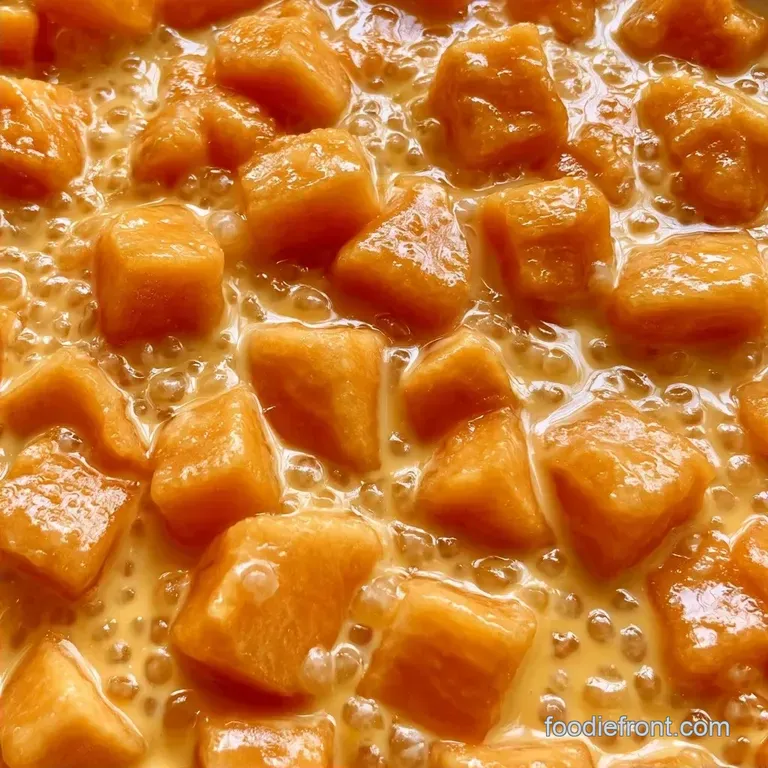
- Time: 10 min active + 15 min cook + 1 hour chilling
- Flavor/Texture Hook: Chewy pearls in a rich, coconut cream base
- Perfect for: Summer gatherings or a quick sweet treat
The smell of a perfectly ripe cantaloupe is enough to make anyone crave something cold. But there is nothing worse than spending an hour on a treat only to find your sago pearls have clumped into a sticky, gluey mass at the bottom of the bowl.
It happens to the best of us, usually because the starch wasn't rinsed off properly or the heat was too high.
I remember a party where I tried a shortcut and skipped the cold rinse. The result was a thick, wallpaper paste texture that completely drowned out the fresh melon. After some trial and error, I found that the cold shock method is the only way to keep those pearls individual and bouncy.
This Cantaloupe Sago Dessert is the fix for those gluey mishaps. It is a bright, colorful dish that feels fancy but actually comes together with very little effort. You get a lovely contrast between the soft melon balls and the chewy pearls, all swimming in a rich milk blend.
Why This Recipe Works
Heat Control: Boiling the sago pearls for precisely 12 minutes before simmering ensures the centers are fully cooked without the edges breaking down. This technique eliminates the hard white core while preventing a mushy exterior.
Starch Removal: Immediately rinsing the pearls in cold water after cooking strips away surface starch. If skipped, the pearls will clump together, compromising the texture of the Cantaloupe Sago Dessert.
Triple Milk Blend: Combining evaporated, condensed, and coconut milks creates a complexity of flavor that a single milk can't achieve. This blend provides a rich, creamy mouthfeel that remains light on the palate. For another refreshing chilled treat, try my Cantaloupe Pudding recipe.
| Method | Time | Texture | Best For |
|---|---|---|---|
| Fast (Stovetop) | 25 mins | Chewy & Fresh | Immediate cravings |
| Classic (Soak) | 4 hours | Softer pearls | Large party prep |
Ingredient Roles and Swaps
The balance of this dish depends on the interaction between the starch and the fats in the milk. The sago provides the structure, while the fats carry the floral notes of the cantaloupe.
| Ingredient | Role | If You Don't Have It |
|---|---|---|
| Sago Pearls | Chewy texture | Tapioca pearls (small) |
| Evaporated Milk | Creamy body | Whole milk + 1 tbsp butter |
| Condensed Milk | Sweetness | Honey or Maple Syrup |
| Coconut Milk | Tropical flavor | Heavy cream |
Ingredients and Substitutes
For the best results, make sure your cantaloupe is very ripe. You can tell by smelling the stem end, it should smell sweet and musky.
- 1/3 cup (60g) small sago pearls Why this? Small pearls mix better with melon balls
- 4 cups (950ml) water
- 1 cup (240ml) evaporated milk Why this? Adds a concentrated creamy taste
- 1/2 cup (150g) sweetened condensed milk
- 1/2 cup (120ml) coconut milk Why this? Gives a velvety finish to the cream
- 1/4 tsp (1.5g) salt
- 3 cups (450g) ripe cantaloupe, scooped into balls
- Cantaloupe
- Use honeydew for a milder, greener version.
- Coconut Milk
- Almond milk works, but it is less rich.
- Condensed Milk
- Use agave syrup, but add a pinch more salt to balance it.
Tools You Will Need
No specialty equipment is required for this recipe; a handful of standard kitchen tools will work perfectly.
- Medium pot for boiling the sago.
- Fine mesh strainer for rinsing the pearls.
- Large mixing bowl.
- Whisk for the milk base.
- Melon baller for creating those pretty spheres.
Making the Dessert
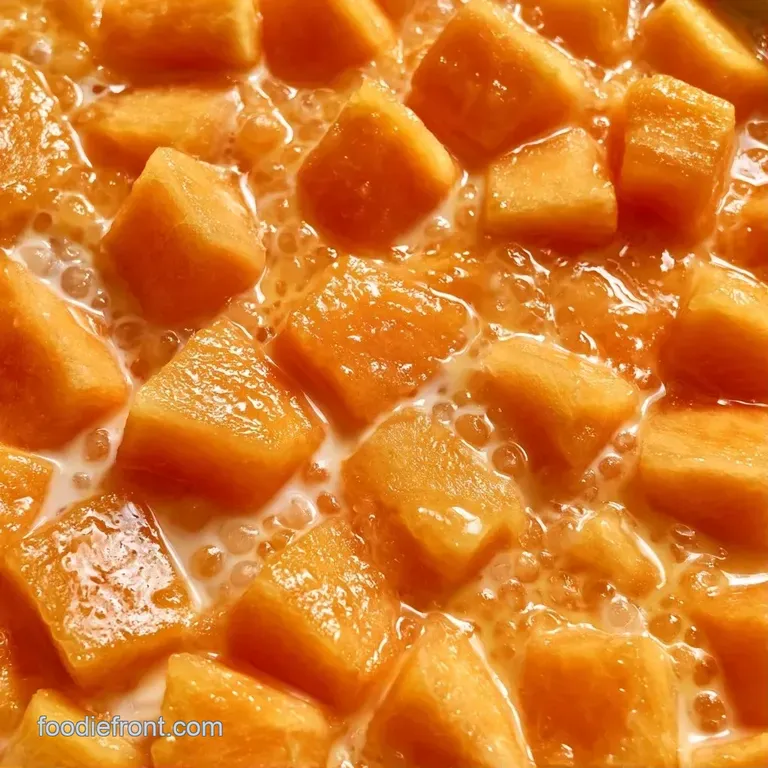
Follow these steps to ensure your Cantaloupe Sago Dessert stays fresh and the pearls stay separate.
- Bring 4 cups (950ml) of water to a rolling boil in your pot.
- Stir in the sago pearls and boil for 10-12 minutes. Note: Stir occasionally so they don't stick to the bottom.
- Lower the heat and simmer until the pearls are almost translucent, leaving only a tiny white dot in the center.
- Drain the pearls immediately through a fine mesh strainer.
- Rinse the pearls under cold running water until the water runs clear and the slime is gone.
- In a large bowl, whisk the evaporated milk, condensed milk, coconut milk, and salt. Stir until the condensed milk is fully integrated and smooth.
- Gently fold the chilled sago pearls and cantaloupe balls into the milk mixture.
- Cover the bowl and refrigerate for at least 1 hour. This lets the flavors meld and ensures a refreshing temperature.
Solving Common Issues
Even with a plan, things happen in the kitchen. Here is how to handle the most common hiccups when making this Sago Dessert.
Fixing Clumpy Sago
If your pearls stick together despite the rinse, they were likely overcrowded in the pot. You can fix this by gently stirring them into the milk base while they are still slightly warm. The fats in the milk help separate the pearls.
If they are already cold and clumped, a quick 30 second rinse in a colander can break them apart before folding them in.
Adjusting Overly Sweet Bases
Cantaloupes vary in sugar content. If the milk base tastes too sugary, add a tablespoon of fresh lime juice or a splash more evaporated milk. The acidity of the lime cuts through the condensed milk and makes the melon flavor pop more.
Managing Watery Fruit
Some melons release a lot of juice once scooped. If you notice a puddle at the bottom of your bowl, strain the melon balls in a colander for 5 minutes before adding them to the cream. This keeps the milk base thick and silky rather than diluted.
| Servings | Sago Amount | Milk Total | Melon Amount |
|---|---|---|---|
| 2 Cups | 1/6 cup | 1.5 cups | 1.5 cups |
| 4 Cups | 1/3 cup | 2 cups | 3 cups |
| 8 Cups | 2/3 cup | 4 cups | 6 cups |
Presentation Strategy
Since this is a chilled treat, visual appeal is all about color balance. The orange of the melon is beautiful, but it needs contrast to look impressive.
I recommend using three specific color accents. First, the bright orange of the cantaloupe provides the primary base. Second, the stark white of the coconut cream creates a clean background. Finally, add a pop of green with a fresh mint leaf or a slice of lime on top just before serving.
Add these garnishes at the last second. If you put the mint in during the chilling process, it will wilt and turn brown. For a more colorful look, a few pomegranate seeds or a raspberry can add a red accent that looks stunning against the orange melon.
Other Ways to Make it
Feel free to adapt this recipe to meet your dietary preferences. The essential texture of the Cantaloupe Sago Dessert stays consistent even when making substitutions.
Making it Vegan
Swap the evaporated and condensed milks for full fat coconut cream and maple syrup. To achieve a consistency similar to condensed milk, simmer coconut milk with sugar and a pinch of salt until the volume is reduced by half.
Lowering the Sugar
Use only 1/4 cup of condensed milk and incorporate a teaspoon of vanilla extract. Since vanilla fools the palate into perceiving more sweetness, you can lower the sugar content without sacrificing the dessert's richness.
Mixing the Melons
If you have other melons on hand, combine cantaloupe with honeydew or watermelon. Mixing these orange and green tones makes the dish visually striking and introduces a range of sweetness to every bite.
Keeping it Fresh
Store your dessert in a glass container with a tight lid to keep the milk from picking up fridge odors. It stays fresh in the refrigerator for up to 3 days.
Avoid freezing this dish. Sago pearls change texture when frozen and thawed, often becoming grainy or mushy. The coconut milk can also separate, leaving you with a watery mess.
For zero waste, don't toss the rest of your melon. If you have leftover cantaloupe chunks, you can blend them into a smoothie or use them in my Banana Cantaloupe Bread for a sweet breakfast. Even the rinds can be pickled in a vinegar sugar brine for a crunchy side dish.
Final Tips for Success
- For a firmer set
- chill for 2 hours rather than 1.
- For a thinner base
- stir in 1/4 cup evaporated milk.
- For a sweeter taste
- add 2 tbsp condensed milk.
Please don't skip the rinsing step. It is the secret to a professional looking result instead of a starchy consistency. Once you are comfortable with the sago, you can swap the fruit for whatever you have in your kitchen. This Cantaloupe Sago Dessert is just one of many delicious summer options. Let's get to work!
Recipe FAQs
How do I know when the sago is cooked?
Look for a tiny white dot in the center. The pearls should be almost completely translucent before you drain and rinse them.
Can I use different milk instead of coconut milk?
Yes, any creamy milk alternative works. If you enjoyed the flavor profile of our Cantaloupe Smoothie for 2 recipe, you can use a similar dairy or plant based base here.
What can I use as a substitute for sago pearls?
Small tapioca pearls are the best alternative. They provide the same chewy texture and follow the same boiling method.
Is it true that sago pearls need to be boiled for an hour?
Actually, no. They only need 10 12 minutes of boiling followed by a short simmer to reach the correct texture.
How to stop the pearls from clumping?
Rinse them immediately under cold running water. This removes excess surface starch that otherwise turns the dessert into a gluey mass.
Can the sweetness be adjusted?
Yes, by varying the condensed milk. Use slightly less for a more subtle sweetness or add a bit more for a richer taste.
Why is there a white dot in my pearls?
It means they are perfectly cooked. That tiny core ensures the pearls remain bouncy and don't dissolve into mush.
Do I have to refrigerate the dessert?
Yes, chill for at least 1 hour. This allows the flavors to meld and ensures the dish is refreshing.
Cantaloupe Sago Dessert