Quick Italian Pasta Salad: Zesty and Crisp
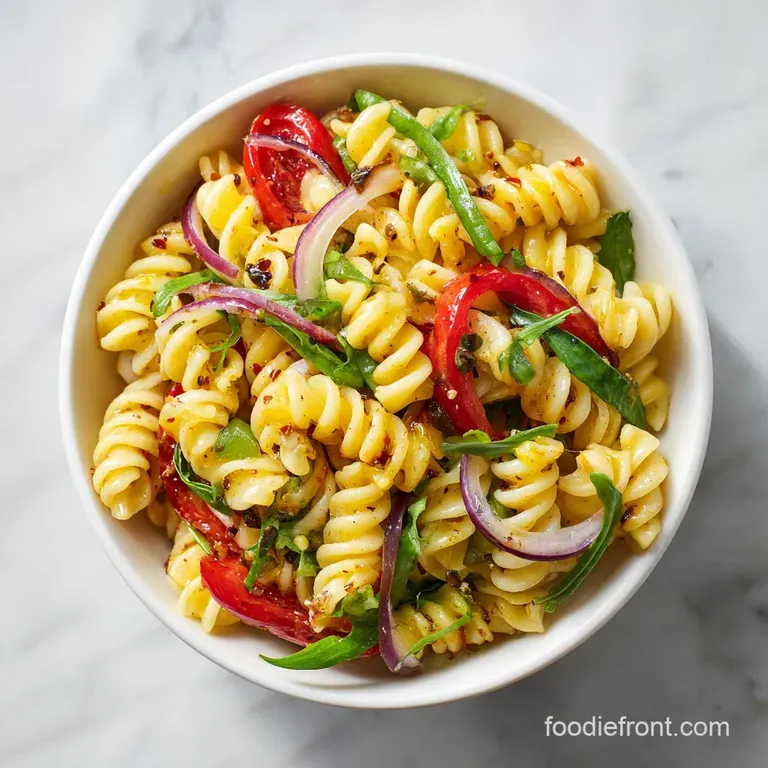
- Time: Active 10 minutes, Passive 10 minutes, Total 20 minutes
- Flavor/Texture Hook: Zesty, briny, and crisp with velvety mozzarella pearls
- Perfect for: Potlucks, budget-friendly meal prep, or a fast family side
- Master the Zesty Quick Italian Pasta Salad
- Mastering Flavors Through Smart Techniques
- Understanding Recipe Specs and Performance
- Savvy Shopping for Budget Success
- Essential Equipment for Stress Free Cooking
- Clear Step-by-Step Instructions for Success
- Practical Troubleshooting Guide for Cooks
- Simple Dietary Adaptations for Everyone
- Strategic Storage and Leftover Tips
- Perfect Pairings for Family Dinner
- Recipe FAQs
- 📝 Recipe Card
Master the Zesty Quick Italian Pasta Salad
Have you ever wondered why the pasta salad from a high end Italian deli has that incredible, zingy bite in every single mouthful, while the homemade version often tastes like cold noodles with a splash of bottled dressing? It all comes down to a tiny window of time right after you drain the pot.
Most people wait for the pasta to cool down before adding the "wet" ingredients, fearing they’ll wilt the vegetables. But that’s actually the biggest mistake you can make.
The secret to a truly great quick italian pasta salad is capturing the pasta while it’s still exhaling heat. When the rotini is warm, the starch molecules are still open and receptive.
If you wait until the noodles are cold, they "set," and the dressing just slides right off into a pool at the bottom of your bowl. We want that dressing to become part of the pasta, not just a neighbor to it.
I learned this the hard way after bringing a "dry" pasta salad to a neighborhood barbecue years ago. It looked beautiful, but it tasted like nothing. Since then, I’ve focused on the science of absorption.
This recipe isn't just about throwing things in a bowl; it’s about a specific sequence that ensures every bite is as punchy and vibrant as the last. It’s hearty, it’s comforting, and it’s designed to feed a hungry family without breaking the bank.
Mastering Flavors Through Smart Techniques
The magic of this dish happens through a few key physical reactions that we can easily manipulate in a standard home kitchen. Understanding these helps you move away from following a script and toward actually "feeling" the food as you prepare it.
- Starch Absorption: When we add dressing to warm pasta, the surface starch acts like a sponge, pulling the vinegar and herbs into the noodle itself.
- Emulsification Stability: Using Dijon mustard in the vinaigrette provides a natural bridge between the oil and vinegar, preventing the dressing from breaking and becoming greasy.
- Osmotic Seasoning: Salting the boiling water heavily ensures the pasta is seasoned from the inside out, which is vital since cold dishes require more salt to taste "right" to our palates.
- Aromatic Bloom: The residual heat from the rotini gently "blooms" the dried Italian seasoning and minced garlic, releasing their essential oils without burning them.
Method Comparison for Texture
| Method | Prep Time | Resulting Texture | Best For |
|---|---|---|---|
| Active Cooling | 20 minutes | Saturated, flavorful noodles | Immediate serving or 1 day prep |
| Cold Rinse | 15 minutes | Slick, bouncy, separate noodles | Long term outdoor picnics (4+ hours) |
| Overnight Soak | 12 hours | Soft, very deep herbal notes | Ultra budget meal prepping |
When you use the active cooling method described in this recipe, you are essentially "curing" the pasta in the vinaigrette. This is why the dish often tastes even better the next day.
The vinegar continues to tenderize the outer layer of the rotini, while the fats from the salami and mozzarella begin to mingle with the dried herbs.
Understanding Recipe Specs and Performance
We need to be precise about our checkpoints. When you’re cooking for a family, you want to know exactly when the food is done so you can move on to the next task. This quick italian pasta salad is built on three specific numeric markers that guarantee success every time.
First, the pasta must be boiled for exactly one minute less than the box suggests. For most tri color rotini, this means about 7 to 8 minutes of actual boiling. We want "al dente" because the pasta will continue to soften slightly as it sits in the acidic dressing.
If you start with soft pasta, you’ll end up with mush by dinner time. Second, the dressing must be shaken in a jar not whisked in a bowl to ensure the garlic and red pepper flakes are suspended evenly.
Component Deep Dive
| Ingredient | Science Role | Pro Secret |
|---|---|---|
| Rotini Pasta | Surface area provider | The spirals trap "bits" of herbs and small vegetable pieces. |
| Red Wine Vinegar | Protein tightener | The acid keeps the mozzarella pearls firm and prevents them from becoming "mushy." |
| Dijon Mustard | Emulsifying agent | It keeps the oil and vinegar from separating into a slick mess. |
If you find yourself wanting a warm meal instead of a salad, you can use a similar oil based logic with my Lemon Garlic Spaghetti which uses butter to achieve that same silky mouthfeel. Both recipes rely on the pasta water's starch to help the fats cling to the noodles.
Savvy Shopping for Budget Success
To keep this recipe budget friendly, we focus on high impact ingredients that offer a lot of flavor for a low price point. Tri color rotini is usually the same price as regular pasta but adds a visual "wow" factor that makes the meal feel more special for a family dinner.
- 1 lb tri color rotini pasta: Why this? The ridges are essential for catching the minced garlic and dried herbs. (Substitute: Fusilli or Penne)
- 3/4 cup extra virgin olive oil: Why this? Provides the "velvety" mouthfeel and healthy fats. (Substitute: Avocado oil)
- 1/2 cup red wine vinegar: Why this? The sharp acidity balances the heavy fats of the salami. (Substitute: Apple cider vinegar)
- 1 tbsp Dijon mustard: Why this? Acts as the "glue" for our emulsion. (Substitute: Spicy brown mustard)
- 1 cup mini pepperoni or salami: Why this? Adds the salty, savory "umami" punch. (Substitute: Diced ham or chickpeas)
- 8 oz fresh mozzarella pearls: Why this? Provides a mild, creamy contrast to the zesty dressing. (Substitute: Cubed provolone or feta)
- Vegetable Mix (Tomato, Cucumber, Onion, Olives): Why this? Provides the essential "crunch" and fresh water content. (Substitute: Bell peppers or celery)
Using English cucumbers is a smart budget move because you don't have to peel them, and they have fewer seeds, which means less water ends up thinning out your dressing. Similarly, mini pepperoni is often cheaper by the ounce than gourmet hard salami but provides that same spicy, cured meat flavor we crave in an italian pasta salad.
Essential Equipment for Stress Free Cooking
You don't need fancy gadgets to make a world class salad. In fact, keeping it simple usually leads to better results because there's less to clean and more focus on the food.
The most important tool is a large mason jar or a tightly sealing container. You can't get the same level of emulsification with a fork or a whisk as you can with a vigorous 30 second shake.
This mechanical energy breaks the oil droplets into tiny spheres that the mustard then coats, preventing them from merging back together.
You'll also want a large stockpot (at least 6 quarts) to give the pasta enough room to swim. If the pot is too small, the water temperature drops too much when you add the pasta, and the noodles will release too much starch, becoming gummy.
A high-quality colander is also a must we want to drain the water fast so we can get that dressing on while the steam is still rising.
Clear step-by-step Instructions for Success
- Bring a large stockpot of heavily salted water to a rolling boil. Note: The water should taste like the sea to properly season the pasta core.
- Add the 1 lb of rotini and cook for 1 minute less than the package directions. Cook until firm to the bite but not crunchy.
- While the pasta is boiling, combine the olive oil, red wine vinegar, Dijon mustard, minced garlic, Italian seasoning, and red pepper flakes in a small mason jar.
- Shake the jar vigorously for about 30 seconds until the dressing looks opaque and creamy.
- Drain the pasta quickly. Do not rinse with cold water, as this washes away the "gluey" starch we need for the dressing.
- Transfer the warm pasta to a large bowl and immediately pour exactly half of the dressing over it. Toss well until every spiral is glistening.
- Let the pasta sit for 5 minutes. This is the "Active Cooling" phase where the flavor is absorbed.
- Add the halved tomatoes, sliced cucumber, diced onion, pepperoni, mozzarella pearls, and black olives to the bowl.
- Pour the remaining dressing over the mixture and toss thoroughly. Watch as the dressing coats the fresh vegetables and cheese.
- Garnish with the fresh parsley. Serve immediately or let it chill until the flavors have fully melded.
The visual cue you're looking for in step 4 is a complete change in color. The dressing will go from a separated layer of purple red and yellow to a uniform, pale orange tan color. That’s when you know the emulsion is tight and ready to work its magic.
Practical Troubleshooting Guide for Cooks
Sometimes things go sideways in the kitchen. Maybe your pasta got a little too soft, or perhaps the salad tastes a bit "flat" even though you followed every step. Don't worry most pasta salad issues are easily fixed with a little kitchen intuition.
Why Your Salad Tastes Bland
If your pasta salad tastes "boring," it’s usually a salt or acid issue. Cold temperatures dampen our taste buds' ability to perceive flavor. When the salad is cold, it needs a bigger "zip" to feel balanced.
A quick squeeze of fresh lemon juice or an extra pinch of kosher salt right before serving can wake up all those dormant flavors.
Why Your Salad is Too Oily
This happens when the dressing "breaks." If you see a pool of yellow oil at the bottom of the bowl and the noodles look dry, the emulsion has failed. This usually happens if the pasta was too wet when you added the dressing. To fix it, add a tablespoon of warm water and a teaspoon more of mustard, then toss vigorously.
The extra mustard will help "re catch" the oil.
| Problem | Root Cause | Solution |
|---|---|---|
| Mushy Pasta | Overcooked or rinsed too long | Add more crunchy veg (celery/peppers) to compensate for the texture loss. |
| Dry Noodles | Pasta absorbed ALL the dressing | Toss with a splash of vinegar and a drizzle of oil right before serving. |
| Bitter Aftertaste | Burnt garlic or old dried herbs | Add a teaspoon of honey or sugar to the dressing to neutralize the bitterness. |
Common Mistakes Checklist
- ✓ Always salt the pasta water generously; this is your only chance to season the rotini.
- ✓ Never rinse the pasta with cold water; the starch is the "velcro" for your dressing.
- ✓ Shake the dressing until it’s fully emulsified; a broken dressing leads to a greasy salad.
- ✓ Use a sharp knife for the red onion; dull blades crush the cells and release "sulfury" odors.
- ✓ Halve the grape tomatoes; their internal juices add a secondary layer of "sauce" to the salad.
Simple Dietary Adaptations for Everyone
Making this a healthy italian pasta salad is easier than you think. You can easily swap the traditional wheat pasta for a chickpea or lentil based rotini. These alternatives provide a massive boost in protein and fiber, making the salad even more filling for a family dinner.
Just be careful with the cook time, as bean based pastas can go from al dente to mushy in about 30 seconds.
If you are looking for a vegetarian italian pasta salad, simply omit the pepperoni or salami. To keep that "meaty" umami flavor, I recommend adding some smoked paprika to the dressing or doubling up on the olives and maybe adding some sun dried tomatoes.
The goal is to replace the salt and fat from the meat with another punchy ingredient.
For a lighter version, you can reduce the olive oil to 1/2 cup and increase the red wine vinegar slightly. You can also bulk up the volume by adding two cups of chopped spinach or arugula. The greens will wilt slightly from the warmth of the pasta, creating a silky, "florentine" style effect. If you love that flavor profile, you might also enjoy my Garlic Italian Broccoli Soup which uses similar aromatics in a comforting, warm format.
Serving Size Calculator
| Servings | Pasta Amount | Dressing Total | Vegetable Volume |
|---|---|---|---|
| 4 People | 1/2 lb | 5/8 cup | 2 cups total |
| 8 People | 1 lb | 1 1/4 cups | 4 cups total |
| 16 People | 2 lbs | 2 1/2 cups | 8 cups total |
Strategic Storage and Leftover Tips
This is one of those rare dishes that actually benefits from a night in the fridge. As it sits, the flavors move from the surface of the ingredients to the center. However, pasta is a thirsty starch. By the second day, you might find that the salad looks a little "matte" or dry.
To revive leftovers, don't just add more oil. Instead, add a tablespoon of red wine vinegar and a tiny splash of water. This "loosens" the existing dressing that has thickened in the cold fridge and brings back that zesty shine.
Store the salad in an airtight glass container to prevent the onion and garlic scents from taking over your refrigerator.
For zero waste cooking, save the ends of your cucumbers and the stems of your parsley. These can be tossed into a freezer bag for making homemade vegetable stock later. If you have leftover salami that didn't make it into the salad, it makes a fantastic "crispy" topping for eggs the next morning just dice it small and fry it like bacon until it reaches a "shatter" crispness.
Perfect Pairings for Family Dinner
While this quick italian pasta salad is hearty enough to be a standalone lunch, it really shines as part of a larger spread. Because it’s so zesty and bright, it pairs perfectly with "heavy" main courses. Think of it as a palate cleanser that also happens to be a side dish.
- Grilled Proteins: The acidity in the Italian pasta salad cuts through the char of grilled chicken or steak beautifully.
- Crusty Bread: A warm loaf of garlic bread is perfect for mopping up the extra vinaigrette at the bottom of the bowl.
- Warm Soups: On cooler days, serving a cold salad next to a hot bowl of soup creates a "bistro" feel at home.
- Roasted Vegetables: If you want to keep the meal vegetarian, some roasted zucchini or eggplant provides a warm, earthy contrast to the cold, crisp salad.
Culinary Myths Debunked
One common myth is that you must add oil to the pasta water to keep the noodles from sticking. This is actually counterproductive! The oil just floats on top of the water and then coats the pasta as you drain it, which prevents our zesty italian pasta salad dressing from sticking to the noodles.
Just stir the pasta a few times in the first two minutes of boiling, and they won't stick.
Another misconception is that "fresh is always better" for the dressing. While fresh herbs are lovely for a garnish (like the parsley we use at the end), dried Italian seasoning is actually better for the vinaigrette itself.
Dried herbs have a more concentrated flavor that stands up well to the long "marination" time in the fridge without turning grey or slimy.
Finally, don't believe the idea that you should wait until the salad is cold to add the cheese. Adding the mozzarella pearls to the slightly warm pasta allows them to soften just a tiny bit on the outside, creating a "velvety" interface between the cheese and the zesty dressing.
It won't melt them, but it will make them feel much more integrated into the dish. Trust me on this that one little temperature shift changes everything.
Recipe FAQs
What are the five mistakes to avoid pasta salad?
Avoid under salting your water, rinsing the pasta, using broken dressing, dull blades for onions, and keeping tomatoes whole. You must use generously salted water, skip the cold rinse to keep the starch "velcro" for dressing, shake the jar until the vinaigrette is fully emulsified, use a sharp knife to
prevent sulfur odors in onions, and halve tomatoes to release their juices into the salad.
Are pasta salads good for diabetics?
No, this dish is generally high in carbohydrates and requires careful portion management. While the inclusion of fiber rich vegetables like cucumber and tomatoes helps, the 1 lb of rotini remains the dominant starch source.
What is the best salad for heart patients?
Focus on heart healthy fats and fresh vegetables rather than processed meats. If you enjoy the flavor profile here, you can see how we apply similar lean protein and herb logic to our garlic herb sirloin for a more nutrient dense meal.
What goes into Italian pasta salad?
Combine tri-color rotini, extra virgin olive oil, red wine vinegar, Dijon mustard, garlic, Italian seasoning, and red pepper flakes for the base. Add grape tomatoes, cucumber, red onion, salami, mozzarella pearls, black olives, and fresh parsley to complete the authentic profile.
How to achieve the best flavor absorption in pasta salad?
Pour half of your dressing over the warm pasta immediately after draining. This "Active Cooling" technique allows the pasta starch to bind with the vinaigrette, ensuring the flavors penetrate the noodles rather than just sitting on the surface.
Is it necessary to rinse pasta with cold water for this recipe?
No, rinsing is detrimental to this specific preparation. The starch remaining on the hot noodles acts as a vital "velcro" that helps the emulsified dressing coat and stick to the rotini effectively.
How to ensure the dressing does not separate?
Shake the olive oil, vinegar, and Dijon mustard vigorously in a mason jar until creamy. The Dijon mustard acts as an essential stabilizer, keeping the oil and vinegar combined as a smooth, consistent emulsion.
Zesty Italian Pasta Salad
Ingredients:
Instructions:
Nutrition Facts:
| Calories | 568 kcal |
|---|---|
| Protein | 17.4 g |
| Fat | 34.2 g |
| Carbs | 46.3 g |
| Fiber | 3.2 g |
| Sugar | 4.1 g |
| Sodium | 645 mg |
