White Almond Bark: Silky & Crunchy
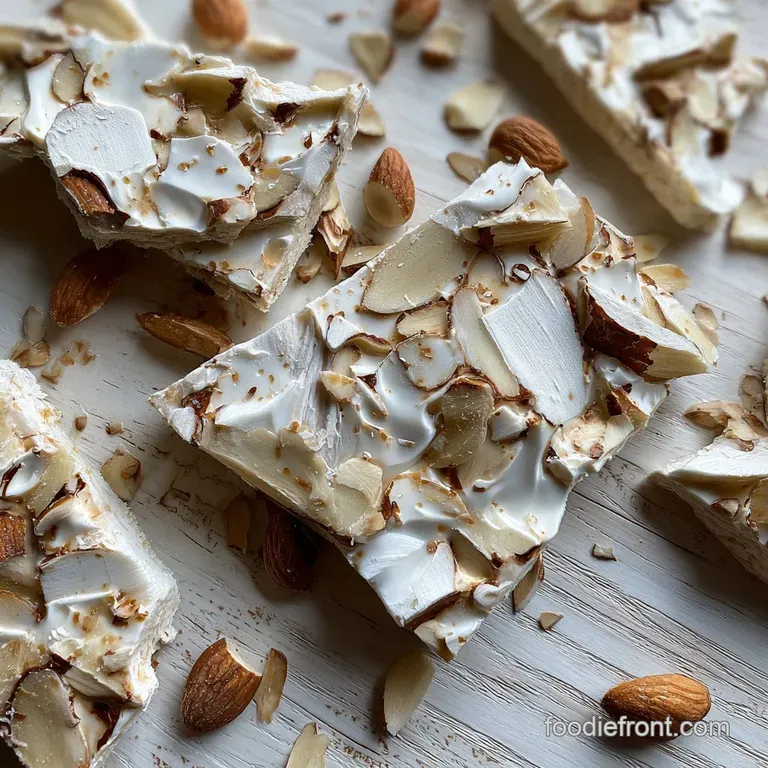
- Time: Active 10 minutes, Passive 5 minutes, Total 15 minutes
- Flavor/Texture Hook: Silky sweet base with a salty, brittle shatter
- Perfect for: Holiday gifting, party platters, or a quick sweet fix
- Mastering Easy White Almond Bark
- The Secret to Perfect Snap
- Essential Batch Details and Times
- Selecting the Best Simple Ingredients
- Tools for Silky Smooth Bark
- Detailed Instructions for Success
- Fixing Your Texture Issues Quickly
- Flavor Variations and Color Ideas
- Storing and Repurposing Your Sweets
- Sweet Pairings for Your Treat
- Decision Shortcuts for Your Batch
- Recipe FAQs
- 📝 Recipe Card
Mastering Easy White Almond Bark
I still remember the first time I tried to make a fancy holiday dessert. I was in my tiny first apartment, and I tried to melt regular white chocolate chips in a microwave. It was a disaster. Within thirty seconds, the whole bowl turned into a grainy, clumpy mess that smelled like burnt sugar.
I almost gave up on candy making entirely until a neighbor handed me a package of White Almond Bark.
That was the moment everything changed. The way it melted into a lustrous, velvety pool was hypnotic. When I folded in those warm, roasted almonds, the kitchen filled with an aroma that felt like a hug. It was so simple, yet it looked like it came from a high end boutique.
Since then, I've made hundreds of batches, and I’ve learned exactly how to get that loud, satisfying snap every time.
We aren't just melting stuff here; we're creating a texture experience. You want that contrast between the smooth coating and the brittle almond. If you’ve ever struggled with chocolate that won’t set or bark that feels waxy, this is the guide for you.
Trust me, once you see how easy this is, you'll never buy the pre packaged stuff again.
The Secret to Perfect Snap
The magic happens because of the fat structure in the bark. Unlike traditional chocolate which requires a complex process called tempering to look shiny, White Almond Bark is designed to be stable.
- Fat Stability: The vegetable fats in the bark are pre crystallized to set hard at room temperature without blooming.
- Moisture Resistance: This coating creates a barrier that keeps the almonds from absorbing humidity and getting soft.
- Conductive Toasting: Heating the almonds briefly before mixing ensures the residual heat helps the bark flow into every crevice.
The Physics of the Snap
White almond bark relies on hydrogenated oils rather than cocoa butter to achieve its structural integrity. This allows the candy to maintain a sharp shatter even if your kitchen is a bit warm.
| Method | Time | Texture | Best For |
|---|---|---|---|
| Stovetop | 8 mins | Ultra smooth | Even melting without hot spots |
| Microwave | 3 mins | Slightly thicker | Quick batches for personal snacking |
| Oven (Toasting) | 10 mins | Maximum crunch | Enhancing the nutty almond profile |
The stovetop method is my go to because you have total control. If you're in a rush, the microwave works, but you risk scorching the edges. For the best results, stick with the gentle heat of a double boiler.
Essential Batch Details and Times
When you're planning your kitchen time, it's helpful to know exactly what you're getting into. This recipe is fast, but the cooling phase is where the structural "snap" is born. Don't try to rush it by throwing it in a deep freeze, or you'll end up with condensation that ruins the finish.
| Ingredient | Science Role | Pro Secret |
|---|---|---|
| White Bark | Structural Base | Melt to exactly 110°F for the best flow |
| Roasted Almonds | Protein & Texture | Use whole nuts for the most impressive look |
| Vanilla Bean Paste | Flavor Depth | Paste adds beautiful black specks throughout |
| Flaky Sea Salt | Flavor Balancer | Add at the very end so it doesn't dissolve |
Using high-quality vanilla bean paste is a total trick I learned from a pastry chef friend. It makes people think you spent hours on a recipe that actually took you fifteen minutes. It cuts right through the sweetness of the bark.
Selecting the Best Simple Ingredients
You only need four things to make this happen, so quality really matters. If you can't find pure vanilla bean paste, a good extract works, but the paste gives it that "presentation" feel.
- 20 oz high-quality white almond bark: This is your foundation. Look for brands that list vegetable oil early in the ingredients for the smoothest melt.
- 2 cups whole unsalted roasted almonds: Using roasted nuts is non negotiable. Why this? Toasting develops the oils, creating a deeper, more complex nutty flavor.
- 1 tsp pure vanilla bean paste: This adds those tiny, elegant specks. Why this? It provides a concentrated floral aroma that balances the sugary coating.
- 1/2 tsp flaky sea salt: Use something like Maldon if you have it. Why this? Large flakes provide a targeted burst of salt that cuts the sweetness.
If you're out of almonds, you can easily swap them for pecans or walnuts. Just keep in mind that softer nuts won't give you that same "shatter" effect that makes this White Almond Bark so famous. It's similar to how I balance textures in my Chocolate Almond Bark recipe.
Tools for Silky Smooth Bark
You don't need a professional candy kitchen, but a few specific tools make this much easier. A heavy bottomed pot is your best friend here to prevent the bark from seizing.
- Double Boiler: Or just a glass bowl over a pot of simmering water.
- Silicone Spatula: This helps you scrape every last bit of the velvety bark from the sides.
- Baking Sheet: Standard half sheet size works perfectly for a 20 oz batch.
- Parchment Paper: Don't use wax paper; it can sometimes stick if the bark is too hot.
Chef Tip: Freeze your baking sheet for 10 minutes before pouring the bark. This creates an immediate thermal shock that helps the bottom set instantly, preventing the almonds from sinking to the bottom.
Detailed Instructions for Success
1. Toasting the Nut Base
Spread your 2 cups of almonds on a tray and warm them at 350°F for about 5 minutes. Cook until you smell a rich, nutty aroma. Note: This refreshes the oils even if the nuts were pre roasted.
2. Melting the Bark Smoothly
Chop the 20 oz of bark into uniform pieces and place in your double boiler. Stir constantly until the mixture is completely liquid and velvety. Note: Keep the water at a bare simmer; steam is the enemy of white bark.
3. Adding Flavor and Salt
Remove the bowl from the heat and stir in the 1 tsp of vanilla bean paste. Fold until the black specks are evenly distributed.
4. Folding and Spreading
Dump the warm almonds into the melted base. Use your spatula to coat every nut until the mixture looks like chunky white lava.
5. Creating the Slab
Pour the mixture onto your parchment lined sheet. Spread it out until it is about 1/2 inch thick. Note: Don't spread it too thin or it will lose its satisfying bite.
6. The Salt Garnish
Sprinkle the 1/2 tsp of sea salt over the top while it's still tacky. Wait until the surface starts to lose its high gloss shine before adding.
7. Chilling for the Snap
Let the bark sit at room temperature for 15 minutes, then move to the fridge for 10 minutes. Wait until the center feels cold and rock hard.
8. The Final Shatter
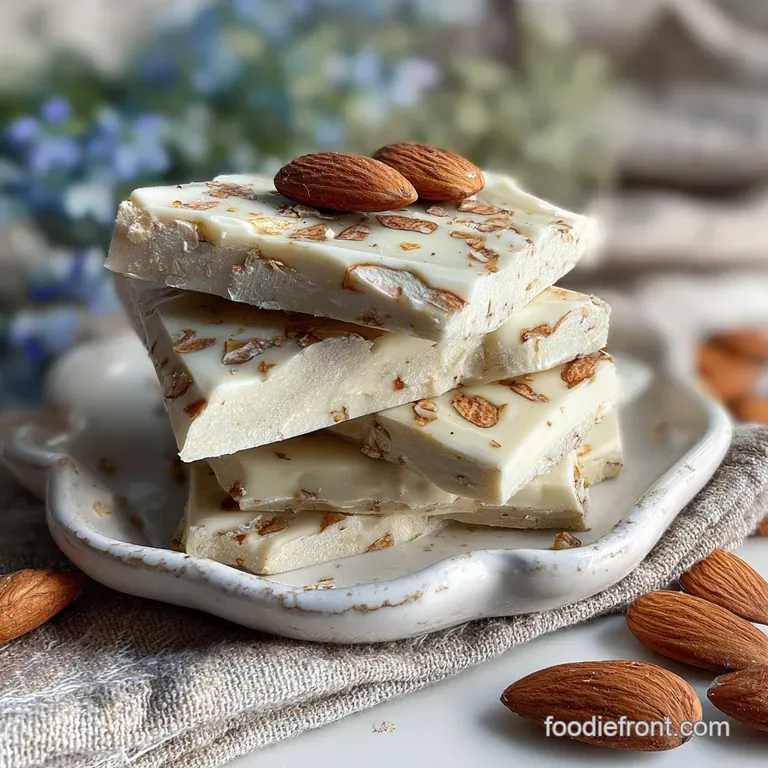
Peel the bark off the parchment. Use your hands or a heavy knife to break it into jagged, rustic pieces. Listen for a sharp "crack" sound as you break it.
Fixing Your Texture Issues Quickly
Even with the easiest recipes, things can go sideways. If your bark starts to look dull or feels "bendy" rather than snappy, it usually comes down to temperature control.
Seizing the White Bark
If a drop of water gets into your melting bark, it will turn into a gritty paste. This is called seizing. You can sometimes save it by stirring in a teaspoon of neutral oil (like canola), but it's better to just be super careful with your steam.
Grainy Texture Issues
This happens if the bark is overheated. White "chocolate" products burn at a much lower temperature than dark chocolate. If it gets too hot, the sugar crystals clump together and won't smooth out.
| Problem | Root Cause | Solution |
|---|---|---|
| Dull Surface | Slow cooling | Place in the fridge for 10 mins to set fat quickly |
| Sticky Bark | High humidity | Store in an airtight container with a piece of parchment |
| Soft Texture | Not enough "bark" | Ensure the ratio of nuts to coating isn't too high |
Common Mistakes Checklist
- ✓ Ensure your bowl and spatula are bone dry before starting.
- ✓ Avoid boiling the water in your double boiler a gentle simmer is plenty.
- ✓ Don't skip the salt; it's the bridge between the sugar and the nuts.
- ✓ Let the nuts cool slightly after toasting so they don't "cook" the bark.
- ✓ Break the bark by hand for that authentic, rustic look.
Flavor Variations and Color Ideas
The beauty of this recipe is how well it takes to customization. Since the base is white, any color you add will pop beautifully. I love using this technique to make gifts that look like they cost $20 a box.
- Red Dried Cranberries: Add 1/2 cup of dried cranberries at the same time as the almonds. The tartness is a brilliant contrast to the sweet bark.
- Green Toasted Pistachios: Swap half the almonds for pistachios. The vibrant green against the white looks incredibly festive.
- Edible Gold Accents: Once the bark is set but still slightly tacky, press on some edible gold leaf for a high end, impressive finish.
If you want a different texture entirely, you might enjoy my Marshmallow Dipped Chocolate recipe. It uses a similar dipping technique but with a much softer center.
Storing and Repurposing Your Sweets
You can keep this bark in an airtight container at room temperature for up to 2 weeks. If your kitchen is very warm, the fridge is better, but the bark might lose its shine due to the moisture.
For long term storage, you can freeze White Almond Bark for up to 3 months. Just make sure it’s double wrapped in plastic wrap and then placed in a freezer bag. When you're ready to eat it, let it thaw in the fridge overnight.
Thawing it at room temperature too quickly can cause "sweating," which makes the surface sticky.
Zero Waste Tip: If you have small crumbs or "dust" left over from breaking the bark, don't toss them! Save those bits in a jar and use them as a topping for oatmeal or yogurt. They also make an incredible "secret ingredient" when folded into the dough for my Applesauce Oatmeal Cookies recipe.
Sweet Pairings for Your Treat
Since this bark is quite sweet and rich, it pairs best with things that offer a bit of acidity or bitterness. I personally love serving a few shards of this with a steaming cup of coffee. The heat from the drink melts the bark on your tongue, releasing all that vanilla aroma.
If you're setting up a dessert board, try pairing it with some tart green apple slices. The crisp, sour notes of the apple cut right through the creamy coating of the almonds. It’s a classic combo that never fails to impress guests. It also works wonderfully alongside a Brown Sugar Latte recipe if you really want to lean into those cozy, molasses heavy flavors.
Bark vs Real Chocolate
A common myth is that almond bark contains almonds. It actually got its name because it was originally designed to coat almonds! Another myth is that it's just "cheap" chocolate. In reality, it's a specific confectionery coating engineered for stability. It’s a tool in your pantry, not just a substitute.
Cooling Speed Matters
Some people think the freezer is the best place to set candy. While it’s fast, the extreme cold can cause the fat to separate unevenly, leading to a streaky finish. A cool room or a standard refrigerator is the sweet spot for a professional look.
Decision Shortcuts for Your Batch
- If you want a thicker coating, use 24 oz of bark instead of 20 oz.
- If you want a vegan version, look for coconut oil based white melting wafers.
- If you want a "Bark Swirl", melt 4 oz of dark chocolate and drizzle it over the white bark before it sets, using a toothpick to marble them together.
Recipe FAQs
What is white almond bark?
It's a confectionery coating, not true chocolate. It's made with vegetable fats instead of cocoa butter, making it stable, easy to melt, and quick to set without tempering. Its name comes from its original use to coat almonds.
What is a substitute for white almond bark?
Use a high-quality white candy melt or confectioners' coating. These are designed for similar easy melting and setting properties, though check ingredients for optimal flavor and texture. For a similar stable coating, consider products labeled "white melting wafers."
Is almond bark the same as vanilla candy coating?
Yes, essentially. "Almond bark" is a brand name or common term for a type of white confectionery coating that has vanilla flavor. It's formulated for ease of use and stability, unlike true white chocolate.
Can you eat white almond bark on its own?
Yes, absolutely. White almond bark is delicious eaten by itself, especially when you achieve that perfect crisp snap. It's a popular treat for snacking and is also used as a coating for fruits, cookies, and pretzels, much like in our White Chocolate Pretzels: Crispy Baked for Parties.
Why does white almond bark get grainy?
It's usually due to overheating. White candy melts contain sugar crystals that can clump together if heated too high or too quickly, especially in the microwave. Melting slowly at lower temperatures or using a double boiler helps prevent this.
How do I get white almond bark to set hard?
Allow it to cool properly at room temperature or in the refrigerator. Unlike chocolate, candy melts are formulated to set quickly with a firm snap. Avoid the freezer, as condensation can ruin the finish; a few minutes in the fridge is usually sufficient.
Can I use white almond bark for dipping cookies?
Yes, it's ideal for dipping. Its smooth texture and quick setting time make it perfect for coating cookies, fruit, or even creating dipped desserts like those in our Easy Peanut Butter Cookies 3 Ingredients: Velvety Center recipe.
White Almond Bark
Ingredients:
Instructions:
Nutrition Facts:
| Calories | 197 kcal |
|---|---|
| Protein | 3.9 g |
| Fat | 13.7 g |
| Carbs | 16.4 g |
| Fiber | 1.3 g |
| Sugar | 14.2 g |
| Sodium | 49 mg |
