Homemade Eggnog Recipe: Silky and Comforting
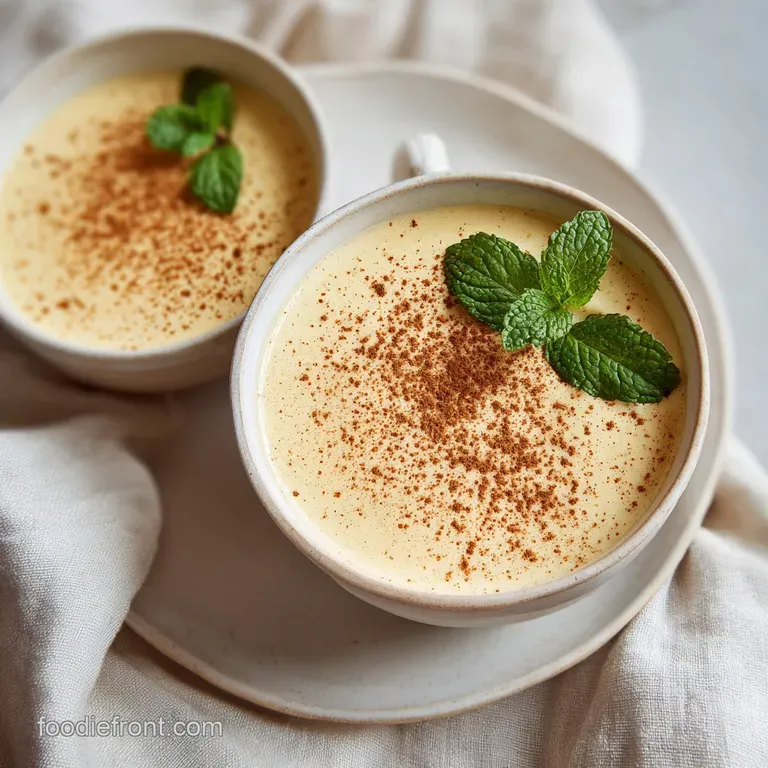
- Time: Active 10 minutes, Passive 15 minutes, Total 25 minutes
- Flavor/Texture Hook: Silky, spiced, and deeply comforting
- Perfect for: Christmas Eve, family gatherings, or a cozy snowy night
- The Secret To Silky Homemade Eggnog
- Physics Of The Perfect Custard
- Planning Your Holiday Prep
- Selecting Rich Flavor Elements
- Essential Tools For Smoothness
- Simple Steps To Creamy Success
- Fixing Common Custard Mistakes
- Flavor Twists For Everyone
- Keep Your Batch Fresh
- Pairings For Family Parties
- Debunking Kitchen Myths
- Recipe FAQs
- 📝 Recipe Card
The Secret To Silky Homemade Eggnog
The kitchen is quiet, the tree lights are twinkling, and there is a heavy pot of milk warming on the stove. I can still hear the rhythmic "clack clack" of my grandmother's wooden spoon against the side of her old copper pot.
She always said that you could smell the exact moment the nutmeg was toasted enough to wake up the whole house. That scent - warm, earthy, and a little bit woody - is exactly what this recipe captures.
I remember my first attempt at making this for my own kids. I was so nervous about "scrambling" the eggs that I kept the heat too low, and it stayed thin as water! But that is the beauty of cooking for family; we learn from those little stumbles.
Now, I have figured out the rhythm of the whisk and the secret to that ribbon like consistency that makes everyone reach for a second glass. It is about patience and a lot of love, honestly.
We are not just mixing milk and sugar here; we are building a tradition. This version is thick enough to coat a spoon but light enough that you won't feel weighed down after a big holiday dinner.
Whether you add a splash of bourbon for the adults or keep it simple for the little ones, this is the drink that makes the holidays feel official. Let's get that stove going and make something special together.
Physics Of The Perfect Custard
Understanding how to make eggnog requires a little look at how proteins behave when they meet heat. When we whisk those egg yolks with sugar, we are creating a protective barrier that prevents them from clumping together too quickly.
- Coagulation Control: Sugar molecules physically get in the way of egg proteins, raising the temperature at which they scramble so the custard stays smooth.
- Fat Emulsification: The lecithin in the yolks acts as a bridge between the water based milk and the fats, creating a unified, velvety liquid.
- Thermal Inertia: Using a heavy bottomed pot ensures even heat distribution, preventing "hot spots" that would otherwise cause the bottom to curdle.
- Starch Free Thickening: We rely purely on protein denaturation rather than flour, which results in a much cleaner, more refined mouthfeel.
| Servings | Ingredient Adjustments | Pan Size | Cook Time |
|---|---|---|---|
| 2 people | 2 yolks, 2/3 cup milk, 1/3 cup cream | Small saucepan | 8 minutes |
| 6 people | 6 yolks, 2 cups milk, 1 cup cream | 3 quart pot | 15 minutes |
| 12 people | 12 yolks, 4 cups milk, 2 cups cream | 5 quart Dutch oven | 22 minutes |
It is helpful to choose the right size pot before you even turn on the burner. If you try to cook a small batch in a massive pot, the liquid will evaporate too fast and might scorch before it thickens.
Planning Your Holiday Prep
To make eggnog effectively, you need a clear timeline. I find that doing the "heavy lifting" of the custard base while the house is quiet makes the whole process much more relaxing.
| Component | Science Role | Pro Secret |
|---|---|---|
| Egg Yolks | Primary Thickener | Use room temperature yolks to prevent thermal shock when tempering |
| Whole Milk | Hydration Base | Don't use skim; the fat is necessary for the spice suspension |
| Fresh Nutmeg | Aromatic Depth | Grate it fresh; pre ground loses its oils and smells like sawdust |
| Light Cream | Final Texture | Add it at the very end to stop the cooking process immediately |
Getting the ingredients ready on the counter is half the battle won. I always suggest cracking your eggs into a separate bowl first just in case a bit of shell tries to sneak in - I have learned that lesson the hard way more than once!
Selecting Rich Flavor Elements
We need to talk about the quality of what is going into the pot because, with so few ingredients, there is nowhere for low quality stuff to hide. Use the freshest eggs you can find from a local farm if possible; the yolks will be a vibrant orange and make the drink look golden.
- 6 Large Egg Yolks: Why this? Provides the structure and that iconic, rich mouthfeel we all crave.
- 1/2 cup (100g) Granulated Sugar: Why this? Sweetens and stabilizes the egg proteins during the heating phase.
- 2 cups (475ml) Whole Milk: Why this? The perfect liquid base for infusing the cinnamon and nutmeg.
- 1 cup (235ml) Light Cream or Half and Half: Why this? Adds the final "velvet" finish and cools the cooked custard.
- 1 tsp Freshly Grated Nutmeg: Why this? The signature scent of the holidays; fresh is vastly superior.
- 1/2 tsp Ground Cinnamon: Why this? Adds a subtle warmth that rounds out the sweetness.
- 1 tsp Pure Vanilla Extract: Why this? Acts like a perfume that ties the dairy and spices together.
- 1 pinch Sea Salt: Why this? Brightens the flavors and keeps the sweetness from being cloying.
- 1/2 cup (120ml) Bourbon, Aged Rum, or Cognac (optional): Why this? Adds a sophisticated, woody warmth for an adult version.
| Original Ingredient | Substitute | Why It Works |
|---|---|---|
| Light Cream | Full fat Coconut Milk | Similar fat content. Note: Adds a noticeable tropical flavor to the drink. |
| Granulated Sugar | Maple Syrup (1/3 cup) | Adds a woody, caramel depth. Note: Will result in a thinner consistency. |
| Whole Milk | Oat Milk (Barista Blend) | High fat content helps it mimic the creaminess of dairy milk. |
If you decide to use a sugar substitute, keep in mind that the "ribbon stage" might look a bit different. I honestly think the real deal is worth it for a once a-year treat.
Essential Tools For Smoothness
You don't need a high tech kitchen to get this right, but a few specific tools will make your life much easier. I used to try and whisk with a fork when I was first starting out, but trust me, your forearm will thank you for using the right gear.
- Heavy Bottomed Saucepan: This prevents the milk from scorching on the bottom.
- Stainless Steel Whisk: Essential for incorporating air and keeping the eggs moving.
- Fine Mesh Strainer: This is your "insurance policy" to catch any tiny bits of egg that might have cooked too fast.
- Microplane Grater: For that fresh nutmeg.
- Instant Read Thermometer: Takes the guesswork out of "is it thick enough yet?"
Chef Tip: Freeze your empty glass bottles or mason jars for 20 minutes before filling them with the finished drink. It helps the liquid cool down instantly and locks in that fresh flavor.
Simple Steps To Creamy Success
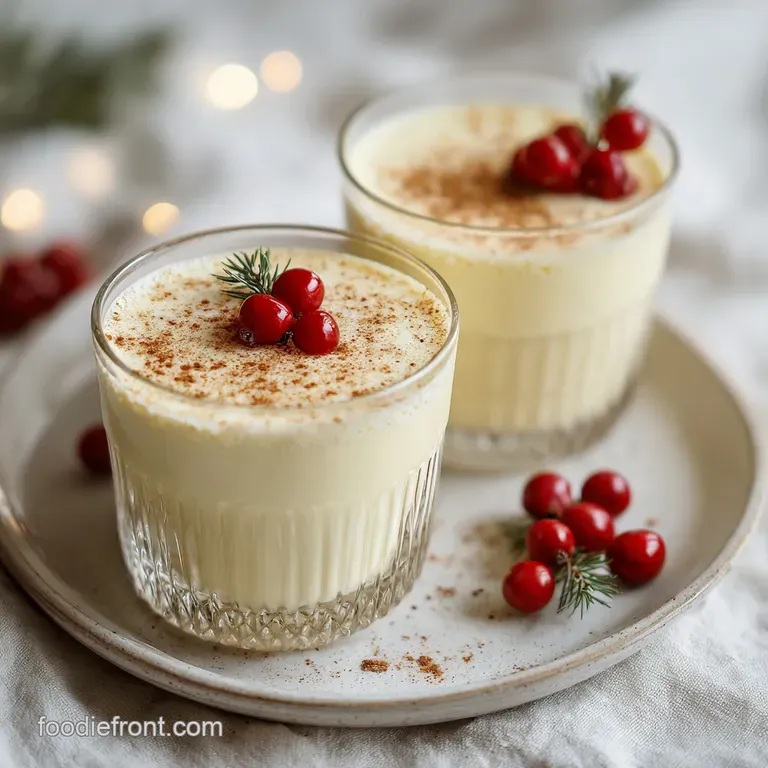
Now, let's get down to the actual making. This is a rhythmic process, so clear your workspace and have everything measured out before you turn on the heat. This is the best eggnog recipe because it focuses on the technique of tempering, which is a skill you can use for puddings and sauces too.
- Whisk yolks and sugar. Combine the 6 yolks and 1/2 cup sugar in a medium bowl until the mixture is pale yellow and falls in thick ribbons.
- Heat the milk base. In your saucepan, combine 2 cups milk, 1 tsp nutmeg, 1/2 tsp cinnamon, and a pinch of salt over medium heat.
- Steam the milk. Heat until tiny bubbles form at the edges and steam rises, but do not let it reach a rolling boil.
- Temper the eggs. Slowly ladle about 1/2 cup of the hot milk into the egg mixture while whisking constantly. Note: This warms the eggs gradually so they don't curdle.
- Combine everything. Pour the warmed egg mixture back into the saucepan with the remaining milk.
- Thicken the custard. Cook over low medium heat for about 5-8 minutes, stirring constantly with a wooden spoon.
- Check for doneness. Cook until the liquid coats the back of a spoon (it should reach 160°F or 71°C).
- Remove from heat. Stir in 1 tsp vanilla extract and 1 cup light cream immediately to stop the cooking.
- Strain and cool. Pour the mixture through a fine mesh strainer into a pitcher to ensure a silky finish.
- Add spirits (optional). Stir in 1/2 cup of your chosen alcohol if you are making an alcoholic eggnog recipe.
- Chill thoroughly. Refrigerate for at least 4 hours until completely cold and the flavors have melded.
Fixing Common Custard Mistakes
Even the best of us have days where the stove seems a bit too aggressive. If things start looking a bit weird in the pot, don't panic! Most issues with homemade eggnog recipe batches can be fixed if you catch them early.
The Scrambled Egg Texture
If you see little white or yellow flecks appearing in your custard, it means the eggs are cooking too fast. This usually happens if the heat is too high or you stopped stirring for a moment.
Thin or Watery Consistency
If your drink feels more like spiced milk than a rich custard, it likely didn't reach a high enough temperature. The proteins need to hit that 160°F mark to fully "unravel" and thicken the liquid.
| Problem | Root Cause | Solution |
|---|---|---|
| Grainy texture | Sugar didn't dissolve | Whisk yolks and sugar longer before adding the hot milk base. |
| Burnt smell | Milk scorched on bottom | Don't scrape the bottom; pour the good liquid into a new pot and continue. |
| Separating | Poor emulsification | Give it a quick 10 second blast in a blender to re incorporate the fats. |
- ✓ Always use a low to medium heat setting (patience is your best friend here).
- ✓ Never stop stirring once the eggs are in the pot.
- ✓ Use a thermometer to hit exactly 160°F for the perfect thickness.
- ✓ Strain the mixture through a fine mesh sieve every single time.
- ✓ Add the cold cream immediately after removing from heat to "shock" the temperature down.
Flavor Twists For Everyone
Once you have the classic method down, you can start playing around with different profiles. My family loves to experiment with what we have in the pantry. If you are looking for how to make eggnog without nutmeg, try doubling the cinnamon and adding a tiny pinch of ground cloves instead.
The Spiced Mocha Twist
Add 2 tablespoons of high-quality cocoa powder to the milk while heating. Once finished, stir in a shot of espresso. It tastes like a holiday latte but much richer.
The "Aged" Spirit Version
If you are making an old fashioned eggnog recipe, increase the alcohol content to 3/4 cup. The higher alcohol content acts as a preservative, allowing the drink to "mellow" in the fridge for up to two weeks, developing a complex, boozy character.
| Method | Time | Texture | Best For |
|---|---|---|---|
| Classic Stovetop | 25 minutes | Thick & Silky | Traditional family gatherings |
| Blender (Quick) | 10 minutes | Light & Frothy | Last minute guests (no cooking) |
| Aged (Fridge) | 2 weeks | Complex & Boozy | Gift giving and parties |
For a keto friendly version, you can swap the sugar for an erythritol based sweetener and use heavy cream instead of milk. Just be aware that it will be very, very thick!
Keep Your Batch Fresh
Proper storage is the difference between a refreshing treat and a kitchen disaster. Because of the dairy and egg content, you have to be careful with temperatures.
Storage Guidelines Keep your drink in the back of the fridge, which is the coldest part. Avoid the door shelves where the temperature fluctuates every time someone looks for a snack. It will stay fresh for up to 3 days.
If you've added a significant amount of alcohol (at least 15% by volume), it can last much longer, but for this specific recipe, stick to the 3 day rule for safety.
Zero Waste Tips If you find yourself with leftovers that you can't drink, don't pour them down the drain! Use the liquid as a base for French toast or bread pudding. The eggs, sugar, and milk are already perfectly balanced for a custard soak.
You can even use it as a creamer for your morning coffee to give it a festive kick.
Pairings For Family Parties
Serving this drink is an art in itself. I love to set out a little "topping station" for the grandkids. A bowl of whipped cream, some cinnamon sticks, and a small grater with whole nutmeg pieces makes it feel like a fancy cafe.
The Sweet Side This drink is quite rich, so it pairs beautifully with something slightly tart or crunchy. Gingersnaps or thin cranberry orange shortbread cookies are my go to. The sharp ginger or citrus cuts through the creaminess perfectly.
The Savory Balance If you are serving this during a party, try pairing it with salty snacks like roasted pecans or a sharp cheddar cheese plate. The saltiness balances the deep sweetness of the custard and makes you want to go back for another sip.
Chef Tip: For a beautiful presentation, dip the rims of your glasses in a little maple syrup and then into a mix of sugar and cinnamon before pouring. It adds a lovely "shimmer" to the presentation that always impresses the neighbors!
Debunking Kitchen Myths
One of the biggest myths is that you have to use raw eggs to get the "authentic" texture. That is simply not true! The cooked custard method we used here is safer and actually produces a much smoother, more consistent drink. Raw egg versions often separate and can have a "slimy" mouthfeel that is quite off putting.
Another common misconception is that you need to "age" your drink for weeks to get good flavor. While spirits do mellow over time, a fresh batch made with high-quality vanilla and freshly grated spices tastes absolutely vibrant and clean. You don't need to plan a month in advance to have a world class holiday drink!
Finally, don't believe the idea that you can't make this dairy-free. With modern barista blend nut milks, you can get a remarkably similar result that everyone can enjoy regardless of dietary needs.
Recipe FAQs
What are the ingredients in eggnog?
Egg yolks, sugar, whole milk, light cream, nutmeg, cinnamon, and vanilla extract are the core components; alcohol like bourbon or rum is optional.
What are common eggnog mistakes?
Overheating the eggs causing scrambling and not stirring constantly while tempering are the most frequent errors.
How to make eggnog with store-bought eggnog?
Stir in your preferred spirit (like bourbon or rum) at a ratio of about 1 part alcohol to 4 parts pre-made eggnog.
What alcohol is best to add to eggnog?
Bourbon, aged rum, or cognac are the best choices for a classic, sophisticated flavor profile.
Is it true I must use a double boiler for tempering the eggs?
No, this is a common misconception. A heavy bottomed saucepan over low-medium heat, combined with constant whisking, works perfectly.
How to ensure my homemade eggnog achieves a thick, silky texture?
Heat the custard gently until it reaches 160°F (71°C), which thickens the yolks sufficiently without scrambling them.
How long can I safely store homemade eggnog?
Store your eggnog for up to 3 days in the coldest part of the refrigerator for optimal safety and flavor.
Velvety Homemade Eggnog Recipe
Ingredients:
Instructions:
Nutrition Facts:
| Calories | 296 calories |
|---|---|
| Protein | 6.8 g |
| Fat | 15.1 g |
| Carbs | 22.3 g |
| Fiber | 0.2 g |
| Sugar | 21.1 g |
| Sodium | 82 mg |
