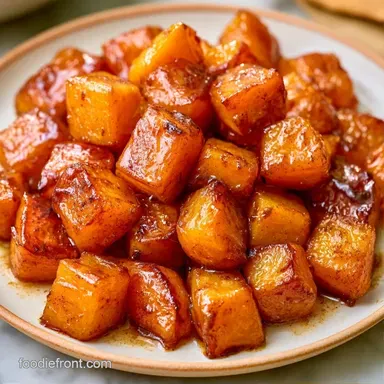
Slow Cooker Butternut Squash with Maple Syrup
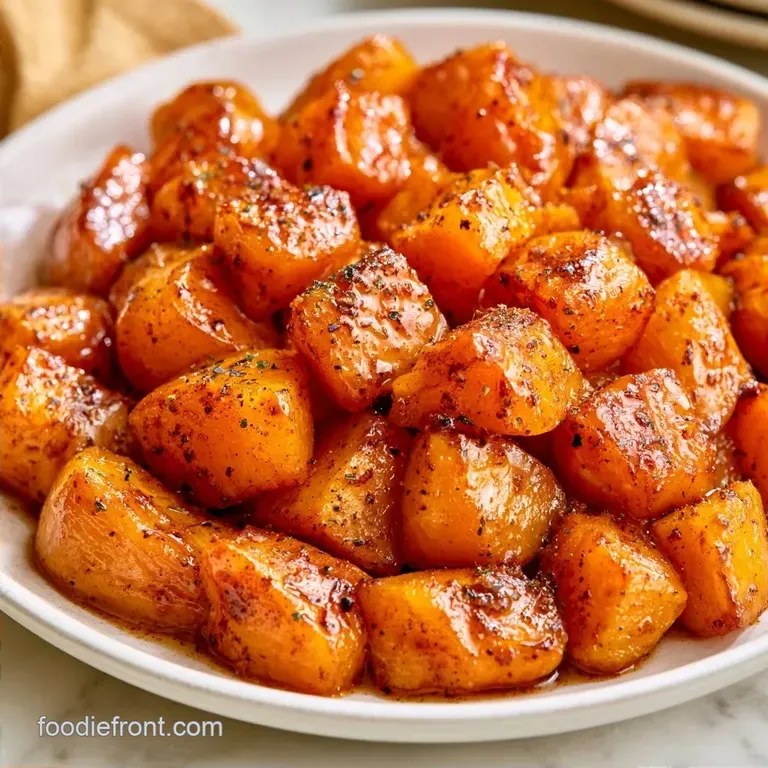
- Time: 15 min active + 4 hours cooking
- Flavor/Texture Hook: Sweet, maple glazed and tender
- Perfect for: Busy weeknights or holiday side dishes
We've all been there the kitchen is total chaos, the oven is occupied by a roast, and you suddenly remember the squash still needs to be prepared. For a long time, I believed roasting was the only way to achieve a deep, caramelized taste.
I spent years scrubbing charred sugar off my pans, convinced that without high oven heat, the dish wouldn't be hearty enough.
Truthfully, you can move past the traditional way of roasting winter gourds. After trying this method, I stopped using the oven for this recipe entirely. The slow cooker does the hard work, basting the squash in maple syrup and butter for several hours. The result is just as decadent and far more consistent.
The best part about this slow cooker approach is that it's practically set and forget. Just prep the cubes, stir in the seasonings, and move on with your day. By the time it's finished, your entire home will smell like cinnamon and autumn.
Easy Slow Cooker Butternut Squash for Family Dinner
Gentle Breakdown: The low temperature slowly softens the cell walls of the squash. This prevents the edges from getting mushy while the center stays hard.
Steam Basting: The sealed lid traps moisture, which mixes with the melting butter. This creates a thick glaze that coats every single cube.
Controlled Sweetness: Maple syrup doesn't burn at these temperatures. It seeps into the squash, giving it a deep, earthy sweetness.
Essential Kitchen Tools
This recipe doesn't require any fancy equipment. A basic slow cooker does most of the work I typically use a 6-quart model, though any size that holds 3 lbs of squash will do.
For preparation, a strong vegetable peeler is essential. Avoid using a paring knife on the tough butternut skin unless you're looking for a challenge. Just add a sharp chef's knife and a silicone spatula for the final stir, and you're set.
Ingredients and Their Roles
The goal here is a balance of salt, fat, and sweetness. Using butter and maple syrup together creates a rich coating that feels like a treat but tastes like a classic home cooked side.
| Ingredient | Role | If You Don't Have It |
|---|---|---|
| Butternut Squash | Main base | Kabocha squash (denser and sweeter) |
| Unsalted Butter | Fat for the glaze | Coconut oil (adds a slight coconut hint) |
| Maple Syrup | Natural sweetener | Honey (stronger, floral taste) |
| Garlic | Savory depth | Garlic powder (use 1 tsp instead) |
Detailed Shopping List
Grab these from your local store. I always suggest getting the squash that feels heavy for its size, as those are usually less woody.
- 3 lbs butternut squash, peeled and cubed Why this? Provides the hearty, starchy base
- 4 cloves garlic, smashed Why this? Adds a mellow, savory undertone
- 1/2 medium yellow onion, finely diced Why this? Adds aromatic sweetness
- 4 tbsp unsalted butter, cubed Why this? Creates the rich, glossy sauce
- 1/4 cup maple syrup Why this? Gives that classic autumn flavor
- 1 tsp ground cinnamon Why this? Adds warmth and spice
- 1 tsp kosher salt Why this? Balances the sugar
- 1/2 tsp black pepper Why this? Adds a tiny bit of bite
If you're planning a larger feast, this pairs really well with some seasoned green beans to cut through the sweetness.
Step by step Cooking
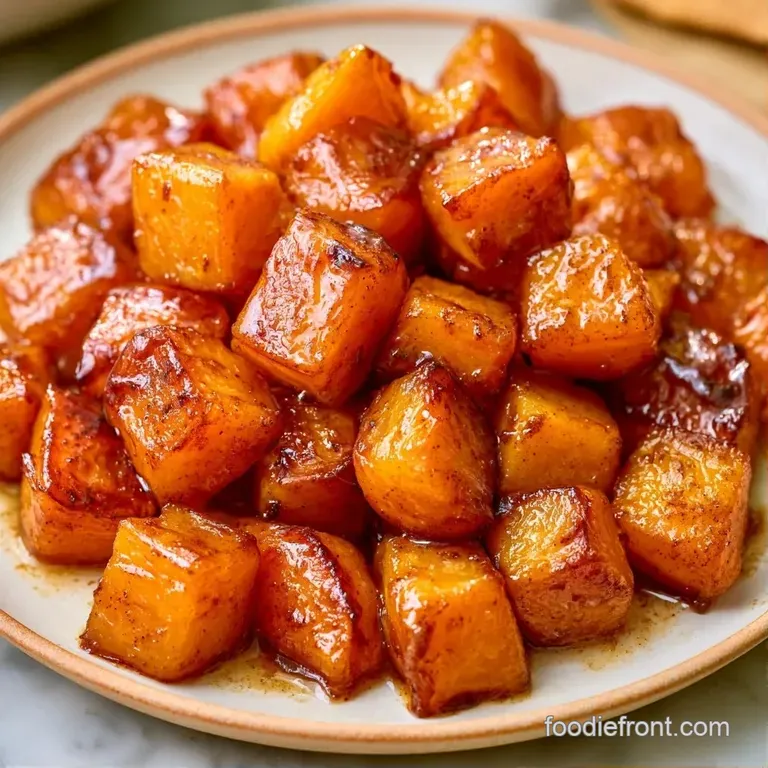
Now, let's begin the preparation. The secret to success here is consistency; if the cubes vary in size, some pieces will turn to mush while others remain undercooked.
- Slice the squash in half lengthwise and remove the seeds. Peel away the skin and dice the flesh into uniform 1 inch cubes.
- Add the squash cubes, diced onion, and smashed garlic to your slow cooker.
- Layer the butter cubes, maple syrup, cinnamon, salt, and pepper over the vegetables without stirring. Note: Placing the butter on top allows it to baste the squash as it melts.
- Place the lid on the pot.
- Cook on Low for 4 hours until the squash is fork tender. (Alternatively, you can use High for 2 hours).
- Verify the doneness; the squash should offer zero resistance when pierced with a fork.
- For a chunky consistency, gently fold the squash with a silicone spatula to coat it in the glaze.
- For a puréed consistency, use an immersion blender directly in the pot until the texture is silky.
- Taste the dish and add a pinch of salt if the flavor is too sweet.
Precision Checkpoints:
- Cube size: Exactly 1 inch for even cooking.
- Garlic prep: Smashed, not minced, to avoid bitterness.
- Doneness: Zero resistance when pierced with a fork.
Solving Common Problems
One thing I learned the hard way is that squash can be unpredictable. Sometimes it releases more water than other times, leaving you with a soup instead of a glaze.
If the mixture looks too watery, don't panic. Just take the lid off for the last 30 minutes of cooking and turn the heat to High. This lets the excess steam escape and thickens the syrup.
Another common issue is the skin. If you leave even a small strip of skin on, it won't soften in the slow cooker. It stays chewy and distracting, so be thorough with your peeler.
| Problem | Fix |
|---|---|
| Too much liquid | Cook lid off on High for 30 mins |
| Squash is too firm | Add 30 mins of cook time |
| Flavor is too bland | Stir in a pinch of salt or cinnamon |
Saving and Freezing
This Slow Cooker Butternut Squash keeps surprisingly well. I usually make a double batch because it's just as good the next day.
Fridge and Freezer Storage Store leftovers in a sealed container in the refrigerator for 3 to 4 days. If you want to freeze it, let it cool completely first. It stays good in the freezer for about 3 months. I recommend freezing the puréed version, as the cubes can get a bit soft after thawing.
Zero Waste Tips Don't toss those seeds! Rinse them, pat them dry, and toss them with a bit of salt and oil. Roast them at 325°F for 15 minutes for a crunchy snack. You can also toss the onion skins and squash peels into a freezer bag to make a veggie stock later. If you're into savory cooking, a splash of homemade beef stock in the pot during the first hour of cooking adds a great depth.
Different Flavor Twists
Depending on what you're serving, you might want to change the vibe of this recipe. The base method stays the same, but the seasonings can shift.
Savory Garlic and Herb Skip the maple syrup and cinnamon. Instead, use 2 tbsp of brown sugar and a teaspoon of dried sage or thyme. This makes it a better companion for roast chicken or pork.
Slow Cooker Butternut Squash Curry Swap the cinnamon for 1 tbsp of curry powder and replace the butter with coconut milk. It turns the dish into a hearty, vegetarian curry that's great over rice.
The Mac and Cheese Base If you purée the squash, you can stir it directly into a cheese sauce. It adds a gorgeous orange color and a subtle sweetness to a macaroni and cheese.
Decision Shortcut:
- Extra tang? → squeeze in 1 tbsp lemon juice.
- Heavier sweetness? → add 1 tbsp brown sugar.
- Extra spice? → pinch of ground cloves.
Best Serving Pairs
Because this dish blends sweet and savory notes, it pairs best with sides that offer a salty or acidic kick.
The Holiday Feast This is a fantastic addition to your Christmas or Thanksgiving spread, as it balances out the saltiness of ham or turkey. I recommend serving it with a tart cranberry sauce to create a sharp contrast between the maple sweetness and the berry acidity.
The Cozy Vegetarian Bowl For a plant based meal, serve this Slow Cooker Butternut Squash in a bowl topped with toasted pepitas, a dollop of Greek yogurt, and fresh parsley. It is a hearty, comforting dinner that feels sophisticated despite requiring almost no effort.
Fast vs Classic Method
| Method | Time | Result |
|---|---|---|
| Low (Classic) | 4 hours | Deepest flavor, most tender |
| High (Fast) | 2 hours | Faster, slightly firmer |
In my experience, the Low setting is well worth the wait, as it gives the flavors more time to fully meld into the squash. Just start it in the morning, and you'll have one less thing to manage by dinner time.
Recipe FAQs
Can you cook butternut squash in a slow cooker?
You can definitely use a slow cooker for this vegetable. It breaks down the sugars and creates a tender texture without needing a pot on the stove.
Which mistakes should I avoid when prepping the squash?
Avoid cutting the squash into uneven sizes. Inconsistent cubes lead to some pieces turning into mush while others remain hard.
How to achieve the best texture in a slow cooker?
Cut the flesh into uniform 1 inch cubes first. This ensures everything cooks evenly over 4 hours on low or 2 hours on high.
Could this recipe be turned into a creamy soup?
Use an immersion blender directly in the pot to create a smooth purée. This turns the glazed cubes into a thick, velvety soup instantly.
Is it true that I must stir the butter and syrup into the squash before starting?
Actually, no. Placing the butter and syrup on top allows the fats to baste the vegetables as they melt.
What side dishes pair well with these sweet cubes?
These pair nicely with a savory green vegetable. If you enjoy the ease of using a slow cooker, try my guide on how to cook frozen green beans for a complete meal.
Why use maple syrup instead of honey?
Maple syrup complements the cinnamon and squash for a classic autumnal flavor profile. It blends seamlessly with the melted butter to create a glossy glaze.
Slow Cooker Butternut Squash