How to Season Canned Green Beans: Smoky Southern Style
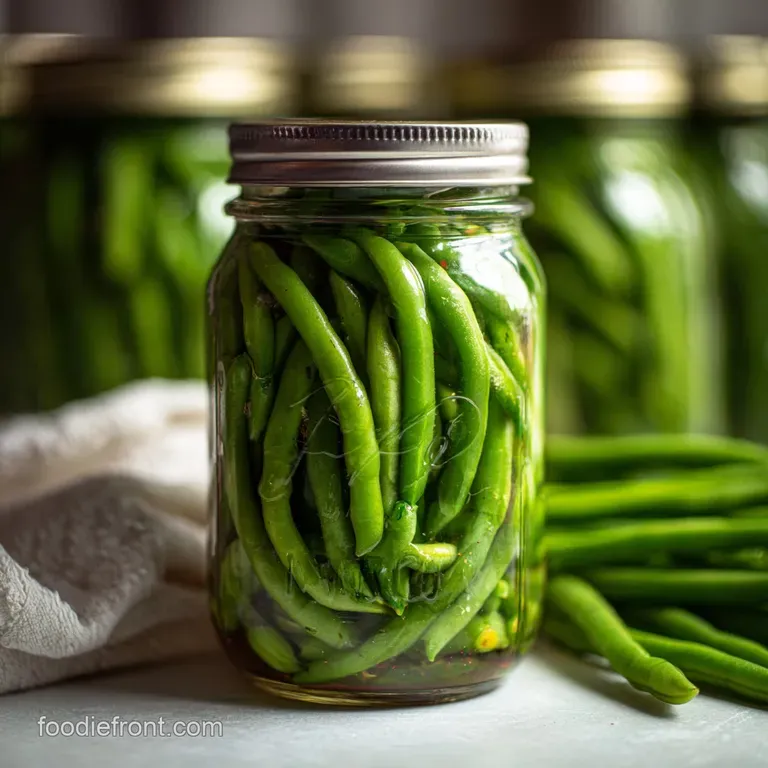
- Time: Active 5 mins, Passive 15 mins, Total 20 mins
- Flavor/Texture Hook: Smoky, savory, and tender crisp
- Perfect for: Busy weeknight family dinners
How to Season Canned Green Beans
The sharp "clink" of the metal can opener always takes me back to my mother's kitchen on a rainy Tuesday night. She had this way of making the simplest ingredients feel like a warm hug, and these green beans were her secret weapon.
I remember the sizzle of bacon hitting the pan, filling the house with a smoky aroma that promised something far better than a standard side dish. It wasn't just about opening a can; it was about the transformation that happened in that little saucepan.
We've all been there, staring at a tin of beans and wondering if they'll ever be more than just "fine." I once made the mistake of just microwaving them with a knob of butter, and the result was, frankly, depressing. They were watery and had that distinct, tinny aftertaste that no amount of salt could fix.
That was the day I realized that how to season canned green beans is actually about building layers of fat and salt to counteract the canning process.
The recipe I'm sharing with you today is the result of years of tinkering. It’s hearty, comforting, and has become a staple at our family table. We aren't looking for gourmet complexity here; we're looking for that deep, soul satisfying flavor that makes your kids actually ask for seconds of a vegetable.
Trust me, once you see how the bacon fat and chicken broth work together, you'll never go back to plain beans again.
Essential Recipe Specifications
Getting the timing right is the difference between a side dish that shines and one that gets left on the plate. We want the beans to absorb the flavors without turning into a mushy pile. This timeline ensures every ingredient has its moment to shine.
| Cook Method | Total Time | Texture | Best For |
|---|---|---|---|
| Stovetop Simmer | 20 minutes | Tender & Velvety | Deep flavor infusion |
| oven-roasted | 25 minutes | Slightly Charred | Concentrated sweetness |
| Slow Cooker | 4 hours | Soft & Silky | Holiday potlucks |
This stovetop method is my favorite because it offers the most control over the liquid reduction. You can watch as the broth transforms into a glossy glaze that clings to every bean. If you find yourself needing a more hands off approach for a larger meal, our Pinto Beans Slow recipe uses similar flavor profiles but lets the crockpot do all the heavy lifting.
The Secret of Brine Displacement Cooking the beans in chicken broth instead of their canning liquid uses osmosis to pull out the metallic sodium and replace it with savory chicken essence.
The small amount of sugar acts as a chemical bridge that neutralizes the residual acidity from the canning process.
The Hearty Pantry Ingredients
Every item in this list serves a specific purpose in building the final flavor profile. Using high-quality fats is non negotiable for that "from scratch" taste.
- 2 cans (14.5 oz each) Green Beans: Use cut or French style based on your texture preference.
- 1/2 cup Low sodium chicken broth: Provides a savory base without over salting the dish. Why this? Replaces the "can water" with actual depth and minerals.
- 2 slices Thick cut bacon: Chopped into small pieces to provide smoky fat and crispy bits. Why this? The rendered fat creates a silky mouthfeel.
- 2 tbsp Unsalted butter: Adds a creamy finish and rounds out the sharp spices.
- 1 tsp Garlic powder: Essential for that classic savory punch.
- 1/2 tsp Onion powder: Provides a background sweetness that fresh onions sometimes miss in short cook times.
- 1/2 tsp Cracked black pepper: Adds a gentle heat that cuts through the rich bacon fat.
- 1/2 tsp Granulated sugar: The "secret" ingredient that balances the salt and canned notes.
- 1/8 tsp Salt: Just a pinch, as the bacon and broth already bring quite a bit to the table.
| Component | Science Role | Pro Secret |
|---|---|---|
| Bacon Fat | Flavor Carrier | Start in a cold pan to render more fat without burning the meat. |
| Granulated Sugar | Acidity Balancer | A tiny amount masks the "tin" taste without making the dish sweet. |
| Chicken Broth | Rehydration | Use low sodium to control the final seasoning level accurately. |
Necessary Tools for Success
You don't need a professional kitchen to make these, but a few specific tools make the process much smoother. I always reach for my heavy bottomed saucepan or a cast iron skillet. The heavy base helps distribute heat evenly, preventing the bacon fat from scorching while you're prepping the beans.
You'll also need a sturdy colander. Draining the canning liquid thoroughly is the most important step for a clean flavor. I like to give the beans a quick rinse under cold water too, just to be sure. A silicone spatula is great for scraping up all those "frond" bits (the tasty brown stuff) left behind by the bacon. If you're looking for more ways to use these tools, check out our Sauteed Green Beans recipe for a fresh bean variation that uses the same skillet techniques.
Chef's Note: If you want the bacon to stay crispy, remove it from the pan after rendering and only add it back right before serving. However, for true Southern style, let it simmer with the beans to infuse the entire pot.
step-by-step Cooking Guide
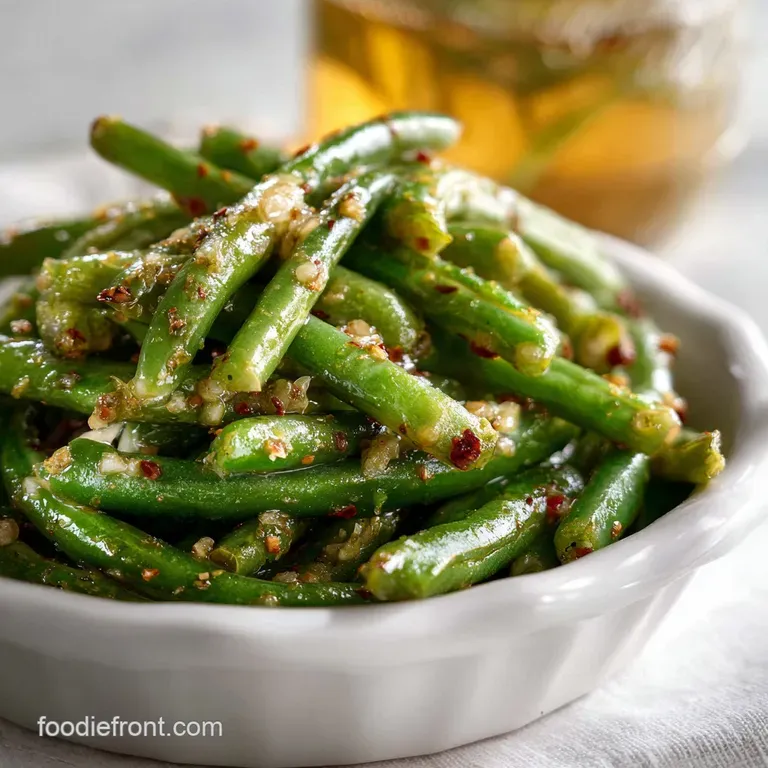
- Drain the beans. Pour the cans into a colander and discard all the liquid. Note: This removes the metallic preservatives.
- Render the bacon. Place the 2 slices of chopped bacon in a cold saucepan over medium heat.
- Crisp the bits. Cook the bacon until the fat is clear and the edges are golden.
- Melt the butter. Add the 2 tbsp of unsalted butter to the bacon fat, swirling until it foams.
- Bloom the spices. Stir in the garlic powder, onion powder, pepper, sugar, and salt. Wait until the aroma fills the room (about 30 seconds).
- Deglaze the pan. Pour in the 1/2 cup of chicken broth, scraping the bottom to release the bacon flavor.
- Add the beans. Toss the drained green beans into the simmering liquid.
- Simmer low. Reduce the heat and let the mixture bubble gently for 15 minutes.
- Check the reduction. Cook until the liquid has reduced by half and looks glossy.
- Final toss. Give everything one last stir to ensure the butter and spices are evenly distributed.
| Original Ingredient | Substitute | Why It Works |
|---|---|---|
| Chicken Broth | Vegetable Broth | Maintains savory depth while keeping it poultry free. |
| Thick cut Bacon | Smoked Turkey or Ham | Offers similar smokiness with less saturated fat. |
| Unsalted Butter | Olive Oil | Creates a lighter finish. Note: Lose the creamy dairy notes. |
Fixing Common Texture Issues
Even with the best intentions, things can go sideways. The most common complaint with canned vegetables is the texture, but most problems are easily solved with a quick adjustment.
Why Your Beans Taste Tinny
This usually happens when the beans haven't been rinsed or when the acid balance is off. The canning liquid contains preservatives and salt that have a very specific "industrial" flavor. By draining and rinsing, you start with a blank canvas.
If they still taste a bit sharp, a tiny pinch more of that granulated sugar can work wonders.
Why Your Beans Are Mushy
Canned beans are already cooked, so we aren't "cooking" them as much as we are "infusing" them. If you boil them on high heat, the cell walls collapse, and you get mush. Keep the heat at a gentle simmer.
If you've already overcooked them, try adding a handful of toasted slivered almonds at the end to provide some much needed crunch.
| Problem | Root Cause | Solution |
|---|---|---|
| Too Salty | Broth/Bacon overlap | Add a splash of water and a squeeze of lemon juice. |
| Greasy Texture | Fat didn't emulsify | Stir in a tablespoon of broth and whisk vigorously. |
| Bland Flavor | Under seasoned | Add a dash of Worcestershire sauce or extra pepper. |
Common Mistakes Checklist
- ✓ Never skip draining and rinsing the beans; that liquid is the enemy of flavor.
- ✓ Start bacon in a cold pan to maximize the amount of fat rendered for the beans.
- ✓ Avoid high heat once the beans are in the pan; a low simmer is all you need.
- ✓ Don't add all the salt at once; taste after the bacon and broth have simmered.
- ✓ Use a wide enough pan so the liquid can reduce and glaze the beans properly.
Flavorful Variations to Explore
If you want to keep the meal meat free, you can still get amazing results. Simply swap the bacon for a teaspoon of smoked paprika and use a high-quality olive oil in place of the butter. This provides that necessary smokiness without the pork.
For those who love a bit of heat, adding a pinch of red pepper flakes to the butter while it's foaming will infuse the entire dish with a gentle glow.
If you are a fan of one pot wonders, you can actually build a whole meal around this. You might find success adding these seasoned beans to our One Pot Chicken recipe during the last few minutes of cooking. It saves on dishes and lets the flavors meld together perfectly.
- Southern Style: Add a splash of apple cider vinegar at the very end for a tangy "pot liquor" finish.
- Garlic Lover's: Use 3 cloves of fresh minced garlic instead of powder, but add them late so they don't burn.
- Holiday Flare: Toss in a handful of dried cranberries and toasted pecans for a festive look.
Storage and Zero Waste
Leftover green beans are actually a treat because the flavors continue to develop in the fridge. Store them in an airtight container for up to 4 days. When reheating, I recommend the stovetop over the microwave. A quick toss in a hot skillet for 3 minutes will help the butter re emulsify and keep the beans from getting rubbery. If you find yourself with too many cans, check out How to Cook recipe to see how different preservation methods affect seasoning choices.
For a zero waste approach, don't throw away that leftover simmering liquid if you have any! It’s packed with bacon fat and vegetable essence. I often save it in a small jar and use it as the starting liquid for a soup or to flavor a pot of rice the next day. It’s basically liquid gold.
Beautiful Table Presentation
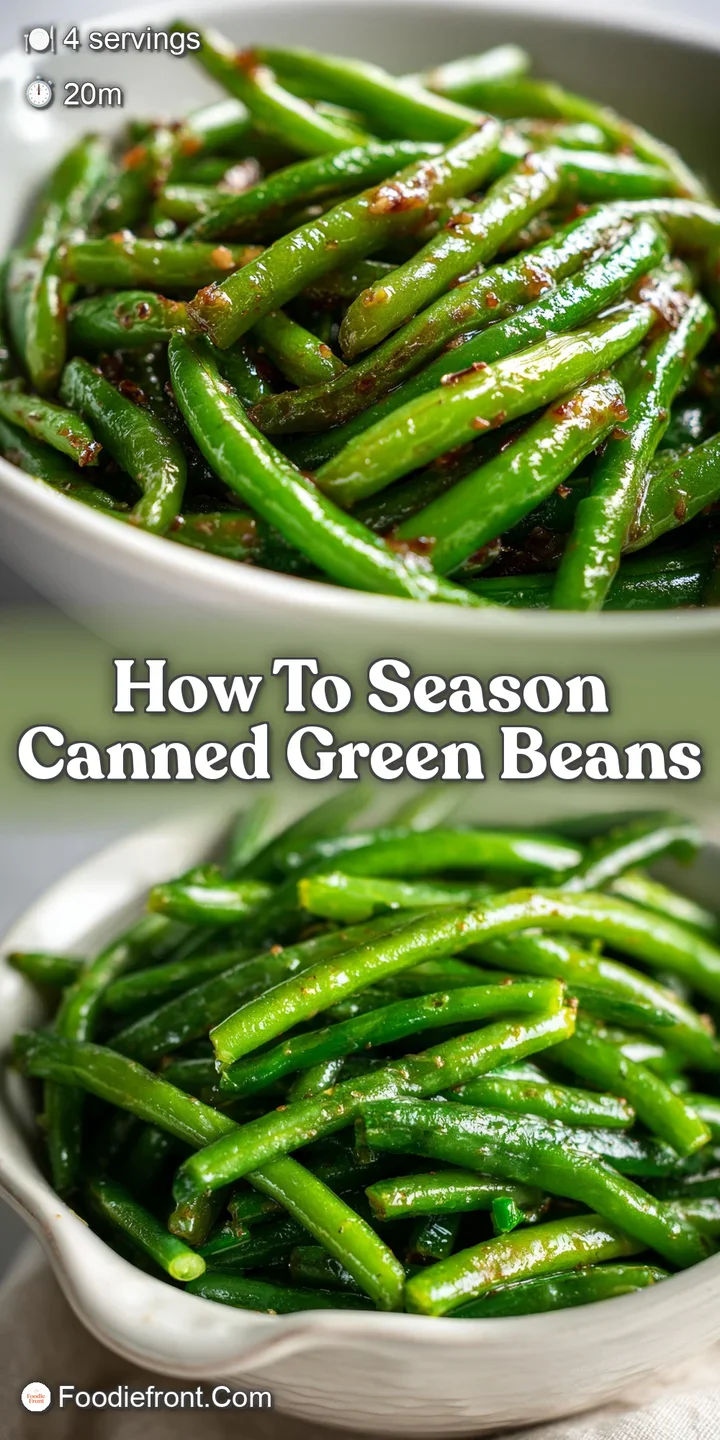
Even a simple side dish deserves to look enticing. When serving, I like to use a shallow white bowl rather than a deep dish; this prevents the beans from sitting in too much liquid and allows the crispy bacon bits to stay visible on top.
A final crack of fresh black pepper across the top adds a touch of "chef y" elegance.
If you're serving these for a family dinner, place the bowl right in the center of the table. The glossy sheen of the butter and the vibrant green of the beans (which brightens slightly when heated with the broth) makes them look far more expensive than they actually are.
It's the ultimate comfort food that proves you don't need a massive budget to feed your family with love.
Recipe FAQs
How do you add flavor to canned green beans?
Simmer them in a savory liquid with rendered fat. Drain the canning liquid, then simmer the beans in a mix of bacon fat (or butter), chicken broth, sugar, and spices for at least 15 minutes to let them absorb the flavor.
What seasonings go well on green beans?
Garlic powder, onion powder, pepper, and a pinch of sugar are essential starting points. The sugar specifically helps neutralize the metallic taste common in canned vegetables.
How to make canned greens taste better?
Render bacon or smoked ham hock fat into the pan first. This fat acts as the primary flavor carrier, immediately masking the tinny taste and adding depth. If you enjoy deep, smoky flavors, mastering this technique is key; see how we use similar fat rendering in our Rotisserie Chicken Seasoning Recipe: Homemade Blend Ready in 5 Minutes.
What should I season canned beans with if I want a smoky flavor?
Use rendered bacon fat and smoked paprika or liquid smoke. The rendered fat adds richness, while smoked paprika replicates the slow cooked barbecue notes you are missing from fresh preparation.
Can I skip the sugar when seasoning canned green beans?
No, omitting sugar is not recommended for canned beans. The small amount of sugar is crucial because it chemically balances the slight acidity left over from the canning process, resulting in a rounder, less sharp flavor.
Should I rinse the canned green beans before seasoning them?
Yes, always rinse them thoroughly before cooking. Draining and rinsing removes the salty, metallic canning liquid, giving you a cleaner slate to build your desired flavor profile upon.
How can I add a slightly tangy brightness to seasoned canned beans?
Stir in a small splash of apple cider vinegar at the very end. This finishes the dish with brightness, cutting through the richness of the fat. If you are already cooking with savory elements, this acid balance technique is important; for a different application of acid balancing, see how we incorporate it into our Simple Roasted Broccoli with Parmesan: Crispy Finish.
Season Canned Green Beans Southern
Ingredients:
Instructions:
Nutrition Facts:
| Calories | 153 kcal |
|---|---|
| Protein | 3.1 g |
| Fat | 13.8 g |
| Carbs | 5.2 g |
| Fiber | 2.1 g |
| Sugar | 1.8 g |
| Sodium | 485 mg |
