Roasted Tomato Hot Sauce Recipe
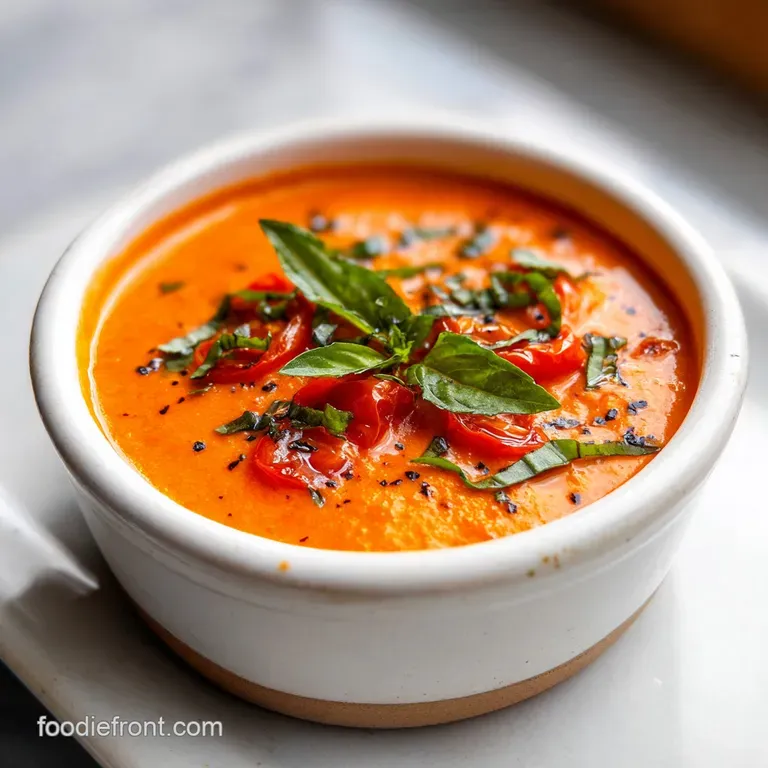
- Time: Active 10 minutes, Passive 25 minutes, Total 35 minutes
- Flavor/Texture Hook: A velvety, smoky blend that hits with sharp acidity before mellowing into a rich, honeyed finish.
- Perfect for: Leveling up your weekend taco bar, gift giving to spice loving friends, or brightening up weekday eggs.
- Bold Flavor in Every Drop: Tomato Hot Sauce
- Science of over High heat Flavor Extraction
- Kitchen Specs for Your Spicy Project
- Essential Tools for Velvety Results
- Steps to Achieving Punchy Sauce Texture
- Troubleshooting Tips for Your Sauce Texture
- Smart Swaps for Bold Flavor Variations
- Guidelines for Storage and Zero Waste
- Pairings That Steal the Show
- Recipe FAQs
- 📝 Recipe Card
Bold Flavor in Every Drop: Tomato Hot Sauce
I remember the first time I tried making a homemade condiment. I was convinced that just throwing raw peppers and tomatoes into a blender would give me that punchy, restaurant style kick. It was a watery, bitter mess that lacked any soul. I realized then that the secret isn't just in the heat, it's in the contrast.
That char on the tomatoes, the mellowing of the onion in the oven, and that final hit of honey are what turn a basic condiment into a bold masterpiece.
When you pull those roasted vegetables out of the oven, the aroma is absolutely intoxicating. The habaneros lose their raw, stinging edge and take on a fruity, almost tropical scent that plays so well with the smoky paprika.
You aren't just making a sauce; you're building layers of flavor that will make your store-bought bottles look incredibly dull. We are talking about a sauce that has enough personality to be the main event on the plate.
This recipe is all about that tension between the fire of 40 g fresh habanero peppers and the earthy sweetness of 1 lb fresh Roma tomatoes. By the time you're done, you'll have a velvety liquid gold that's savory, spicy, and just a little bit sweet.
It's the kind of sauce that makes people stop eating for a second just to ask, "Wait, what is in this?" Let's get into the details so you can start stunning your dinner guests.
Science of over High heat Flavor Extraction
The Charred Sugar Synergy: Roasting the tomatoes and onions at high heat triggers the Maillard reaction, converting natural starches into complex, savory sugars that balance the capsaicin fire. This process creates a depth of flavor that raw blending simply cannot mimic.
Capasicin Solubility: Capsaicin, the heat element in peppers, is fat soluble and alcohol soluble, but since we are using apple cider vinegar, the acidity helps to suspend the heat evenly throughout the velvety texture.
The vinegar also lowers the pH to around 3.5, which is the magic number for shelf stability and long term freshness.
| Method | Time | Texture | Best For |
|---|---|---|---|
| oven-roasted | 25 minutes | Smoky and thick | Maximum flavor depth |
| Stovetop Simmer | 15 minutes | Bright and fresh | Quick weeknight prep |
| Raw Ferment | 7-14 days | Tangy and funky | Pro level complexity |
Choosing the roasting method is almost always the winner in my kitchen because it provides that show stealing char that defines a high end Tomato Hot Sauce. The stovetop method is fine if you're in a rush, but you lose that concentrated umami that only a hot oven can provide.
If you have the time, stick with the roast.
Component Analysis
| Ingredient | Science Role | Pro Secret |
|---|---|---|
| Roma Tomatoes | Base Body | Use Roma specifically because they have a lower water content, leading to a thicker sauce. |
| Habanero Peppers | Heat & Fruitiness | The floral notes of the habanero pair perfectly with the honey; don't swap for Jalapeños if you want that specific aroma. |
| Apple Cider Vinegar | pH & Brightness | ACV adds a fruity acidity that complements the roasted tomatoes better than harsh white vinegar. |
While some might reached for standard white vinegar, I find it too clinical. The apple cider version brings a mellow, orchard like sweetness that bridges the gap between the spicy peppers and the savory tomatoes. It’s a small choice that makes a massive impact on the final profile.
Kitchen Specs for Your Spicy Project
To get this right, you need to understand the balance of the ingredients. We are focusing on high-quality produce because there is nowhere for subpar ingredients to hide in a sauce this concentrated.
- 1 lb fresh Roma tomatoes: Why this? Their meaty texture ensures the sauce isn't too thin or runny after blending. (Substitute: 1 can whole peeled tomatoes, drained, though you lose the fresh char).
- 40 g fresh habanero peppers: Why this? They provide a unique fruity heat that defines the "caribbean" style profile. (Substitute: Scotch Bonnet for similar heat, or Fresno for a milder version).
- 150 g white onion, quartered: Why this? Adds a structural sweetness that rounds out the sharp acidity of the vinegar. (Substitute: Red onion for a more peppery, sharp bite).
- 4 cloves garlic, unpeeled: Why this? Roasting them in the skin prevents the garlic from turning bitter or burning. (Substitute: 1 tsp garlic powder, but it lacks the buttery texture of roasted cloves).
- 0.5 cup apple cider vinegar: Why this? Essential for preservation and providing that signature "zing". (Substitute: Rice vinegar for a softer, sweeter acidity).
- 1 tsp sea salt: Why this? Enhances all the other flavors and draws out moisture during the roasting phase. (Substitute: Kosher salt, use 1.5 tsp).
- 1 tbsp honey: Why this? This is the secret to balancing the habanero's aggressive spice level. (Substitute: Agave nectar or maple syrup for a vegan friendly version).
- 0.5 tsp smoked paprika: Why this? Adds a subtle wood smoke undertone that suggests the sauce was made over a fire. (Substitute: Regular paprika if you want less smoke).
Chef's Tip: If you want an even deeper flavor, try roasting the tomatoes on a cast iron skillet under the broiler. The direct contact with the hot metal creates a "blister" that is much more flavorful than standard convection roasting.
Essential Tools for Velvety Results
You don't need a professional kitchen, but a high powered blender is your best friend here. If you use a food processor, you'll get a chunkier, salsa like consistency, which is fine, but for that true Tomato Hot Sauce feel, we want it silky.
A sturdy rimmed baking sheet is also non negotiable. It catches the juices that the tomatoes release as they soften. Those juices are liquid gold - do not discard them! They contain concentrated tomato essences that add body to your final blend.
| Fresh Roma | Canned Tomatoes | Flavor Impact |
|---|---|---|
| Sweet, charred | Acidic, metallic | Fresh provides a complex "garden" taste that canned versions can't touch. |
| Firm texture | Soft/Mushy | Fresh allows for better roasting and caramelization of the skins. |
Steps to Achieving Punchy Sauce Texture
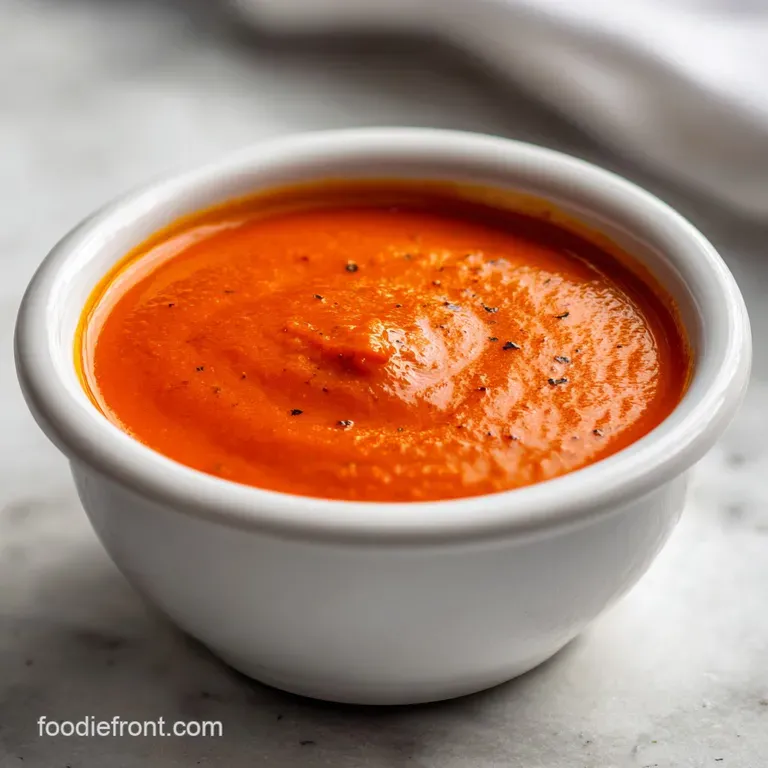
- Preheat the oven to 425°F (220°C). This high heat is crucial for getting the skin to blister before the inside of the tomato turns to complete mush.
- Arrange the 1 lb Roma tomatoes, 150 g onion, and 40 g habaneros on the baking sheet. Tuck the 4 garlic cloves (still in their skins!) between the tomatoes so they don't scorch.
- Roast the vegetables for 20 minutes until the tomato skins are wrinkled and slightly blackened. Note: The habaneros might char faster, so keep an eye on them.
- Extract the garlic cloves from their skins. They should be soft and buttery. Squeeze them directly into your blender jar.
- Transfer all the roasted vegetables and any accumulated juices from the pan into the blender. Note: This is where the flavor lives, so scrape that pan clean.
- Add the 0.5 cup apple cider vinegar, 1 tsp sea salt, 1 tbsp honey, and 0.5 tsp smoked paprika to the mix.
- Blend on high speed for 60 seconds until the mixture is completely velvety and smooth. You shouldn't see any large flecks of pepper skin.
- Pour the mixture into a small saucepan and bring to a light simmer over medium heat.
- Simmer for 15 minutes. Watch for the color to deepen into a rich, dark orange. This step cooks off the raw vinegar edge and marries the flavors.
- Cool the sauce to room temperature before bottling. The heat will continue to develop as it sits, so don't be alarmed if it tastes a bit "angry" right out of the blender.
Troubleshooting Tips for Your Sauce Texture
My Sauce is Too Bitter
This usually happens if the garlic or onion scorched during roasting. Burned garlic has a very distinct, acrid taste that can permeate the whole batch. You can try to mask this by adding another teaspoon of honey, but it's hard to fully remove.
It’s Too Thick to Pour
Roma tomatoes vary in water content. If your sauce looks more like a paste than a pourable liquid, simply whisk in a tablespoon of water or extra vinegar at a time until you hit the desired consistency. Remember, it will thicken further as it chills in the fridge.
The Heat is Overwhelming
Habaneros are unpredictable. One batch might be mild, while the next is nuclear. If the sauce is too hot to enjoy, you can dilute it by blending in another roasted tomato or a bit more honey. The sweetness of the honey acts as a chemical foil to the capsaicin.
| Problem | Root Cause | Solution |
|---|---|---|
| Separation | Lack of emulsification | Blend for a full minute or add 1/4 tsp of xanthan gum. |
| Dull Color | Under roasting | Ensure the tomato skins are actually charred, not just soft. |
| Too Thin | Excess tomato juice | Simmer for an extra 10 minutes to reduce the liquid content. |
Common Mistakes Checklist:
- ✓ Forgetting to peel the garlic after roasting (the skins won't blend smoothly).
- ✓ Leaving the habanero stems on (they add a bitter, "green" woody taste).
- ✓ Using cold vinegar (start with room temp to avoid shocking the hot roasted veg).
- ✓ Skipping the simmer step (the sauce will taste disjointed and overly acidic).
- ✓ Not wearing gloves when handling 40g of habaneros trust me on this, your eyes will thank you later.
Smart Swaps for Bold Flavor Variations
If you're feeling adventurous, this Tomato Hot Sauce recipe is a fantastic canvas for experimentation. I've found that substituting the honey for maple syrup gives it a woody, autumnal vibe that is incredible on roasted pork.
You could also lean into a more Mediterranean profile. Instead of the smoked paprika, try adding some fresh oregano during the blending phase. This pairs beautifully with my Garlic Butter Dip recipe if you want a spicy, buttery dipping experience for crusty bread.
- Halving the recipe
- Use a smaller roasting pan to prevent the juices from evaporating too quickly. Reduce the simmer time to about 8 minutes.
- Doubling the recipe
- Keep the salt at 1.5x rather than a full 2x. You’ll need to work in batches in the blender to ensure everything gets properly liquefied.
- The "Green" Twist
- Swap the Roma tomatoes for tomatillos and the habaneros for serranos. Keep everything else the same for a roasted salsa verde style sauce.
Chef's Note: If you want to make a fermented tomato hot sauce, skip the roasting and the vinegar. Brine the raw ingredients in a 3% salt solution for 2 weeks, then blend. It will have a much funkier, probiotic rich tang.
Guidelines for Storage and Zero Waste
Since we've used a healthy dose of apple cider vinegar and salt, this sauce stays fresh in the refrigerator for up to 1 month. Always use a clean spoon or pour directly from the bottle to prevent cross contamination. If you want to keep it longer, you can freeze it in ice cube trays for up to 6 months.
Just pop a cube into a soup or stew whenever you need a quick flavor boost.
Zero waste tip: Don't toss those tomato tops or onion peels! Keep a "stock bag" in your freezer. When it’s full, simmer those scraps with some water and peppercorns to make a savory vegetable base for your next risotto.
Even the habanero seeds can be dried and crushed into a potent chili flake if you're brave enough.
Pairings That Steal the Show
This sauce isn't just a sidekick; it's a lead actor. It provides the perfect acidic counterpoint to rich, fatty meats. I love drizzling it over these Spicy Chicken Patties recipe because the roasted tomato notes bridge the gap between the poultry and the breading perfectly.
- Top Notes
- Bright vinegar and citrusy habanero.
- Mid Notes
- Savory roasted garlic and caramelized onion.
- Base Notes
- Earthy smoked paprika and a lingering honey sweetness.
- If you want a Caribbean vibe
- Add 1/4 tsp of ground allspice to the blender.
- If you want Maximum Heat
- Keep the seeds in all the habaneros.
- If you want a Smoky Finish
- Roast the vegetables over an outdoor charcoal grill instead of in the oven.
Honestly, don't even bother with the low-fat versions of dishes when using this sauce. It craves fat and salt to balance its intensity. Try it on a breakfast burrito with extra chorizo and full fat cheddar, and you'll see exactly why I'm so obsessed with this recipe.
It’s bold, it’s punchy, and it’s going to become a permanent resident in your fridge door. Let's crack on and get roasting!
Kitchen Folklore & Myths
One of the biggest myths in the hot sauce world is that all the heat is in the seeds. In reality, the majority of the capsaicin is concentrated in the white pith (the placenta) inside the pepper. If you want a milder Tomato Hot Sauce, you need to remove the pith, not just the seeds.
Another misconception is that you need to boil the sauce for hours to get it to "settle." Over boiling actually mutes those bright, fruity notes from the habanero and the vinegar. A quick 15 minute simmer is all you need to achieve flavor harmony without killing the sauce's soul.
Trust the process, and don't overcook your hard work!
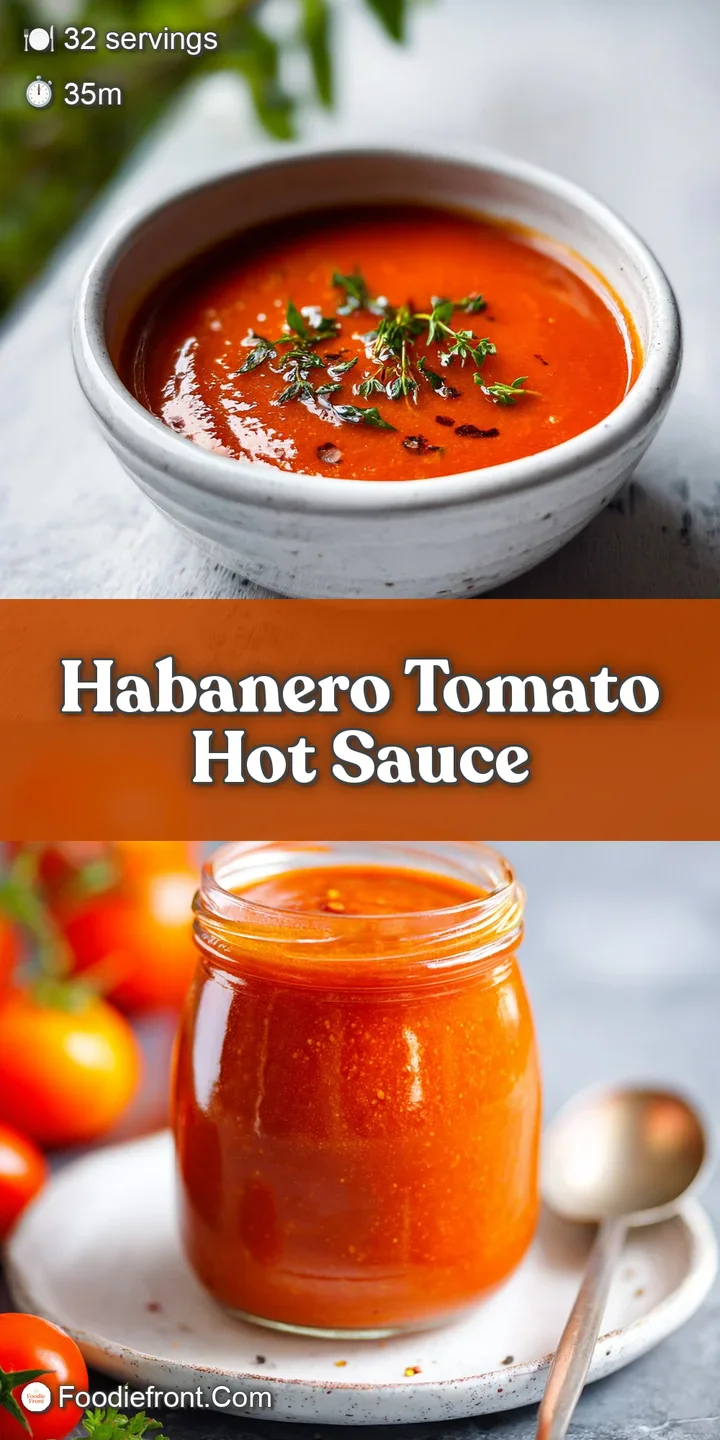
Recipe FAQs
What is the spicy tomato sauce called?
It is generally called Tomato Hot Sauce. However, if it uses specific peppers like habanero, it might be regionally named based on those peppers, like Habanero Tomato Salsa.
What hot sauce do most Mexicans use?
Cholula is one of the most commonly consumed brands across Mexico and the US. Mexican cuisine features a vast array of regional sauces, often featuring dried chiles like Guajillo or Arbol rather than the vinegary kick of many US-market sauces.
Are tomatoes good in hot sauce?
Yes, tomatoes are excellent in hot sauce for balance and body. They provide a deep, savory sweetness and lower acidity that beautifully tempers the intense fire of the chilies.
What is the best selling hot sauce in the US?
Tabasco is historically the best selling hot sauce in the United States by volume. However, brands like Frank's RedHot and Sriracha frequently compete for the top retail sales spot.
How do I make my homemade tomato hot sauce taste less raw and more complex?
Roast the tomatoes and peppers until deeply charred and blistered. This high heat caramelization triggers the Maillard reaction, developing rich, savory sugar notes that mask any raw vegetable flavor.
Is it true that I must boil the sauce for hours to ensure it’s safe?
No, boiling for hours is unnecessary and degrades flavor. Achieving a low pH, around 3.5, using vinegar is the key to safety; a quick 15-minute simmer is enough to marry the flavors.
What side dish pairs well with a smoky, spicy tomato hot sauce?
A bright, fresh green vegetable complements the sauce's richness perfectly. This sauce pairs wonderfully with our Garlic Green Beans recipe for a spicy, savory meal combination.
Roasted Tomato Hot Sauce
Ingredients:
Instructions:
Nutrition Facts:
| Calories | 8 kcal |
|---|---|
| Protein | 0.2 g |
| Fat | 0.1 g |
| Carbs | 1.6 g |
| Fiber | 0.3 g |
| Sugar | 1.1 g |
| Sodium | 72 mg |
