Homemade Beef Stock Recipe
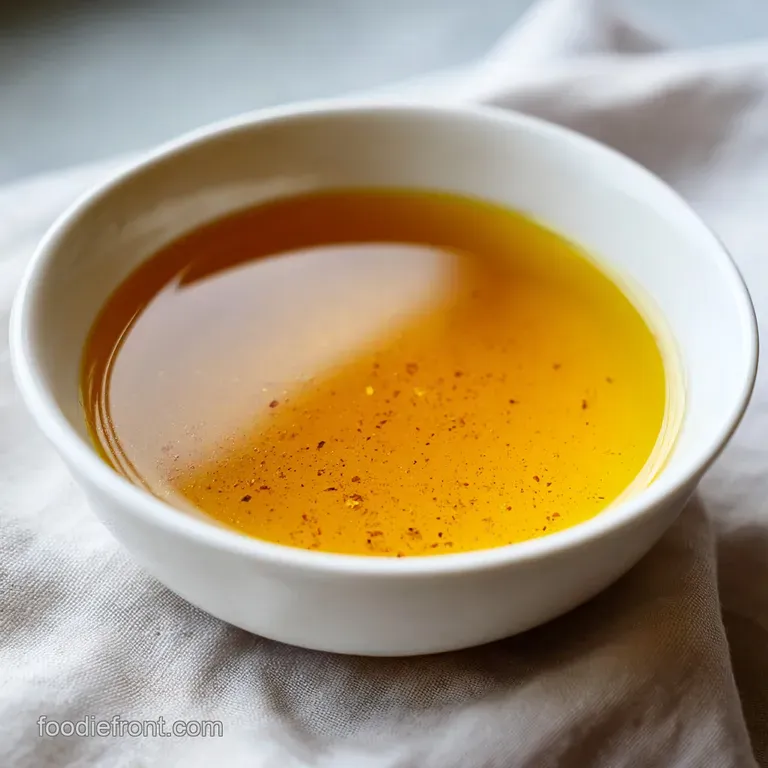
- Time: Active 20 mins, Passive 12 hours, Total 12 hours 20 mins
- Flavor/Texture Hook: Velvety mouthfeel with a deep, toasted umami profile
- Perfect for: Weekend meal prep and building the ultimate family Sunday roast
- How to Make the Most Comforting Beef Stock
- Why This Liquid Gold Works
- Important Specs for Every Kitchen
- Understanding Each Component Carefully
- Tools for a Successful Simmer
- Ingredients & Substitutes
- The Path to Rich Flavor
- Avoiding Mistakes for Clear Results
- Adjusting for Your Family Needs
- The Truth About Boiling
- Keeping Your Stock Fresh Longer
- Creative Ways to Use It
- Recipe FAQs
- 📝 Recipe Card
How to Make the Most Comforting Beef Stock
There is a specific smell that fills a house when beef bones have been roasting for an hour. It is a thick, savory aroma that tells your brain something wonderful is coming. I remember one rainy Sunday years ago when I tried to shortcut this process by just boiling raw bones.
The result was a gray, flat liquid that tasted more like dishwater than dinner. It was a total letdown, and I almost gave up on the idea of "homemade" altogether.
But then I realized that the best things in life, especially when you are cooking on a budget, just need a little time and the right technique. Now, whenever I see beef bones on sale at the grocery store, I grab five pounds and clear my schedule.
This recipe is how I make sure my family gets that deep, restaurant quality flavor without me having to spend a fortune on those little cartons from the store that never taste quite right anyway.
We are going to walk through this together, step-by-step. You do not need fancy equipment or "gourmet" skills. All you need is a big pot, some patience, and the willingness to let your oven do the heavy lifting for a while.
Trust me, once you see that stock turn into a jelly like consistency in the fridge, you will know you have hit the jackpot of home cooking.
Why This Liquid Gold Works
The magic of a great stock is not about luck; it is about a few simple rules of physics and chemistry that happen right on your stove. When we treat the ingredients with respect, they reward us with a texture and depth you just cannot find in a can.
- The Maillard Reaction: Roasting the bones and vegetables at a high heat creates new flavor compounds that do not exist in raw meat, giving the stock its signature dark color and toasted taste.
- Collagen Conversion: Long, gentle heat breaks down the tough connective tissue in the knuckle and neck bones into gelatin, which provides that silky, lip smacking mouthfeel.
- Cold Water Start: Starting with cold water allows the proteins to dissolve slowly and rise to the surface as foam, making it much easier to skim for a clean, clear result.
- Acidic Extraction: A small splash of apple cider vinegar lowers the pH of the water, which helps pull minerals and extra collagen out of the dense bone structure.
| Method | Total Time | Texture | Best For |
|---|---|---|---|
| Traditional Stovetop | 12 hours | Ultra velvety and clear | Pure sipping or fine sauces |
| Pressure Cooker | 3 hours | Rich but sometimes cloudy | Quick weeknight stews |
| Slow Cooker | 10-12 hours | Consistent and deep | Set it and forget it prep |
If you are planning to use this for a special dinner, it pairs beautifully with my Beef Ribs Recipe. The richness of the stock provides the perfect base for the braising liquid, making the meat even more tender.
Important Specs for Every Kitchen
Before we start throwing things into the pot, let's look at what we are actually working with. This recipe makes a large batch, which is great because it freezes perfectly and saves you money in the long run.
- Yield: 16 servings (about 4-5 quarts total)
- Numeric Checkpoint 1: Roast your bones at 400°F (200°C) for exactly 45 minutes to get the right char.
- Numeric Checkpoint 2: Maintain a "lazy bubble" simmer where only one or two bubbles break the surface every second.
- Numeric Checkpoint 3: Ensure you have 6 quarts of cold water to start to account for evaporation over the 12 hour cook.
Understanding Each Component Carefully
Every single thing we put in the pot has a job to do. When you are trying to keep costs down, you might be tempted to skip the tomato paste or the vinegar, but they are the secret weapons that make this stock taste expensive.
| Ingredient | Science Role | Pro Secret |
|---|---|---|
| Beef Bones | Structural Foundation | Use knuckle bones for maximum gelatin and neck bones for flavor. |
| Tomato Paste | Umami Booster | Roast it with the bones to caramelize the natural sugars. |
| Apple Cider Vinegar | Mineral Extractor | It doesn't add flavor; it just unlocks the nutrients in the bone. |
| Onion Skins | Natural Colorant | Leave the brown skins on for a deep, golden mahogany finish. |
For a smaller meal that uses similar flavors, you might enjoy my Beef Sirloin Dish recipe. It uses some of the same aromatics but cooks in a fraction of the time when you are in a rush.
Tools for a Successful Simmer
You do not need a laboratory, but having the right heavy bottomed pot makes a huge difference. A cheap, thin pot can have "hot spots" that might scorch your stock during the long 12 hour simmer.
- Large Stockpot: At least 12 quart capacity to hold the 6 quarts of water plus 5 lbs of bones.
- Roasting Pan: A heavy rimmed baking sheet or a roasting pan for the initial bone char.
- Fine Mesh Strainer: To catch the peppercorns and thyme stems at the end.
- Fat Skimmer or Ladle: Essential for removing the foam that rises in the first hour.
Ingredients & Substitutes
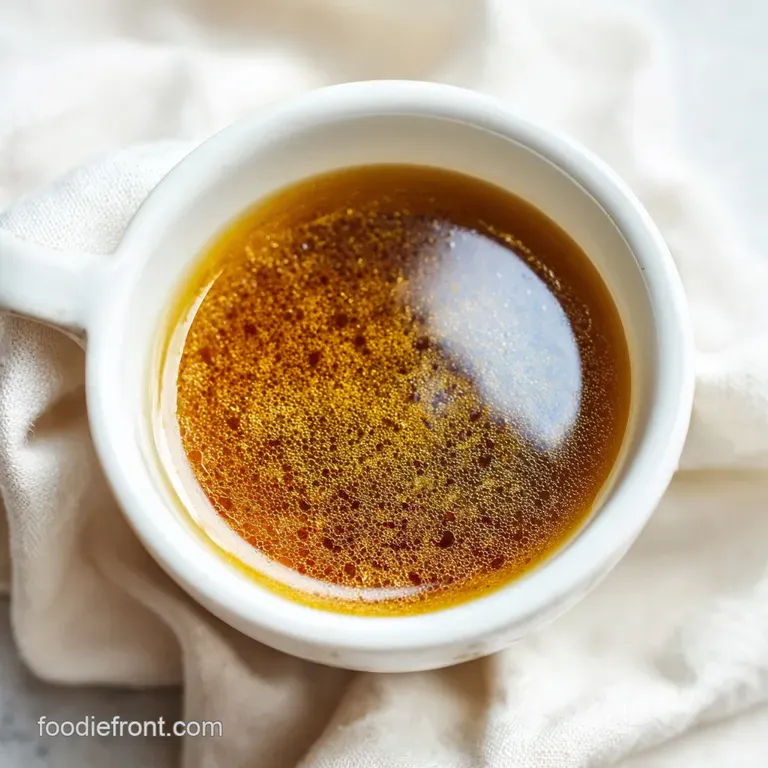
Here is what you need to gather. I always suggest checking with your local butcher for the bones - sometimes they will give them to you for next to nothing if you ask nicely.
- 5 lbs beef bones: Marrow, knuckle, and neck bones. Why this? Knuckles provide the "body" or gelatin that makes stock feel rich.
- Substitute: You can use leftover roasted beef rib bones if you have them saved.
- 1 lb beef chuck or shank: Adds extra meaty flavor.
- Substitute: Any cheap, tough cut of beef or even ground beef in a pinch.
- 2 large yellow onions: Halved with skins on.
- Substitute: Leeks (whites and greens) add a lovely mild sweetness.
- 3 large carrots: Roughly chopped.
- Substitute: Parsnips add a spicy, earthy note if you're out of carrots.
- 3 stalks celery: Including leaves.
- Substitute: Celery seed (1 tsp) if fresh celery is unavailable.
- 4 cloves garlic: Smashed.
- Substitute: Garlic powder (1 tsp) but fresh is much better here.
- 2 tbsp tomato paste: For color and depth.
- Substitute: 1/2 cup canned crushed tomatoes.
- 1 tbsp black peppercorns: Whole.
- Substitute: 1 tsp ground black pepper (but the stock will be darker).
- 4 sprigs fresh thyme: Or 1 tsp dried.
- Substitute: Rosemary sprigs for a more "piney" winter flavor.
- 2 bay leaves: Essential for that classic aroma.
- 1 tbsp apple cider vinegar: To help break down the bones.
- Substitute: Lemon juice or white wine vinegar.
- 6 quarts cold water: The base of it all.
The Path to Rich Flavor
- Roast the bones. Preheat your oven to 400°F (200°C). Place the 5 lbs of beef bones and 1 lb of chuck in a large roasting pan. Roast for 30 minutes until they start to sizzle and brown.
- Add the aromatics. Toss the onions, carrots, and celery into the pan with the bones. Slather the tomato paste onto the bones. Roast for another 15 minutes until the vegetables are softened and the paste is dark. Note: This creates the deep color.
- Transfer to the pot. Move everything from the roasting pan into your large stockpot. Be careful not to leave behind the browned bits in the pan.
- Deglaze the pan. Pour a cup of hot water into the empty roasting pan and scrape up all the stuck bits with a spatula. Pour this liquid into the stockpot. Note: Those bits are pure flavor.
- Add the rest. Place the garlic, peppercorns, thyme, bay leaves, apple cider vinegar, and 6 quarts of cold water into the pot. The water should completely cover the bones.
- Start the simmer. Turn the heat to medium high. Just as the water starts to boil, immediately turn the heat down to the lowest setting. You want a very gentle simmer.
- Skim the surface. For the first hour, use a ladle to remove any gray foam that floats to the top. Note: Removing this ensures a clear, clean tasting stock.
- Wait it out. Let the stock simmer uncovered for 12 hours. Check occasionally to make sure it hasn't boiled dry; add a little water if the bones become exposed.
- Strain the liquid. Use a fine mesh strainer to pour the stock into a clean container. Discard all the solids until you are left with only the smooth liquid.
- Cool and de fat. Let the stock cool to room temperature, then refrigerate overnight. The fat will rise to the top and harden into a white disk. Lift this off and discard it before using.
Avoiding Mistakes for Clear Results
Making stock is simple, but a few small errors can turn a great batch into something mediocre. The most common issue I hear about is "bitterness," and that usually comes from the veggies.
Why Your Stock Tastes Bitter
If you simmer the vegetables for the full 12 hours, they can over extract and create a sharp, bitter aftertaste. I actually prefer to add my carrots and celery in the last 4 hours of cooking if I want a very clean flavor, though the roasting method helps mitigate this.
| Problem | Root Cause | Solution |
|---|---|---|
| Cloudy Liquid | The stock was boiled too hard. | Keep heat at a low simmer; never let it roll. |
| Weak Flavor | Not enough roasting or too much water. | Roast bones until very dark; simmer longer to reduce. |
| Greasy Mouthfeel | Fat wasn't removed properly. | Chill overnight and peel off the hardened fat cap. |
Common Mistakes Checklist
- ✓ Always start with cold water to allow proteins to rise for skimming.
- ✓ Don't add salt until you're ready to use the stock in a final dish.
- ✓ Keep the lid off or slightly ajar to allow for a little evaporation and concentration.
- ✓ Never stir the stock while it's simmering; this breaks up solids and causes cloudiness.
- ✓ Make sure your bones are actually browned, not just warmed through.
Adjusting for Your Family Needs
Sometimes you don't need five quarts of stock, or you need to feed a small army for a holiday. Adjusting this recipe is easy as long as you keep the ratios in mind.
Scaling Down (1/2 Batch) If you are only making a small amount, use a smaller pot like a 6 quart Dutch oven. Reduce the cooking time to 8 hours, as a smaller volume will extract a bit faster.
You can beat one egg and use the shell in the pot to help clarify a smaller batch more efficiently.
Scaling Up (2x Batch) When doubling, do not just double the spices. Use 1.5x the peppercorns and bay leaves, otherwise, the flavor can become medicinal. You will need a massive 20 quart pot or two separate stockpots.
Work in batches for the roasting phase to ensure the bones actually brown instead of steaming in a crowded pan.
The Truth About Boiling
There is a common myth that you need to boil the bones vigorously to "get the goodness out." This is actually the opposite of what you want. Boiling emulsifies the fat into the water, creating a cloudy, greasy liquid that looks like milky tea. A gentle simmer is all that is required to break down the collagen.
You aren't trying to beat the flavor out of the bones; you are gently coaxing it out.
Another thing people often worry about is "the gunk" on the bones. Unless the bones smell "off," that brown stuff is just protein. Roast it, simmer it, and strain it. Don't overthink the aesthetics during the cooking process; the strainer fixes everything at the end.
Keeping Your Stock Fresh Longer
Once you have finished your 12 hour labor of love, you need to store it properly so it doesn't go to waste.
Storage GuidelinesFridge: Keep in an airtight container for up to 5 days. It will likely turn into a thick jelly this is a sign of a perfect stock! It will liquefy as soon as it hits heat.
Freezer: I love freezing mine in silicone ice cube trays or muffin tins. Once frozen, pop the "stock pucks" into a freezer bag. They stay fresh for up to 6 months.
Zero Waste Tips Don't throw away those onion ends or celery hearts throughout the week! Keep a "stock bag" in your freezer. Every time you chop a vegetable, throw the scraps in there. When the bag is full, it is time to make a new batch of stock.
You can also take the spent beef bones, crush them, and use them as a high calcium additive for your garden soil (just make sure they are buried deep so the neighborhood dogs don't find them!).
Creative Ways to Use It
You spent half a day making this, so don't just hide it in a soup! The best way to appreciate a homemade stock is to let it shine.
The Ultimate Pan Sauce
After searing a steak, pour half a cup of this stock into the hot pan. Scrape up the bits, let it reduce by half, and whisk in a pat of cold butter. It creates a restaurant style glaze that is absolutely shatter proof and velvety.
Sip It Straight
On a cold morning, I love heating up a mug of this stock with a pinch of sea salt and a squeeze of lemon. It is incredibly soothing and much more satisfying than tea or coffee when you need something hearty. It is the ultimate "hug in a mug" for those winter months when everyone in the family seems to have a sniffle.

Recipe FAQs
Is beef stock different than beef broth?
Yes, stock is richer and thicker than broth. Stock is made primarily from bones cooked long enough to extract collagen, resulting in a gelatinous mouthfeel when cooled. Broth is typically made from simmering meat and is much thinner and lighter in flavor.
How to make a proper beef stock?
Roast bones and mirepoix at 400°F for 45 minutes before simmering. This initial roasting creates the Maillard reaction, developing deep color and savory flavor compounds that define a proper stock. Always maintain a lazy simmer for 10 12 hours for maximum collagen extraction.
What is beef stock called in the USA?
It is generally called beef stock or bone broth in the USA. The term "broth" is also widely used, but technically, true stock refers to the gelatin rich liquid derived from bones, whereas broth implies meat. If you buy a container labeled "stock," expect a thicker product.
Is Oxo the same as beef stock?
No, Oxo is a brand name for bouillon cubes, not the stock itself. Bouillon cubes are highly concentrated flavorings, often containing salt, yeast extract, and artificial flavorings, intended to be dissolved in hot water.
Homemade stock provides superior depth; if you master the simmering technique here, you will understand the difference in quality.
Must I add vinegar when making homemade beef stock?
No, but it is highly recommended for mineral extraction. A splash of apple cider vinegar lowers the pH, helping to dissolve and pull minerals and extra gelatin from the dense bone structure over the long simmer time. This contributes significantly to the final mouthfeel and richness.
Can I make beef stock without roasting the bones first?
Yes, but the resulting stock will be pale and lack deep flavor. Roasting the bones caramelizes the proteins and sugars through the Maillard reaction, which creates the signature dark color and savory umami. Boiling raw bones results in a clear, but very muted, broth.
How can I use beef stock to enhance a dry main course?
Reduce the stock until syrupy, then use it to create a pan sauce. After searing meat, deglaze the pan with the reduced stock and whisk in cold butter for an instant, velvety glaze. This method of building flavor from fond is the same technique used to create incredible sauces for dishes like our Pan Seared Steak Recipe.
Rich Homemade Beef Stock
Ingredients:
Instructions:
Nutrition Facts:
| Calories | 38 kcal |
|---|---|
| Protein | 5.8 g |
| Fat | 1.2 g |
| Carbs | 0.8 g |
| Fiber | 0 g |
| Sugar | 0.4 g |
| Sodium | 62 mg |
