Rajun Cajun Seasoning: Smoky & Pungent
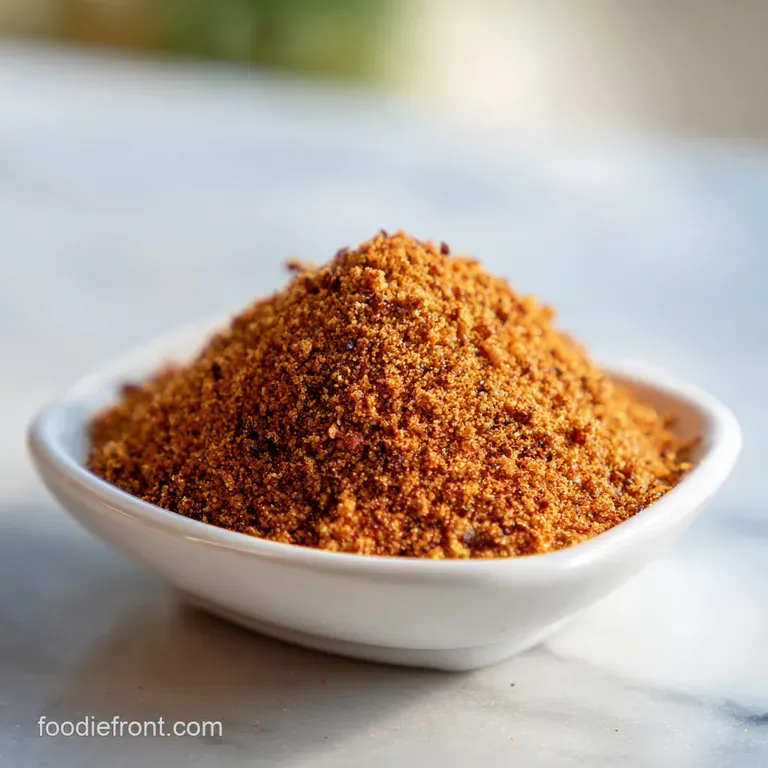
- Time: Active 10 minutes, Passive 0 minutes, Total 10 minutes
- Flavor/Texture Hook: Smoky, pungent, and earthy with a lingering peppery finish
- Perfect for: Blackened seafood, zesty sheet pan poultry, or intensifying a slow simmered gumbo
- Mastering the Bold Rajun Cajun Seasoning
- Essential Specs for Bayou Flavor
- Deconstructing the Aromatic Spice Elements
- Tools for Perfect Particle Consistency
- Assembling the Bold Flavor Profile
- Fixes for Harsh Spice Notes
- Customizing Your Rub Variations
- Scaling
- Preserving Volatile Aromatic Oils
- Bold Pairings for the Show
- Critical High in Sodium
- Recipe FAQs
- 📝 Recipe Card
You know that specific, sneeze inducing aroma when you crack open a fresh bag of high-quality smoked paprika? It’s earthy, sweet, and heavy with the scent of a wood fired kiln.
The first time I tried to recreate a proper Rajun Cajun Seasoning, I made the classic rookie mistake of using old, dusty spices from the back of my pantry. The result was flat, gray, and honestly quite depressing.
But when I finally sourced fresh smoked sea salt and realized white pepper provides a nasal heat that black pepper just can't touch, everything changed. I remember the sizzle of the cast iron as I dropped in a butter slathered catfish fillet coated in this blend.
The spices didn't just sit there; they bloomed, turning into a deep mahogany crust that had that distinct, crackling shatter when I bit into it.
This isn't just a "hot" spice mix. It’s a carefully structured architectural build of flavor. We’re talking about foundational aromatics like garlic and onion, herbaceous middle notes of thyme and oregano, and a tiered heat system that hits the front, middle, and back of your palate.
Whether you're throwing a backyard shrimp boil or just want to make a Tuesday night chicken breast actually taste like something, this blend is your secret weapon.
Mastering the Bold Rajun Cajun Seasoning
Getting this blend right requires more than just tossing powders in a bowl; it’s about understanding how these ingredients interact with heat and fat. When you use this Rajun Cajun Seasoning, you aren't just adding salt; you are creating a chemical reaction on the surface of your food.
- The Tri Pepper Synergy: Combining cayenne, white pepper, and black pepper targets different heat receptors on the tongue for a full spectrum burn.
- Smoked Phenols: The smoked paprika and smoked sea salt provide a "grilled" flavor even when using a standard indoor stovetop.
- Hygroscopic Balance: Salt and sugar containing garlic/onion powders draw out surface moisture, helping to create that famous blackened crust.
- Volatile Oil Activation: Drying the herbs (thyme/oregano) concentrates their oils, which then "bloom" or reactivate when they hit the hot fat in your pan.
| Method | Time | Texture | Best For |
|---|---|---|---|
| Cast Iron Searing | 3-4 mins per side | Hard, crackling crust | Catfish, Redfish, or Chicken Thighs |
| over High heat Roasting | 20-25 mins | Deeply caramelized glaze | Root vegetables or whole wings |
| Low Slow Braising | 2-4 hours | Silky, integrated sauce | Gumbo, Jambalaya, or Pot Roast |
The beauty of a homemade blend is that you control the intensity. If you find the heat of a Ragin Cajun seasoning recipe usually overwhelms the delicate flavor of seafood, you can adjust the cayenne slightly, but for the most authentic experience, keep the ratios exactly as listed below.
The white pepper is non negotiable it provides that sharp, fermented funk that sets Louisiana flavors apart from standard Texas rubs.
Essential Specs for Bayou Flavor
Before we get our hands dirty, we need to talk about the physical state of your ingredients. For a truly professional Rajun Cajun Seasoning, the particle size matters just as much as the flavor.
If your garlic powder is clumpy or your oregano is ground into a fine dust, the seasoning won't adhere to the meat properly, leading to "bald spots" in your crust.
The Physics of the Tri Pepper Burn
This specific mechanism uses varying molecular weights of capsaicin and piperine to ensure the heat doesn't just vanish. The white pepper provides an immediate sting, while the black pepper offers a slow, woody burn that lingers.
| Ingredient | Science Role | Pro Secret |
|---|---|---|
| Smoked Paprika | Color & Smoke Carrier | Use Spanish pimentón for the deepest mahogany color |
| Ground White Pepper | Nasal Heat/Pungency | Always buy whole berries and grind them yourself for a floral kick |
| Smoked Sea Salt | Moisture Extraction | The larger flakes help the spices "grip" the protein surface |
Deconstructing the Aromatic Spice Elements
This blend is a heavy hitter. Each component has a job to do. When you're putting together your Ragin Cajun seasoning ingredients, check the expiration dates. Spices lose their volatile oils after six months, and if they don't smell potent in the jar, they certainly won't stand up to a 450°F pan.
- 4 tbsp Smoked Paprika: Why this? Provides the base color and a deep, woodsy sweetness that defines the blend. (Sub: Regular Sweet Paprika + 1 drop liquid smoke in the pan)
- 2 tbsp Garlic Powder: Why this? Adds savory depth and contains natural sugars that assist in the blackening process. (Sub: Granulated Garlic)
- 2 tbsp Onion Powder: Why this? Provides a background umami that bridges the gap between herbs and heat. (Sub: Shallot powder)
- 1 tbsp Cayenne Pepper: Why this? The primary driver of "front of-tongue" heat. (Sub: Red Pepper Flakes, pulverized)
- 1 tbsp Freshly Ground Black Pepper: Why this? Offers a coarse texture and an earthy, woody pungency. (Sub: Szechuan peppercorns for a numbing twist)
- 1 tbsp Ground White Pepper: Why this? Delivers a sharp, fermented "bite" that penetrates deep into meats. (Sub: Double the black pepper)
- 1 tbsp Dried Oregano: Why this? Adds a Mediterranean floral note common in Creole influenced Cajun cooking. (Sub: Dried Marjoram)
- 1 tbsp Dried Thyme: Why this? Its minty, lemony undertones balance the heavy smoke and heat. (Sub: Dried Savory)
- 1 tsp Celery Seed: Why this? The "hidden" ingredient that provides a savory, vegetable like saltiness. (Sub: Celery Salt, but reduce sea salt by half)
- 2 tbsp Smoked Sea Salt: Why this? Seasons the food while reinforcing the campfire aroma. (Sub: Kosher salt)
Tools for Perfect Particle Consistency
To get this right, you don't need fancy gadgets, but a few specific items make a world of difference. I’ve found that using a small whisk is far superior to a fork for breaking up those stubborn clumps of onion powder.
- Glass Storage Jars: Spices are light sensitive. Use dark glass or store them in a dark cupboard to prevent the paprika from oxidizing and turning brown.
- Small Wire Whisk: Essential for ensuring the cayenne is evenly distributed so you don't end up with one "atomic" bite of food.
- Fine Mesh Sieve: If you live in a humid climate, sifting the powders together prevents those tiny "flavor bombs" that haven't mixed properly.
- Mortar and Pestle: While not strictly necessary, using this to lightly bruise the dried thyme and oregano right before mixing releases their trapped oils.
This blend works beautifully when paired with a rich Cajun Butter Sauce recipe to add moisture back into blackened proteins.
Assembling the Bold Flavor Profile
Now, let's build those layers. Making Homemade Ragin Cajun seasoning is all about the order of operations to ensure a homogenous mix.
- Clean your workspace. Ensure your mixing bowl is bone dry. Any moisture will cause the powders to clump instantly.
- Sift the base. Pass the 4 tbsp Smoked Paprika, 2 tbsp Garlic Powder, and 2 tbsp Onion Powder through a sieve into the bowl. Note: This removes the "pebbles" often found in bulk spices.
- Add the heat. Whisk in the 1 tbsp Cayenne Pepper, 1 tbsp Ground White Pepper, and 1 tbsp Freshly Ground Black Pepper until the mixture looks uniform in color.
- Incorporate the herbs. Add 1 tbsp Dried Oregano and 1 tbsp Dried Thyme. Note: Rub the herbs between your palms as you drop them in to wake up the aromatics.
- Finish with the structure. Stir in the 1 tsp Celery Seed and 2 tbsp Smoked Sea Salt.
- The "Shake Test". Transfer the mix to a jar, seal it, and give it a vigorous 30 second shake until the herbs are evenly suspended throughout the red powder.
- Scent check. Open the jar and take a cautious sniff. It should smell intensely smoky and sharp.
- Label clearly. Note the date of creation. Freshness is the difference between a "good" and a "show stealing" meal.
Fixes for Harsh Spice Notes
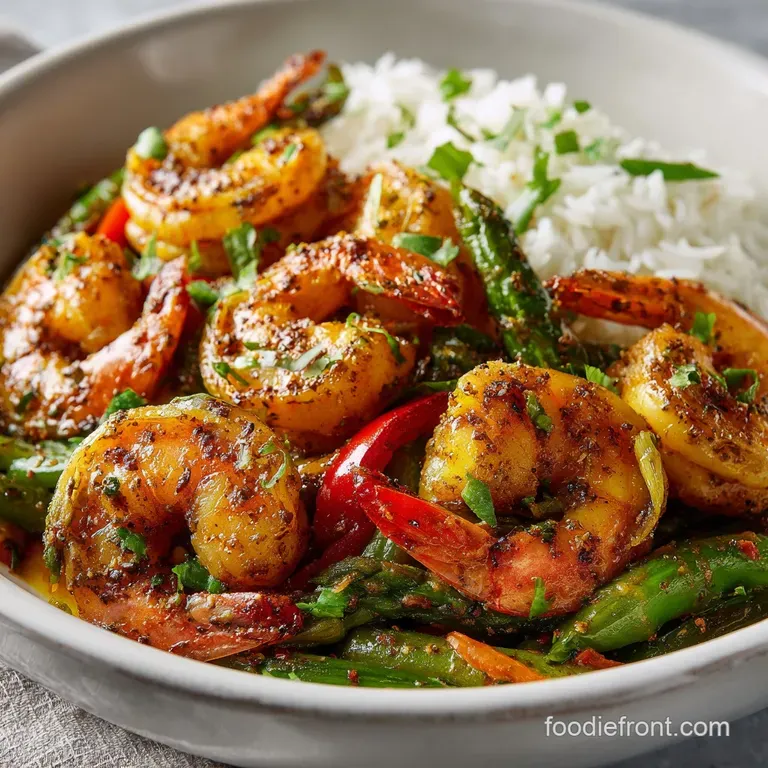
Sometimes things go sideways. Maybe your cayenne was hotter than expected, or your black pepper was a bit too coarse. Understanding how to fix a blend is the mark of a true home cook. If you've ever ended up with a dish that tastes "dusty," it's usually because the spices didn't have enough fat to bloom in.
Why Your Seasoning Tastes Bitter
If your spice blend leaves a metallic or bitter aftertaste, it’s usually one of two things: burnt garlic powder or old herbs. Garlic powder has a high sugar content and burns at a lower temperature than the other spices.
| Problem | Root Cause | Solution |
|---|---|---|
| Excessive Bitterness | Burnt garlic or onion powder | Lower your pan temp or add a pinch of brown sugar to the blend |
| One Dimensional Heat | Too much cayenne, not enough white pepper | Add more smoked paprika and a teaspoon of white pepper |
| Muddled Flavor | Spices are old and oxidized | Start fresh or "bloom" the spices in oil before adding to the recipe |
Common Mistakes Checklist
- ✓ Never use table salt; the fine grains make the blend much too salty. Use Smoked Sea Salt or Kosher salt.
- ✓ Don't skip the sifting step if your onion powder has any lumps.
- ✓ Avoid adding the seasoning to a cold pan; it needs to hit the fat while it's hot to release the flavors.
- ✓ Store the jar away from the stove. The heat from your range will kill the potency of the paprika in weeks.
If you find this version too intense, you might prefer a more balanced, all purpose Rotisserie Chicken Seasoning Recipe for your weekday meals.
Customizing Your Rub Variations
While the standard recipe is king, you can pivot based on what you're cooking. Cajun cooking is famously adaptable. For instance, a Ragin Cajun seasoning seafood recipe might benefit from a bit more acidity, whereas a beef focused rub needs more coarse black pepper.
- The "Blackened" Specialist: Double the thyme and oregano. The herbs char beautifully and create a forest floor aroma that complements fatty fish.
- The Low Sodium Route: If you're watching your salt intake, try a Salt Free Seasoning recipe and add a teaspoon of smoked paprika and a half teaspoon of cayenne to mimic this profile.
- The Sweet Heat: Add 1 tbsp of dark brown sugar. This is fantastic for pork ribs or salmon, where the sugar caramelizes into a sticky, spicy lacquer.
| Feature | Fast (store-bought) | Classic (This Recipe) |
|---|---|---|
| Salt Content | Often 50% or more | Controlled and layered |
| Flavor Complexity | Flat, salty, generic "hot" | Dynamic, aromatic, and smoky |
| Shelf Life | Unknown (sitting in warehouse) | Peak potency (6 months) |
Scaling
Scaling Down (Small Batch) To make just enough for one dinner (about 2 servings), use teaspoons instead of tablespoons. The ratios remain perfectly balanced for a single blackened steak or a couple of fillets. Reduce the sea salt slightly more than the other ingredients to avoid over seasoning.
Scaling Up (Big Batch) If you're making this for a big cookout or as gifts, multiply by four. However, when scaling spices, the "punch" of the cayenne can become exponential. Stick to 3.5x the cayenne while keeping everything else at 4x to ensure it's still edible for the average guest.
| Goal | If you want... | Do this... |
|---|---|---|
| Extra Crust | A thicker, "shattering" crust | Add 1 tsp of cornstarch to the entire batch |
| Deeper Smoke | A more intense campfire vibe | Use 1/2 tsp of ground chipotle powder |
| Floral Notes | A more "gourmet" aromatic profile | Add 1/2 tsp of ground coriander |
Preserving Volatile Aromatic Oils
Storage Guidelines Keep your Rajun Cajun Seasoning in a cool, dry place. I know it looks cute in those open spice racks on the wall, but light is the enemy of flavor. In an airtight glass jar, this blend will stay vibrant for 6 months.
After that, it won't hurt you, but the "soul" of the spices the volatile oils will have evaporated.
Zero Waste Tips If you have a batch that's starting to lose its scent (around the 8 month mark), don't toss it! Toast it in a dry pan for 60 seconds until fragrant, then mix it into softened butter.
This "Cajun Compound Butter" can be frozen in logs and dropped onto steaks or into pasta water for a quick flavor boost. You can also use the "dust" at the bottom of the jar to season homemade croutons or popcorn.
Common Kitchen Myths
Many people think that "Cajun" and "Creole" seasonings are the same. While similar, Cajun blends usually focus more on different types of pepper and garlic, whereas Creole blends are more herb heavy with a focus on oregano and basil. Another myth is that blackening seasoning is meant to be burnt.
The "black" color actually comes from the toasted milk solids in the butter reacting with the paprika if it tastes like charcoal, your pan was too hot or your oil hit its smoke point too early.
Bold Pairings for the Show
This seasoning is a total spotlight stealer. Because it's so robust, you want to pair it with sides that can either stand up to the heat or provide a cooling contrast.
- The Classic Blackened Fish: Coat a firm white fish (Tilapia, Redfish, or Mahi Mahi) in melted butter, dredge heavily in the seasoning, and sear in a screaming hot cast iron skillet.
- Cajun Roasted Potatoes: Toss halved baby golds with olive oil and 2 tablespoons of the blend. Roast at 400°F until the skins are crispy and the centers are fluffy.
- Spiced Corn on the Cob: Rub corn with lime juice and sprinkle this mix on top for a Southern twist on Mexican street corn.
- Zesty Pasta: Stir a tablespoon of this into a basic Alfredo sauce to create a "Pastalaya" that hits all the right notes.
If you're looking for something a bit more savory and less "punchy," try my Garlic Butter Seasoning recipe for your side dishes. It provides a mellow, buttery backnote that works perfectly alongside the aggressive heat of a Ragin Cajun seasoning dinner. Trust me, once you start making your own blends, you'll never look at those yellow plastic canisters in the grocery store the same way again. Let's crack on and get that pan hot!
Critical High in Sodium
1165 mg mg of sodium per serving (51% of daily value)
The American Heart Association recommends limiting sodium intake to no more than 2,300mg per day for optimal health.
Tips to Reduce Sodium in this Spice Blend
-
Eliminate Smoked Sea Salt-25%
The biggest source of sodium in this recipe is the smoked sea salt. Completely removing it will dramatically reduce the sodium content.
-
Fresh Herbs-10%
Instead of dried oregano and thyme, use fresh herbs. You will need to use more as dried herbs are more concentrated in flavor.
-
Adjust Spices to Taste-5%
Experiment with the ratios of the other spices (smoked paprika, garlic powder, onion powder, cayenne pepper, black pepper, white pepper, celery seed) to compensate for the lack of salt and enhance flavor.
-
Enhance with Salt Free Herbs & Spices
Explore other herbs and spices like bay leaf, cumin, or coriander to boost the flavor profile without adding sodium.
Recipe FAQs
Is Rajun Cajun seasoning spicy?
Yes, it possesses a significant, layered heat. The blend uses cayenne for immediate burn and white pepper for a lingering, sharp pungency, defining its authentic profile.
What is considered the best Cajun seasoning?
The best seasoning is one that is freshly made with quality smoked spices. Commercial blends often lack the volatile oils necessary for the deep, smoky crust this blend achieves.
What is a ragin Cajun?
"Ragin Cajun" is a marketing term often associated with intense, traditional Louisiana spice blends. It implies a high level of flavor and heat complexity beyond standard rubs.
What do Five Guys use for their Cajun seasoning?
Five Guys uses a proprietary blend that contains paprika, onion, and garlic powders, with significant cayenne. While ingredients are proprietary, it generally favors a simpler, saltier profile than homemade Cajun rubs.
How do I prevent my Rajun Cajun seasoned meat from tasting bitter?
Avoid burning the garlic and onion powders by cooking at a lower temperature initially. Ensure you use enough fat to coat the spices, allowing them to bloom rather than scorch on contact with the pan.
How do I use this seasoning to achieve a true blackened crust?
Coat the protein heavily after brushing it with melted butter or oil. Sear the coated item in a cast iron skillet heated until it is just smoking, typically around 450°F, for 3-4 minutes per side.
Is it true that I need to grind my own white pepper for the best results?
Yes, grinding white pepper fresh is highly recommended for peak flavor. Freshly ground pepper provides a sharp, floral pungency that older pre-ground versions lack due to the loss of volatile oils.
Rajun Cajun Seasoning Blend
Ingredients:
Instructions:
Nutrition Facts:
| Calories | 22 kcal |
|---|---|
| Protein | 0.9 g |
| Fat | 0.6 g |
| Carbs | 4.1 g |
| Fiber | 1.6 g |
| Sugar | 0.5 g |
| Sodium | 1165 mg |
