One Pan Chicken Zucchini Bake: Juicy and Charred
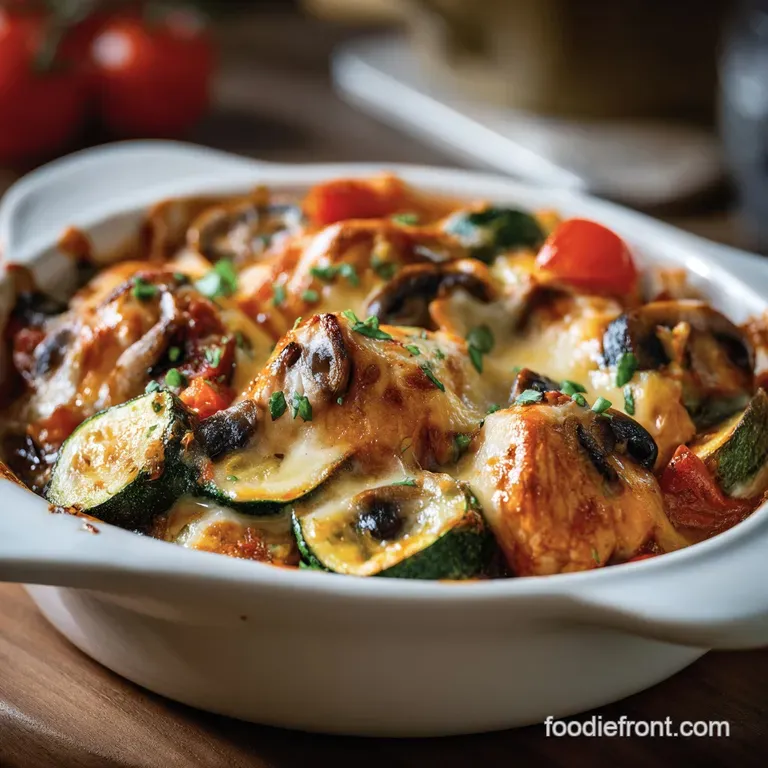
- Time: Active 15 minutes, Passive 20 minutes, Total 35 minutes
- Flavor/Texture Hook: Zesty lemon garlic chicken with caramelized zucchini edges and salty feta pops.
- Perfect for: Busy weeknight family dinners when you want zero sink scrubbing.
- Mastering Your One Pan Chicken Zucchini Bake
- Moisture Control and Heat Dynamics
- Ingredient Component Analysis
- Selecting Your Fresh Base Elements
- Tools for Minimal Cleanup Success
- Step-by-Step Cooking Process
- Fixing Common Texture Issues
- Adjusting the Recipe Size
- Culinary Myths Debunked
- Storage and Zero Waste
- Plating Like a Pro Cook
- Recipe FAQs
- 📝 Recipe Card
Mastering Your One Pan Chicken Zucchini Bake
Picture this: you walk through the door after a long day, the kids are asking what is for dinner, and the last thing you want to do is stand over three different bubbling pots. I have been there more times than I can count. This is the exact moment when the one pan chicken zucchini bake becomes your best friend.
The smell of garlic hitting the hot oil and the sharp, bright scent of lemon zest filling the kitchen is enough to make anyone feel like they have their life together, even if the laundry pile says otherwise.
We are talking about a meal that feels fresh and balanced but requires almost no effort once it hits the oven. The magic happens when the high heat of the oven meets the lemon juice and smoked paprika, creating a light sauce right on the pan that coats everything in a savory, slightly smoky glaze.
It is hearty enough to satisfy a big appetite but light enough that you won't feel weighed down afterward. It’s the ultimate comforting dinner for a Tuesday night when you need a win.
This recipe is built on the principle of maximum flavor with minimal tools. We aren't doing anything fancy or complicated here. Instead, we are focusing on a few smart moves, like salting the zucchini, that ensure your dinner comes out crisp rather than watery.
You are going to get tender chicken, vegetables with just the right amount of bite, and a pan that basically rinses clean. Let’s look at why this specific method works so well every single time.
Moisture Control and Heat Dynamics
- Osmotic Dehydration: Salting the zucchini draws out excess cell water before cooking, which prevents the vegetables from steaming and turning mushy in the oven.
- Convective Airflow: Using an extra large sheet pan ensures pieces aren't crowded, allowing hot air to circulate and create those coveted caramelized edges.
- Protein Denaturation: Slicing the chicken into uniform 1 inch strips increases surface area for the marinade to penetrate while ensuring it cooks through in exactly 20 minutes.
- Acid Base Balance: The lemon juice acts as a tenderizer for the chicken fibers while the zest provides aromatic oils that don't evaporate under high heat.
| Servings | Chicken Amount | Zucchini Count | Pan Size | Cook Time |
|---|---|---|---|---|
| 2 People | 0.75 lbs | 1.5 medium | Standard Sheet | 18 minutes |
| 4 People | 1.5 lbs | 3 medium | Extra Large | 20 minutes |
| 6 People | 2.25 lbs | 4.5 medium | Two Sheet Pans | 22 minutes |
When you are cooking for a crowd, remember that overcrowding is the enemy of texture. If you try to jam 6 servings onto one standard pan, the moisture released from the vegetables will pool, and you will end up with a stew rather than a bake. Using two pans and swapping their positions halfway through helps keep everything consistent. If you are looking for another easy cleanup option, this Mediterranean sheet pan dinner uses a similar logic for a fantastic result.
Ingredient Component Analysis
| Ingredient | Science Role | Pro Secret |
|---|---|---|
| Zucchini | Structural Base | Slice into half moons to maximize surface area for browning. |
| Chicken Breast | Lean Protein | Pat dry before marinating to ensure the oil clings to the fibers. |
| Lemon Juice | Chemical Tenderizer | The acid breaks down tough proteins for a velvety texture. |
| Smoked Paprika | Flavor Catalyst | Adds a "grilled" depth without needing an actual outdoor grill. |
Selecting Your Fresh Base Elements
- 1.5 lbs Boneless, skinless chicken breasts: Slice these into 1 inch strips. Why this? Strips cook faster and more evenly than whole breasts at high heat.
- Substitute: Chicken thighs (boneless) for more fat and a silkier texture.
- 1 tbsp Extra virgin olive oil: This is your fat source for roasting. Why this? It carries the spices and helps the chicken sear.
- Substitute: Avocado oil for a higher smoke point.
- 3 medium Zucchini: Slice into 0.5 inch half moons. Why this? This thickness holds its shape during the 20 minute roast.
- Substitute: Yellow summer squash for a colorful variation.
- 1 cup Cherry tomatoes: Leave these whole. Why this? They burst during roasting, creating a natural sauce.
- Substitute: Grape tomatoes or diced Roma tomatoes.
- 1 Red bell pepper: Chop into 1 inch pieces. Why this? Adds sweetness and a crunch that offsets the soft zucchini.
- Substitute: Orange or yellow bell peppers.
- 0.5 tsp Sea salt: Use this for the zucchini sweat. Why this? Draws out moisture through osmosis.
- Substitute: Kosher salt (use slightly more for the same effect).
- 3 cloves Garlic: Mince these finely. Why this? Provides the aromatic backbone of the Mediterranean flavor.
- Substitute: 1 tsp garlic powder in a pinch.
- 1 tsp Dried oregano: An earthy herb staple. Why this? Stands up well to high oven temperatures.
- Substitute: Dried thyme or Italian seasoning.
- 1 tsp Smoked paprika: For that deep, woody flavor. Why this? Gives the chicken a beautiful golden color.
- Substitute: Sweet paprika for less smoke.
- 0.5 tsp Onion powder: Adds savory depth. Why this? Distributes more evenly than fresh onions in a fast bake.
- Substitute: Very finely minced shallots.
- 1 Lemon: You will need both the zest and the juice. Why this? Dual action of acidity and aromatic citrus oils.
- Substitute: Bottled lemon juice (but you'll miss the zest oils).
- 0.25 cup Crumbled feta cheese: The salty finish. Why this? It softens but doesn't fully melt, adding texture.
- Substitute: Goat cheese or shaved parmesan.
- 2 tbsp Fresh parsley: For a hit of brightness. Why this? Cuts through the richness of the oil and feta.
- Substitute: Fresh basil or cilantro.
Tools for Minimal Cleanup Success
The beauty of this recipe lies in its simplicity. You really only need one extra large rimmed sheet pan. I prefer a heavy duty aluminum pan because it conducts heat more evenly than thin, dark pans that can burn the bottom of your zucchini before the chicken is done.
A sharp chef's knife is essential for getting those 1 inch chicken strips uniform, which is the secret to making sure everything finishes at the same time.
You will also want a large colander for the "zucchini sweat" step. This is a step many people skip because they are in a hurry, but it is the difference between a soggy mess and a restaurant quality roast.
A good set of tongs helps you toss the ingredients directly on the pan if you want to save a bowl, though a large mixing bowl usually makes for more even coating.
step-by-step Cooking Process
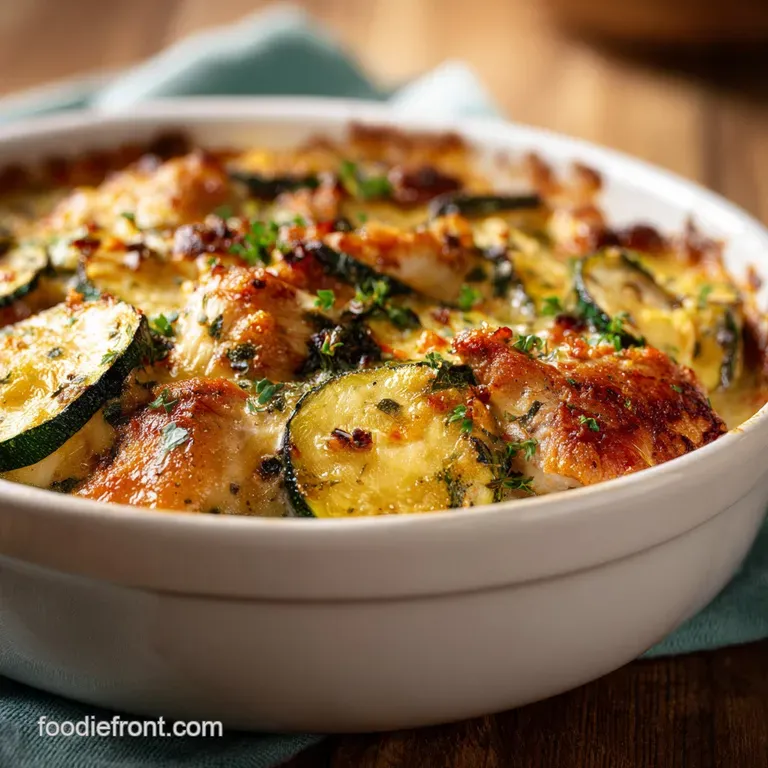
- Prepare the zucchini. Slice your 3 medium zucchini into half moons and place them in a colander. Sprinkle with 0.5 tsp sea salt and let them sit for 10 minutes. Note: This process, called "sweating," is vital for removing the water that would otherwise steam your chicken.
- Dry the vegetables. Use paper towels to firmly press and absorb the moisture from the surface of the zucchini. You should see significant water droplets on the paper.
- Create the marinade. In a large mixing bowl, whisk together the 1 tbsp olive oil, lemon juice, 3 cloves minced garlic, 1 tsp oregano, 1 tsp smoked paprika, and 0.5 tsp onion powder.
- Coat the chicken. Toss the 1.5 lbs of chicken strips in the marinade until every piece is well coated. Note: Strips should be about 1 inch thick for the best timing.
- Mix in the vegetables. Add the sweated zucchini, 1 cup whole cherry tomatoes, and the chopped red bell pepper to the bowl. Toss lightly so the vegetables pick up the remaining seasoned oil.
- Arrange the pan. Spread the mixture in a single layer across an extra large rimmed sheet pan. Ensure there is visible space between the pieces to allow for proper airflow and browning.
- Roast the batch. Bake at 400°F (200°C) for 20 minutes. Look for the chicken to be opaque and the zucchini edges to turn golden brown.
- Verify doneness. Check that the chicken has reached an internal temperature of 165°F.
- Add the garnish. Remove from the oven and immediately sprinkle with 0.25 cup crumbled feta, the lemon zest, and 2 tbsp fresh parsley. The residual heat will soften the feta perfectly.
Fixing Common Texture Issues
Preventing Soggy Vegetable Textures
If your zucchini ends up swimming in liquid, the most likely culprit is skipping the salting step or overcrowding the pan. Zucchini is roughly 95 percent water. When it hits the heat, that water wants to escape.
If the pieces are piled on top of each other, the steam gets trapped, and the vegetables boil in their own juices. Always use the largest pan you have and don't be afraid to use two pans if you are doubling the recipe.
Managing Chicken Dryness
Chicken breast is lean, which means it can go from juicy to rubbery in a matter of minutes. The lemon juice in the marinade helps, but timing is everything. If your strips are cut smaller than 1 inch, check them at the 15 minute mark. If you find your chicken is consistently dry, you might want to try a creamy broccoli casserole which uses a sauce to lock in moisture during a longer bake.
| Problem | Root Cause | Solution |
|---|---|---|
| Mushy Zucchini | Excess moisture not removed | Salt and rest zucchini for 10 mins before roasting. |
| Rubbery Chicken | Overcooking | Use a meat thermometer to pull at exactly 165°F. |
| Burnt Garlic | Minced too small or dry | Ensure garlic is well coated in oil before it hits the pan. |
Common Mistakes Checklist
- ✓ Forgot to pat the zucchini dry after salting (this is the most common error).
- ✓ Used a pan that was too small, causing the ingredients to stack.
- ✓ Sliced chicken into uneven sizes, leading to some pieces being dry and others raw.
- ✓ Didn't preheat the oven fully; starting in a cold oven makes vegetables limp.
- ✓ Skipped the lemon zest at the end (the zest provides more flavor than the juice!).
Adjusting the Recipe Size
Scaling Down
To make this for two people, simply halve all the ingredients. You can still use a large sheet pan, which is actually an advantage because it gives the ingredients even more room to crisp up.
You might find the cook time drops by 2-3 minutes since there is less total mass in the oven absorbing the heat.
Scaling Up
When doubling this for a family gathering, you must use two separate sheet pans. Do not try to fit 3 lbs of chicken on one pan. Increase the salt and spices to about 1.5 times the original amount rather than a strict double to avoid over seasoning.
Swap the top and bottom racks halfway through the 20 minute cook time to ensure both pans get equal heat from the oven's heating elements.
Culinary Myths Debunked
Many people believe that you should leave the skin off the zucchini to prevent it from being tough, but the skin actually provides the structural integrity that keeps the half moon from falling apart. Without the skin, the zucchini would turn into a mash.
Another common misconception is that you need to marinate the chicken for hours. Because we are cutting the chicken into small strips, the surface area is so high that a quick toss is all you need for the flavors to latch on.
In fact, marinating in lemon juice for too long (over 2 hours) can actually start to "cook" the chicken and change its texture to something grainy.
Storage and Zero Waste
Storage Guidelines Keep your leftovers in an airtight container in the fridge for up to 3 to 4 days. When reheating, I highly recommend using a toaster oven or a skillet rather than a microwave.
A microwave will make the zucchini very soft, while a quick toss in a hot pan for 3 minutes will help revive those crispy edges. You can freeze this dish for up to 2 months, though be aware that the zucchini will lose its firm texture once thawed.
Zero Waste Tips Don't throw away your lemon peels! Even after zesting, you can toss the spent lemon halves into the cavity of a roasting chicken later in the week or use them to clean your wooden cutting board.
If you have leftover red bell pepper scraps or the ends of the zucchini, keep a "stock bag" in your freezer. Once it's full, boil those scraps with some water and herbs for a quick vegetable base. The leftover feta brine can also be used as a marinade for chicken thighs in a future meal.
Plating Like a Pro Cook
This dish is naturally beautiful because of the contrast between the green zucchini, red peppers, and bright white feta. To make it look like it came from a bistro, serve it in shallow bowls rather than flat plates. This keeps the juices from the burst tomatoes pooled around the chicken.
Add the fresh parsley and lemon zest at the very last second before the plate hits the table. The oils in the zest are volatile and will smell strongest right when they are applied. If you want a little more "crunch," you could top the dish with some toasted pine nuts or sunflower seeds right before serving.
It adds a gourmet texture that makes a simple one pan chicken zucchini bake feel like a special occasion meal.

Recipe FAQs
Why is the zucchini turning out soggy instead of firm?
You skipped the sweating step. Sprinkling the sliced zucchini with 0.5 tsp of sea salt and letting it sit for 10 minutes is essential to draw out excess moisture before roasting at 400°F.
How to ensure the chicken cooks evenly?
Slice your chicken into uniform 1 inch strips. Spreading them in a single layer on an extra large rimmed sheet pan creates enough space for hot air to circulate, ensuring everything hits 165°F at the same time.
Is it true I can use a microwave to reheat the leftovers?
No, this is a common misconception. A microwave will turn your zucchini into mush; instead, use a hot skillet for 3 minutes to help revive the caramelized edges.
How to achieve the best flavor in the marinade?
Whisk your oil, lemon juice, garlic, and spices thoroughly before adding the chicken. If you enjoyed mastering this flavor balancing technique, see how we apply the same acid-to-fat ratio logic to our lemon pepper chicken.
Can I prepare this recipe ahead of time?
Yes, store it in an airtight container in the fridge for up to 4 days. The flavors actually meld nicely overnight, though the zucchini texture is best when freshly roasted.
How to tell when the chicken is fully cooked?
Check that the internal temperature reaches 165°F using a meat thermometer. Visual cues include opaque centers and firm textures, but a thermometer is the only way to be 100% certain.
How to prevent the vegetables from burning before the chicken is done?
Keep the chicken and vegetables in a single, uncrowded layer. Overcrowding the pan causes ingredients to steam rather than roast, leading to uneven browning and soft, soggy vegetables.
One Pan Chicken Zucchini Bake
Ingredients:
Instructions:
Nutrition Facts:
| Calories | 318 kcal |
|---|---|
| Protein | 41.5 g |
| Fat | 10.8 g |
| Carbs | 12.4 g |
| Fiber | 3.2 g |
| Sugar | 5.1 g |
| Sodium | 585 mg |
