Braised Mutton Shank Recipe: Rich & Savory
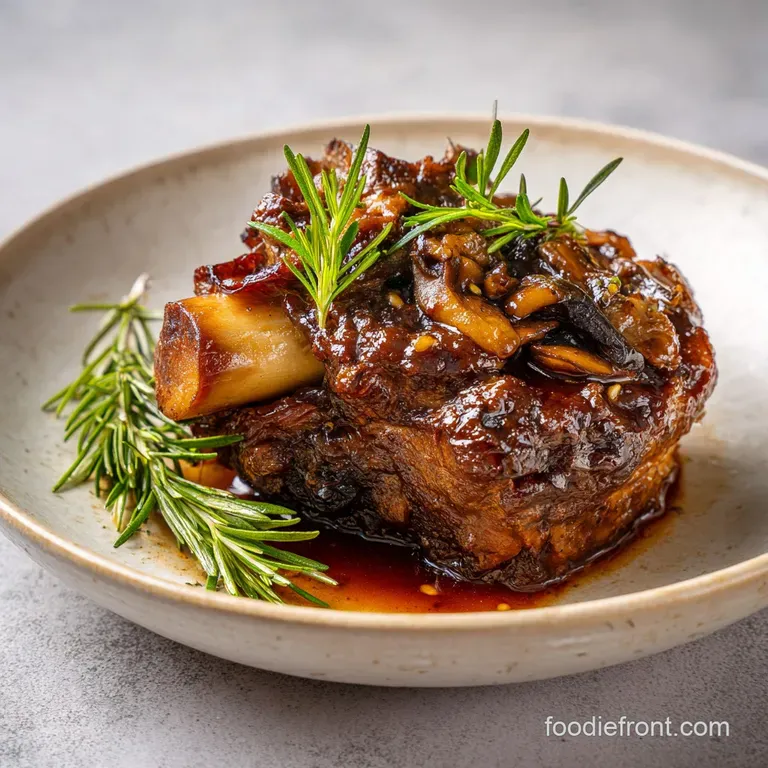
- Time: Active 20 minutes, Passive 3 hours 30 mins, Total 3 hours 50 mins
- Flavor/Texture Hook: Silky, melt in-your mouth meat with a deep, savory herb reduction.
- Perfect for: Slow Sunday family dinners or an impressive centerpiece for hosting friends.
- Comforting Slow Braised Mutton Shank Recipe for Family
- The Secret to Tenderness in This Dish
- Component Analysis of the Braising Base
- Essentials for Your Shopping List
- Preparation and Execution Steps
- Handling Common Cooking Hurdles
- Adjusting for Different Batch Sizes
- Debunking Braising Misconceptions
- Proper Storage and Reducing Waste
- Serving Your Masterpiece
- Recipe FAQs
- 📝 Recipe Card
Comforting Slow Braised Mutton Shank Recipe for Family
There is a specific sound that happens when a heavy mutton shank hits a hot, oiled Dutch oven. It’s a rhythmic, aggressive sizzle that promises something special is coming. I remember the first time I tried this mutton shank recipe on a particularly gloomy Tuesday when the rain wouldn't stop hitting the kitchen window.
I was skeptical about mutton I’d heard it could be tough or overly "gamey" but as the scent of rosemary and simmering red wine began to drift through the hallways, I knew I was onto something life changing.
We sat down to eat three hours later, and the moment my fork touched the meat, it simply gave way. No knife required, just a gentle nudge, and the meat fell away from the bone in tender, dark ribbons. My kids, who are usually picky about "new" meats, were literally mopping up the sauce with crusty bread.
It’s become our go to for those cold nights when you just need a hug in a bowl. This isn't just a meal; it's a slow motion transformation of simple ingredients into pure luxury.
You’re going to love how the kitchen smells while this simmers. It starts with that sharp, sweet scent of onions softening in fat, then moves into the deep, earthy notes of garlic and cumin, before finally settling into a rich, heady cloud of wine and herbs.
We aren't doing anything complex here, just letting heat and time do the heavy lifting for us. Let’s get your oven preheated and dive into why this specific method works every single time.
The Secret to Tenderness in This Dish
Collagen Conversion: Mutton shanks are packed with tough connective tissue that only breaks down into silky gelatin when held at a low, consistent temperature for several hours.
Acidic Breakdown: The two cups of dry red wine don't just add flavor; the acidity helps weaken the muscle fibers, ensuring the meat becomes tender rather than rubbery.
The Maillard Multiplier: Searing the meat until it forms a dark, mahogany crust creates complex sugar molecules that season the entire braising liquid from within.
Residual Heat Carryover: Letting the shanks rest in their liquid after cooking allows the fibers to reabsorb the flavorful juices, preventing the meat from turning dry and stringy.
| Cooking Method | Prep Time | Texture Result | Best Use Case |
|---|---|---|---|
| Oven Braising | 20 minutes | Uniformly tender, glossy sauce | Traditional family Sunday roast |
| Stovetop Simmer | 20 minutes | Slightly firmer, rustic finish | Quick kitchen setup without oven access |
| Slow Cooker | 10 minutes | Very soft, shreds easily | Busy weekdays with zero monitoring |
Choosing between the oven and the stovetop usually comes down to how much you want to "set it and forget it." I personally prefer the oven because the heat surrounds the pot evenly, which creates a more consistent cook on all four shanks.
If you choose the stovetop, you'll need to check the liquid levels every 45 minutes to ensure nothing is sticking to the bottom of the pot.
Component Analysis of the Braising Base
| Ingredient | Science Role | Pro Secret |
|---|---|---|
| Mutton Shanks | Primary protein and collagen source | Always pat them bone dry before searing to get a better crust. |
| Dry Red Wine | Solvent for flavor and acid for tenderizing | Use a Cabernet or Malbec for a bolder, deeper sauce color. |
| Tomato Paste | Umami booster and natural thickener | Fry it until it turns brick red to remove the raw metallic taste. |
| Beef Stock | Hydration and savory foundation | Use low sodium stock so you can control the final saltiness yourself. |
Building a solid foundation starts with understanding your liquids. If you find yourself wanting to experiment with the flavors, you might consider how a different spice profile works, similar to the punchy notes in a Rajun Cajun Seasoning recipe. However, for this classic mutton shank recipe, we are sticking to the deep, earthy roots of Mediterranean herbs to let the natural flavor of the meat shine through.
Essentials for Your Shopping List
- 4 large mutton shanks: Look for shanks around 450g each with a good amount of meat on the bone. Why this? Larger shanks withstand the long cook time without disintegrating into the sauce.
- 2 tbsp grapeseed oil: You need a high smoke point oil for the initial sear.
- 1 tsp kosher salt: Essential for drawing out moisture and seasoning the deep muscle fibers.
- 0.5 tsp freshly cracked black pepper: Provides a subtle heat that cuts through the rich fat.
- 1 large yellow onion: Diced small to melt into the sauce foundation.
- 2 medium carrots: Adds a necessary natural sweetness to balance the wine’s acidity.
- 2 celery stalks: Provides the "third leg" of the mirepoix for a rounded savory base.
- 6 garlic cloves: Smashed to release oils without burning as easily as minced garlic.
- 2 tbsp tomato paste: Concentrates the flavor and gives the sauce its velvety body.
- 2 cups dry red wine: Substitutable with extra stock and a splash of balsamic vinegar.
- 3 cups beef stock: The main braising liquid that keeps everything moist.
- 3 sprigs fresh rosemary: The classic aromatic pairing for lamb and mutton.
- 5 sprigs fresh thyme: Adds a bright, herbal top note to the heavy meat.
- 2 dried bay leaves: Releases a subtle floral aroma over the three hour simmer.
- 1 tsp dried oregano: Adds a touch of Mediterranean flair to the background.
- 1 tsp ground cumin: A secret weapon that highlights the earthiness of the mutton.
Chef's Tip: If you can't find mutton, this recipe works beautifully as a Lamb Osso Buco recipe as well. Just keep an eye on the time, as lamb is often younger and might cook 30 minutes faster than older mutton.
Preparation and Execution Steps
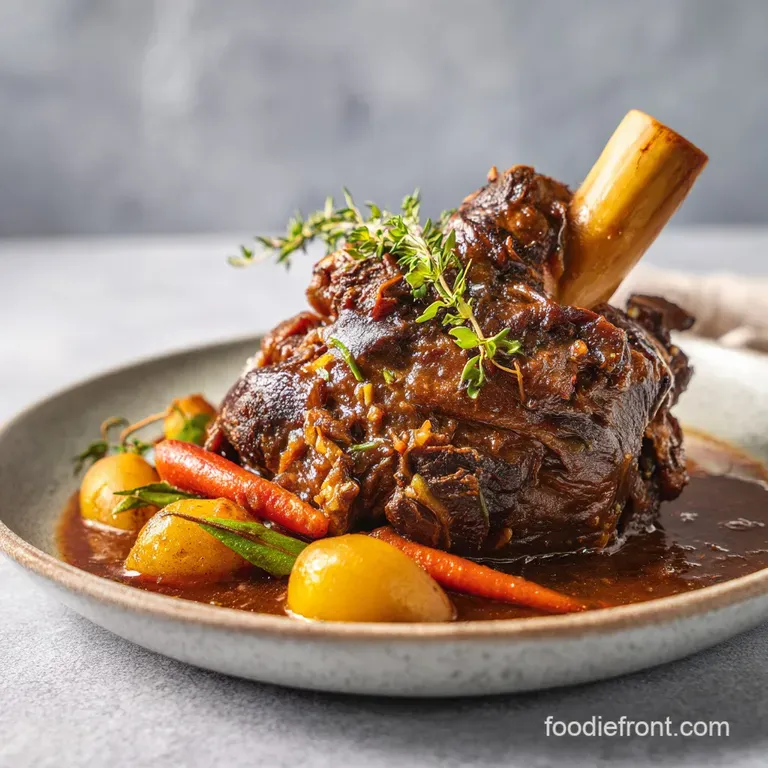
- Preheat the oven to 160°C. Note: A lower temperature ensures the meat becomes tender without the proteins tightening up too fast.
- Dry the mutton shanks thoroughly with paper towels. Season generously with the 1 tsp salt and 0.5 tsp pepper on all sides.
- Heat the oil in a large Dutch oven over medium high heat. Sear the shanks for 3-4 minutes per side until a dark, crispy crust forms. Work in batches to avoid crowding the pan.
- Remove the shanks and set aside. In the same pot, add the onion, carrots, and celery. Sauté for 5-7 minutes until the onions are translucent and golden.
- Stir in the garlic and tomato paste. Cook for 2 minutes until the paste smells sweet and looks dark red.
- Deglaze the pan by pouring in the 2 cups of red wine. Scrape the bottom vigorously with a wooden spoon to release all those flavorful brown bits (fond).
- Return the shanks to the pot and pour in the beef stock. Add the rosemary, thyme, bay leaves, oregano, and cumin. The liquid should cover about 3/4 of the meat.
- Bring to a simmer on the stovetop, then cover tightly with a lid. Place in the oven and bake for 3 hours.
- Check for doneness at the 3 hour mark. The meat should be shredding easily with a fork.
- Rest the meat for 15 minutes before serving. If the sauce is too thin, simmer it on the stovetop for 5-10 minutes until it coats the back of a spoon.
Handling Common Cooking Hurdles
Why Your Mutton is Still "Bouncy"
If you pull the pot out of the oven and the meat feels springy or tough, it simply hasn't spent enough time at the right temperature. Mutton is older sheep, meaning it has more developed muscles than lamb. It requires a patient hand.
| Problem | Root Cause | Solution |
|---|---|---|
| Meat is tough | Under cooked collagen | Return to oven for 30-45 more mins until it yields to a fork. |
| Sauce is greasy | Excess fat from the shanks | Skim the surface with a wide spoon or use a fat separator. |
| Flavor is flat | Lack of salt or acidity | Add a pinch of salt or a teaspoon of red wine vinegar. |
While you are waiting for that meat to soften, make sure you aren't making these classic mistakes that can ruin a good braise. I've done almost all of these at least once, especially early on when I was in too much of a hurry to eat.
Common Mistakes Checklist
- ✓ Skipping the sear: You'll miss out on the deep "roasted" flavor that only comes from the Maillard reaction.
- ✓ Using cold stock: Adding cold liquid to a hot pan can shock the meat and actually make it tougher.
- ✓ Forgetting to deglaze: Those brown bits on the bottom are where 50% of your flavor lives.
- ✓ Peeking too often: Every time you lift the lid, you lose steam and heat, adding 10-15 minutes to the cook time.
- ✓ Not drying the meat: If the shanks are wet, they will steam rather than sear, leaving you with grey, flavorless meat.
Adjusting for Different Batch Sizes
When you need to feed a crowd, this mutton shank recipe scales up beautifully. For 8 servings, you'll want to use two separate Dutch ovens or a very large roasting pan covered tightly with heavy duty foil.
Don't simply double the liquid; usually, 1.5 times the stock is enough to keep everything submerged as the volume of the pot fills up.
If you are cooking for just two, you can easily halve the shanks, but I wouldn't halve the sauce ingredients. Having extra sauce is a blessing it freezes perfectly and makes an incredible base for a quick pasta dish the next day.
Just remember that if you're using a smaller pot, the liquid will evaporate slower, so you might need a few extra minutes of reducing at the end to get that velvety finish.
| Servings | Mutton Amount | Pot Size | Total Cook Time |
|---|---|---|---|
| 2 People | 2 large shanks | 3-4 Quart | 2 hours 45 mins |
| 4 People | 4 large shanks | 6-7 Quart | 3 hours 30 mins |
| 8 People | 8 large shanks | 10-12 Quart | 4 hours 15 mins |
Debunking Braising Misconceptions
One of the biggest myths is that searing the meat "seals in the juices." Science has proven this isn't true; moisture loss happens regardless of the sear. The real reason we sear is for the flavor development. The crust creates a savory complexity that infuses the entire pot.
Another common thought is that you can't overcook a braise. While it’s hard to do, eventually the meat can become "mushy" if left for 6+ hours, losing its pleasant texture.
Also, don't believe the idea that mutton is inherently "stinky." Most of the "gamey" flavor is concentrated in the fat. By searing the meat and skimming the excess fat from the sauce at the end, you’re left with a rich, clean flavor that tastes more like a concentrated, sophisticated version of beef.
Proper Storage and Reducing Waste
This dish is one of those rare recipes that actually tastes better the next day. You can keep the cooked shanks in their sauce in the fridge for up to 4 days. The fat will solidify on top, making it incredibly easy to lift off and discard before reheating.
If you want to freeze it, I recommend removing the meat from the bone first to save space. It will stay fresh in a sealed container for up to 3 months.
Don't you dare throw away those bones! After the meal, I always toss the leftover bones into a pot with some water, a few peppercorns, and any veggie scraps I have in the freezer. Simmer it for a few hours, and you’ve got a rich mutton bone broth that puts store-bought stock to shame. It’s perfect for the next time you make a hearty soup or even as a liquid base for a Matzo Ball Soup Recipe.
Serving Your Masterpiece
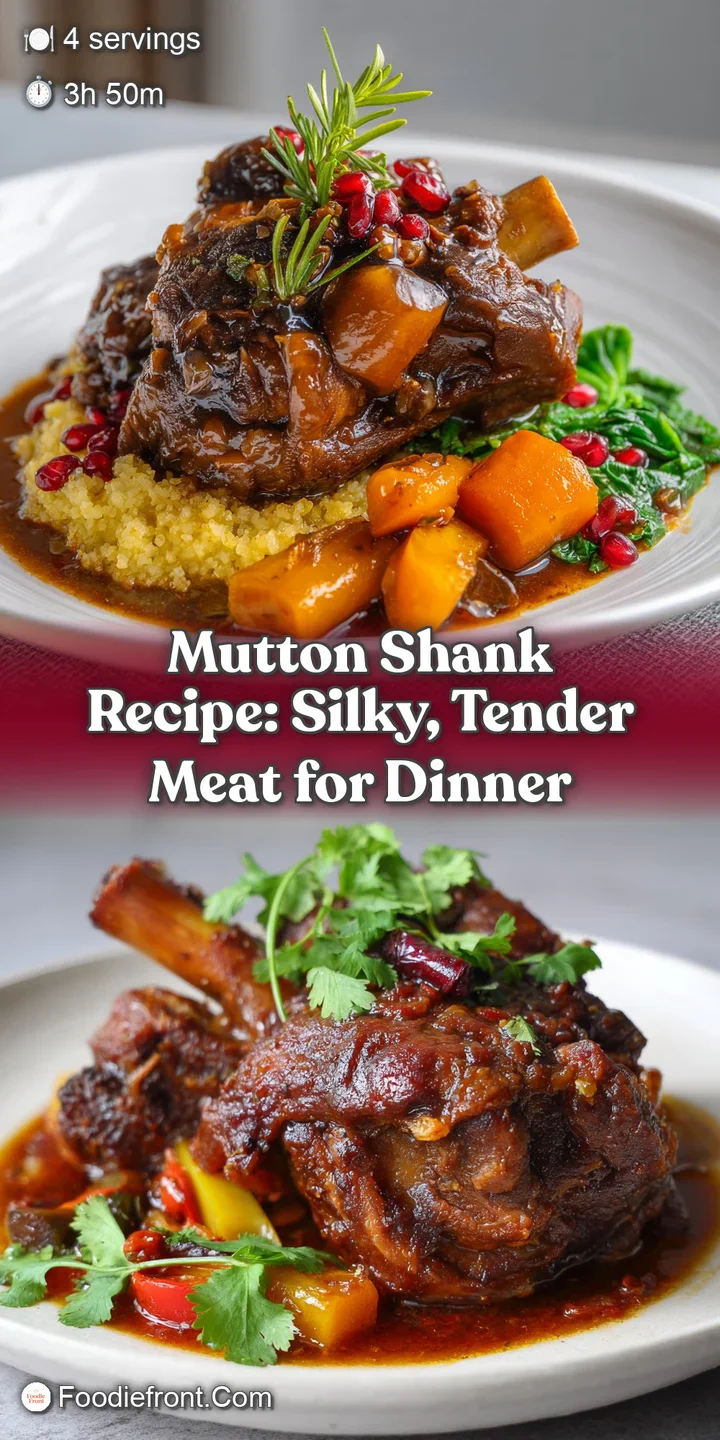
To really do this mutton shank recipe justice, you need a side that can soak up every drop of that wine infused gravy. A mountain of buttery mashed potatoes is the traditional choice, but a creamy polenta or even some thick pappardelle noodles work wonders.
I love serving it with something bright and crunchy on the side to contrast the richness think a simple arugula salad with a lemon vinaigrette or some quick pickled red onions.
If you’re feeling fancy, top the shanks with a fresh gremolata (minced parsley, garlic, and lemon zest). It cuts through the heavy fats and wakes up your palate. This recipe is all about that balance of deep, slow cooked warmth and fresh, vibrant accents. It’s a meal that invites everyone to slow down, put their phones away, and just enjoy the ritual of a family dinner. If you're looking for something a bit lighter for a weeknight, you might also enjoy my Baked Crispy Chicken recipe, but for a true weekend treat, these shanks are unbeatable.
Recipe FAQs
How to cook mutton shank?
Sear the shanks first, then braise low and slow in liquid. Heat oil in a Dutch oven until shimmering, sear the heavily seasoned shanks on all sides until dark brown, and then transfer the pot to a 160°C oven for at least three hours.
What is the best cooking method for mutton shanks?
Oven braising is the superior method for the best texture and flavor. The slow, consistent, surrounding heat breaks down the tough collagen evenly, resulting in fork tender meat and a rich, velvety sauce base.
What is the best cooking method for shank?
Braising, whether in the oven or slow cooker, is best for any tough cut like a shank. This long, moist heat cooking transforms connective tissue into gelatin, which is the secret to achieving that desirable fall off-the-bone texture.
Are mutton shanks healthy to eat?
Yes, they are highly nutritious, provided excess surface fat is trimmed or skimmed. Mutton is rich in protein and essential minerals, and the long cooking process breaks down the tough connective tissues, making the nutrients more accessible.
Can I make mutton shanks ahead of time?
Yes, they actually taste better the next day after being fully cooked. Cool the shanks completely in their sauce, refrigerate overnight, and simply skim the solidified fat layer off the top before reheating.
How long do mutton shanks need to cook before they are tender?
Expect a total cooking time of 3 to 3.5 hours at 160°C. The meat is truly done when it yields easily to a fork without needing to be sawed through; this indicates the collagen has fully converted to gelatin, similar to when you master low-and-slow roasting.
Is it true I must use red wine in the braise?
No, while red wine provides unmatched depth, you can substitute it if necessary. Replace the two cups of wine with beef stock combined with two tablespoons of balsamic vinegar to mimic the essential acidity needed to tenderize the meat fibers.
Mutton Shank Recipe For Flavor
Ingredients:
Instructions:
Nutrition Facts:
| Calories | 1095 kcal |
|---|---|
| Protein | 85.2 g |
| Fat | 74.8 g |
| Carbs | 14.8 g |
| Fiber | 2.6 g |
| Sugar | 6.8 g |
| Sodium | 625 mg |
