Honey Balsamic Dressing
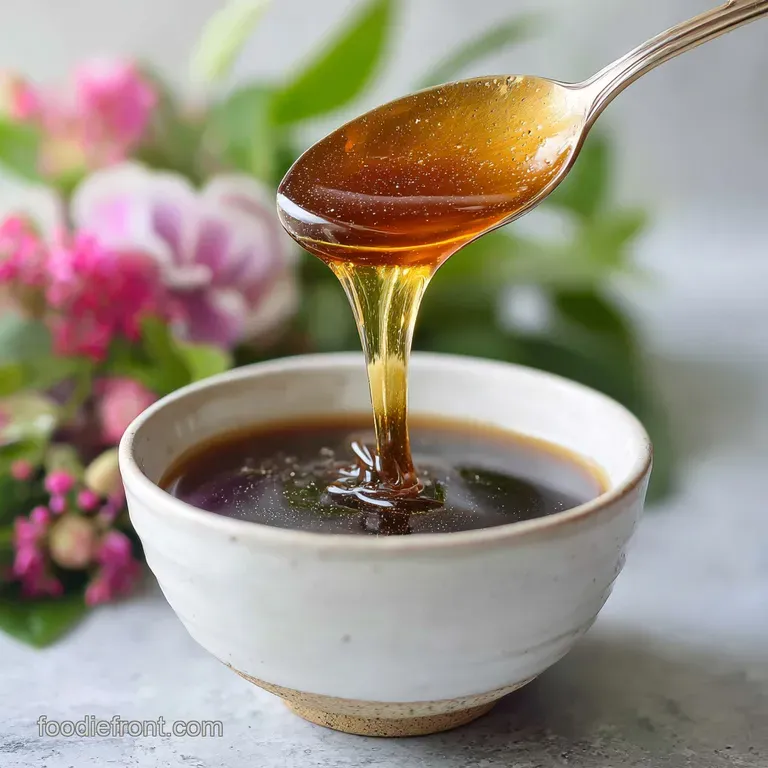
- Time: Active 5 mins, Passive 0 mins, Total 5 mins
- Flavor/Texture Hook: Velvety, tangy, and sweet
- Perfect for: Quick weeknight dinners and family meal prep
- Secret to This Honey Balsamic Dressing
- Why This Dressing Recipe Works
- Crucial Specs For Your Sauce
- Selecting Your Raw Ingredients Carefully
- Tools For A Velvety Emulsion
- Simple Steps For Family Success
- Avoid These Common Kitchen Pitfalls
- Flavor Variations For Every Meal
- Smart Storage For Busy Weeks
- Perfect Pairings For Family Dinner
- Recipe FAQs
- 📝 Recipe Card
Secret to This Honey Balsamic Dressing
It is Sunday afternoon, the kitchen is humming with the sound of a roast in the oven, and I am standing over a nearly empty jam jar. You know that feeling when you realize the salad you planned is going to be bone dry and boring?
That is exactly when I first threw these ingredients together, frantically shaking the jar while my kids set the table. The result was not just a topping; it was a discovery that turned polite salad bites into "can I have more of those greens?"
Honestly, I used to buy the bottled stuff, but it always had that weird, metallic aftertaste or far too much thickener. This version is different. It has that velvety cling that coats every leaf without making it soggy, and the sweetness of the honey hits you right after the sharp zing of the vinegar.
It is the kind of dressing that makes you want to eat a whole bowl of kale, which, trust me, is a minor miracle in my house. We keep a jar of this Honey Balsamic Dressing in the fridge door at all times now because it just works with everything.
Why This Dressing Recipe Works
- The Sticky Bond: Raw honey acts as a natural surfactant, helping the oil and vinegar stay together much longer than sugar would.
- Mustard Stabilization: The mucilage in Dijon mustard creates a structural bridge between the fat and the acid, preventing that annoying separation.
- Acidic Tenderizing: The acetic acid in the Balsamic Vinegar of Modena softens tough greens like spinach or kale, making them easier to chew.
- Flavor Rounding: Sea salt suppresses the perception of bitterness in lettuce while enhancing the floral notes of the honey.
The Physics of the Shake
When you shake the jar, you are forcing the oil into tiny droplets that get suspended in the vinegar. The mustard and honey act as tiny anchors that wrap around those oil droplets, stopping them from merging back together into a greasy layer.
Rapid vs Traditional Prep
| Method | Time | Texture | Best For |
|---|---|---|---|
| Jar Shake | 1 minute | Slightly rustic | Daily family dinners |
| Whisking | 3 minutes | Airy and light | Delicate butter lettuce |
| Blender | 30 seconds | Fully homogenized | Creamy, thick coating |
Every family has their own rhythm in the kitchen. If you are in a rush, the jar method is your best friend. But if you are serving something a bit fancier, like a holiday salad, using a whisk or a small blender will give you a texture that feels a bit more like a restaurant style sauce.
Crucial Specs For Your Sauce
When we talk about making a great Honey Balsamic Dressing, we are looking for a specific balance of flavors. You want it to be sharp enough to wake up your palate but sweet enough that the kids won't crinkle their noses.
This recipe makes exactly 8 servings, which usually lasts our family for two big dinners or a week of side salads.
Since this is a cold preparation, the quality of your ingredients really shines through. You do not need the most expensive bottle in the world, but using a decent Extra Virgin Olive Oil makes a massive difference in the "mouthfeel" of the final product. It should feel rich, not greasy.
Component Deep Dive
| Ingredient | Science Role | Pro Secret |
|---|---|---|
| Balsamic Vinegar | Primary Acid | Use "Modena" labeled bottles for better grape must density. |
| Extra Virgin Olive Oil | Lipid Base | Choose a cold pressed oil to avoid a bitter, peppery finish. |
| Raw Honey | Viscosity Agent | Warm it for 5 seconds to help it dissolve into the cold vinegar. |
Selecting Your Raw Ingredients Carefully
- 60 ml (1/4 cup) Balsamic Vinegar of Modena: Why this? Provides the deep, fruity acidity that defines the base.
- Substitute: Apple cider vinegar (adds a fruitier, sharper punch).
- 120 ml (1/2 cup) Extra Virgin Olive Oil: Why this? Creates the smooth, velvety body of the dressing.
- Substitute: Avocado oil (more neutral flavor, same healthy fats).
- 30 ml (2 tbsp) Raw Honey: Why this? Thickens the sauce and balances the vinegar's bite.
- Substitute: Maple syrup (slightly thinner but adds a lovely woody sweetness).
- 10 g (2 tsp) Dijon Mustard: Why this? The essential emulsifier that keeps the oil and vinegar combined.
- Substitute: Stone ground mustard (adds texture and a rustic look).
- 1 medium garlic clove, finely minced: Why this? Adds a savory depth that prevents the dressing from being too sweet.
- Substitute: 1/2 tsp garlic powder (milder flavor, better for long storage).
- 2 g (1/2 tsp) Sea salt: Why this? Sharpens all the other flavors.
- Substitute: Kosher salt (use a bit more as the grains are larger).
- 1 g (1/4 tsp) Freshly cracked black pepper: Why this? Adds a tiny hint of heat to the finish.
- Substitute: White pepper (if you want a smoother look without black flecks).
Tools For A Velvety Emulsion
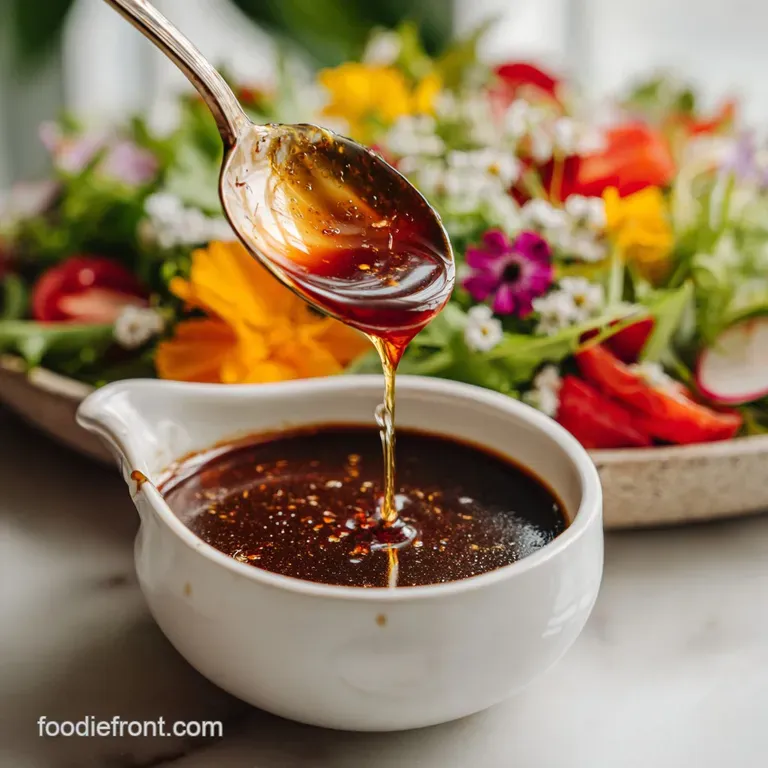
You really do not need much to get this right. I am a huge fan of the "one jar" method because it means fewer dishes for me at the end of the night. A simple Mason jar with a tight lid is my go to tool. It doubles as a mixing bowl and a storage container, which is a win win for any busy home cook.
If you find that your honey is a bit too thick, a small whisk can help incorporate it more evenly than shaking alone. For those who want an ultra creamy Honey Balsamic Dressing, a small milk frother or a personal blender works wonders.
It whips air into the oil, making the dressing opaque and thick, almost like a light mayo.
Simple Steps For Family Success
- Prep the garlic. Mince the garlic clove as finely as possible until it looks like a paste. Note: This ensures you do not get a big chunk of raw garlic in one bite.
- Combine acids. Pour the 60 ml of Balsamic Vinegar into your jar or bowl.
- Add stabilizers. Spoon in the 10 g of Dijon mustard and 30 ml of honey.
- Season the base. Sprinkle in the 2 g of sea salt and 1 g of pepper.
- Whisk the core. Stir these ingredients together until the honey is fully dissolved.
- Introduce the oil. Slowly stream in the 120 ml of olive oil while whisking constantly.
- Emulsify the sauce. Continue whisking (or shake the jar vigorously for 30 seconds) until the mixture looks thick and glossy.
- Taste and adjust. Dip a leaf of lettuce into the dressing to check the balance.
- Rest the flavors. Let it sit for at least 5 minutes until the garlic flavor mellows into the oil.
Chef's Tip: If your kitchen is cold and your honey is stubborn, set the honey bottle in a bowl of warm water for a few minutes before measuring. It will pour like silk and mix instantly!
Avoid These Common Kitchen Pitfalls
Why Your Dressing Separated
The most common issue is adding the oil too quickly. If you pour it all in at once without enough agitation, the oil droplets won't be small enough for the mustard to grab onto. This leads to a "broken" dressing where the oil just sits on top.
Fixing a Sharp Bite
Sometimes a batch of vinegar is more acidic than the last one. If the dressing makes you wince, do not just dump in more sugar. Try adding a tiny pinch more salt first; salt often counteracts the perception of sourness better than sweetness does.
| Problem | Root Cause | Solution |
|---|---|---|
| Separation | Lack of emulsifier | Add another teaspoon of Dijon and shake again. |
| Too Thick | Too much honey/mustard | Thin it out with a teaspoon of warm water or more vinegar. |
| Bitter Aftertaste | Low quality olive oil | Add a touch more honey to mask the tannins. |
Another thing to watch for is the garlic. If you are planning to keep this Honey Balsamic Dressing for more than a few days, the raw garlic can become quite potent. If your family isn't big on that sharp garlic "burn," you can use a whole smashed clove and remove it after 24 hours, or just stick to the garlic powder substitute mentioned above.
Common Mistakes Checklist
- ✓ Forgeting to whisk while adding oil (causes immediate separation)
- ✓ Using cold honey straight from the fridge (it won't dissolve properly)
- ✓ Using a bowl that is too small (you need room to whisk vigorously)
- ✓ Not seasoning with enough salt (the dressing will taste flat)
- ✓ Skipping the mustard (the emulsion will fail within minutes)
Flavor Variations For Every Meal
If you want to change things up, you can easily adapt this base. For a Creamy Honey Balsamic Dressing, whisk in a tablespoon of Greek yogurt or mayonnaise. This makes it perfect for a hearty chicken salad or as a dip for fresh veggies. It is actually quite similar to how I sometimes tweak the base of my Cajun Butter Sauce recipe when I want something savory but tangy.
If you are looking for an Herbaceous Note, add a teaspoon of dried oregano or fresh thyme. This leans into a more Mediterranean vibe that pairs beautifully with feta cheese and olives.
For a Spicy Kick, a pinch of red pepper flakes or a dash of sriracha can turn this into a great marinade for grilled chicken or pork chops.
Scaling for Big Batches
- To Double (2x): Simply double all ingredients. It fits perfectly in a standard 16oz Mason jar. Use the same 30 second shake time.
- To Half (1/2x): Use 1 tbsp honey and 1 tsp mustard. Be careful not to over salt; start with a small pinch and add more to taste.
- For Meal Prep: Make a triple batch, but use garlic powder instead of fresh garlic to extend the shelf life and keep the flavor consistent.
High End vs Household Alternatives
| Premium | Budget | Flavor Impact | Savings |
|---|---|---|---|
| Aged Balsamic | Store Brand Balsamic | Less syrupy, more acidic | Save $15-20 |
| Manuka Honey | Clover Honey | Less medicinal, more floral | Save $25+ |
| Fresh Garlic | Garlic Powder | More consistent, less sharp | Save $0.50 |
Smart Storage For Busy Weeks
You can keep this Honey Balsamic Dressing in the refrigerator for up to 7 days. Because of the high oil content, it may solidify or get cloudy when it gets cold. This is completely normal!
Just take it out of the fridge about 15 minutes before you need it, or run the jar under warm water for a moment, then give it a good shake to bring the emulsion back to life.
For zero waste, do not toss out those almost empty jam or mustard jars. Make the dressing right inside the jar! The leftover bits of fruit preserves or mustard on the sides of the glass actually add a lovely layer of flavor to the dressing. It is a great way to use every last drop of your pantry staples.
Perfect Pairings For Family Dinner
This dressing is incredibly versatile. We love it on a simple spinach salad with strawberries and pecans, but it also works as a glaze. Try brushing it over a Simple Roasted Broccoli recipe during the last 5 minutes of roasting for a caramelized finish. The honey bubbles up and creates a sticky, savory crust that is just irresistible.
If you are serving a heavier meal, like a beef stew or a pasta dish, a crisp side salad with this Honey Balsamic Dressing provides the perfect acidic cut to balance the richness. It also makes a fantastic marinade for steak tips; the vinegar helps break down the fibers while the honey helps with browning on the grill.
Myths About Your Dressing
A common myth is that you must use a blender to get a "real" emulsion. While a blender is fast, a hand shaken jar is often better for home use because it doesn't incorporate as much air, which can actually cause the dressing to spoil faster.
Another misconception is that you need expensive "White Balsamic" for a good flavor. While white balsamic is milder and won't stain your vegetables, the flavor profile of the dark, traditional version is much more complex and hearty for family meals.
Finally, many people think you shouldn't keep dressing with fresh garlic at room temperature. This is actually true for safety reasons! While the acid in the vinegar helps, it is always safest to store any dressing containing fresh aromatics in the fridge to prevent any spoilage. Trust me, the 10 minutes it takes to warm up on the counter is worth the peace of mind. For a lighter treat after your salad, you might even enjoy a Simple Strawberry Banana Smoothie recipe to cleanse the palate.
Recipe FAQs
How to make honey balsamic dressing?
Combine balsamic vinegar, honey, Dijon mustard, minced garlic, salt, and pepper in a jar or bowl. Whisk or shake vigorously until emulsified, adding olive oil slowly while whisking for a smoother texture.
Do honey and balsamic vinegar go together?
Yes, absolutely. Honey's sweetness beautifully balances balsamic vinegar's sharp tang, creating a classic flavor combination used in many dressings and marinades.
Is balsamic good with honey?
Yes, they are a fantastic pairing. The rich, complex flavor of balsamic vinegar complements the natural sweetness and floral notes of honey, making them ideal for sauces and glazes.
Is honey balsamic healthy?
In moderation, it can be part of a healthy diet. While honey adds sugar, balsamic vinegar contains antioxidants, and when used as a dressing with fresh ingredients, it offers nutritional benefits.
What is the secret to a good honey balsamic dressing?
Using Dijon mustard as an emulsifier is key. It helps keep the oil and vinegar from separating, creating a stable, velvety dressing. Using quality balsamic and extra virgin olive oil also enhances the flavor.
How long does homemade honey balsamic dressing last?
Up to 7 days in the refrigerator. Store it in an airtight container like a jar. The oil may solidify when cold, but it will re-emulsify with a good shake after warming slightly.
Can I substitute ingredients in honey balsamic dressing?
Yes, several substitutions work well. For the vinegar, apple cider vinegar offers a fruity sharpness, and maple syrup can replace honey for a different woody sweetness. Avocado oil is a good neutral fat substitute for olive oil.
Honey Balsamic Dressing
Ingredients:
Instructions:
Nutrition Facts:
| Calories | 146 kcal |
|---|---|
| Protein | 0.1 g |
| Fat | 13.7 g |
| Carbs | 5.8 g |
| Fiber | 0.1 g |
| Sugar | 5.5 g |
| Sodium | 98 mg |
