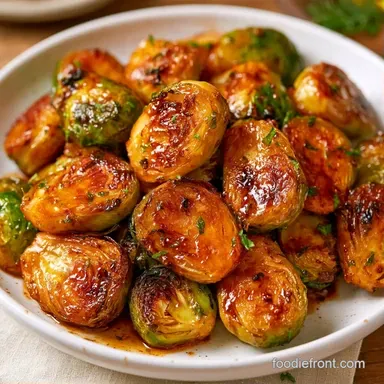
Crispy Roasted Brussels Sprouts
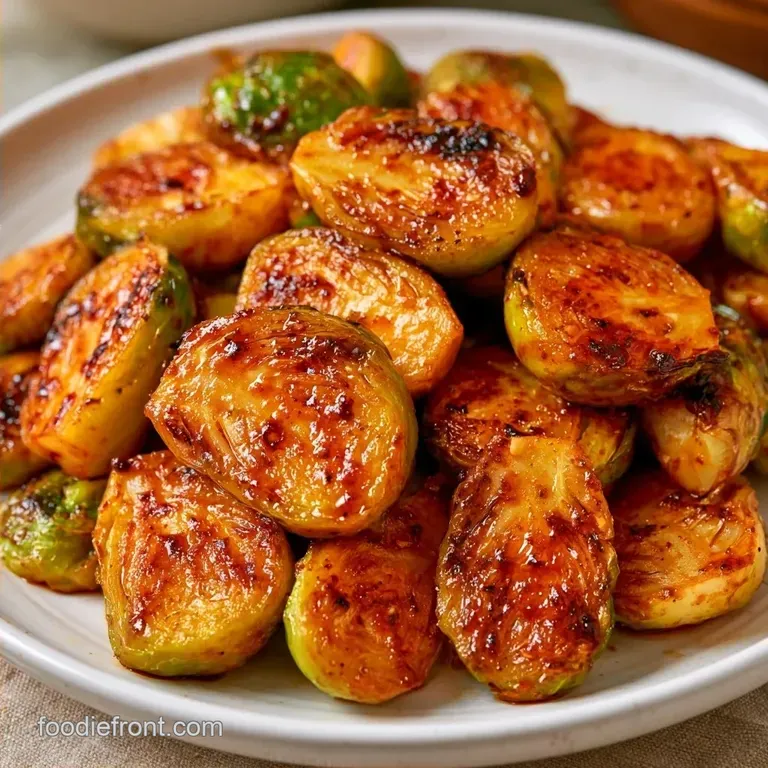
- Time: 5 min active + 25 min roasting
- Flavor/Texture Hook: Shattering mahogany edges with a tender center
- Perfect for: Holiday side dishes or a bold weeknight veg
Did you ever wonder why some people hate Brussels sprouts while others crave them? It usually comes down to the smell. Most of us grew up with those mushy, sulfur scented boils that tasted like a wet gym sock.
I once served a batch of boiled sprouts at a dinner party, and my guests basically pretended they were eating a delicacy while secretly pushing them to the edge of the plate.
The shift happens when you stop treating them like a cabbage and start treating them like a potato. When you hit them with high heat, the bitterness vanishes. You get this deep, toasted aroma that fills the house, almost like roasting nuts.
You can expect a side that actually steals the show. These Roasted Brussels Sprouts have a heavy crunch on the outside and a velvety interior. It is a bold way to eat greens that doesn't rely on drowning them in butter.
The Flavor Logic
- High Heat: Roasting at 200°C bakes the natural sugars. This creates a brown, savory crust that kills the bitter edge.
- Air Flow: Leaving space between the sprouts prevents them from releasing steam. Without that steam, they fry in the oil instead of boiling in their own juice.
- Cut Side Down: Pressing the flat surface against the hot metal pan creates a direct heat transfer. This is how you get that deep mahogany color.
Recipe Specs
| Original Ingredient | Substitute | Why It Works |
|---|---|---|
| Olive Oil (2 tbsp) | Avocado Oil (2 tbsp) | Higher smoke point. Note: Neutral flavor, less fruity than olive oil |
| Balsamic Vinegar (1 tbsp) | Apple Cider Vinegar (1 tbsp) | Similar acidity. Note: Tangier and less sweet than balsamic |
| Parmesan Cheese (2 tbsp) | Pecorino Romano (2 tbsp) | Hard, salty cheese. Note: Sharper, more pungent flavor |
Right then, let's talk about the gear. You don't need a fancy setup, but a heavy duty sheet pan helps distribute the heat more evenly across the vegetables.
Ingredient Role Breakdown
| Component | Purpose | Substitute Notes |
|---|---|---|
| Brussels Sprouts (680g) | Main base | Kale can work but burns faster |
| Olive Oil | Heat conductor | Butter browns faster, may burn |
| Sea Salt | Flavor enhancer | Kosher salt works fine |
| Balsamic Vinegar | Acidic brightness | Lemon juice adds a fresh zip |
The ingredients are simple, but the quality matters. Use a good extra virgin olive oil for the toss. It adds a peppery note that balances the sweetness of the balsamic.
The Shopping List
- 1.5 lb (680g) Brussels sprouts, trimmed and halved Note: Halving increases the surface area for better browning
- 2 tbsp extra virgin olive oil Note: Selected for its heart-healthy fats and rich taste
- 1/2 tsp sea salt Note: Coarse crystals provide a nice pop against the roast
- 1/4 tsp cracked black pepper Note: Gives the dish an earthy, woody heat
- 1 tbsp balsamic vinegar Note: Provides a syrupy, tart finish
- 2 tbsp grated Parmesan cheese Note: Contributes a salty, umami depth
Essential Kitchen Gear
This recipe requires minimal equipment. Use a spacious mixing bowl to ensure the sprouts don't spill over while tossing. Opt for a large rimmed baking sheet; if the pan is too small, the sprouts will crowd together and become mushy.
I recommend stainless steel over non-stick for this particular dish. Stainless steel typically reaches higher heat, helping those flat edges sear more effectively. If you're working with a small oven, you may need two pans to ensure proper spacing.
Cooking Steps
Phase 1: The Prep
- Wash the Brussels sprouts and trim the woody stem ends. Slice each sprout in half vertically.
- In a large mixing bowl, combine the halved sprouts with olive oil, salt, and pepper. Toss thoroughly until every leaf is lightly coated. Note: Coating every leaf prevents the edges from curling and burning
Phase 2: The Roast
- Spread the sprouts onto a baking sheet cut side down. Ensure they are not touching.
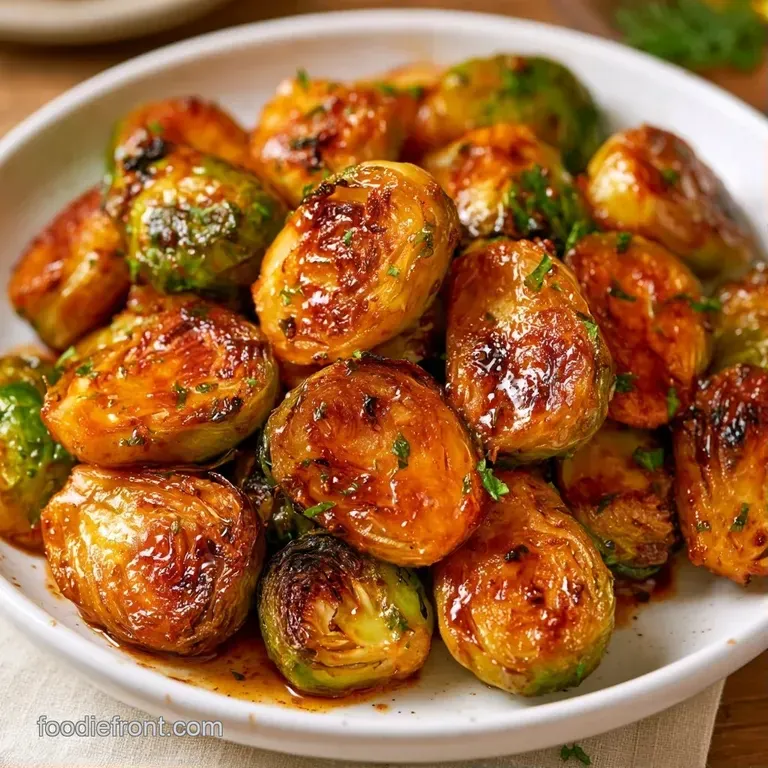
- Roast at 400°F (200°C) for 20–25 minutes until a deep mahogany color forms on the flat surface and a nutty aroma develops. Note: Don't flip them; the contact with the pan is what creates the crust
Phase 3: The Finish
- Immediately remove from the oven and drizzle with balsamic vinegar or sprinkle with grated Parmesan cheese while the sprouts are still sizzling.
- Let the sprouts rest for 2 minutes to allow any glaze to thicken and adhere to the crisp edges.
Chef's Note: If you want the balsamic to be a bit thicker, simmer the vinegar in a small pan for 3 minutes before drizzling it over the hot vegetables.
Fixing Common Issues
Moisture is usually the culprit when things go wrong. If the sprouts remain pale after 20 minutes, your oven may be running too cool or the pan is overloaded. Aim for a deep brown color instead of a light tan.
If you notice a cabbage-like smell, they are likely steaming because they are packed too tightly. I once tried fitting 2 lbs on a single medium pan, and it resulted in a soggy mess. Let them have plenty of room.
Fixing Mushy Sprouts
Overcrowding is the primary cause. When sprouts touch, they trap steam. Increase the number of trays used when making a larger batch.
Fixing Burnt Edges
This occurs when oil isn't spread evenly. Ensure every sprout is glossy before placing them in the oven.
Fixing Raw Centers
If the outside is charred but the middle is still hard, reduce the heat to 190°C and add 5 minutes to the clock.
| Problem | Fix |
|---|---|
| Mushy texture | Provide more pan space |
| Burnt outer leaves | Toss more thoroughly in oil |
| Raw interior | Lower temp, increase time |
Serving Suggestions
These are bold enough to stand alone, but they really shine when paired with a heavy protein. They cut through the richness of a steak or a roast pork loin beautifully.
For a full spread, this side pairs well with some Crispy Roasted Garlic Potatoes. The garlic and the balsamic create a great flavor contrast. If you're doing a lighter lunch, toss these over a bed of arugula with some goat cheese.
Protein Pairings
- Steak: The acidity of the balsamic cuts through the fat.
- Salmon: Pairs well with the nutty roast flavor.
- Tofu: Adds a savory crunch to plant based meals.
Balancing the Plate
Since these are quite savory and tart, balance them with something creamy. A dollop of Greek yogurt or a side of mashed cauliflower works well.
Storage And Waste
Keep leftovers in a glass container in the fridge for about 3 or 4 days. They won't stay as crispy, but the flavor remains. To bring the crunch back, don't use a microwave. Pop them back in the oven at 200°C for 5 minutes on a tray.
Don't throw away the outer leaves that fall off during the trimming process. These "crumbs" actually roast the fastest and become like little salty chips. Toss them on the pan with the rest of the sprouts.
If you have leftover balsamic glaze, use it on a caprese salad or drizzle it over grilled chicken. The Parmesan can be stored in the fridge for several weeks.
Different Flavor Twists
You can easily pivot this Roasted Brussels Sprouts recipe based on what's in your pantry. For a salty kick, add some chopped bacon to the pan during the last 10 minutes of roasting. The bacon fat renders out and fries the sprouts even further.
If you want a hearty medley, toss in some cubed sweet potatoes. Since the potatoes take longer to cook, cut them small (about 1cm cubes) so they finish at the same time as the sprouts.
The Decision Shortcut
- Extra tang? → fold in 1 tsp lemon zest
- More heat? → add 1/2 tsp red pepper flakes
- Nutty depth? → swap Parmesan for toasted walnuts
For another way to use the air fryer, you can move the Roasted Brussels Sprouts to an air fryer basket at 200°C for 12-15 minutes. It's faster, but you lose a bit of that flat surface sear that the baking sheet provides.
Common Beliefs
Myth: Brussels sprouts are inherently bitter. Truth: That taste usually results from overboiling. Roasting them at 200°C draws out a natural sweetness that makes them craveable.
Myth: Pre-boiling is necessary to soften them. Truth: Boiling only adds excess water and kills the texture. High heat handles the softening and the browning in one single step.
Suddenly, you have a side dish that genuinely enhances the meal. When you stop boiling and start roasting, these Roasted Brussels Sprouts quickly become a staple. Trust the rich color, the scent, and most importantly, don't overcrowd your pan.
Recipe FAQs
How long do Brussels sprouts roast?
Roast them for 20 to 25 minutes at 400°F (200°C). This allows a deep mahogany color and nutty aroma to develop.
Is it true that I need to boil Brussels sprouts before roasting them?
No, and here's why. Boiling introduces moisture that prevents the sprouts from achieving a crisp texture in the oven.
Why do the sprouts need space on the pan?
Spreading them out prevents the vegetables from steaming. This ensures they roast properly and develop brown edges.
How to roast Brussels sprouts cut in half?
Toss the halved sprouts with olive oil, salt, and pepper before spreading them cut-side down on a baking sheet. Bake them at 400°F (200°C) for 20 to 25 minutes.
Which flavors best complement this side dish?
Finish the sprouts with balsamic vinegar or Parmesan cheese while they are still hot. They pair wonderfully with a protein flavored with rotisserie chicken seasoning.
Roasted Brussels Sprouts with Balsamic