Brazilian Cheese Bread Recipe
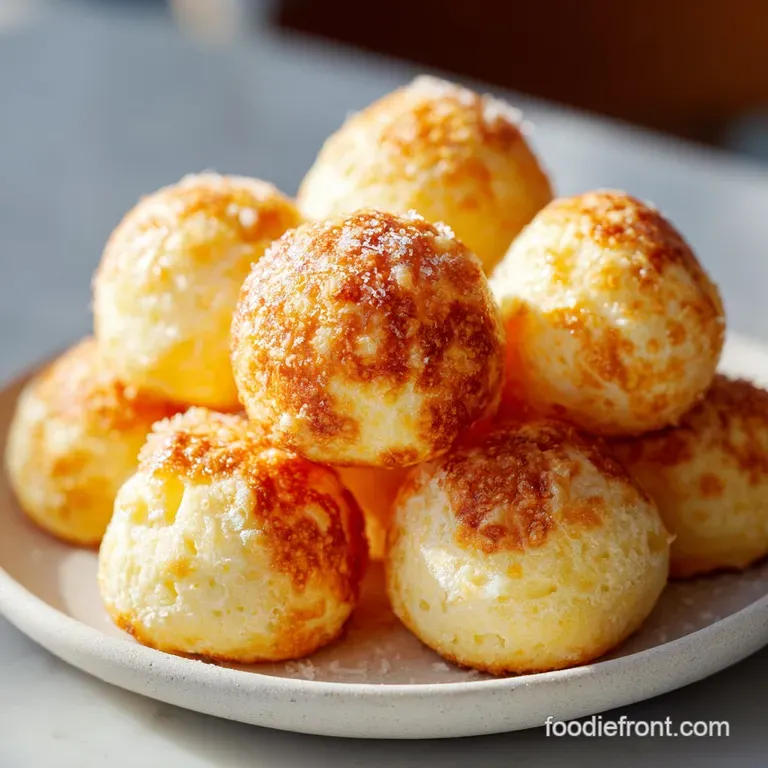
- Time: Active 15 minutes, Passive 20 minutes, Total 35 minutes
- Flavor/Texture Hook: Sharp, salty cheese notes with a signature chewy, honeycomb interior.
- Perfect for: After school snacks, gluten-free appetizers, or a side for family dinner.
- The Secret to Making Authentic Brazilian Cheese Bread
- The Physics of the Starch Gelatinization
- Component Analysis for Texture and Structure
- Essential Ingredients and Smart Substitutions
- Precision Tools for Perfect Baking
- Steps for a Flawless Bake
- Solutions for Common Dough Challenges
- Adjusting Ratios for Larger Families
- Debunking Common Kitchen Beliefs
- Reliable Methods for Storage and Waste
- Hearty Pairings for a Family Feast
- Recipe FAQs
- 📝 Recipe Card
The Secret to Making Authentic Brazilian Cheese Bread
The first time I pulled a tray of these out of the oven, the aroma hit me like a warm hug from a friend I hadn't seen in years. It’s that unmistakable scent of toasted cheese and butter that fills every corner of the kitchen.
I remember sitting on my kitchen floor, staring through the oven glass, watching these little white mounds puff up like tiny balloons. When I finally took a bite, the outer shell gave way with a delicate shatter, revealing a center so velvety and stretchy it felt like magic.
We’ve all had those frozen versions from the grocery store, but let me tell you, they don't even come close to the real thing. Homemade Pão de Queijo has a soul to it. It’s hearty, comforting, and honestly, a bit addictive once you realize how easy it is to whip up a batch for the kids.
My youngest calls them "cheese clouds," and I think that’s the most accurate description I’ve ever heard. You don't need fancy equipment, just a bit of patience when you're mixing the dough.
I’m sharing this because I want your kitchen to smell as good as mine did that Tuesday afternoon. This Brazilian Cheese Bread recipe is the result of a few failed attempts where my dough was too runny or my cheese didn't have enough "oomph." We’ve fixed all that.
You're going to get a consistent, reliable result every single time, whether you're a seasoned baker or someone who usually avoids the oven. Let's get into what makes this dough behave and why that chewy texture is actually a bit of a science experiment.
The Physics of the Starch Gelatinization
Starch Gelatinization: When the boiling liquid hits the tapioca starch, it forces the granules to swell and burst, creating a sticky, elastic web that traps steam. This process is what gives the bread its iconic chewy "honeycomb" structure rather than a crumbly bread texture.
Steam Expansion: Because the dough is so hydrated and elastic, the high heat of the oven turns internal moisture into steam, which pushes the dough outward. This creates the hollow, airy center while the cheese proteins stabilize the outer crust.
Chef's Tip: Freeze your portioned dough balls for 15 minutes before baking if you want them to hold a perfectly spherical shape without spreading.
Chef's Tip: Use a blend of sharp cheddar and real Parmesan; the cheddar provides the melt, while the Parmesan offers the salt and structure needed for that crispy shell.
| Method | Time | Texture | Best For |
|---|---|---|---|
| Standard Oven | 20 minutes | Crispy shell, airy center | Traditional dinner side |
| Air Fryer | 12 minutes | Extra crunchy exterior | Quick individual snacks |
| Stovetop (Pan) | 15 minutes | Flat, chewy cakes | Quick breakfast alternative |
The oven remains my favorite method because the consistent surrounding heat allows the bread to puff up uniformly. If you try the stovetop method, you'll end up with something more like a cheesy tortilla, which is great but lacks that "shatter" we love.
Component Analysis for Texture and Structure
| Ingredient | Science Role | Pro Secret |
|---|---|---|
| Tapioca Flour (500g) | Primary structure | Don't swap for cassava flour; tapioca is more refined for a lighter puff. |
| Whole Milk (250ml) | Fat and hydration | The lactose helps with browning through the Maillard reaction. |
| Large Eggs (2) | Binder and lift | Ensure they are room temperature to avoid shocking the scalded starch. |
| Neutral Oil (125ml) | Tenderness | This keeps the bread from becoming "rubbery" once it cools down. |
When you are working with these ingredients, remember that tapioca starch behaves very differently than wheat flour. It’s much finer and can be quite messy if you’re not careful. I once tried to use a low-fat milk, and the bread came out sad and pale.
Stick to the whole milk; your family will thank you for the extra flavor.
Essential Ingredients and Smart Substitutions
- 500g tapioca flour: The foundation of the entire recipe. Why this? Essential for the unique gluten-free elasticity and signature chew.
- Substitute: Arrowroot powder (Result: Slightly softer, less "bounce").
- 1 tsp fine sea salt: Enhances the savory notes of the cheese. Why this? Distributes more evenly than coarse kosher salt.
- Substitute: Table salt (Use slightly less as it's saltier by volume).
- 250ml whole milk: Adds richness and helps the crust brown. Why this? Provides the necessary fat for a tender interior.
- Substitute: Full fat coconut milk (Result: Adds a slight nutty/tropical flavor).
- 125ml neutral vegetable oil: Keeps the bread moist. Why this? High smoke point and clean flavor profile.
- Substitute: Melted butter (Result: Richer flavor, but the bread hardens faster).
- 125ml water: Provides steam for the "puff." Why this? Thins the liquid so it boils faster and more evenly.
- Substitute: Chicken broth (Result: Adds a deep savory undertone).
- 2 large eggs: Binds everything together. Why this? Provides structure and color to the finished bake.
- Substitute: Flax eggs (Result: Denser, much less rise).
- 150g grated Parmesan cheese: For structure and saltiness. Why this? Aged cheese doesn't release too much oil when baking.
- Substitute: Pecorino Romano (Result: Much saltier and tangier).
- 150g grated sharp white cheddar: For the perfect melt. Why this? Adds the fatty "cheesy" pull everyone craves.
- Substitute: Monterey Jack (Result: Milder flavor but excellent stretch).
Precision Tools for Perfect Baking
You don't need a professional kitchen, but a few specific tools make this much easier. A heavy bottomed saucepan is vital for the scalding step. If your pan is too thin, the milk and oil might scorch before they reach a boil, which ruins the flavor.
I also highly recommend using a stand mixer such as a KitchenAid with the paddle attachment. Hand mixing this dough is quite a workout once the starch gelatinizes it gets very sticky!
Using a small cookie scoop (about 2 tablespoons) is a life saver. It ensures every Brazilian Cheese Bread ball is the same size, which means they all finish cooking at exactly the same time. If you’re eyeing this as a side for a larger meal, maybe something like my Meat Manicotti - recipe, you’ll want that consistency so you aren't hovering over the oven while trying to serve dinner.
Steps for a Flawless Bake
- Preheat your oven to 180°C. Note: A stable temperature is key for the initial steam burst.
- Combine 500g tapioca flour and 1 tsp sea salt in a large heat proof bowl.
- Boil 250ml milk, 125ml oil, and 125ml water in a saucepan until it reaches a rolling boil. Note: This is the "scalding" step.
- Pour the boiling liquid into the flour. Stir vigorously until a thick, white paste forms.
- Let the mixture cool for 10 minutes. Note: If it's too hot, you'll scramble the eggs in the next step.
- Beat in 2 large eggs one at a time. Mix until the dough is smooth and glossy.
- Fold in 150g Parmesan and 150g cheddar. Incorporate until the cheese is evenly distributed.
- Scoop the dough into 24 balls and place on a parchment lined tray.
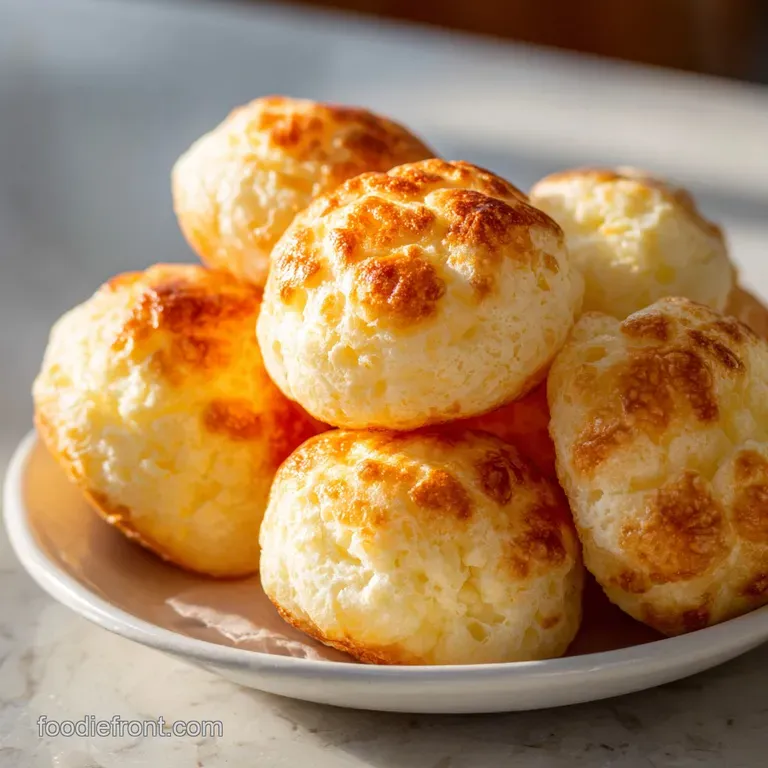
- Bake for 20 minutes until the bottoms are golden and the tops are pale but firm.
- Remove from the oven and let rest for 5 minutes until the internal steam stabilizes.
Solutions for Common Dough Challenges
One of the biggest hurdles I faced when learning this was the consistency of the dough. Sometimes it felt like glue, other times it was like liquid. The temperature of your liquid when it hits the flour is the most common culprit.
If it isn't boiling, the starch won't gelatinize, and you'll end up with a watery mess that won't hold its shape.
The Mystery of the Flat Bread
If your cheese balls look like pancakes rather than rounds, you likely had too much liquid or your eggs were too large. Tapioca starch is very sensitive to moisture. If this happens, don't throw it out! You can add a tablespoon or two more of the starch until the dough holds its shape on the spoon.
Managing Excessively Sticky Dough
This dough is naturally sticky, but it shouldn't be impossible to handle. If you find it's clinging to your hands like crazy, rub a little bit of vegetable oil on your palms. This makes rolling the balls a breeze.
Also, ensure you aren't over mixing once the cheese goes in; you want to keep as much air in that batter as possible.
| Problem | Root Cause | Solution |
|---|---|---|
| Heavy, dense center | Liquid wasn't boiling | Ensure a rolling boil before scalding the flour. |
| Burned bottoms | Oven rack too low | Move the tray to the middle rack and use parchment paper. |
| No "puff" in the oven | Cold eggs used | Let eggs sit in warm water for 5 mins before adding. |
Common Mistakes Checklist
- ✓ Never skip the scalding step (boiling the milk/water/oil mixture).
- ✓ Don't use "Cassava Flour" (Harina de Yuca) if you want the airy puff; stick to Tapioca Starch.
- ✓ Avoid pre shredded cheese; the cellulose coating prevents the dough from bonding properly.
- ✓ Ensure the oven is fully preheated to 180°C before the tray goes in.
- ✓ Let the dough cool slightly before adding eggs to prevent "scrambling."
Adjusting Ratios for Larger Families
If you're hosting a big family gathering, you'll likely want to double this recipe. Because this bread is so popular, 24 servings often disappear in minutes. When doubling, follow the 1.5x rule for salt and spices to ensure it isn't overwhelming.
For the liquids, you can go a full 2x, but work in batches when mixing the dough. Most home stand mixers can't handle a full kilo of tapioca dough because of how heavy and elastic it becomes.
For smaller households, you can easily halve the recipe. Use one large egg and exactly half of all other measurements. The baking time usually stays the same because the size of the individual balls hasn't changed, just the number of them on the tray. If you have leftovers, they make a great snack alongside a slice of my Lasagna Cooked at recipe for a truly hearty dinner.
Debunking Common Kitchen Beliefs
"You can use any cheese you have in the fridge." This is a bit of a trap. While you can use anything, soft cheeses like mozzarella have too much moisture and will make the bread soggy.
You need the hard, aged proteins found in Parmesan or aged Cheddar to provide the structural support that keeps the bread from collapsing once it leaves the heat.
"The dough needs to rest for hours." I’ve seen some recipes suggest overnight resting. While the flavor might deepen slightly, the starch gelatinization happens almost instantly. For a busy home cook, 10 minutes of cooling is all you really need to get fantastic results.
Don't let a long wait time stop you from making these on a weeknight.
Reliable Methods for Storage and Waste
These are best eaten fresh and warm, but we rarely finish a whole batch in one sitting. You can store baked Brazilian Cheese Bread in an airtight container at room temperature for up to 2 days. To bring back that "shatter," pop them in a 180°C oven or air fryer for 3-4 minutes.
Avoid the microwave if you can, as it makes the tapioca texture quite rubbery.
For long term storage, you can freeze the raw dough balls on a tray, then transfer them to a freezer bag once solid. They’ll keep for up to 3 months. When you’re ready for a snack, just bake them directly from frozen, adding about 5 extra minutes to the total bake time.
If you have leftover cheese scraps from grating, don't toss them! Toss them into a small bag in the freezer for your next batch of bread or to top a soup.
Hearty Pairings for a Family Feast
In Brazil, these are a staple at the breakfast table, usually served with a strong cup of coffee. The bitterness of the coffee cuts through the richness of the cheese perfectly. If you're serving these for dinner, they are the ultimate companion to a saucy main dish.
They act like little sponges for gravy or tomato sauce.
I love serving these alongside a big salad or a bowl of hearty black bean soup. Because they are naturally gluten-free, they are a fantastic option when you have guests with dietary restrictions. Everyone gets to enjoy the same delicious bread without anyone feeling left out. If you're looking for something else to round out a party spread, these go surprisingly well with the salty sweet notes of my Salami and Cheese recipe. It’s a combination that always gets people talking at the dinner table.

Recipe FAQs
What is a Brazilian cheese bread called?
It is called Pão de Queijo. This Portuguese name translates directly to "cheese bread," referring to the small, baked rolls made from tapioca flour.
Is Brazilian cheese bread supposed to be gooey inside?
Yes, the interior should be chewy and slightly stretchy, not cakey. This unique texture is achieved through starch gelatinization when the boiling liquid scalds the tapioca flour.
Why is Brazilian cheese bread so good?
It balances a crispy exterior shell with a light, airy, and intensely cheesy interior. The combination of different cheeses provides both saltiness and melt, resulting in an addictive flavor profile.
Does Costco sell Brazilian cheese bread?
Sometimes, but homemade is far superior. Costco often stocks frozen versions, but they lack the vibrant, fresh texture of ones baked immediately after mixing the dough.
How do I prevent my Pão de Queijo dough from spreading flat in the oven?
Chill the dough balls for 15 minutes before baking. This allows the starches to firm up slightly, helping them hold their spherical shape against the heat expansion, similar to how chilling cookie dough improves shape stability in our Sugar Cookie recipe.
What is the secret ingredient that makes it chewy instead of crumbly?
The secret is using 100% tapioca starch, not wheat flour. The starch absorbs the hot liquid during the scalding process, creating a highly elastic dough structure that traps steam for that signature honeycomb chewiness.
Can I use low-fat milk instead of whole milk in the recipe?
No, try to stick with whole milk for the best result. The fat content in whole milk is essential for creating a tender interior and promoting the necessary golden browning on the crust through the Maillard reaction.
Chewy Brazilian Cheese Bread

Ingredients:
Instructions:
Nutrition Facts:
| Calories | 179 kcal |
|---|---|
| Protein | 4.6 g |
| Fat | 9.2 g |
| Carbs | 19.3 g |
| Fiber | 0.1 g |
| Sugar | 0.6 g |
| Sodium | 197 mg |
