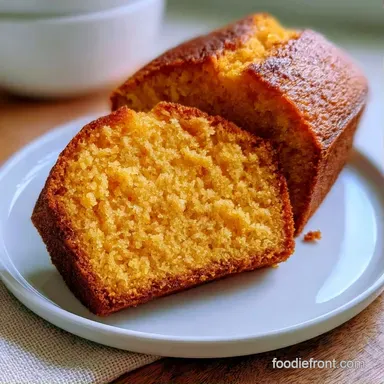
Cantaloupe Bread with Cinnamon Butter Glaze
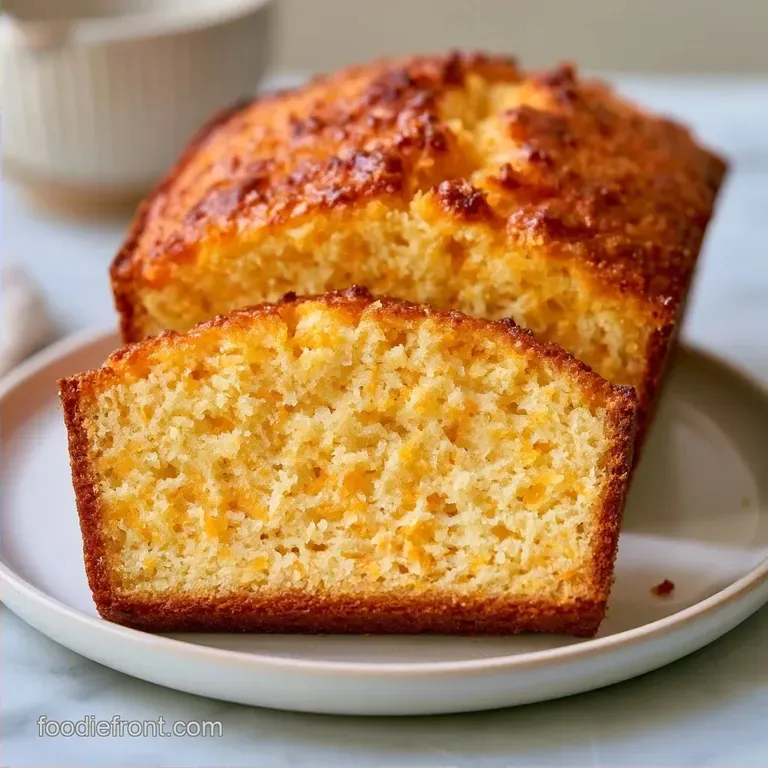
- Time: 15 min active + 60 min baking
- Flavor/Texture Hook: Soft, honey toned crumb with a cinnamon butter glaze
- Perfect for: Weekend brunch or a sweet afternoon snack
The smell of warm cinnamon and toasted sugar hits you the moment you open the oven door. There is something about the way fresh melon caramelizes in the heat that smells less like a fruit and more like a golden candy. It's the kind of aroma that pulls everyone into the kitchen before the timer even goes off.
I first tried this during a summer when my garden was overflowing with melons. I wanted a dessert that felt light but still had that comforting, heavy loaf feel of a classic quick bread. It took a bit of tweaking to get the moisture right, but the result is a treat that feels like sunshine in a pan.
You can expect a loaf that is bright orange inside with a glossy, brown sugar crust. This Cantaloupe Bread doesn't taste like a raw melon, but rather a concentrated, spiced version of that summer sweetness. It's impressive enough for guests but easy enough to whip up on a Tuesday.
How to Actually Nail This
- Fruit Moisture: Pureeing the melon creates a heavy batter, so the mix of baking soda and powder provides a double lift to prevent the loaf from becoming a brick.
- Sugar Balance: Using both granulated and brown sugar allows the loaf to brown deeply while the fruit provides a natural, fructose driven sweetness.
If you are new to quick breads, check out King Arthur Baking for tips on how leavening agents react with acidic fruit purees.
| Method | Time | Texture | Best For |
|---|---|---|---|
| Oven Loaf | 60 mins | Fluffy & Soft | Traditional dessert |
| Stovetop Skillet | 20 mins | Dense & Fried | Quick breakfast |
Quick Recipe Specs
The goal for this Cantaloupe Bread is a consistent, tender crumb. To ensure it turns out right, watch for these three checkpoints: the oven must hit exactly 350°F (175°C), the toothpick should come out clean at the 60 minute mark, and the glaze needs 10 minutes to set.
For the visual appeal, I focus on color balance. The base is a vivid sunset orange. The glaze adds a deep golden brown accent. For a final touch, add a bright green mint leaf or a sprinkle of white powdered sugar on top just before serving.
The Main Ingredients
The success of this Cantaloupe Bread depends on the ripeness of the fruit. If the melon is under ripe, the color will be pale and the flavor muted. Use a melon that smells sweet and feels slightly soft to the touch.
| Component | Purpose | Substitute Notes |
|---|---|---|
| Cantaloupe Puree | Moisture & Flavor | Honeydew: Lighter flavor, paler color |
| All Purpose Flour | Structure | Almond Flour: Heavier, denser crumb |
| Butter | Richness | Coconut Oil: Similar fat, adds coconut scent |
| Baking Soda/Powder | Lift | None: Both are needed for this fruit weight |
The Full List: 1.5 cups (350g) fresh cantaloupe, pureed until smooth Why this? Provides the core flavor and moisture 0.5 cup (100g) granulated sugar Why this? Creates a crisp crust 0.5 cup (110g) unsalted butter, melted and cooled 1 large
Egg, room temperature 1 tsp (5ml) vanilla extract 2 cups (250g) all purpose flour 1 tsp (5g) baking soda 0.5 tsp (2g) baking powder 0.5 tsp (3g) salt 1 tsp (2g) ground cinnamon 0.25 tsp (1g) ground nutmeg 2 tbsp (28g) unsalted butter, melted (for glaze) 0.25 cup (50g) brown sugar, packed (for glaze) 1 tbsp (15ml) milk
(for glaze) 0.25 tsp (1g) cinnamon (for glaze)
Chef Note: If your butter is too hot when you add the egg, you might scramble it. Let the melted butter sit for 5 minutes before mixing.
Tools You Need
While professional equipment isn't necessary, a blender is essential for preparing the fruit. Use a standard 9x5 inch loaf pan for this recipe; a larger pan will result in a flatter loaf and potentially overcooked edges.
A silicone spatula is my recommendation for folding. It allows you to scrape the bowl thoroughly without over mixing the batter. Over mixing creates too much gluten, which turns the Cantaloupe Bread tough instead of tender.
Step by step Method
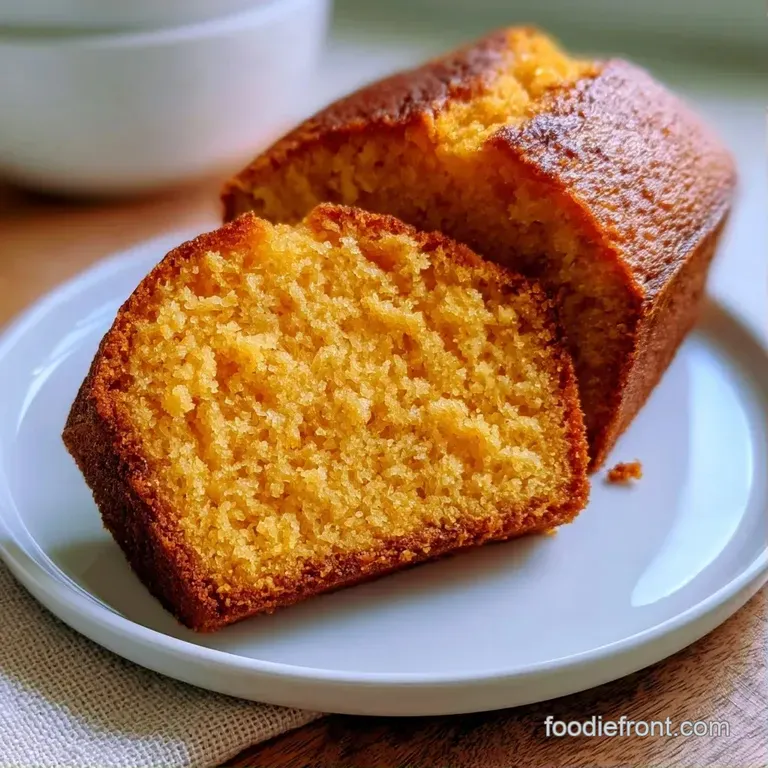
Making the Cantaloupe Puree
Process peeled and seeded cantaloupe pieces until they are perfectly smooth. It is important to avoid any lumps to prevent "wet spots" in your finished Cantaloupe Bread.
Preparing the Wet Base
Whisk together the melted butter and sugar in a large bowl. Beat in the egg and vanilla, then stir in the cantaloupe puree until the mixture is smooth and consistent.
Sifting the Dry Ingredients
Using a separate medium bowl, sift the flour, baking soda, baking powder, salt, nutmeg, and cinnamon. This eliminates soda clumps to prevent bitter streaks in the loaf.
Folding the Batter
Carefully fold the dry components into the wet mixture with a spatula. Stop as soon as the flour streaks vanish to ensure the bread remains light and airy.
Baking to Golden Perfection
Transfer the batter into a greased 9x5 inch loaf pan. Bake at 350°F (175°C) for 55–65 minutes until a cake tester comes out clean.
Applying the Glaze
While the loaf is warm, whisk together the melted butter, brown sugar, milk, and cinnamon. Brush this evenly over the top and let it set for 10 minutes before slicing your Cantaloupe Bread.
Fixing Common Issues
Preventing a Sunk Center
A dip in the middle usually happens if you open the oven door too early or if the batter was over mixed. Keep the door shut until at least 50 minutes have passed. Ensure your baking soda is fresh, as expired leaveners won't hold the weight of the fruit.
Fixing an Over Moist Crumb
Cantaloupe water content varies by season. If the batter looks like soup, add one tablespoon of flour at a time until it reaches a thick, droppable consistency. This ensures the Cantaloupe Bread sets properly without remaining gummy in the middle.
Avoiding Burnt Edges
If the top browns too quickly but the center is still raw, tent the pan with aluminum foil. This protects the crust while the middle continues to bake. This is common in convection ovens that circulate heat more aggressively.
Dietary Adaptations
Making it Vegan
Substitute the egg with a flax egg (1 tbsp ground flaxseed mixed with 3 tbsp water). Use vegan butter and almond milk for the glaze. The Cantaloupe Bread will be slightly denser, but the flavor remains the same.
Lowering the Sugar
You can reduce the granulated sugar by 2 tablespoons without affecting the structure. Since the melon provides natural sweetness, the loaf still tastes great. Avoid removing too much, or the Cantaloupe Bread may not brown properly.
Adding a Nutty Crunch
Fold in 1/2 cup of chopped pecans or walnuts during the final folding step. This adds a salty contrast to the sweet fruit. If you like a different fruit profile, you might enjoy my Fresh Watermelon Bread for a similar vibe.
Decision Shortcut: Nutty flavor? → fold in 1/2 cup chopped pecans. More zing? → add 1 tsp lemon zest. Extra sweetness? → increase brown sugar by 1 tbsp.
Storage and Scraps
Room Temperature Storage
Store the Cantaloupe Bread in an airtight glass container or wrap it in foil for up to 2 days. Due to the moisture from the fruit, it may develop mold faster than a basic white loaf.
Refrigerating for Longevity
Refrigerated slices remain fresh for 5 days. I suggest warming each piece in the microwave or toaster for 15 seconds to restore that soft, buttery feel.
Freezing for Later
Wrap the full loaf in plastic wrap followed by foil. This keeps it fresh in the freezer for 3 months. Thaw it at room temperature for 2 hours before serving.
Zero Waste Tip
Instead of discarding the melon rinds, peel off the tough outer skin and blend the remaining part with water, lime, and a touch of honey for a refreshing drink.
Serving Ideas
The Classic Breakfast
Toast a slice of Cantaloupe Bread and top it with a slab of salted butter. The salt cuts through the honey like sweetness of the melon. It pairs beautifully with a side of Fruit Salad with Cantaloupe for a full summer spread.
The Dessert Twist
Serve a warm slice alongside a scoop of vanilla bean ice cream. The cold cream melts into the warm cinnamon glaze, creating a rich sauce. This turns a simple loaf into a proper dessert.
Balancing the Plate
Since this Cantaloupe Bread is quite sweet, pair it with something tart. A dollop of Greek yogurt or a few fresh raspberries on the side balances the flavor profile.
How to Actually Nail This
The real trick to this Cantaloupe Bread is resisting the urge to over mix. Once the flour hits the wet ingredients, the clock starts. If you stir too much, the air bubbles escape and you lose the lift.
Also, remember that the glaze is a functional part of the recipe. It seals the top of the loaf, keeping the inside moist for longer. Without the brown sugar glaze, the Cantaloupe Bread can dry out faster in the fridge.
Right then, you're all set to bake. This homemade Cantaloupe Bread is a great way to use up seasonal produce while making something that looks far more complicated than it actually is. Trust me on the cinnamon don't skip it, as it's what makes the melon flavor really pop.
Enjoy your Cantaloupe Bread, and don't be surprised when the whole loaf disappears in one afternoon. It's just that kind of treat.
Recipe FAQs
What can I do with an overripe cantaloupe?
Puree the fruit to use as the base for this bread. Overripe melons often have more concentrated sweetness that enhances the flavor of the batter.
Is it true that cantaloupe bread tastes like artificial candy?
Not true. Freshly pureed cantaloupe offers a subtle, natural taste that complements the ground cinnamon and nutmeg.
How to verify the loaf is finished baking?
Insert a toothpick into the center of the loaf. It is ready when the toothpick comes out clean after baking at 350°F for 55 65 minutes.
Which accompaniments work best with this bread?
Pair the slices with fresh berries or a dollop of whipped cream. For another fresh fruit combination, see how we balance flavors in our watermelon caprese.
Can the baked bread be frozen?
Yes, wrap slices tightly in plastic wrap and store them in a freezer bag. They thaw easily at room temperature for a quick snack.
Cantaloupe Bread Recipe