Zero Waste Pineapple Tea Elixir
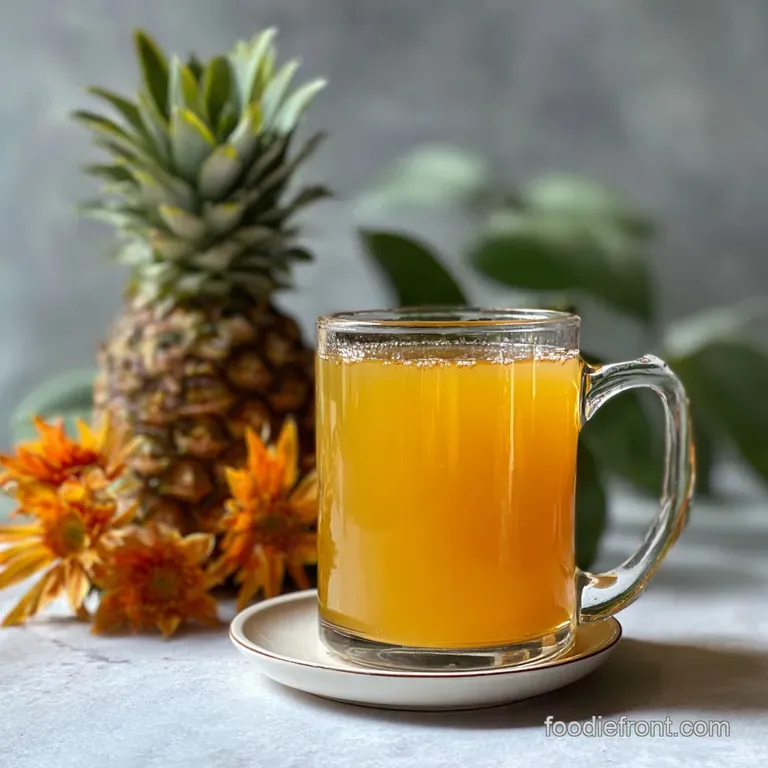
- Time: Active 10 minutes, Passive 30 minutes, Total 40 minutes
- Flavor/Texture Hook: Bright, zingy, and naturally effervescent
- Perfect for: Mid day energy boosts or relaxing evening sips
- The Refreshing Secret to Brewing the Best Pineapple Tea
- Thermal Extraction and the Science of the Peel
- Efficiency in the Kitchen with a 40 Minute Timeline
- Sourcing Your Elements for a Bright and Tangy Brew
- Essential Tools for a Clean and Silky Texture
- Step by Step Guide to Crafting This Zesty Infusion
- Common Pitfalls to Avoid for the Clearest Flavor Profile
- Adaptations for Your Unique Palate and Dietary Needs
- Storing and Reheating Your Tropical Elixir with Ease
- Garnishing Your Sips for a High End Cafe Vibe
- Discarding the Myths of Fruit Scrap Brewing
- Recipe FAQs
- 📝 Recipe Card
The Refreshing Secret to Brewing the Best Pineapple Tea
The first time I realized I could do something with pineapple skins, it felt like I'd stumbled onto a hidden kitchen treasure. I used to just toss the prickly outer shells into the bin without a second thought, but then the aroma of a neighbor's kitchen stopped me in my tracks.
They were simmering those exact "scraps" with a stick of cinnamon, and the scent was so intoxicating it filled the entire hallway with a warm, tropical hug. I went home, fished my own pineapple remains out of the compost (don't judge, it was on top!), and started experimenting.
This recipe isn't just about being thrifty - though that's a massive perk - it's about the depth of flavor you simply can't get from the flesh alone. The skins hold so much concentrated essence and oils that provide a structural "bite" to the tea.
When you combine that with the earthy notes of hibiscus and the sharp kick of fresh ginger, you get a drink that’s miles ahead of any store-bought bottle. It's become my go to afternoon ritual whenever I need to reset my brain and give my body something truly nourishing.
We're going to use every bit of that medium pineapple to create something that looks like liquid gold and tastes like pure sunshine. Whether you enjoy it steaming hot on a rainy afternoon or poured over a glass full of ice on a humid day, this brew is incredibly versatile.
It’s light, it’s refreshing, and it has this subtle complexity that makes people ask, "What on earth is in this?" Let’s get into why this specific combination of pineapple and tea works so well for your palate.
Thermal Extraction and the Science of the Peel
Enzymatic Release: Simmering the skins breaks down tough cellulose, allowing the enzyme bromelain to leach into the water for a smooth, functional brew.
Tannin Management: Adding the green tea bags only at the very end prevents the water from becoming bitter or astringent while cooling.
Acid Balancing: The lime juice added after cooking acts as a pH stabilizer, brightening the heavy tropical notes and preserving the vibrant hibiscus color.
Osmotic Sweetening: Using raw honey while the liquid is warm (but not boiling) preserves delicate floral compounds while drawing out the ginger's heat.
| Method | Time | Texture | Best For |
|---|---|---|---|
| Slow Simmer | 30 mins | Deep, syrupy, and concentrated | Hot tea or medicinal sips |
| Cold Brew | 12 hours | Light, floral, and very clear | Refreshing iced tea |
| Pressure Cook | 10 mins | Very intense and slightly cloudy | Quick batch prep |
Choosing the right method depends on how much time you've got on your hands. I personally swear by the stovetop simmer because it allows the cinnamon and ginger to really marry with the pineapple oils, creating a velvety mouthfeel that cold brewing just can't replicate. If you're planning a big dinner, like serving my Simple Beef Stir recipe, having a pitcher of this tea ready in the fridge is the perfect way to cut through the richness of the meal.
Efficiency in the Kitchen with a 40 Minute Timeline
| Component | Science Role | Pro Secret |
|---|---|---|
| Pineapple Skins | Main Flavor Base | Scrub with a vegetable brush to remove any dirt or wax before boiling. |
| Fresh Ginger | Aromatic Heat | Keep the peel on the ginger; it adds more earthy depth to the final cup. |
| Dried Hibiscus | Color & Tartness | These flowers act as a natural tea "dye" and provide a cranberry like tang. |
| Raw Honey | Natural Emollient | Stir it in once the heat is off to keep the enzymes and flavor intact. |
Preparing this tea is all about the flow of extraction. You want to start with the "hard" aromatics that need time to break down, then finish with the delicate tea leaves that only need a quick steep. It’s a rhythmic process that rewards a little bit of patience with a huge payoff in clarity and flavor.
Phase One: The Prep
Start by thoroughly scrubbing your pineapple. This is the most important step because we are using the exterior. Use a clean brush and 2 Liters filtered water to ensure your base is as pure as possible. While the water comes to a boil, slice your 2 inch knob of fresh ginger into coins.
Don't worry about being precise; more surface area just means more flavor.
Phase Two: The Extraction
Once your water is rolling, add the pineapple skins, core, ginger, and the whole cinnamon stick. Lower the heat to a simmer. You'll want to let this go for 30 minutes. Around the 20 minute mark, your kitchen will start smelling like a Caribbean spice market.
This is when the pineapple and tea elements really start to fuse together.
Phase Three: The Infusion
Turn off the heat. This is the "soft" phase. Toss in the 1 tablespoon dried hibiscus flowers and drop in the 2 green tea bags. Let them steep for exactly 5 minutes.
If you go longer, the green tea might get "grassy." Remove the tea bags, stir in the 2 tablespoons raw honey and the juice from 0.5 fresh lime. Finish by tossing in a handful of fresh mint leaves that you've bruised with your hands to release the oils.
Sourcing Your Elements for a Bright and Tangy Brew
- Skins and core of 1 medium ripe pineapple: The star of the show. Why this? The skins contain concentrated oils and bromelain that flesh lacks.
- Substitute: 2 cups of frozen pineapple chunks (if you don't have fresh skins).
- 2 Liters filtered water: The canvas for your flavors. Why this? Filtered water prevents chlorine tastes from interfering with the delicate hibiscus.
- Substitute: Tap water is fine if yours tastes clean.
- 2 inch knob fresh ginger: Adds a spicy, warming undertone. Why this? Ginger balances the sweetness of the fruit and aids digestion.
- Substitute: 1 teaspoon of ground ginger (though it will be cloudier).
- 1 whole cinnamon stick: Provides a woody, sweet aroma. Why this? Cinnamon complements the tropical profile without adding sugar.
- Substitute: A pinch of ground cinnamon at the end.
- 1 tablespoon dried hibiscus flowers: For that stunning ruby hue. Why this? Hibiscus adds a necessary tartness that mimics citrus.
- Substitute: 2 hibiscus tea bags.
- 2 green tea bags: Adds a subtle caffeine kick and antioxidants. Why this? Green tea is lighter than black tea, letting the fruit shine.
- Substitute: White tea bags for an even softer flavor.
- 2 tablespoons raw honey: For a natural, floral sweetness. Why this? Raw honey dissolves beautifully and adds its own health benefits.
- Substitute: Agave nectar or maple syrup for a vegan version.
- 0.5 fresh lime, juiced: The ultimate brightener. Why this? The acid "pops" the other flavors and prevents the tea from tasting flat.
- Substitute: Lemon juice or a splash of apple cider vinegar.
- 1 handful fresh mint leaves: To provide a cooling finish. Why this? Mint adds a refreshing top note that lingers on the palate.
- Substitute: Fresh basil or a drop of peppermint extract.
Essential Tools for a Clean and Silky Texture
You don't need a high tech lab to make a great homemade pineapple tea, but a few specific tools make the process much smoother. First and foremost, grab a large, heavy bottomed stockpot. This ensures even heat distribution so your pineapple skins don't scorch at the bottom.
A stainless steel pot is ideal because it won't react with the acidic lime or pineapple.
Next, you'll need a fine mesh strainer or a cheesecloth. Since we're using skins and loose hibiscus flowers, you want to be able to catch every little bit of debris to ensure the final drink is clear and elegant. I also highly recommend using a glass pitcher for storage.
Plastic can sometimes absorb the strong ginger and cinnamon scents, leaving your next batch of water tasting a bit... spicy. Finally, a good vegetable brush is non negotiable for cleaning that pineapple exterior properly.
step-by-step Guide to Crafting This Zesty Infusion
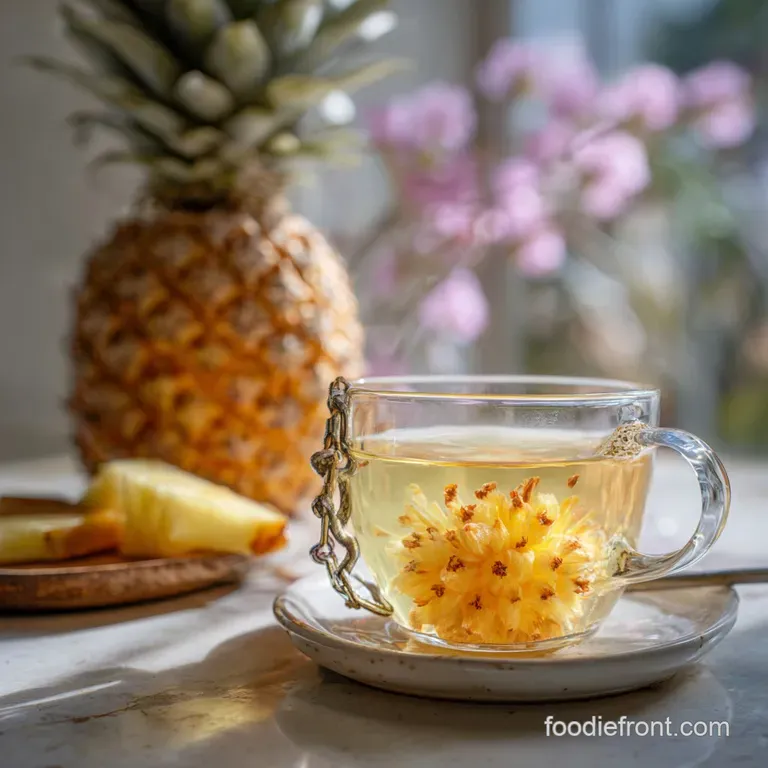
- Scrub the pineapple. Use a vegetable brush under cold running water to clean the skins of your medium pineapple thoroughly. Note: This removes any dirt or lingering residue from transport.
- Prep the fruit. Peel the pineapple and remove the core. Set the fruit flesh aside for a snack and keep the skins and core for the brew.
- Simmer the base. Place the skins, core, sliced ginger, and cinnamon stick in your pot with 2 Liters filtered water. Cook for 30 minutes until the water turns a deep amber.
- Add the hibiscus. Turn off the heat and stir in the dried hibiscus flowers. Wait until the liquid turns a bright magenta.
- Steep the tea. Drop in the 2 green tea bags. Note: Do not boil the tea bags, as high heat releases bitter tannins.
- Rest the brew. Let everything steep for 5 minutes. This allows the flavors to settle and the tea to fully infuse.
- Strain the liquid. Pour the tea through a fine mesh strainer into a clean pitcher. Discard the solids once they have been fully drained.
- Sweeten and brighten. Stir in the raw honey and lime juice while the tea is still warm.
- Add the mint. Bruise the mint leaves by slapping them between your palms and drop them into the pitcher.
- Cool or serve. Drink it warm immediately or refrigerate until chilled. Serve over ice for a crisp, refreshing experience.
Common Pitfalls to Avoid for the Clearest Flavor Profile
Even a simple recipe like this can go sideways if you're not careful with the timing. The biggest mistake I see people make is over boiling the tea. Once the heat is off, that’s when the magic happens.
If you keep the green tea bags in a rolling boil, you'll end up with a drink that’s unpleasantly bitter and dry on the tongue.
Why Your Tea Tastes Bitter
If your brew has a harsh, dry finish, it's almost certainly because of the steeping time. Green tea is delicate. If left in hot water for more than 5-7 minutes, it starts releasing excess tannins. Always set a timer the second those bags hit the water.
Why Your Tea Is Cloudy
Cloudiness usually comes from two things: either the pineapple wasn't scrubbed well enough, or you squeezed the skins too hard while straining. While it's tempting to mash the skins to get every drop, doing so releases starches and particulates that cloud the liquid. Let gravity do the work.
| Problem | Root Cause | Solution |
|---|---|---|
| Weak Flavor | Pineapple wasn't ripe enough | Simmer for an extra 10 mins or add a splash of pineapple juice. |
| Overly Spicy | Too much ginger or too long a simmer | Dilute with a bit more filtered water or add extra honey. |
| Dull Color | Omitted the hibiscus or lime | Ensure you use both; the acid in lime keeps the hibiscus red vibrant. |
Common Mistakes Checklist
- ✓ Always scrub the pineapple skins with a brush (prevents a "dirt" aftertaste).
- ✓ Remove green tea bags after 5 minutes (prevents bitterness).
- ✓ Add honey to warm water, not boiling (preserves honey's flavor profile).
- ✓ Bruise your mint leaves before adding (releases essential oils instantly).
- ✓ Use a glass pitcher for storage (avoids flavor contamination).
Adaptations for Your Unique Palate and Dietary Needs
One of the things I love most about this pineapple tea recipe is how much you can play with it. If you're looking for a bit more of a kick, you can lean into a pineapple and ginger tea by doubling the amount of ginger coins.
It creates a throat soothing heat that is incredible if you're feeling under the weather. For a summer party, you can even use this as a base for a pineapple iced tea recipe by adding sparkling water and a few slices of fresh fruit to the glass.
If you’re in the mood for something more dessert like, this tea actually pairs beautifully with a sweet treat like my White Almond Bark recipe. The tartness of the hibiscus cuts through the creamy sweetness of the bark perfectly.
| Original Ingredient | Substitute | Why It Works |
|---|---|---|
| Raw Honey | Maple Syrup | Adds a deeper, caramelized sweetness that's vegan friendly. |
| Green Tea Bags | Black Tea Bags | Provides a more "traditional" tea flavor and more caffeine. |
| Fresh Ginger | Galangal | Adds a sharper, more citrusy heat common in Southeast Asian cooking. |
Chef's Tip: If you want to transform this into a "Pineapple Hibiscus Tea" with a more floral profile, add a few drops of rose water at the very end. It adds an incredible aroma that makes the drink feel much more sophisticated.
Storing and Reheating Your Tropical Elixir with Ease
This tea keeps remarkably well, making it a great candidate for meal prep. You can store the finished brew in the fridge for up to 5 days. Just make sure it's in a sealed container so it doesn't pick up the scents of that leftover onion in the back of the shelf.
If the mint starts to look a bit sad after a day or two, simply strain it out and add fresh leaves when you're ready to drink.
For long term storage, you can actually freeze this tea! Pour it into ice cube trays and use the "tea cubes" in your iced tea so it doesn't get watered down as it melts. Or, throw the cubes into a blender for a quick pineapple hibiscus slushie. If you prefer it hot, just gently reheat it on the stove.
Don't let it come back to a full boil, or you might lose some of those bright lime and mint notes.
Regarding zero waste, don't forget the solids! After straining, those ginger coins can be candied, and the pineapple core (if chopped small enough) can be added to a compost pile where it will break down quickly thanks to its high acidity.
Garnishing Your Sips for a High End Cafe Vibe
Presentation is half the fun, right? To give your homemade pineapple tea that "wow" factor, focus on the glass. A tall highball glass filled with large, clear ice cubes is a great start. I like to take a long strip of pineapple skin (cleaned, of course) and curl it inside the glass before pouring the tea.
It looks intentional and rustic.
If you want to get fancy, rim the glass with a mixture of sugar and a tiny pinch of chili powder. The heat from the chili plays off the ginger in the tea and makes every sip a little adventure. Add a fresh sprig of mint and a wheel of lime on the rim, and you've got a drink that looks like it cost $12 at a rooftop bar. If you’re hosting a brunch, this tea is a fantastic non alcoholic alternative to a Pineapple Upside Down Cocktail recipe, offering all the flavor with none of the booze.
- For a Fizzy Treat
- Fill your glass halfway with tea and top with chilled club soda or ginger ale.
- For a Morning Kick
- Add a pinch of turmeric and black pepper during the simmer phase to turn this into a potent wellness shot.
- For a Creamy Sip
- Stir in a splash of coconut milk once the tea is cold for a "pink drink" style tropical refresher.
Discarding the Myths of Fruit Scrap Brewing
Many people believe that fruit skins are just "trash" and don't contain any nutrients. In reality, the peel of the pineapple is where much of the fiber and specific enzymes are concentrated.
By simmering them, you aren't just making a flavored water; you're creating a functional infusion that captures what is usually lost. Another common myth is that you need a specialized "pineapple green tea" blend to get this flavor.
In truth, using standard green tea bags and fresh skins provides a much cleaner and more authentic fruit taste than any pre flavored tea bag ever could.
Finally, don't believe the idea that you have to peel the ginger. The skin of the ginger is perfectly edible and full of flavor. As long as it's washed, leaving it on saves time and adds a beautiful, earthy complexity to the tea that balances the high notes of the pineapple and hibiscus.
Trust the process, use your scraps, and enjoy every refreshing sip of this liquid sunshine!
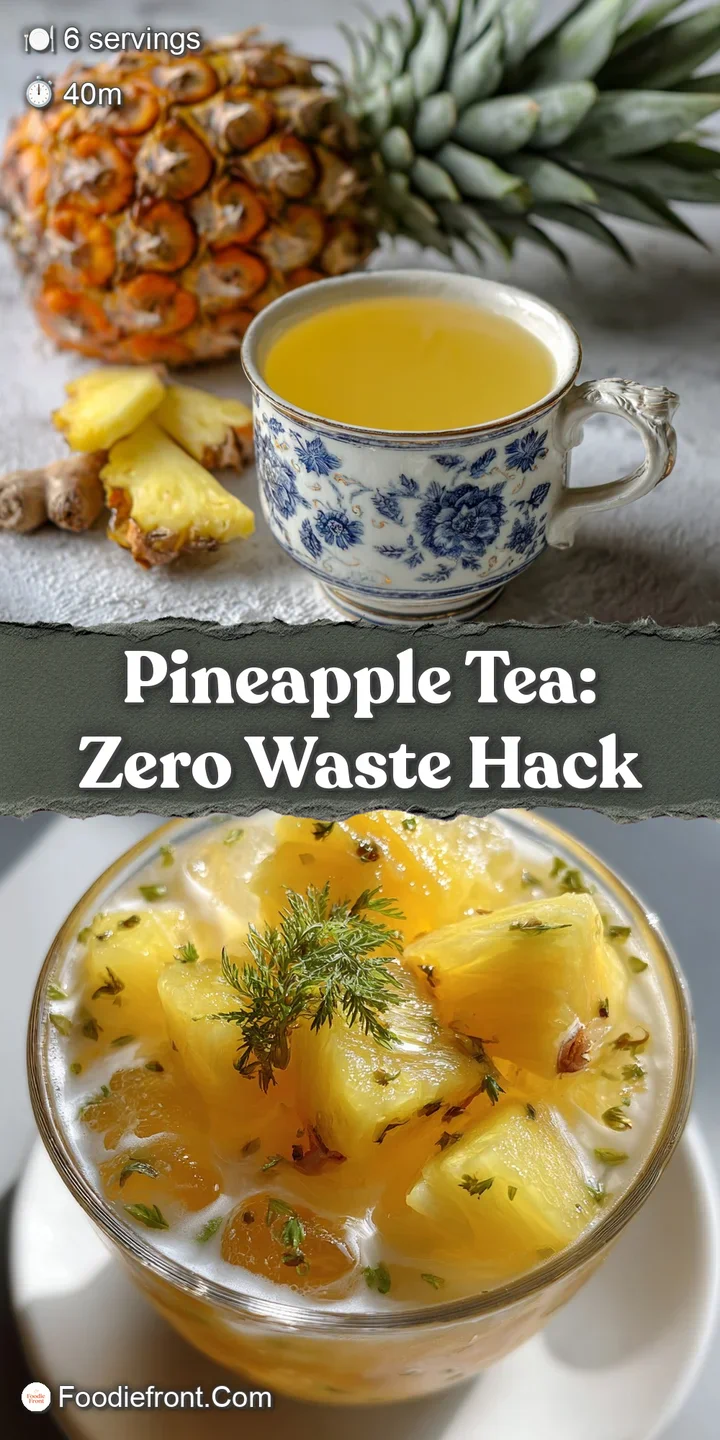
Recipe FAQs
Is pineapple good in tea?
Yes, pineapple creates an exceptional, bright infusion. Simmering the skins extracts concentrated tropical oils and bromelain, resulting in a flavor far superior to using only the flesh.
Can I eat pineapple and drink tea made from its scraps simultaneously?
Yes, it is an excellent zero waste practice. Enjoy the fresh fruit flesh while simultaneously brewing the skins and core into a nutrient rich elixir.
Does pineapple tea detox your body?
It supports detoxification through hydration and natural enzymes. The bromelain from the skins aids digestion, and the high water content helps flush the system, though it isn't a medicinal detox.
How long should I boil pineapple peels for tea?
Simmer the peels for a full 30 minutes before adding delicate ingredients. This extended simmer time is crucial for breaking down the tough cellulose and extracting the maximum flavor from the skins.
What is the best practice for steeping the green tea bags?
Remove the heat source completely before adding the tea bags and steep for only 5 minutes. Boiling the green tea releases excessive tannins, which will make your bright pineapple brew taste bitter and astringent.
Can I use dried pineapple instead of fresh peels?
No, dried pineapple is not an adequate substitute for fresh peels. Dried fruit lacks the necessary essential oils and high water content needed for a successful, flavorful simmer extraction.
How can I make this tea naturally effervescent?
Allow the strained tea to cool completely, then mix it with club soda or sparkling water. Adding citrus juice just before serving enhances the perceived fizziness and brightens the overall tropical flavor.
Zero Waste Pineapple Tea
Ingredients:
Instructions:
Nutrition Facts:
| Calories | 33 calories |
|---|---|
| Protein | 0.2 g |
| Fat | 0.1 g |
| Carbs | 8.8 g |
| Fiber | 0.4 g |
| Sugar | 7.9 g |
| Sodium | 3 mg |
