Salami and Cheese Melt Perfection
- Time: Active 5 minutes, Passive 5 minutes, Total 10 minutes
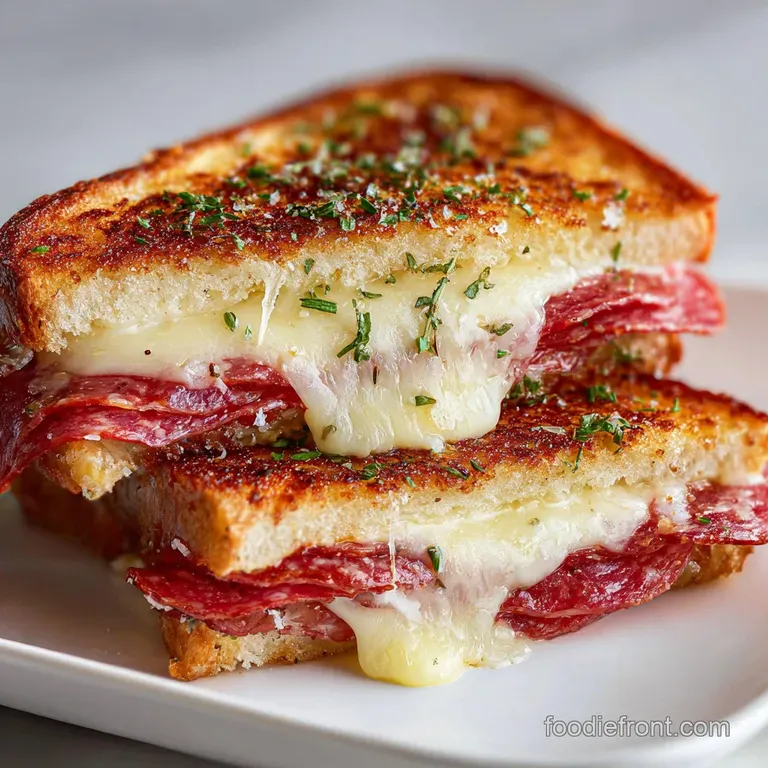
- Flavor/Texture Hook: Shatter crisp sourdough with a velvety, molten cheese center
- Perfect for: Quick family lunch or a hearty weeknight dinner
- Hearty Salami and Cheese Sourdough Press
- Specs for Your Family Meal
- Component Analysis and Selection
- Sourcing the Finest Ingredients
- Equipment for a Perfect Toast
- Step by Step Assembly
- Solving Common Texture Issues
- Scaling for Large Groups
- Debunking Cured Meat Myths
- Storage and Zero Waste
- Perfect Side Dish Pairings
- Critical High in Sodium
- Salami and Cheese FAQs
- 📝 Recipe Card
Hearty Salami and Cheese Sourdough Press
The moment that 113g of Genovese salami hits a hot cast iron pan, the air fills with a heavy, salt cured aroma that is completely intoxicating. You know that specific sizzle? It's the sound of fat rendering out, promising a sandwich that isn't just warm, but truly transformed.
I used to be the person who just slapped cold meat on bread and called it a day, but one soggy lunch changed everything for me.
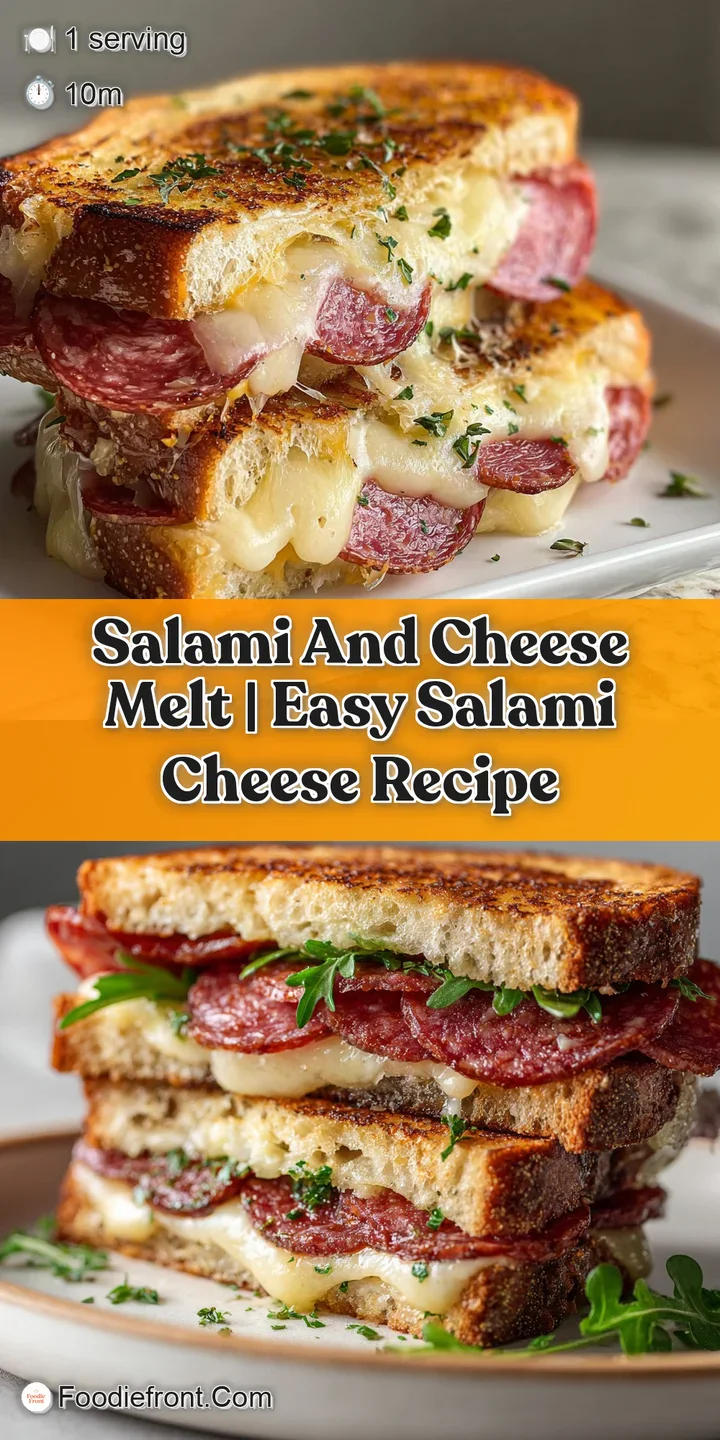
We’ve all been there a sandwich that looks good but feels limp and uninspired. This version of a hot salami and cheese sandwich recipe solves that by treating the meat like the star it is. By quickly crisping the salami before assembly, we create layers of texture that most sandwiches lack.
It’s a trick I learned after too many "rubbery" outcomes, and honestly, I haven't looked back since.
This isn't just a quick snack; it’s a family favorite meal that feels like it came from a high end bistro. We're using thick cut sourdough to stand up to the bold oils of the salami and a sharp provolone that brings that beautiful, stretchy pull we all crave.
It’s comforting, it’s hearty, and it’s exactly what you want on the table after a long day.
Specs for Your Family Meal
To get the most out of these salami and cheese recipes, you need to know exactly when the magic happens. Paying attention to the visual cues in the pan is far more important than just watching the clock, as every stove runs a little differently.
- Science
- Why it Works
- Maillard Reaction
- The heat triggers a chemical reaction between amino acids and reducing sugars, creating that deep brown crust and complex savory flavor on the bread.
- Fat Rendering
- Heating the salami first liquefies the solid fats, allowing them to permeate the meat fibers and create a crispier edge.
| Salami Thickness | Pan Heat | Sizzling Time | Visual Cue |
|---|---|---|---|
| Paper Thin | Medium High | 45 seconds | Edges curl and darken |
| Standard (2mm) | Medium | 90 seconds | Fat turns translucent/liquid |
| Thick Cut (4mm) | Medium Low | 3 minutes | Surface bubbles and browns |
Whether you are making a simple salami cheese snack or a full meal, these timing checkpoints ensure you don't end up with burnt meat or cold cheese.
Component Analysis and Selection
Understanding the "why" behind your ingredients makes you a better cook. We aren't just choosing things that taste good; we're choosing things that behave well under heat.
| Ingredient | Science Role | Pro Secret |
|---|---|---|
| Sourdough | Structural Integrity | The open crumb traps melted cheese without becoming a soggy mess. |
| Sharp Provolone | Emulsification | Aged provolone has a lower moisture content, which prevents oily separation when melted. |
| Genovese Salami | Fat Source | The high ratio of back fat provides the "oil" needed to crisp the interior of the bread. |
Sourcing the Finest Ingredients
When you're making a quick salami and cheese recipe, the quality of the individual items is everything. Since there are so few components, each one needs to pull its weight.
- 113g Genovese or Hard Salami: Thinly sliced is best here. Genovese has a lovely garlic and wine profile that wakes up when heated. Why this? The fat renders quickly, creating a natural "sauce" for the bread.
- 60g Sharp Provolone or Havarti: If you want a bite, go Provolone; for a buttery finish, choose Havarti. Why this? These cheeses have the perfect melting point for a 5 minute cook.
- 80g Sourdough or Thick cut Italian bread: Look for a loaf with a sturdy crust. Why this? It provides a "shatter" texture that contrasts the soft cheese.
- 14g Unsalted butter: Make sure it is softened so you don't tear the bread while spreading.
- 5g Dijon mustard: This adds the necessary acidity to cut through the heavy fats.
- 3 pepperoncini rings: These bring a zesty, vinegar soaked heat.
- 5g pickled red onions: Essential for a bright, crunchy pop.
- 1 pinch dried oregano: This tiny addition makes the whole thing smell like an authentic Italian deli.
If you are looking for a lighter side to pair with this, I highly recommend serving it alongside a warm bowl of my Wisconsin Cheese Soup recipe for the ultimate comfort experience.
Equipment for a Perfect Toast
You don't need a fancy panini press to make a world class hot salami and cheese sandwich. In fact, I prefer the control of a standard skillet.
- Cast Iron Skillet: This is my top choice because it holds heat evenly, which is crucial for that golden brown crust. A stainless steel pan also works, but you'll need to watch the heat more closely.
- Heavy Press or Second Skillet: To get that compressed, deli style texture, you’ll want something to weigh the sandwich down. A foil wrapped brick is a classic "grandma trick" that works wonders.
- Offset Spatula: This makes flipping the sandwich much easier without losing the fillings.
Chef's Tip: Freeze your butter for just 10 minutes before you need it if your kitchen is too warm. You can then grate it over the bread for an even, thin layer that melts perfectly.
step-by-step Assembly
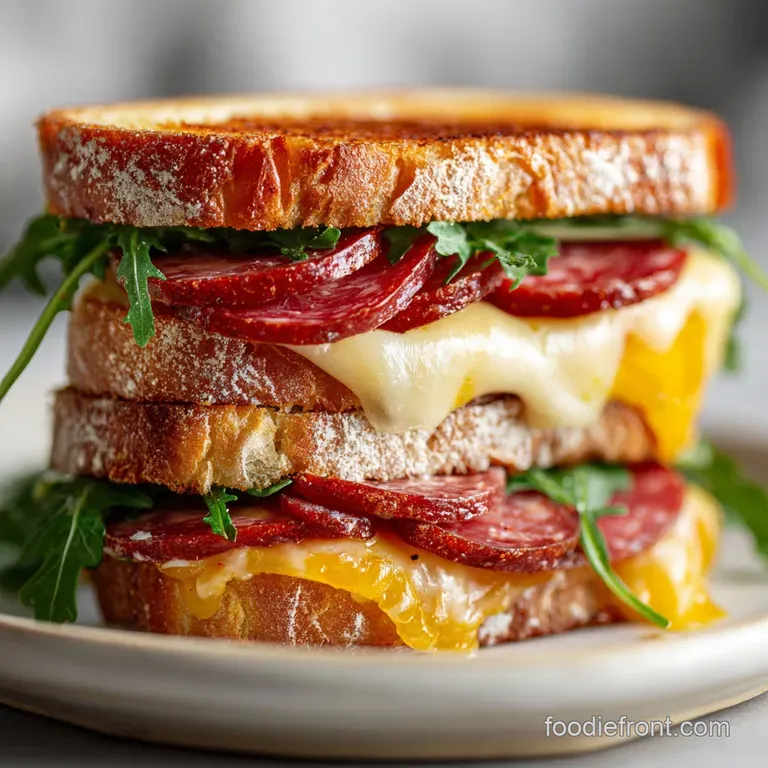
Right then, let's crack on. This process is fast, so have all your ingredients laid out before you turn on the stove.
- Prep the meat. Place the 113g of salami slices in a cold skillet. Note: Starting cold allows the fat to render slowly without scorching the meat.
- Sear the salami. Turn the heat to medium and cook for about 2 minutes until the edges are slightly ruffled and crispy.
- Drain and set aside. Remove the salami to a paper towel. Wipe the excess grease from the pan, leaving just a thin film.
- Butter the bread. Spread 14g of softened butter on one side of each 80g sourdough slice.
- Build the base. Place one slice of bread, butter side down, in the skillet. Spread 5g of Dijon mustard on the top side.
- Layer the fillings. Place one 30g slice of cheese, followed by the seared salami, pepperoncini, pickled onions, and the pinch of oregano.
- Top it off. Add the remaining cheese slice and the second piece of bread, butter side up. Note: Placing cheese on both sides of the meat acts as "glue" to hold the sandwich together.
- Press and toast. Cook for 3 minutes, using a heavy press, until the bottom is deep gold and audible when scraped.
- Flip carefully. Flip the sandwich and cook for another 2 minutes until the cheese is visibly oozing from the sides.
- Rest before cutting. Let it sit for 60 seconds on a cutting board. Note: This prevents the molten cheese from sliding out immediately when sliced.
Solving Common Texture Issues
Even the simplest recipes can go sideways if the heat isn't managed. Most problems with salami and cheese recipes come down to moisture control.
Why Your Bread Is Soggy
If your bread feels damp rather than crisp, it’s usually because the internal moisture from the pickled onions or pepperoncini wasn't drained properly. Another culprit is using bread that is too fresh and soft.
Why Your Cheese Won't Melt
If the bread is browning too fast but the cheese is still cold, your heat is too high. This is the most common mistake. You want a steady, medium low heat that gives the thermal energy time to penetrate to the center of the sandwich.
| Problem | Root Cause | Solution |
|---|---|---|
| Burnt bread, cold center | Heat is too high | Lower heat and cover the pan with a lid for 60 seconds to trap steam. |
| Greasy exterior | Too much butter | Use exactly 14g (1 tbsp) and spread it to the very edges for a thin seal. |
| Fillings falling out | No "cheese glue" | Always put a layer of cheese both below and above the meat. |
Common Mistakes Checklist
- ✓ Pat the pepperoncini and onions dry with a paper towel before adding them to the bread.
- ✓ Don't skip the meat searing step; cold salami releases too much oil during the bread toasting phase.
- ✓ Use a heavy weight to ensure the bread makes full contact with the pan surface.
- ✓ Preheat your pan for 3 minutes on low before starting the assembly.
- ✓ Let the sandwich rest; the internal temperature needs to stabilize so the cheese "sets."
Scaling for Large Groups
Feeding a crowd with salami cheese board ideas is easy, but making hot sandwiches for five people at once requires a bit of planning.
- Scaling Down: This recipe is already perfectly portioned for one. If you want a smaller snack, use slider buns and cut the ingredient amounts in half.
- Scaling Up: To make 4 servings, use a large baking sheet. Butter the bread, assemble the sandwiches, and bake at 200°C for 5 minutes per side.
- The 1.5x Rule: When increasing spices like oregano, don't just quadruple it. Use about 1.5x the amount for every 2 additional sandwiches to avoid overpowering the delicate cheese.
If you are doing a large family spread, these sandwiches go beautifully with a platter of Stuffed Cherry Peppers recipe. The tang of the peppers complements the richness of the salami perfectly.
| Method | Time | Texture | Best For |
|---|---|---|---|
| Stovetop | 10 minutes | Maximum crunch | Single servings |
| Air Fryer | 8 minutes | Very even browning | 1-2 people |
| Oven (Sheet Pan) | 15 minutes | Softer, consistent melt | Large family dinners |
Debunking Cured Meat Myths
There are a few old school rules people follow that actually hold them back from making the best possible salami and cheese appetizers or sandwiches.
Myth: Salami should always be eaten cold. The truth is that curing meat is a preservation method, but heating it releases aromatic compounds that are dormant at room temperature.
Salami specifically benefits from heat because it has a high fat content that coats the palate more effectively when liquefied.
Myth: You need a specialized press for a "real" melt. Honestly, don't even bother buying one. A heavy cast iron skillet or even a clean brick wrapped in foil provides more even pressure than many cheap electric presses that often have "hot spots."
Storage and Zero Waste
If you have leftovers, don't just toss them in a bag. These ingredients are too good to waste!
- Storage: Keep assembled (but uncooked) sandwiches in the fridge for up to 24 hours. Once cooked, they are best eaten immediately, but can be kept in the fridge for 2 days.
- Reheating: Never use the microwave; it will turn your sourdough into rubber. Use a dry skillet over medium heat or an air fryer at 175°C for 3 minutes to bring back the "shatter" crispness.
- Zero Waste: If you have leftover salami scraps, chop them up and fry them until they are like "meat croutons." They are incredible over a salad or stirred into the base of a Dry Soup Mix recipe for an extra punch of umami.
Perfect Side Dish Pairings
A hot salami and cheese sandwich is a powerhouse of flavor, so your sides should either provide a cooling contrast or a complementary richness.
For a busy weeknight, I love serving this with a simple green salad tossed in a vinaigrette. However, if you want that "restaurant at home" feel, try pairing it with a pasta dish. The salty salami works wonders alongside a Meat Manicotti - recipe, especially if you use the same sharp provolone in both dishes to create a cohesive flavor profile across the meal.
If you want to keep things light but still special, a few simple salami and cheese appetizers like skewers with olives and grapes can turn a single sandwich into a full blown Italian inspired feast.
Trust me on this the combination of the hot, melty sandwich and cold, crisp sides is what makes a family dinner feel like an event.
Critical High in Sodium
2650 mg mg of sodium per serving (115% of daily value)
The American Heart Association recommends limiting sodium intake to approximately 2,300mg per day for optimal heart health.
Tips to Reduce Sodium
-
Reduce Salami-25%
Salami is a major source of sodium. Try using only 57g (half) of the salami or replace it with a lower sodium option like roasted chicken or turkey breast. This will significantly reduce the sodium content of your sandwich.
-
Low-Sodium Cheese-15%
Sharp Provolone is quite high in sodium. Substitute it with a low-sodium cheese like fresh mozzarella, Swiss or a reduced sodium Havarti. Even a small change can make a difference.
-
Bread Choice-10%
Sourdough can contain significant sodium. Opt for a lower sodium bread variety, like whole wheat, or reduce the portion size of the bread used.
-
Limit Pickled Items-10%
Pickled red onions and pepperoncini are high in sodium due to the pickling process. Reduce the quantity, or omit them altogether. Consider adding fresh red onion for a similar flavor profile with less sodium.
-
Mustard Modification-5%
Dijon mustard contributes to the overall sodium. Use a small amount, or experiment with homemade mustard alternatives where you can control the salt content.
-
Spice It Up!
Enhance the flavor with sodium free herbs and spices. Experiment with different combinations like garlic powder, onion powder, or smoked paprika to boost taste without adding sodium.
Salami and Cheese FAQs
Do cheese and salami go together?
Yes, absolutely. The rich, savory, and often spicy notes of salami pair beautifully with a wide variety of cheeses. The saltiness of the salami is balanced by the creamy or sharp flavors of the cheese, creating a classic flavor combination found in charcuterie boards and sandwiches.
What is the cheese wrapped in salami called?
There isn't a single specific name for cheese simply wrapped in salami. However, this preparation is common in appetizers and charcuterie, often referred to as salami wrapped cheese bites or simply salami and cheese rolls, especially when the salami is rolled around a cheese stick or cube.
What goes nice with salami?
Salami pairs well with a diverse range of accompaniments. Think crusty bread, olives, pickled vegetables like pepperoncini, and sharp or mild cheeses. For a more substantial meal, it's excellent in hot sandwiches, on pizzas, or as part of a robust pasta dish. If you enjoyed the flavor balance here, you might also like the tang of pickled elements in our Stuffed Cherry Peppers recipe.
What's the best cheese for a salami sandwich?
Sharp provolone or a good quality Havarti are excellent choices for a salami sandwich. Sharp provolone offers a tangy bite that cuts through the richness of the salami, while Havarti provides a buttery creaminess and a superb melt.
The key is a cheese that melts well and has enough flavor to stand up to the cured meat.
How do I get salami crispy for a sandwich?
Sear the salami in a dry, hot skillet for about 2 minutes. Starting with a cold pan allows the fat to render slowly without scorching the meat, resulting in crispy edges and a concentrated flavor. This technique makes the meat wonderfully textured, a principle also applied when mastering heat control in recipes like Fried Turkey Breast for Thanksgiving - Crispy Skin & Juicy Meat.
Can I make a hot salami and cheese sandwich without a panini press?
Yes, a heavy skillet works perfectly. You can achieve a similar crispiness and melted cheese by cooking the sandwich in a cast iron or heavy bottomed skillet over medium heat, pressing down with a second skillet or a foil wrapped brick. This ensures good contact for even browning and melting.
Why is my salami sandwich soggy?
A soggy salami sandwich usually results from excess moisture. Ensure any pickled ingredients like pepperoncini or onions are thoroughly patted dry before adding them. Using bread that is too soft or fresh can also contribute; a sturdier bread like sourdough holds up better. If you're interested in texture control, mastering the heat transfer in a sandwich is similar to achieving that perfect texture in Creamy Mashed Potatoes From Scratch: Ultimate Velvet Texture.
Salami Cheese Melt
Ingredients:
Instructions:
Nutrition Facts:
| Calories | 954 calories |
|---|---|
| Protein | 44 g |
| Fat | 66 g |
| Carbs | 45 g |
| Fiber | 2 g |
| Sugar | 3 g |
| Sodium | 2650 mg |
