Creamy Chicken Florentine: One Pot Comfort
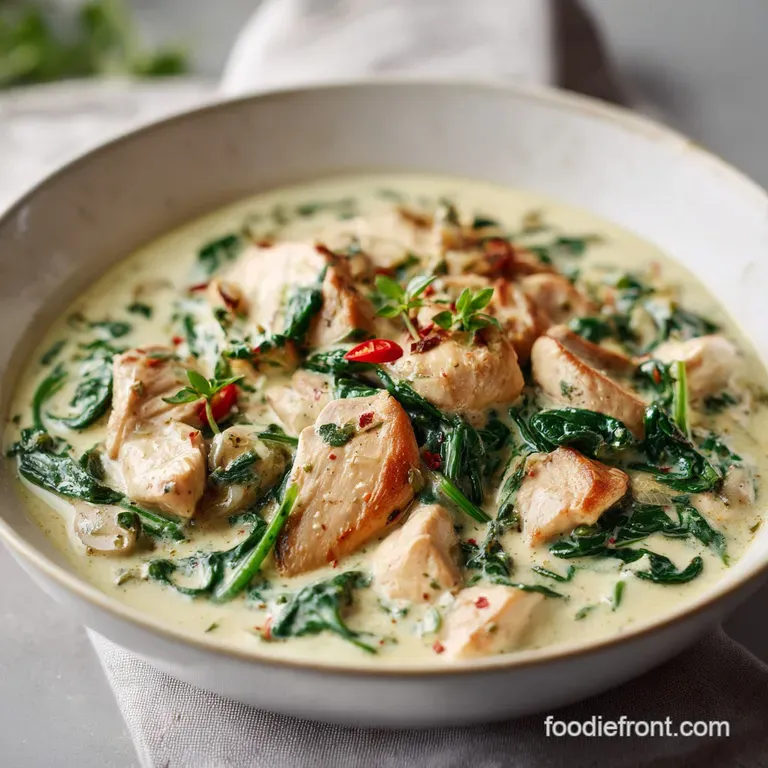
- Time: Active 10 minutes, Passive 20 minutes, Total 30 minutes
- Flavor/Texture Hook: Silky, garlic infused cream sauce with velvety wilted spinach and golden seared chicken.
- Perfect for: Busy family weeknights, budget-friendly date nights, or beginner cooks wanting a "no fail" win.
- Creating the Perfect Creamy Chicken Florentine Tonight
- Understanding the Science of Velvety Sauce
- Timing and Yield for Your Dinner
- Affordable Ingredients for a Hearty Meal
- Essential Gear for One Pot Success
- Detailed Steps for the Best Results
- Prevention Tips for Common Cooking Errors
- Flavor Twists for Every Family Palate
- Kitchen Myths Debunked
- Storage Rules for Long Lasting Freshness
- Hearty Sides for a Complete Dinner
- Very High in Sodium
- Recipe FAQs
- 📝 Recipe Card
Creating the Perfect Creamy Chicken Florentine Tonight
Did you ever wonder why "Florentine" dishes always involve spinach? Legend has it that Catherine de' Medici, who was born in Florence, loved spinach so much that she insisted it be served at every meal after she married the King of France.
While we aren't exactly dining in a 16th-century palace, there is something undeniably regal about the way fresh greens wilt into a simmering pool of garlic and heavy cream. This specific version of Creamy Chicken Florentine is my favorite because it skips the fussy steps of boiling pasta in a separate pot, which usually just leaves you with more dishes and a thinner sauce.
We have all been there staring at a pack of chicken breasts and a half empty box of pasta, wondering how to make it taste like something from a bistro. This recipe is the answer for those nights when you want a meal that feels like a warm hug but you only have 30 minutes to make it happen.
By cooking everything together, we trap all that golden chicken flavor right in the pan, ensuring every single noodle is infused with savory goodness. It is hearty, it is loving, and it is exactly what your family deserves after a long day.
You do not need gourmet skills or a massive grocery budget to pull this off. We are going to focus on smart techniques, like building a "fond" on the bottom of your skillet, to get professional results with simple ingredients.
I will show you how to swap things out if you are missing an item, and how to make sure your sauce never turns out thin or watery. Let's get the stove preheated and transform these simple components into a dinner that will have everyone asking for seconds.
Understanding the Science of Velvety Sauce
The magic of this one pot creamy chicken florentine lies in how we manage moisture and starch. When you cook pasta traditionally, you throw away the "liquid gold" (the starchy water) down the drain. In this recipe, we keep it.
As the penne simmers directly in the broth and cream, it releases starches that act as a natural bridge between the fats in the cream and the liquids in the broth. This creates a stable emulsion that clings to the pasta rather than pooling at the bottom of the plate.
- Natural Starch Thickening: Cooking the dry pasta directly in the sauce allows amylose molecules to leach out, creating a built in thickener that provides a velvety mouthfeel without a flour based roux.
- The Power of the Fond: Those little brown bits stuck to the pan after searing the chicken are concentrated flavor bombs; deglazing them with liquid incorporates deep, roasted notes into the cream.
- Carryover Emulsification: Adding the Parmesan at the very end, off the heat, allows the cheese to melt slowly into the existing fat structure, preventing the sauce from breaking or becoming oily.
- Flash Wilted Nutrition: The spinach is added in the final sixty seconds because the residual heat is enough to break down its cellular walls, keeping the color vibrant while releasing minimal water into the sauce.
| Cook Method | Time | Texture | Best For |
|---|---|---|---|
| Stovetop (This Recipe) | 30 minutes | Ultra creamy, glossy | Quick weeknight efficiency |
| Oven Bake | 50 minutes | Bubbly, browned top | Large crowds and meal prep |
| Slow Cooker | 4 hours | Fall apart tender chicken | Hands off morning prep |
Choosing the stovetop method is almost always the winner for a family dinner because you have total control over the sauce consistency. If it looks a little thick, you can splash in a bit more broth; if it is too thin, you just let it simmer for an extra two minutes.
It is much more forgiving than a bake where you cannot see what is happening under the crust.
| Component | Science Role | Pro Secret |
|---|---|---|
| Chicken Breast | Main Protein | Slice against the grain for maximum tenderness and faster searing. |
| Heavy Cream | Fat Source | Use full fat for stability; low-fat versions often curdle when boiled. |
| Shallots | Aromatic Base | These provide a milder, sweeter onion flavor that doesn't overpower the cream. |
| Lemon Juice | Acid Balance | A tiny amount of acid cuts through the heavy fats, making the flavors "pop." |
The chemistry here is all about balance. The fats provide the richness, the starch provides the body, and the lemon provides the brightness. Without that hit of citrus at the end, the dish can feel heavy or one dimensional.
It is a small detail that makes a massive difference in the final profile of your Creamy Chicken Florentine.
Timing and Yield for Your Dinner
This recipe is designed to feed a family of four comfortably, providing a balanced ratio of protein, carbs, and greens. If you have particularly hungry teenagers, you might find that adding a side of crusty bread helps stretch the servings even further.
The beauty of this dish is its efficiency; you are only "active" for about 10 minutes, mostly at the start when you are searing the chicken and sautéing the aromatics.
- Prep time: 10 minutes
- Cook time: 20 minutes
- Total time: 30 minutes
- Yield: 4 hearty servings
- Serving size: Approximately 350g per person
When I make this for my own family, I find that the 30 minute window is the "sweet spot." It is just enough time for the pasta to reach that perfect al dente texture where it still has a slight bite while the chicken stays juicy.
If you overcook the pasta, it will start to absorb too much of the sauce, leaving the dish feeling dry. Keep an eye on the clock during that final 10 minute simmer!
Affordable Ingredients for a Hearty Meal
To keep this budget smart, we are using ingredients that are often on sale or already in your pantry. Using chicken breasts is cost effective when you slice them into strips, as a little goes a long way when mixed with pasta.
If you want to save even more, you can buy the larger "family pack" of chicken and freeze what you don't use for another night.
- 1 lb (450g) boneless, skinless chicken breasts: Sliced into 1 inch strips. Why this? Strips cook faster and provide more surface area for that golden brown crust.
- Substitute: Chicken thighs (boneless) for a juicier, though slightly fattier, result.
- 1 tbsp (15ml) extra virgin olive oil: Used for the initial sear.
- Substitute: Avocado oil or any high smoke point vegetable oil.
- 1 tbsp (14g) unsalted butter: Adds richness and helps the chicken brown. Why this? The milk solids in butter create a better "fond" than oil alone.
- Substitute: Salted butter (just reduce the extra kosher salt slightly).
- 2 medium shallots: Finely minced for a delicate sweetness.
- Substitute: Half a small yellow onion, finely diced.
- 4 cloves garlic: Smashed and minced.
- Substitute: 1 tsp garlic powder, though fresh is much more vibrant.
- 8 oz (225g) dry penne or rotini pasta: The ridges hold onto the sauce. Why this? Short shapes are easier to stir in a one pot setting.
- Substitute: Whole wheat pasta for extra fiber (requires 2 extra minutes of simmering).
- 2 cups (475ml) low sodium chicken broth: The base of our cooking liquid.
- Substitute: Vegetable broth or even water with a bouillon cube.
- 1 cup (240ml) heavy cream: For that signature silky texture.
- Substitute: Whole milk mixed with 1 tsp cornstarch (note: sauce will be less rich).
- 0.5 cup (50g) freshly grated Parmesan cheese: Salty, nutty finish.
- Substitute: Pecorino Romano or even a sharp white cheddar.
- 3 cups (90g) fresh baby spinach: Packed. Why this? It shrinks significantly, so don't be afraid of the volume.
- Substitute: Chopped kale (add it 5 minutes earlier as it's tougher).
- 0.5 tsp red pepper flakes: For a hint of warmth.
- 0.5 lemon, juiced: To brighten the entire dish.
| Original Ingredient | Substitute | Why It Works |
|---|---|---|
| Shallots | Yellow Onion | Similar sweetness, though slightly more "pungent." |
| Heavy Cream | Half and Half | Lower fat content. Note: Sauce will be thinner and more prone to breaking. |
| Baby Spinach | Frozen Spinach | Must be thawed and squeezed bone dry to avoid watery sauce. |
Remember, the goal is a comforting family dinner, not a five star restaurant critique. If you only have onions instead of shallots, use them! The dish will still be satisfying and delicious.
I once made this with leftover rotisserie chicken when I was in a massive rush, and while the texture was different, the sauce was still just as velvety and flavorful.
Essential Gear for One Pot Success
You don't need a kitchen full of gadgets to make this pot creamy chicken florentine. The most important thing is having a pan large enough to hold all the ingredients at once. If your pan is too small, the pasta won't submerge properly in the liquid, leading to uneven cooking and a crunchy dinner which nobody wants!
2 Essential Tools
- 12 inch Skillet or Braiser: You want something with high sides (at least 2 inches deep). A cast iron skillet works great for the sear, but a heavy bottomed stainless steel pan or an enameled braiser is even better for the simmering phase.
- Sturdy Wooden Spoon or Silicone Spatula: This is crucial for "deglazing" the act of scraping up the brown bits from the bottom of the pan once you add the liquid. Those bits are where the deep flavor lives.
I personally love using my Lodge cast iron skillet because it holds heat so well, but if you're worried about the cream reacting with the seasoning, a standard non stick pan with high walls works perfectly fine too.
Just make sure you have a lid that fits, even if it's just a large dinner plate or a sheet of foil, to help trap steam if the pasta is taking a bit longer to soften.
Detailed Steps for the Best Results
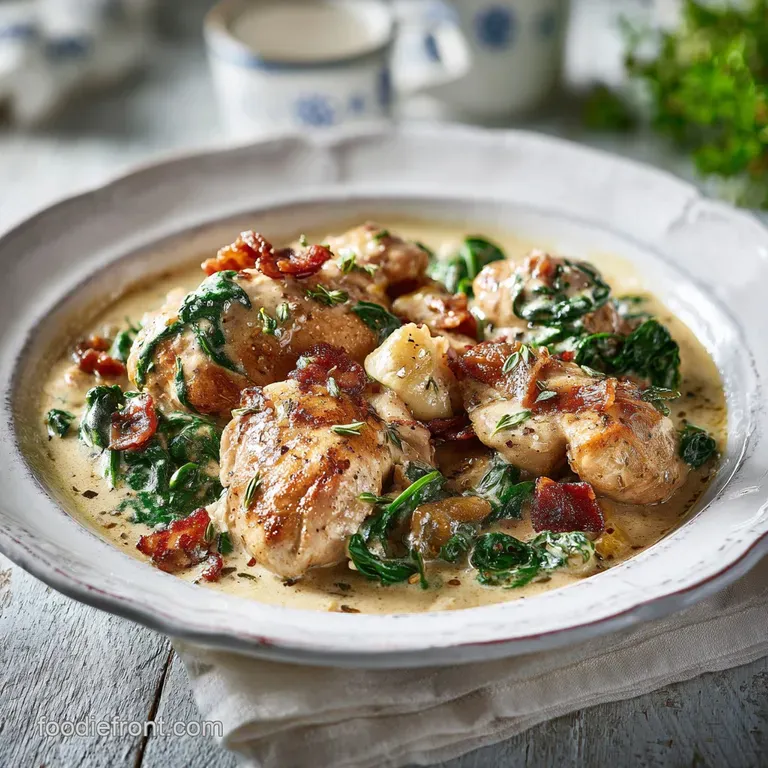
1. The over High heat Sear
Start by seasoning your 450g of chicken strips with half the salt and pepper. Heat your olive oil and butter in the skillet over medium high heat. Wait until the butter stops foaming and starts to turn a light golden color this is your cue to add the chicken.
Lay the strips in a single layer; if you crowd the pan, the chicken will steam instead of sear, and you will miss out on that beautiful brown crust. Let them sizzle for 3 to 4 minutes without touching them. Once you see a golden edge, flip them and cook for another 2 minutes.
The chicken doesn't need to be cooked through yet; we just want color. Remove them to a side plate and keep those juices!
2. Deglaze and Build the Base
Turn the heat down to medium. Those brown spots on the bottom? That is the "fond," and we want it in our sauce. Add the minced shallots to the pan. They will pick up the moisture from the chicken fat and start to soften. After about 2 minutes, stir in your minced garlic and the red pepper flakes.
Only cook these for 30 seconds garlic burns quickly and becomes bitter, which can ruin the whole vibe of the cream sauce. As soon as you smell that amazing aroma, pour in the 475ml of chicken broth and 240ml of heavy cream. Use your spoon to scrape the bottom of the pan vigorously until it is clean.
3. The One Pot Simmer
Now, add the dry pasta directly into the liquid. It might look like there is too much liquid at first, but trust the process. Bring the mixture to a gentle simmer (small bubbles, not a rolling boil). Reduce the heat to low medium.
You want to cook this for 10 to 12 minutes, stirring every couple of minutes. This stirring is important it helps the pasta release starch evenly and prevents it from sticking to the bottom of the pan.
Cook until the pasta is tender to the bite and the sauce has reduced into a thick, glossy coating.
4. The Velvet Finish
Once the pasta is ready, it is time for the final assembly. Fold the seared chicken (and any juices from the plate) back into the pan. Toss in the 90g of fresh baby spinach, the grated Parmesan, and the lemon juice. Stir everything together over the low heat for about 60 seconds.
You will see the spinach wilt down from a mountain into small, bright green ribbons. The cheese will melt into the sauce, making it look incredibly smooth and shiny. If the sauce feels too thick at this point, add a tablespoon of water or broth to loosen it up. Taste it does it need the rest of that salt?
Trust your palate.
Prevention Tips for Common Cooking Errors
One pot meals are generally easy, but they do have a few quirks. The most common issue I hear from friends is that their sauce either "broke" (separated into oil and water) or the pasta stayed crunchy. Usually, this comes down to heat management.
If you boil heavy cream too aggressively, the proteins can clump, leading to a grainy texture. Keep it at a simmer, which looks like gentle "popping" bubbles, rather than a frantic boil.
Why Your Sauce Separated
If your sauce looks oily or curdled, the heat was likely too high when you added the Parmesan, or you used a low-fat dairy substitute that couldn't handle the temperature. Parmesan is a "dry" cheese, and it needs a stable environment to melt.
Always add the cheese at the very end and stir constantly to help it emulsify into the cream.
Why Your Pasta Is Gummy
Gummy pasta happens when it is overcooked or if it wasn't stirred enough during the simmering phase. If you let it sit untouched, the starch concentrates in one spot, creating a sticky mess. A quick stir every 2-3 minutes keeps the noodles individual and the sauce fluid.
| Problem | Root Cause | Solution |
|---|---|---|
| Crunchy Pasta | Not enough liquid or heat too low | Add 1/4 cup broth and cover with a lid for 2 mins. |
| Bland Flavor | Lack of salt or acid | Add a pinch of salt and another squeeze of lemon. |
| Watery Sauce | Spinach wasn't dried or sauce didn't reduce | Simmer uncovered for 2 more mins; the starch will thicken it. |
If you ever find yourself in a situation where the pasta is cooked but the sauce is still quite thin, don't panic. You can take the pan off the heat and let it sit for 3 minutes.
As the sauce cools slightly, the starches and fats will naturally tighten up, creating that velvety finish you're looking for.
Common Mistakes Checklist
- ✓ Pat the chicken strips dry with a paper towel before seasoning to get a better sear.
- ✓ Don't skip the lemon juice; it is the "secret" ingredient that balances the heavy cream.
- ✓ Use freshly grated Parmesan if possible; pre shredded cheese is often coated in potato starch which can make the sauce gritty.
- ✓ If using frozen spinach, squeeze it in a kitchen towel until no more green water comes out.
- ✓ Keep the heat on "low medium" once the pasta goes in patience is the key to a smooth sauce.
Flavor Twists for Every Family Palate
We love this recipe because it is a fantastic "blank canvas." Once you master the basic technique of the one pot chicken florentine pasta, you can start raiding your pantry for additions.
I sometimes add a handful of sun dried tomatoes along with the garlic for a chewy, sweet tart pop of flavor that pairs perfectly with the spinach. It adds a beautiful red color that makes the dish look like it came from a fancy Italian restaurant.
2 Flavor Twists
- The Mediterranean Version: Add 2 tablespoons of drained capers and 1/4 cup of chopped sun dried tomatoes when you add the garlic. This version is saltier and punchier, making it great for those who love bold flavors.
- The Mushroom Florentine: Sauté 8 oz of sliced cremini mushrooms with the shallots. Mushrooms have a lot of water, so make sure to cook them until they are browned and the moisture has evaporated before adding the broth. This adds a deep, earthy "umami" that is incredibly satisfying.
For a different take on a similar creamy profile, you should check out my Creamy Lemon Chicken which uses similar ingredients but focuses more on that bright citrus hit. It is a great alternative if you aren't in the mood for pasta but still want that silky sauce.
2 Dietary Substitutions
- gluten-free: You can use a high-quality gluten-free penne (like Barilla or Jovial). Just be aware that gluten-free pasta often releases more starch, so you might need an extra 1/4 cup of broth to keep the sauce from becoming too thick.
- dairy-free: Swap the heavy cream for full fat canned coconut milk and use a vegan Parmesan or nutritional yeast. The flavor will have a slight coconut undertone, but the texture remains remarkably similar.
| Servings | Chicken | Pasta | Broth | Pan Size |
|---|---|---|---|---|
| 2 People | 0.5 lb (225g) | 4 oz (115g) | 1 cup (240ml) | 10 inch skillet |
| 4 People | 1 lb (450g) | 8 oz (225g) | 2 cups (475ml) | 12 inch skillet |
| 8 People | 2 lb (900g) | 16 oz (450g) | 4 cups (950ml) | Large Dutch Oven |
When scaling up to feed a larger crowd, remember that you may need to sear the chicken in two batches. If you put 2 pounds of chicken in the pan at once, the temperature will drop, the juices will release, and you will end up boiling the meat instead of searing it. Work in batches to keep that golden crust!
Kitchen Myths Debunked
There is a common myth that you should rinse your pasta after cooking to stop it from sticking. In this dish, that would be a disaster! Rinsing washes away the very starch we are using to thicken our sauce. By cooking the pasta in the sauce, we are embracing the stickiness and turning it into a culinary tool.
Another misconception is that spinach loses all its nutrients when cooked. While some heat sensitive vitamins like Vitamin C do decrease slightly, the heat actually makes the iron and vitamins A and E more "bioavailable," meaning your body can absorb them more easily.
So, wilting that spinach into your Creamy Chicken Florentine is actually a nutritional win.
Finally, many people think you must use expensive wine to deglaze a pan for a "Florentine" sauce. While a splash of dry white wine is lovely, the chicken broth and lemon juice we use here provide plenty of acidity and depth without the extra cost of a bottle of wine.
Storage Rules for Long Lasting Freshness
This dish is so comforting that we rarely have leftovers, but on the off chance you do, it stores quite well. The pasta will continue to absorb the sauce as it sits in the fridge, so don't be surprised if it looks a bit "dry" the next day. This is normal and easily fixed during reheating.
- Fridge: Store in an airtight container for up to 3 days.
- Freezer: I do not recommend freezing this specific dish. Cream based sauces often "split" when frozen and thawed, resulting in a grainy texture, and the pasta can become quite mushy.
- Zero Waste Tip: If you have leftover spinach that is starting to look a little wilty in the fridge, don't toss it! You can blend it with a little water or broth and freeze it in ice cube trays to drop into soups or future pasta sauces for an extra nutrient boost.
- Reheating: To get that silky texture back, add 1-2 tablespoons of milk or water to your portion before microwaving or heating on the stove. This replenishes the moisture the pasta absorbed overnight.
Hearty Sides for a Complete Dinner
While this is a one pot meal that technically has your protein, carbs, and veggies all in one place, I always feel a family dinner is better with a little something extra on the side. A simple piece of toasted sourdough or a garlic baguette is perfect for swiping up every last drop of that garlic cream sauce.
If you want to keep things lighter, a crisp green salad with a sharp balsamic vinaigrette provides a nice textural contrast to the soft, creamy pasta.
For a truly comforting feast, you could pair this with my Broccoli Casserole recipe. Even though it’s another creamy dish, the roasted flavor of the broccoli and the cheesy crust offer a different kind of satisfaction that feels very "Sunday Dinner."
I truly hope this Creamy Chicken Florentine becomes a staple in your home like it has in mine. It is the kind of recipe that proves you don't need to spend a lot of money or time to show your family a little love through food.
Just remember to keep an eye on that simmer, don't forget the lemon, and most importantly, enjoy the process of creating something beautiful from simple ingredients. Happy cooking!
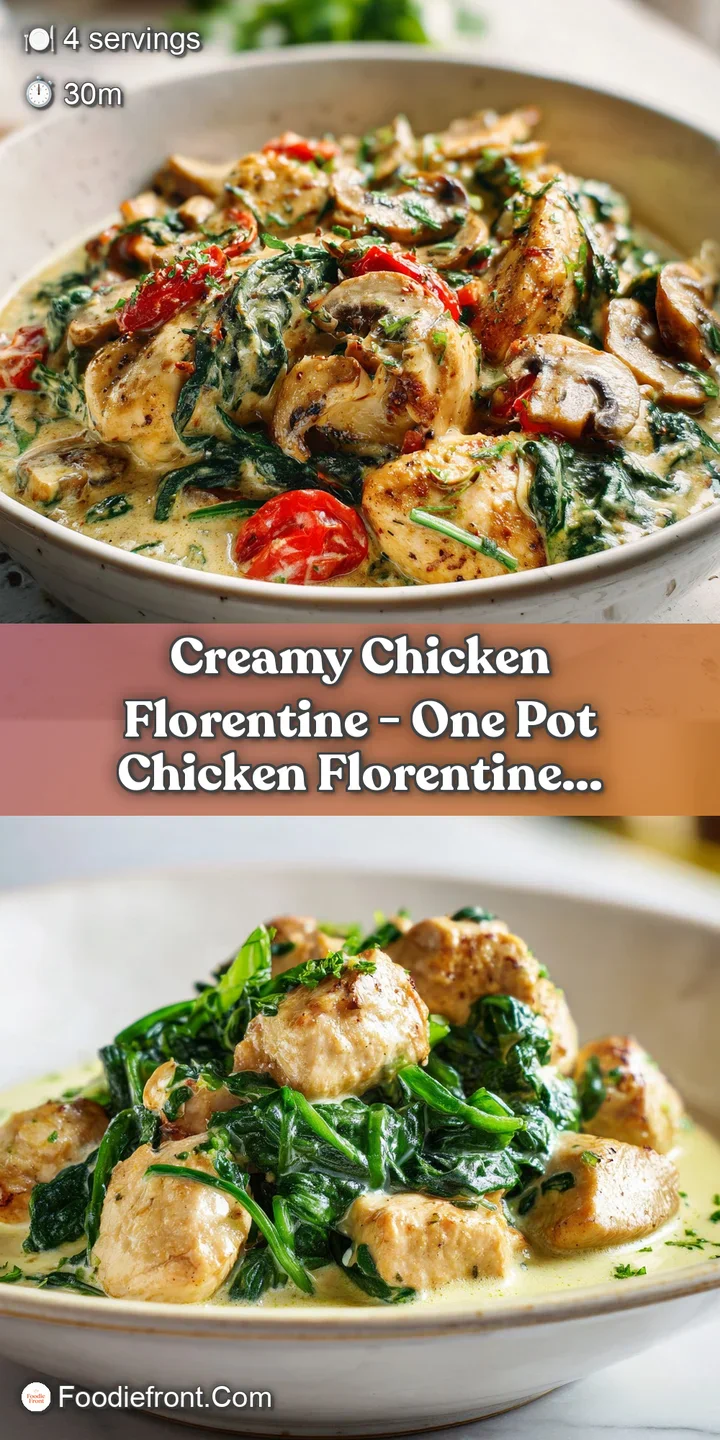
Very High in Sodium
810 mg 810 mg (35% 35%)
The American Heart Association recommends limiting sodium intake to no more than 2,300mg per day, ideally moving towards 1,500mg for most adults.
Tips to Reduce Sodium
-
Swap Chicken Broth-30%
Replace the 2 cups of regular chicken broth with low-sodium chicken broth. This is a significant contributor to the recipe's sodium content.
-
Halve the Salt-25%
Reduce the 1 tsp of kosher salt to 0.5 tsp. You can also omit the salt entirely during cooking and add it to taste at the table if needed.
-
Use Less Parmesan-15%
Reduce the freshly grated Parmesan cheese from 0.5 cup to 0.25 cup. Parmesan is naturally high in sodium, and less will still provide a good flavor.
-
Boost with Herbs and Spices
Amplify flavor without adding sodium by incorporating fresh or dried herbs like parsley, basil, or oregano, and additional spices like garlic powder (if not using fresh) or onion powder.
-
Mind the Red Pepper Flakes-5%
While not a primary sodium source, if using a pre-mixed spice blend that contains salt, opt for pure red pepper flakes. If the current amount is already to your liking, no change is needed here.
Recipe FAQs
What is in chicken Florentine?
It relies on a base of chicken breasts, fresh spinach, heavy cream, and Parmesan. The dish incorporates aromatics like shallots and garlic, finished with lemon juice, salt, pepper, and red pepper flakes for balance.
How to prevent the sauce from becoming gritty?
Use only freshly grated Parmesan cheese. Pre-shredded varieties contain potato starch that prevents proper melting, leading to a grainy texture instead of the smooth result found in our creamy mushroom bake.
Is it true I can freeze leftover creamy pasta?
No, this is a common misconception. Freezing causes cream based sauces to split and turn grainy upon thawing, while the pasta tends to lose its texture and become mushy.
How to fix the consistency if the pasta absorbs too much sauce?
Add a small splash of chicken broth or water while reheating. Stirring over low heat helps re-emulsify the sauce and returns it to a glossy, creamy state.
Should I use frozen spinach instead of fresh?
Yes, but you must remove the moisture first. Squeeze the thawed spinach in a kitchen towel until no green water remains to ensure it doesn't water down your sauce.
How to get the perfect golden brown crust on the chicken?
Pat the chicken strips completely dry with paper towels before seasoning. Excess surface moisture prevents the proteins from browning, so ensure the butter and oil are foaming in the skillet before adding the meat.
Is it necessary to use lemon juice?
Yes, it is the essential secret ingredient. The acidity of the lemon juice cuts through the richness of the heavy cream and Parmesan, preventing the dish from feeling too heavy on the palate.
One Pot Chicken Florentine
Ingredients:
Instructions:
Nutrition Facts:
| Calories | 722 kcal |
|---|---|
| Protein | 49.2 g |
| Fat | 36.4 g |
| Carbs | 46.3 g |
| Fiber | 3.1 g |
| Sugar | 2.8 g |
| Sodium | 810 mg |
