Manicotti with Meat Sauce: Cheesy Ricotta Bake
- Time: Active 20 minutes, Passive 40 minutes, Total 60 minutes
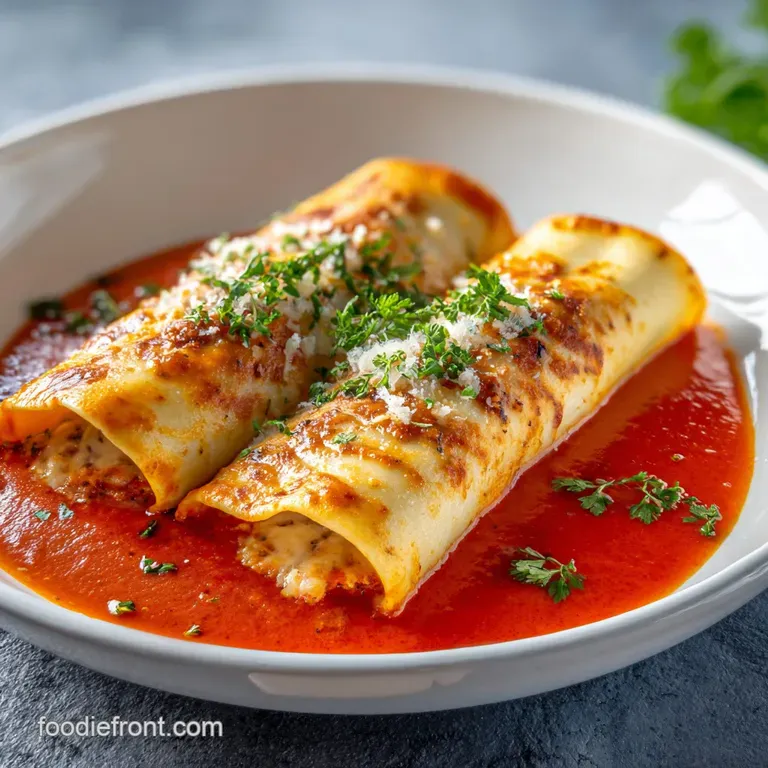
- Flavor/Texture Hook: Velvety ricotta centers with a shatter crisp cheese topping
- Perfect for: Sunday family dinners or Make-ahead freezer meals
- The Scientific Logic Behind Bubbling Cheese
- Determining Your Yield and Portion Sizes
- Component Analysis for Optimal Flavor
- The Essential Grocery List
- Equipment for a Clean Kitchen
- From Prep to Plate: Step-by-Step
- Troubleshooting Common Pasta Problems
- Adjusting the Batch Size
- Comparing Cooking Methods
- Culinary Myths Debunked
- Storage and Sustainable Cooking
- Presentation and Finishing Touches
- Very High in Sodium
- Recipe FAQs
- 📝 Recipe Card
The Scientific Logic Behind Bubbling Cheese
Protein Coagulation: The inclusion of a lightly beaten egg in the ricotta mixture acts as a binder; as the internal temperature hits 145°F (63°C), the egg proteins denature and tangle, preventing the cheese from liquefying and leaking out of the shells.
Maillard Reaction: Browning the beef and sausage at a high heat before adding liquids creates melanoidins, which provide the savory, umami depth that a "dump and bake" meat sauce simply cannot replicate.
Determining Your Yield and Portion Sizes
Before you start browning your meat, it’s helpful to know exactly how much food this will produce. Manicotti is deceptive it looks like a small amount in the pan, but the density of the cheese filling makes it incredibly filling.
Generally, two shells per person is a standard serving for adults, while three is for the truly hungry.
| Servings | Ingredient Adjustments | Pan Size | Cook Time |
|---|---|---|---|
| 2 People | Use 1/3 of the ingredients | 9x5 inch Loaf Pan | 30 minutes |
| 6 People | Standard Recipe (14 shells) | 9x13 inch Casserole | 40 minutes |
| 12 People | Double Ingredients (28 shells) | Two 9x13 inch Pans | 50 minutes |
If you are hosting a larger gathering, I highly recommend doubling the batch. The effort to stuff 28 shells isn't much more than stuffing 14 once you get into a rhythm. Plus, having a second tray ready to pop in the oven is a lifesaver when the first one disappears in minutes.
Component Analysis for Optimal Flavor
Understanding what each ingredient brings to the table helps you become a more intuitive cook. We aren't just throwing things in a bowl; we are building a structure of flavor. For instance, the nutmeg in the cheese filling might seem odd, but it’s a classic Italian trick to cut through the heavy creaminess of the ricotta.
| Ingredient | Science Role | Pro Secret |
|---|---|---|
| Tomato Paste | Umami Concentrator | Sauté it with the garlic until it turns brick red to remove the metallic "raw" tin taste. |
| Ricotta Cheese | Moisture Reservoir | Use whole milk versions; the higher fat content prevents the filling from becoming grainy. |
| Beef Stock | Hydration Agent | Provides the necessary liquid for the pasta to finish cooking without thinning the sauce. |
When selecting your meat, I always go for an 85/15 blend for the ground beef. It provides enough fat to keep the meat sauce from drying out during the 40 minutes bake time but won't leave a pool of oil on top of your cheese. If you have extra sausage on hand, you might even consider trying my Beef Italian Sausage recipe for the filling to add an extra kick of fennel and spice.
The Essential Grocery List
Here is everything you need to pull this together. I’ve included some smart swaps if your local shop is out of the basics. These substitutions are tested to ensure you still get a result that feels hearty and loving.
- 450g (1 lb) Lean ground beef: The base of our meat sauce. Why this? Provides structure and classic savory flavor profile.
- Substitute: Ground turkey (add 1 tbsp olive oil for fat).
- 225g (0.5 lb) Ground Italian sausage: Adds fennel and herb notes. Why this? Complex seasoning without needing ten different spices.
- Substitute: Ground pork with 1 tsp extra fennel seeds.
- 680g (24 oz) Marinara sauce: Use a quality brand with low sugar.
- Substitute: Crushed tomatoes with 1 tsp sugar and 1 tsp dried basil.
- 2 tbsp Tomato paste: For depth and color.
- Substitute: 1/4 cup tomato sauce reduced by half.
- 3 cloves Garlic, minced: Fresh is non negotiable here.
- 1 tsp Dried oregano: The quintessential Italian herb scent.
- 120ml (1/2 cup) Beef stock: To keep the sauce loose enough for the pasta to hydrate.
- 425g (15 oz) Whole milk ricotta: The velvety core of the dish.
- Substitute: Cottage cheese (pulsed in a blender until smooth).
- 1 large Egg: Our structural binder.
- 250g (1 cup) Shredded mozzarella: For inside the filling.
- 50g (1/2 cup) Grated Parmesan Reggiano: Adds a salty, sharp bite.
- 1/4 cup Fresh parsley: Brightness to balance the fats.
- 1/4 tsp Ground nutmeg: The secret "what is that?" ingredient.
- 225g (8 oz) Manicotti shells: Usually around 14 pieces.
- 375g (1.5 cups) Shredded mozzarella: For the golden top crust.
- Fresh basil: For that final pop of color and aroma.
Equipment for a Clean Kitchen
You don't need a professional kitchen, but a few specific tools make the process of making Manicotti with Meat Sauce significantly easier. If you’ve ever tried to stuff pasta with a teaspoon, you’ll appreciate the zip top bag suggestion below.
- Large Skillet: Preferably stainless steel or cast iron to get a good sear on the beef.
- 9x13 inch Baking Dish: Ceramic or glass works best for even heat distribution.
- Large Mixing Bowl: For the three cheese filling.
- Gallon sized Zip top Bag: This will be your makeshift piping bag. Trust me, it’s a game changer.
- Aluminum Foil: Essential for the first half of the baking process to trap steam.
From Prep to Plate: step-by-step
1. Build the "Quick Simmer" Bolognese
In your large skillet over medium high heat, brown the 450g ground beef and 225g Italian sausage. Cook for 8 minutes until no longer pink and the meat begins to sizzle and crisp at the edges. Drain the excess fat, then stir in the minced garlic and tomato paste.
Let the paste cook for 2 minutes this "toasting" step is vital for a deep, rich flavor. Pour in the marinara, beef stock, and oregano. Simmer on low while you prep the rest.
2. The Soft Soak Preparation
Instead of boiling the manicotti shells until they are mushy and impossible to handle, place the dry shells in a shallow dish of very hot tap water for 10 minutes. Note: This softens them just enough to prevent cracking while stuffing, but keeps them firm enough to hold their shape.
3. Create the Three Cheese Core
In your mixing bowl, combine the ricotta, the beaten egg, 1 cup of mozzarella, the Parmesan, parsley, and nutmeg. Stir until the mixture is completely uniform and velvety. The egg should be fully incorporated so you don't see any yellow streaks.
4. The Stuffing Shortcut
Transfer your cheese mixture into a gallon sized zip top bag. Snip off one corner (about 1.5 cm wide). Insert the tip of the bag into one end of a soaked shell and squeeze until the cheese reaches the middle, then flip and repeat from the other side. This method is fast, clean, and prevents the shells from tearing.
5. Assemble and Bake
Spread 1 cup of your meat sauce on the bottom of the baking dish. Note: This prevents the pasta from sticking to the bottom. Arrange the stuffed shells in a single layer. Pour the remaining meat sauce evenly over the top, ensuring every inch of pasta is covered.
6. The Final Melt
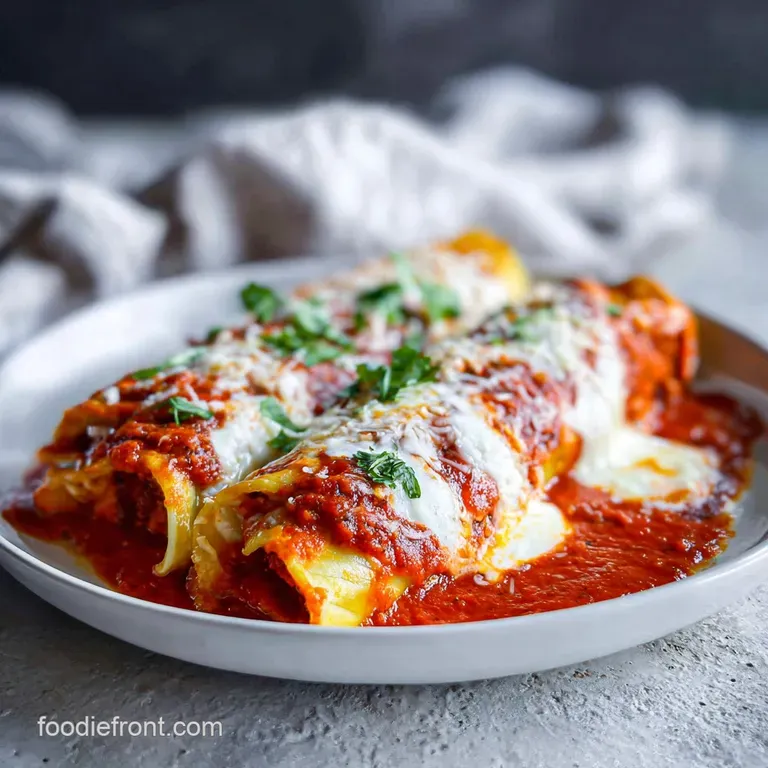
Cover the dish tightly with foil. Bake at 375°F (190°C) for 30 minutes. Remove the foil, sprinkle the remaining 1.5 cups of mozzarella over the top, and bake for another 10 minutes until the cheese is bubbly and beginning to brown in spots. Let it rest for 5 minutes before serving to let the filling set.
Troubleshooting Common Pasta Problems
Even the best of us run into issues when dealing with stuffed pasta. If your kitchen starts feeling a bit chaotic, take a breath. Most "disasters" in Italian cooking are easily fixed with a bit of extra cheese or a temperature adjustment.
Why Your Manicotti Has Crunchy Edges
This usually happens if the pasta wasn't fully submerged in the meat sauce. The exposed edges of the shells dehydrate in the dry heat of the oven rather than cooking in the steam.
| Problem | Root Cause | Solution |
|---|---|---|
| Crunchy Edges | Lack of sauce coverage | Ensure sauce covers all pasta; add 2 tbsp water to the pan corners before baking. |
| Watery Filling | low-fat ricotta or too much moisture | Use whole milk ricotta and drain any liquid (whey) from the container before mixing. |
| Torn Shells | Over boiling the pasta | Use the "hot water soak" method instead of a rolling boil on the stovetop. |
This recipe is quite similar to the sauce management needed in a Meat Manicotti - recipe, where the ratio of liquid to pasta is the most important factor for a tender finish.
Common Mistakes Checklist
- ✓ Never skip the "resting" period; cutting into it immediately will cause the cheese to run everywhere.
- ✓ Ensure the foil is sealed tightly; if steam escapes, the pasta stays hard.
- ✓ Don't use pre shredded Parmesan if possible; it contains cellulose that prevents smooth melting.
- ✓ Sauté that tomato paste until it darkens; it transforms the sauce from "canned" to "homemade."
Adjusting the Batch Size
Whether you are cooking for a solo weeknight or a massive block party, scaling this dish is straightforward. Just remember that the density of the meat sauce changes how heat penetrates the center of the pan.
- Scaling Down (1/2 Batch): Use an 8x8 inch square pan. Reduce the baking time by about 10 minutes. If you only have one egg, beat it in a small bowl and use about half.
- Scaling Up (2x-4x): Do not double the salt immediately; go to 1.5x and taste. Liquids should be reduced by about 10% to prevent the sauce from becoming "soupy" in large volumes. Work in batches when browning the meat so you get a proper sear rather than steaming the beef in its own juices.
Comparing Cooking Methods
While the oven is the traditional home for Manicotti with Meat Sauce, there are times when you might want a different approach. Here is how the stovetop compares to the standard oven bake.
| Method | Time | Texture | Best For |
|---|---|---|---|
| Oven Bake | 60 minutes | Crispy cheese top, firm shells | Traditional Sunday dinner feel |
| Stovetop Simmer | 40 minutes | Softer, melt in-mouth pasta | Quick weeknight meals; no crust |
If you choose the stovetop method, you’ll need a very deep skillet with a tight fitting lid. You won't get that "shatter" of a cheese crust, but the pasta will be incredibly tender, almost like a deconstructed lasagna. It’s a great trick for when your oven is occupied by a roast or a dessert.
Culinary Myths Debunked
One of the biggest lies in the kitchen is that you must boil manicotti shells in a huge pot of salted water before stuffing them. This is the #1 cause of torn shells and burned fingers.
In reality, the pasta will cook perfectly fine in the oven using the moisture from the meat sauce and the beef stock, provided you cover it with foil to trap the steam.
Another common myth is that "fresh" ricotta is always better. While high-quality ricotta is great, the "deli style" fresh ricotta often has a much higher moisture content that can lead to a watery mess in a bake.
For a consistent, velvety result, a standard whole milk tub from the grocery store is actually more predictable and holds up better under the heat of a 375°F oven.
Storage and Sustainable Cooking
If you happen to have leftovers, you are in luck. This dish stays delicious for 3 to 4 days in the fridge. To reheat, I recommend a splash of water over the top and a loose covering of foil to keep it from drying out in the microwave or oven.
Freezing: This is a champion freezer meal. You can freeze it before or after baking. If freezing before, add an extra 20 minutes to the covered bake time. It will stay fresh for up to 3 months.
Zero Waste Tip: Don't toss those parsley stems! Finely chop them and add them to the meat sauce while it simmers. They contain just as much flavor as the leaves. Also, if you have half a jar of marinara left, use it as a base for a Simple Beef Stir recipe later in the week by adding some soy sauce and ginger for a fusion twist.
Presentation and Finishing Touches
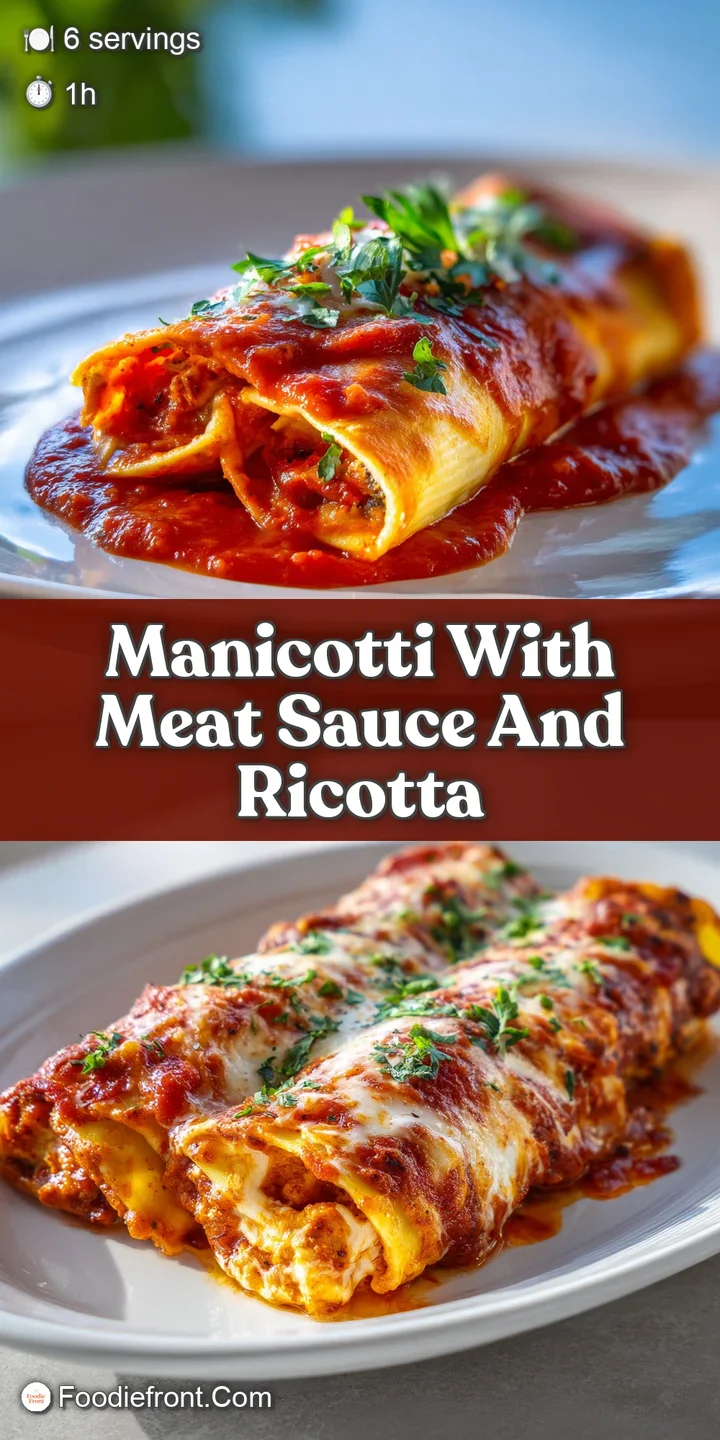
The "wow" factor of Manicotti with Meat Sauce comes from the contrast between the deep red sauce and the stark white cheese, topped with vibrant green herbs. Don't just slap it on a plate; a little intention goes a long way.
- The Herb Finish: Always wait until the moment of serving to add your fresh basil. The residual heat from the cheese will wilt the basil just enough to release its oils without turning it black.
- The Contrast Pairing: Serve this alongside a crisp, acidic green salad with a lemon vinaigrette. The brightness of the salad cuts through the heavy fats of the beef and cheese, making every bite of pasta feel as exciting as the first.
If you really want to go all out, serve it with a side of toasted garlic bread. Use the bread to mop up any stray bits of meat sauce it’s the best part of the meal, honestly. Trust me, once you master this method, you'll never go back to the "boiled shell" nightmare again.
Right then, let's get that oven preheated!
Very High in Sodium
1240 mg mg of sodium per serving (54% % of daily value)
The American Heart Association recommends limiting sodium intake to about 2,300mg per day.
Tips to Reduce Sodium in Your Manicotti:
-
Low-Sodium Broth-30%
Replace regular beef stock with low-sodium or no-salt added beef broth. This can significantly reduce the sodium content without sacrificing flavor.
-
Low-Sodium Sauce-20%
Opt for a low-sodium marinara sauce or make your own from scratch using crushed tomatoes. This gives you full control over the sodium levels.
-
Reduced Sodium Cheese-15%
Choose low-sodium mozzarella and ricotta cheese. These cheeses are available in many supermarkets and can make a noticeable difference.
-
Lean Beef Only-25%
Eliminate the Italian Sausage altogether and use only lean ground beef. Italian sausage is high in sodium. If including sausage, make your own and control the ingredients and sodium.
-
Omit Parmesan-10%
Parmesan cheese has a high concentration of sodium. Omit it completely from the recipe and add an extra sprinkle of mozzarella for the topping.
-
Fresh Herbs & Spices
Enhance the flavor of your manicotti with a generous amount of fresh herbs like basil, oregano, and parsley. Experiment with spices like garlic powder, onion powder, and black pepper to add depth.
Recipe FAQs
What is the secret to a good manicotti?
Using whole milk ricotta and not boiling the shells first. The secret lies in preventing moisture loss and keeping the filling cohesive; use whole milk dairy for creaminess and soak the dry shells briefly to prevent tearing during stuffing.
What sauce is best for manicotti?
A slow simmered meat sauce built on browned beef and sausage. You need depth, so sauté the tomato paste until it darkens to concentrate the umami flavor before adding the liquids.
What goes on top of manicotti?
A generous layer of mozzarella, followed by fresh basil after baking. The mozzarella provides the essential bubbly, browned crust, while the fresh herbs are added last to prevent burning and maintain brightness.
What is the trick to filling manicotti?
Use a zip-top bag with the corner snipped off as a makeshift piping bag. This provides excellent control, prevents you from tearing the fragile shells, and allows you to efficiently pipe filling from both ends toward the center.
Should I boil the manicotti shells before stuffing them?
No, this is a common misconception that causes tearing and sogginess. The shells will fully cook and hydrate during the covered bake time using the moisture trapped from the sauce and trapped steam.
How can I ensure my ricotta filling stays creamy and doesn't leak out?
Incorporate one lightly beaten egg into the cheese mixture as a binder. The egg proteins coagulate during baking, setting the filling structure so it stays firm inside the pasta, similar to how we achieve stable structure in a sauce like our Slow Cooker Jalapeno recipe.
How do I make the meat sauce deeper in flavor quickly?
Sauté the tomato paste with the browned meat and garlic for two full minutes until it turns brick red. This process cooks out the metallic raw flavor, deepening the overall profile, much like how you enhance beef flavor when searing a Beef Sirloin Steak recipe.
Meat Sauce Manicotti Recipe
Ingredients:
Instructions:
Nutrition Facts:
| Calories | 782 kcal |
|---|---|
| Protein | 56g |
| Fat | 42g |
| Carbs | 44g |
| Fiber | 3.5g |
| Sugar | 7g |
| Sodium | 1240mg |
