Lamb Osso Buco: Slow Cooker Perfection
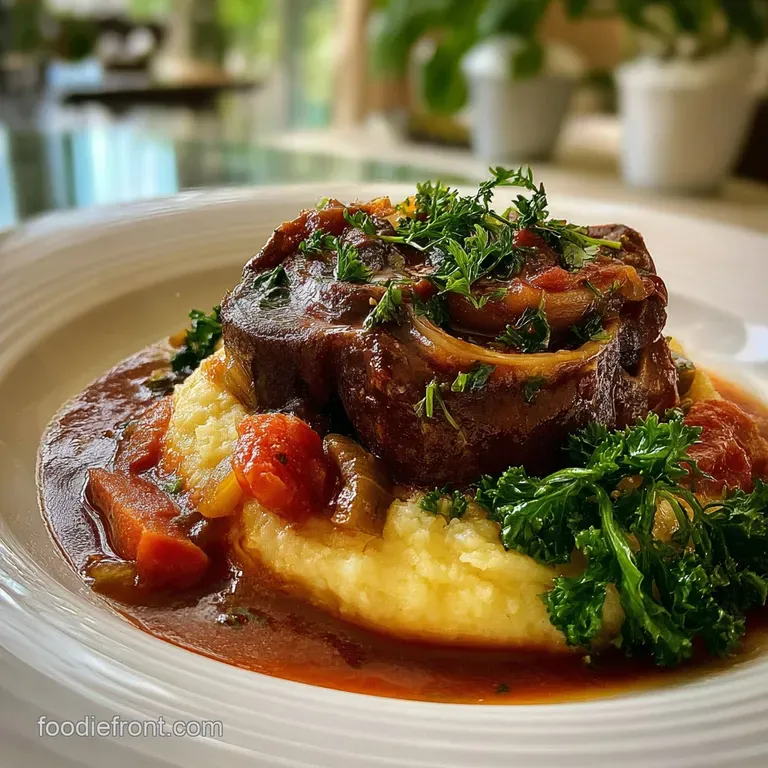
- Time: Active 20 minutes, Passive 2 hours 30 mins, Total 2 hours 50 mins
- Flavor/Texture Hook: Velvety bone marrow sauce with fork tender meat
- Perfect for: Cozy Sunday family dinners or affordable dinner parties
- Master the Hearty Comfort of Lamb Osso Buco
- Feeding Families Without Breaking the Bank
- Timing for a Tender Family Feast
- Affordable Elements for Rich Braising Liquid
- Simple Kitchen Tools for Big Flavor
- Mastering the Sear and Slow Simmer
- Solving Problems for Better Braised Meat
- Adapting Meals for Different Kitchens
- Preserving Flavor and Reducing Waste
- Final Touches for Beautiful Tables
- Culinary Truths and Misconceptions
- High in Sodium
- Lamb Osso Buco FAQs
- 📝 Recipe Card
Master the Hearty Comfort of Lamb Osso Buco
The house always feels a little warmer when there is a pot of Lamb Osso Buco simmering on the stove. There is something about that first sizzle when the flour dusted shanks hit the hot oil that signals "good things are coming." If you have ever felt intimidated by fancy sounding Italian names, let me tell you a secret: this is essentially just a very well executed pot roast.
I remember the first time I made this for my family; I was so worried about the "perfect" cut of meat. I realized quickly that the magic isn't in spending a fortune, but in the patience of the braise.
This recipe uses lamb shanks instead of expensive veal, giving you all that rich, marrow infused goodness while keeping your grocery bill in check. It's a forgiving, soulful meal that practically hugs you from the inside out.
We are going to take our time building layers of flavor here. From the golden brown crust on the meat to the softened "soffritto" of veggies, every step is about making the most of simple ingredients. By the time we sit down at the table, the meat will literally fall off the bone with the slightest nudge of a fork.
Feeding Families Without Breaking the Bank
Understanding the "why" behind your cooking helps you save money because you stop fearing mistakes. Braising is the ultimate budget friendly technique because it relies on time rather than expensive prime cuts to create a high end feel.
- Collagen Hydrolysis: Low, steady heat converts tough connective tissue in the shanks into gelatin, creating a velvety mouthfeel without needing extra fat.
- Maillard Reaction: Searing the floured lamb creates complex sugar protein bonds that provide the "base" flavor for the entire sauce.
- Acid Balance: The white wine and tomatoes break down protein fibers while cutting through the richness of the lamb fat.
| Cook Method | Total Time | Texture | Best For |
|---|---|---|---|
| Oven Braise | 2 hours 50 mins | Evenly tender, caramelized edges | Maximum flavor development |
| Stovetop | 2 hours 30 mins | Very soft meat, thicker sauce | Busy kitchens with no oven space |
| Slow Cooker | 8 hours (Low) | Extremely "fall apart" meat | Set it and forget it convenience |
Choosing the right method depends on your schedule, but the oven is my personal favorite for family dinners because it provides that gentle, all around heat. If you find yourself wanting to experiment with different aromatic profiles for your braises, you might enjoy exploring a Lebanese Seven Spice recipe to add a warm, Mediterranean twist to your spice cabinet.
Timing for a Tender Family Feast
Getting the timing right is the difference between a chewy dinner and a meal that melts away. Use these checkpoints to ensure your lamb is progressing exactly as it should.
| Shank Weight | Internal Temp | Braise Time | Visual Cue |
|---|---|---|---|
| 0.5 lb each | 195°F - 205°F | 2 hours 15 mins | Meat begins to pull away from bone |
| 0.75 lb each | 195°F - 205°F | 2 hours 30 mins | Bone is clearly exposed at the top |
| 1 lb each | 195°F - 205°F | 3 hours | Meat yields to a dull spoon |
Chef's Tip: Do not skip the "rest" period. Even 10 minutes off the heat allows the fibers to reabsorb some of that velvety braising liquid, making the meat significantly juicier.
Affordable Elements for Rich Braising Liquid
When we talk about the science of these ingredients, we see how they work together to create a sauce that tastes like it took all day to prep.
| Component | Science Role | Pro Secret |
|---|---|---|
| All Purpose Flour | Starch Gelatinization | Dusters the meat to create a "shatter" crust that later thickens the broth. |
| Tomato Paste | Umami Concentration | Sauté it until it turns brick red to remove the metallic "tin" taste. |
| White Wine | Deglazing Agent | Lifts the "fond" (brown bits) from the pan, incorporating them into the sauce. |
When shopping, look for "cross cut" shanks; these have the marrow bone exposed, which is the "liquid gold" of this dish.
- 5 cross cut lamb shanks (3 lbs total): Why this? The center bone provides marrow that naturally thickens and enriches the sauce.
- Substitute: Pork shanks or beef oxtail (will change the flavor to be heartier/heavier).
- 0.5 cup all purpose flour: Why this? Creates a golden crust and acts as a built in thickener.
- Substitute: Cornstarch (use half the amount) for a gluten-free option.
- 1 cup dry white wine: Why this? Adds acidity to balance the fatty lamb.
- Substitute: Extra beef stock plus 1 tbsp apple cider vinegar.
- 14 oz crushed tomatoes: Why this? Provides the body and bright sweetness of the braise.
- Substitute: Diced tomatoes pulsed in a blender for 5 seconds.
- 2 sprigs fresh rosemary & 3 sprigs thyme: Why this? Earthy oils infuse the liquid during the long simmer.
- Substitute: 1 tsp each of dried herbs (though fresh is much more vibrant).
Simple Kitchen Tools for Big Flavor
You don't need a professional kitchen to make a "masterclass" Lamb Osso Buco. A heavy bottomed pot is your best friend here.
- Dutch Oven (5-6 quart): This is essential for even heat. Cast iron holds temperature better than thin stainless steel.
- Kitchen Twine: Use this to tie the herbs together. It saves you from fishing out woody rosemary needles later.
- Microplane or Fine Grater: For the lemon zest and garlic in the gremolata essential for that fresh finish.
- Paper Towels: My favorite "tool." Drying the meat is the only way to get a proper sear.
Mastering the Sear and Slow Simmer

The Main Event
Pat your 5 lamb shanks completely dry. Season generously with salt and pepper, then dredge in 0.5 cup flour, shaking off any excess. We want a thin veil, not a heavy batter.
Step 1: The Aggressive Sear
Heat 2 tbsp oil in your Dutch oven over medium high heat. Place the shanks in the pan don't crowd them! Sear for 4-5 minutes per side until a deep golden crust forms. Remove and set aside. Note: This crust provides 70% of your sauce's final flavor.
Step 2: Building the Soffritto
Lower the heat to medium. Add 1 diced onion, 2 minced carrots, and 2 minced celery stalks. Sauté for 6-8 minutes until soft and translucent. Add 4 minced garlic cloves and 2 tbsp tomato paste.
Stir constantly for 2 minutes until the paste smells sweet and looks dark.
Step 3: The Deglaze
Pour in 1 cup dry white wine. Use a wooden spoon to scrape every single brown bit off the bottom. Let the wine bubble and reduce by half. This is where the magic happens.
Step 4: The Slow Braise
Stir in 2 cups beef stock, 14 oz crushed tomatoes, rosemary, thyme, and bay leaves. Nestle the shanks back into the liquid (it should come about halfway up the meat). Cover and move to a 325°F oven for 2 hours 15 mins.
Step 5: Sauce Refinement
Check the meat; it should be tender but not falling apart yet. Flip the shanks and cook for another 15 minutes uncovered. This reduces the liquid into a velvety, rich sauce.
The Finishing Gremolata
While the meat rests, mix 0.5 cup parsley, 1 lemon zest, and 1 grated garlic clove. This tiny step is what makes this dish "Lamb Osso Buco" instead of just lamb stew. Sprinkle it over the top right before serving.
Solving Problems for Better Braised Meat
Even the best cooks have days where the sauce doesn't quite behave. Don't panic most braising issues are easily fixed.
Fixing a Greasy Sauce
Lamb is naturally fatty. If you see a thick layer of yellow oil sitting on top of your sauce, don't stir it back in! Use a wide spoon to skim the surface, or drag a rolled up paper towel lightly across the top to soak up the excess fat.
Salvaging Tough Meat
If the timer goes off and the meat feels "bouncy" or rubbery, it simply hasn't cooked long enough. Put the lid back on and give it another 20-30 minutes. Collagen breakdown is a marathon, not a sprint.
| Problem | Root Cause | Solution |
|---|---|---|
| Thin, watery sauce | Too much stock or lid was too tight | Simmer uncovered for 10 mins on the stove to reduce. |
| Meat is dry/stringy | Oven was too hot or cooked too long | Shred the meat into the sauce; the liquid will mask the dryness. |
| Bitter aftertaste | Burned garlic or tomato paste | Add a pinch of sugar to balance the bitterness. |
Common Mistakes Checklist
- ✓ Pat the meat dry: Wet meat steams instead of searing, meaning no flavor crust.
- ✓ Don't skip the flouring: It’s what gives the sauce its body without adding heavy cream.
- ✓ Deglaze thoroughly: Those brown bits on the bottom are concentrated flavor; don't leave them behind.
- ✓ Zest only the yellow: When making gremolata, avoid the white pith of the lemon, which is very bitter.
- ✓ Low and slow: If you boil the braise, the meat will become tough and gray. Keep it at a gentle simmer.
Adapting Meals for Different Kitchens
Sometimes you don't have three hours to hover near an oven, or maybe you want to spice things up for a special occasion.
Instant Pot Cooking Method
To save time, use the "Sauté" function for the searing and veggie steps. Add all liquids (reduce stock by 0.5 cup as there is no evaporation). Pressure cook on High for 45 minutes, followed by a natural release.
The meat will be incredibly soft, though the sauce may need a quick stovetop reduction afterward.
Slow Cooker Cooking Method
Follow the searing and veggie steps in a separate pan (don't skip this the flavor is in the sear!). Transfer everything to the slow cooker. Cook on Low for 7-8 hours. This is the best way to ensure the meat is truly "fall off-the bone" when you walk in the door after work.
Adjusting the Batch Size
- Scaling Down: If cooking for two, use 2 shanks. Keep the veggie amounts the same (they make the sauce!), but reduce the liquids by 25%.
- Scaling Up: For a big family gathering, sear the meat in batches. Do not double the salt or rosemary start with 1.5x and adjust at the end. Use a very large roasting pan covered tightly with foil if your Dutch oven isn't big enough.
Preserving Flavor and Reducing Waste
Storage: This dish is a leftovers superstar. Store it in an airtight container in the fridge for up to 4 days. The sauce will turn into a thick jelly this is just the healthy gelatin from the bones!
Freezing: You can freeze the cooked shanks in their sauce for up to 3 months. Thaw overnight in the fridge before reheating slowly on the stovetop. I don't recommend freezing the gremolata; make that fresh for the best "pop" of flavor.
- The Bone Marrow
- Don't throw the bones away until you've scooped out the center marrow. It's incredibly rich and spreadable on toast.
- Leftover Sauce
- If you have sauce left but no meat, toss it with some pappardelle pasta the next day. It’s essentially a gourmet ragu.
- Veggie Scraps
- Save the ends of your carrots and onions in a bag in the freezer to make your own stock later.
Final Touches for Beautiful Tables
Presentation is everything when you've put this much love into a meal. I always serve this in wide, shallow bowls to catch every drop of that velvety sauce.
Pairing with Traditional Risotto
In Milan, this is traditionally served with Risotto alla Milanese (saffron risotto). The creamy, golden rice is the perfect foil for the rich, tomato based lamb. If you want to try something similar, our Persian Food Recipe with saffron and rice offers a beautiful aromatic pairing that complements the lamb's earthiness perfectly.
Pairing with Creamy Polenta
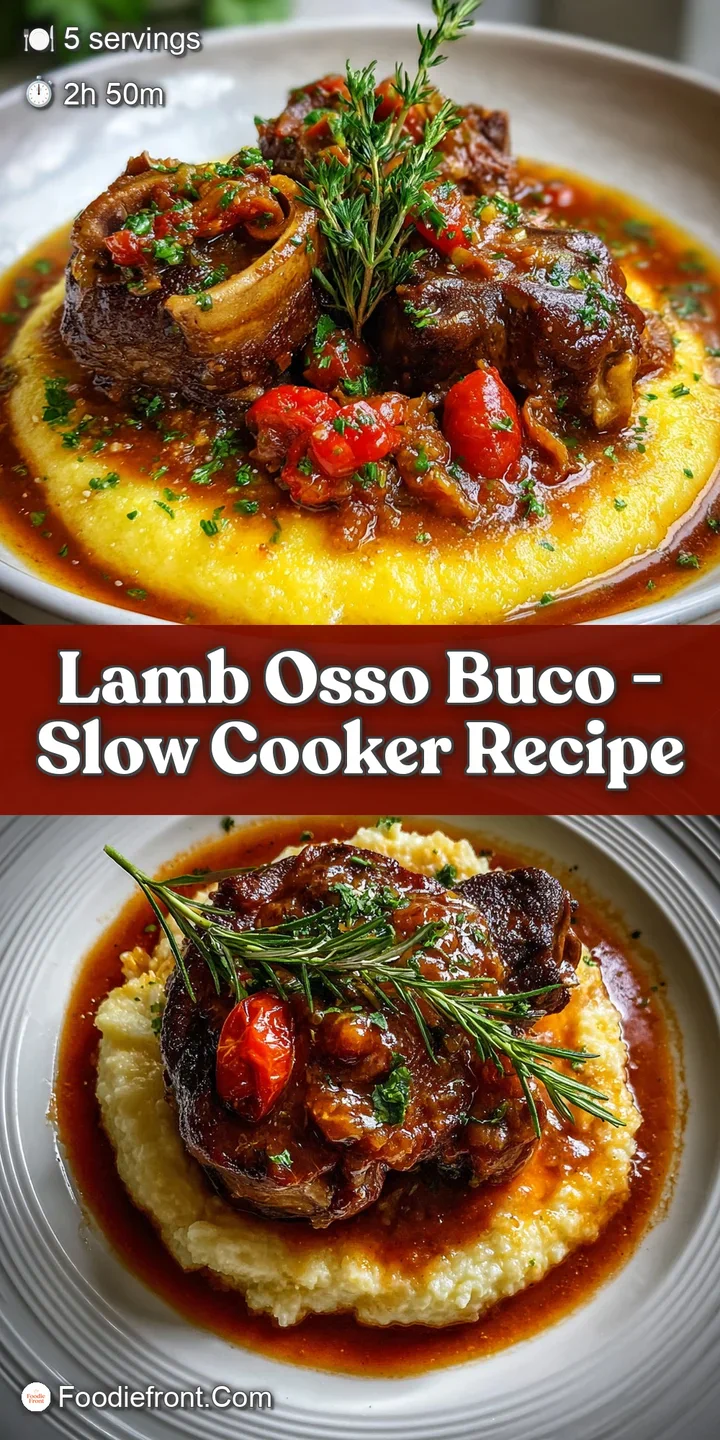
For a more budget friendly but equally comforting option, go with polenta. Make it extra creamy by whisking in a little butter and parmesan at the end. The way the osso buco sauce swirls into the polenta is pure magic.
If you want a lighter meal, serve the lamb alongside a simple arugula salad with a sharp lemon dressing. The peppery greens and acid help refresh your palate between those rich, savory bites of meat.
Culinary Truths and Misconceptions
There is a lot of "kitchen lore" surrounding braised meats that can lead beginners astray. Let's clear some of that up so you can cook with confidence.
Myth: Searing "seals in" the juices. Science shows that searing actually causes the meat to lose a bit of moisture. However, we do it for the Maillard reaction the development of those deep, savory flavors in the crust. The juiciness comes from the slow breakdown of collagen, not the sear.
Myth: You must use expensive wine for cooking. The "only cook with what you drink" rule is mostly about avoiding "cooking wine" with added salt. A decent, dry $8-10 bottle of Sauvignon Blanc is perfect. The nuances of a $50 bottle will be lost after two hours of simmering.
Myth: Braising must happen in the oven. While the oven provides more consistent "surround" heat, you can absolutely do this on the stovetop. Just use the lowest flame possible and a heavy lid to ensure the liquid doesn't evaporate too quickly.
Myth: Fresh tomatoes are better than canned. For a long braise like this, canned crushed tomatoes (especially San Marzano) are actually superior. They have a consistent acidity and sweetness that fresh tomatoes which vary wildly by season often lack.
High in Sodium
845 mg mg of sodium per serving (37% % of daily value)
The American Heart Association recommends limiting sodium intake to about 2,300mg per day for overall cardiovascular health.
Tips to Reduce Sodium in Your Lamb Shanks
-
Swap Broth-30%
Replace the 2 cups of low-sodium beef stock with a no-sodium beef broth or homemade stock. This significantly reduces the overall sodium content.
-
No-Salt Tomatoes-20%
Use crushed tomatoes with no added salt. Look for labels that specifically state "no salt added." or use fresh!
-
Skip the Salt (if any)-25%
This recipe doesn't explicitly call for added salt. Ensure no salt is added during any stage of the cooking process, including searing the lamb. The sodium from other ingredients will suffice.
-
Herb Power
Enhance the flavor with more fresh herbs like rosemary, thyme, parsley, and garlic. Experiment with other herbs and spices you enjoy like oregano, black pepper, or a pinch of red pepper flakes for added depth.
Lamb Osso Buco FAQs
What is lamb osso buco?
It's a classic braised dish. It involves slow cooking cross cut lamb shanks in a flavorful liquid, typically with aromatics like onions, carrots, celery, white wine, and tomatoes, until the meat is incredibly tender and the marrow from the bone is released into the sauce.
What cut of lamb is Osso Bucco?
Specifically, it's the cross cut shank. This cut comes from the lower leg of the lamb and features a circular bone with marrow in the center, which is crucial for the dish's rich flavor and tender texture.
What cut of meat is Osso Bucco?
Traditionally, veal shanks are used for "Osso Buco." However, this recipe adapts the classic technique for lamb shanks, resulting in a similar tender, marrow rich dish with a slightly different, but equally delicious, flavor profile.
Is lamb osso buco difficult to cook?
No, it's quite forgiving. While it requires patience due to the long braising time, the active cooking steps are minimal and straightforward. The slow cooking process makes it hard to overcook and ensures tender results.
What makes the sauce so rich?
The bone marrow is the secret ingredient. As the lamb shanks braise, the marrow from the center bone slowly melts into the cooking liquid, naturally thickening it and imparting a luxurious, velvety richness to the sauce.
Can I make lamb osso buco ahead of time?
Yes, it's ideal for making ahead. The flavors actually deepen and improve overnight when refrigerated. Simply reheat gently on the stovetop or in a low oven before serving.
What should I serve with lamb osso buco?
Traditional pairings include risotto or polenta. Creamy saffron risotto (Risotto alla Milanese) is a classic accompaniment, as is creamy polenta. Both provide a wonderful base to soak up the rich sauce.
Lamb Osso Buco

Ingredients:
Instructions:
Nutrition Facts:
| Calories | 842 kcal |
|---|---|
| Protein | 62.4 g |
| Fat | 45.8 g |
| Carbs | 29.7 g |
| Fiber | 4.2 g |
| Sugar | 8.6 g |
| Sodium | 845 mg |
