Homemade Whole Grain Mustard
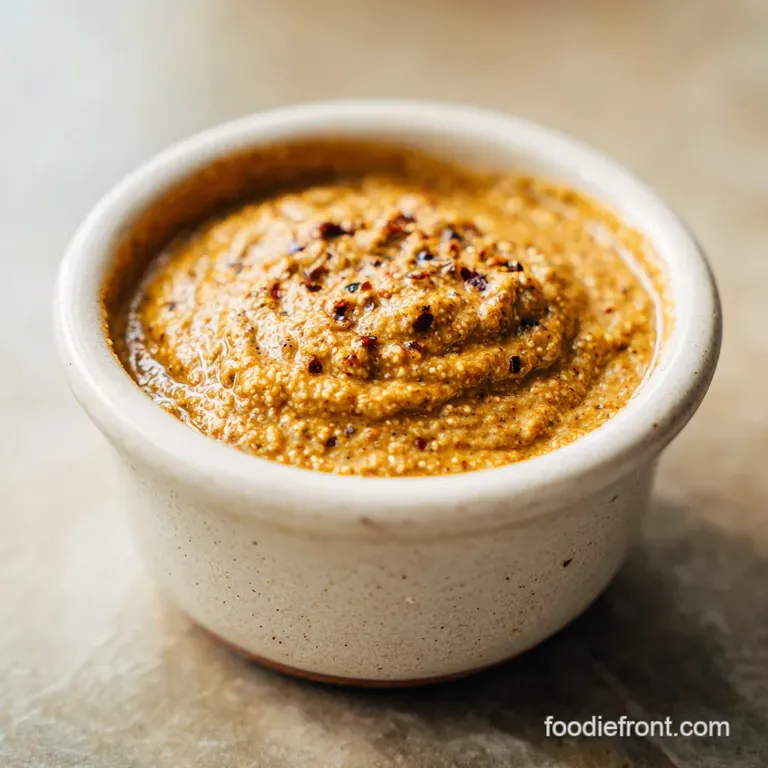
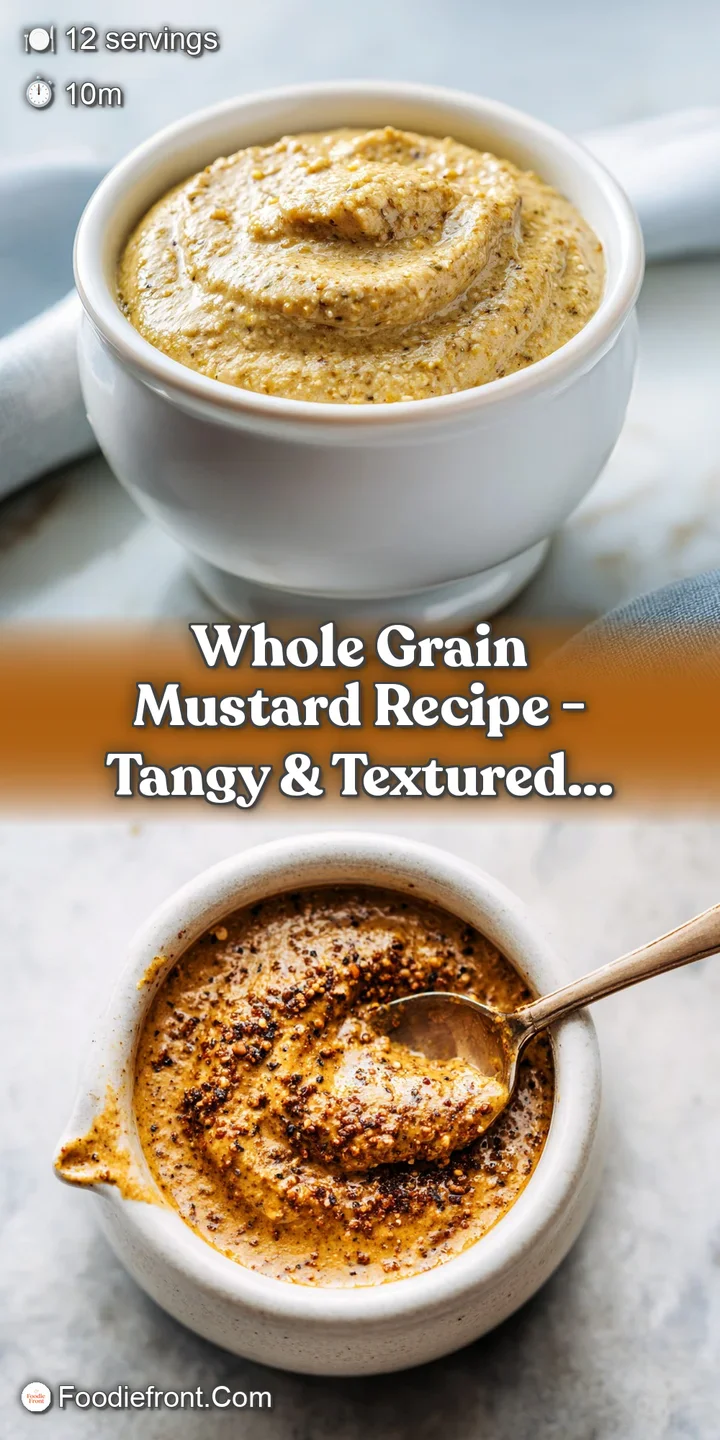
- Time: Active 10 minutes, Passive 2 days, Total 2 days 10 mins
- Flavor/Texture Hook: Sharp, tangy, and bursting with a satisfying seed "pop"
- Perfect for: Family charcuterie boards, holiday ham, or upgrading a simple weeknight sandwich
- Master the Perfect Whole Grain Mustard
- Essential Techniques for Pungent Seeds
- Recipe Specifications and Yield
- Necessary Components and Smart Swaps
- Kitchen Tools for Proper Texture
- Step-by-Step Mixing and Aging
- Fixing Common Flavor Mistakes
- Dietary Adaptations and Options
- Safe Storage and Preservation
- Creative Ways to Serve
- Recipe FAQs
- 📝 Recipe Card
Master the Perfect Whole Grain Mustard
Close your eyes and imagine the sharp, nose tingling aroma of a freshly opened jar of mustard. Now, imagine that scent, but deeper, cleaner, and layered with the fruity tang of apple cider vinegar and a whisper of wildflower honey.
When you bite down, instead of a smooth paste, you get that incredible "shatter" of individual seeds releasing a burst of heat against your tongue. That is what we're making today.
It’s a staple in my house because it turns a basic Tuesday night turkey sandwich into something that feels like it came from a high end deli.
I’ll be honest with you the first time I tried making a whole grain mustard recipe, I was way too impatient. I mixed the seeds and vinegar and tried to blend it two hours later. It was horribly bitter, like chewing on a piece of aspirin.
I almost threw the whole batch away, but my grandmother told me to just leave it on the counter and forget about it. Two days later? The bitterness had transformed into this beautiful, complex heat.
That’s the secret I’m sharing with you: time is your most important ingredient, and it’s completely free.
We aren't just making a condiment; we’re creating a family heirloom of sorts. There’s something so grounding about seeing those jars sitting in the back of the fridge, knowing you didn't just grab a yellow squeeze bottle at the supermarket.
This version is budget friendly, using basic pantry staples to create a result that tastes like a luxury import. It’s hearty, it’s punchy, and it’s going to change how you think about your pantry.
Essential Techniques for Pungent Seeds
The magic here happens through a chemical reaction that starts the moment the liquid hits the seeds. When you crush or soak a mustard seed, you're waking up an enzyme called myrosinase. This enzyme breaks down glucosinolates to create that signature heat we love.
If you use boiling water, you actually "kill" the heat, resulting in a very mild mustard. By using cold water and vinegar, we keep that enzyme happy and the flavor sharp.
The Physics of the Pop: Cold hydration allows the seed hulls to soften without breaking, creating a pressurized "burst" when bitten. This creates the textural contrast between the velvety liquid and the crunchy whole grains.
Chef's Tip: If you want a truly nasal clearing heat, use ice cold filtered water for the initial soak. The colder the liquid, the more "fire" the enzymes produce before the vinegar eventually stabilizes the reaction.
- Vary your seeds: Using a 50/50 mix of yellow and brown seeds is the sweet spot for a family friendly balance.
- The "Wait" Rule: Never taste test your mustard before the 24 hour mark; the initial compounds are naturally bitter and need time to mellow.
- Pulse, don't puree: When it comes time to blend, only process about a third of the mixture to keep that signature stone ground texture.
| Aspect | Homemade Fresh | store-bought Shortcut |
|---|---|---|
| Cost Per Jar | Approx. $0.80 | $4.00 - $7.00 |
| Preservatives | None (Natural Acidity) | Often contains thickeners |
| Flavor Control | Fully Customizable | High Sodium/Sugar |
Recipe Specifications and Yield
This batch is designed to be the perfect size for a standard glass jar, making about 12 generous servings. It’s the ideal amount because it’s enough to share with a neighbor but not so much that it takes up half your fridge shelf.
Since we are using a slow fermentation method, the passive time is where the work gets done, allowing the flavors to marry without you lifting a finger.
| Servings | Seed Total | Water/Vinegar | Best Pan/Bowl |
|---|---|---|---|
| 6 people | 100g total | 120ml total | Small glass jar |
| 12 people | 200g total | 240ml total | Medium glass bowl |
| 24 people | 400g total | 480ml total | Large ceramic crock |
If you are planning a big family gathering, I highly recommend doubling this. It goes surprisingly fast when people realize it's homemade. I love serving this alongside a juicy Beef Flat Iron recipe because the acidity cuts right through the richness of the meat. Plus, it looks stunning in a small ceramic crock on the dinner table.
Necessary Components and Smart Swaps
Getting the right ingredients is key, but don't feel like you have to break the bank at a specialty spice shop. Most bulk sections in your local grocery store will have exactly what you need. We are looking for high-quality seeds and a clean acid base.
- 1/2 cup (100g) Yellow Mustard Seeds: These are the "mild" base. Why this? They provide the bulk and a mellow, nutty flavor profile.
- 1/2 cup (100g) Brown or Black Mustard Seeds: This is where the heat lives. Why this? Brown seeds are more pungent and create the "kick" in grain mustard.
- 1/2 cup (120ml) Raw Apple Cider Vinegar: Our primary acid. Why this? It offers a fruity undertone that white vinegar lacks.
- 1/2 cup (120ml) Filtered Water: For hydration. Why this? Tap water with heavy chlorine can sometimes inhibit the enzyme reaction.
- 1 tsp Sea Salt: For seasoning. Why this? It enhances the other flavors and acts as a natural preservative.
- 1 tbsp Raw Honey: The balancer. Why this? A tiny bit of sweetness rounds out the sharp vinegar edges.
- 1/4 tsp Ground Turmeric: For that golden glow. Why this? It provides the classic yellow color we expect from mustard.
| Original Ingredient | Substitute | Why It Works |
|---|---|---|
| Apple Cider Vinegar | White Wine Vinegar | More delicate acidity. Note: Lacks the fruity depth of ACV. |
| Raw Honey | Maple Syrup | Vegan friendly. Note: Adds a slight woody/caramel note. |
| Brown Mustard Seeds | All Yellow Seeds | Results in a much milder, child friendly condiment. |
Kitchen Tools for Proper Texture
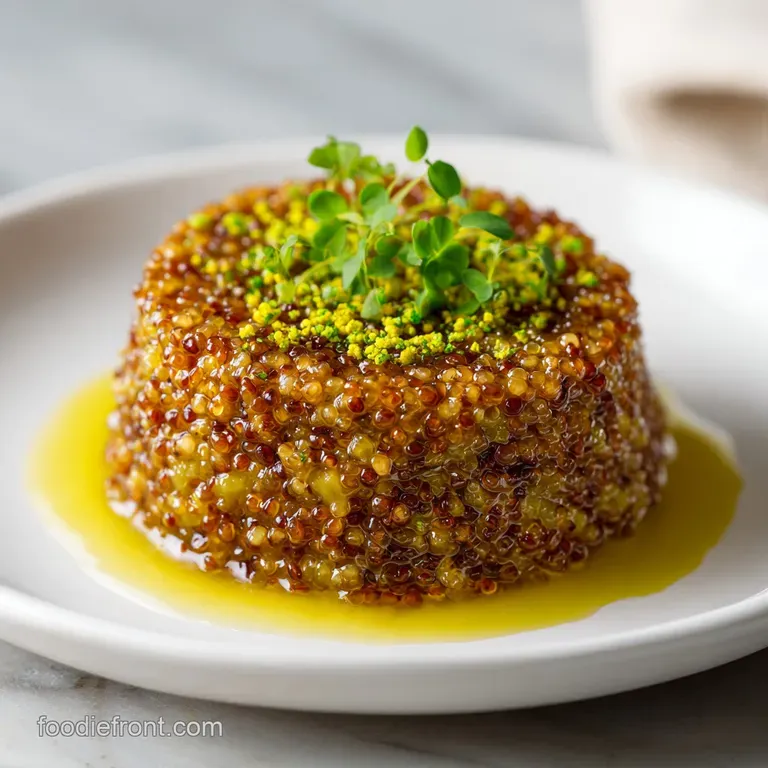
You don't need a lot of fancy gear for this, which is the beauty of a stone ground mustard recipe. However, the one thing you really do need is a non reactive container. Because mustard is high in acid, it will react with aluminum or copper, leaving you with a metallic tasting mess.
Stick to glass, ceramic, or high-quality stainless steel.
| Component | Science Role | Pro Secret |
|---|---|---|
| Mustard Seeds | Protein/Emulsifier | Contain mucilage which creates a creamy texture naturally. |
| Acetic Acid | Stabilizer | Once the heat reaches its peak, acid "locks" it in place. |
| Sea Salt | Flavor Catalyst | Bridges the gap between the bitter seeds and the sweet honey. |
You’ll also want a small food processor or an immersion blender. If you’re feeling traditional, a mortar and pestle works beautifully, though it requires a bit of elbow grease. I usually reach for my immersion blender because it gives me the most control over the final texture.
You want to see those whole grains suspended in a silky, creamy base.
step-by-step Mixing and Aging
- Combine the seeds. Pour your yellow and brown mustard seeds into a clean glass jar. Note: Make sure the jar is twice the size of the seeds to allow for expansion.
- Add the liquids. Pour in the apple cider vinegar and filtered water. Watch as the seeds begin to bob and swirl.
- Season the base. Stir in the sea salt, raw honey, and turmeric. Note: Use a wooden or plastic spoon to avoid any metallic reactions.
- Seal and wait. Cover the jar tightly and leave it on your kitchen counter for 48 hours. Wait until the seeds have absorbed most of the liquid.
- Observe the soak. Check the seeds after 24 hours. If they look dry, add another tablespoon of water.
- Transfer to blender. After 2 days, pour the mixture into a food processor. Note: The seeds should be plump and soft to the touch.
- Process with care. Pulse the mixture 5-8 times until a creamy paste forms around the whole seeds.
- Test the consistency. If it’s too thick, add a splash of vinegar. It should look like thick jam.
- Jar it up. Spoon the finished mustard back into a clean jar and refrigerate.
- Final mellowing. Let it sit in the fridge for another 24 hours before your first real use. Savor the aroma as the flavors finally settle.
Fixing Common Flavor Mistakes
Making homemade whole grain mustard is usually foolproof, but sometimes nature throws a curveball. The most common issue I hear from friends is about the "bitter" phase. This is totally normal! Freshly ground mustard seeds contain a defense mechanism that tastes like soap or medicine.
Time in the fridge is the only cure.
Why is my mustard too bitter?
If your mustard tastes like it’s attacking your tongue with a chemical bitterness, it simply hasn't aged enough. The volatile oils in the seeds need time to dissipate. This usually takes about 3 to 5 days of cold storage. If it's still bitter after a week, you might have used seeds that were past their prime.
Why is the texture too runny?
Sometimes the seeds don't absorb as much liquid as we expect. This can happen if the environment is very cold. If your mustard looks like soup after blending, don't panic. You can add a teaspoon of yellow mustard powder to help thicken it up instantly, or just let it sit in the fridge uncovered for a few hours.
| Problem | Root Cause | Solution |
|---|---|---|
| Dull Color | No Turmeric | Stir in a pinch of turmeric or paprika for a golden hue. |
| Excessive Heat | Too many brown seeds | Fold in a tablespoon of Greek yogurt or more honey. |
| Dry/Crumbly | Evaporation | Whisk in 1 tsp of water and 1 tsp of vinegar at a time. |
- ✓ Always use non reactive bowls (glass or ceramic) for soaking.
- ✓ Never use boiling water if you want a spicy mustard.
- ✓ Label your jar with the date - it gets better after two weeks.
- ✓ Don't over process; you want at least 60% of the seeds to remain whole.
- ✓ If the honey is crystallized, melt it slightly before adding to the seeds.
Dietary Adaptations and Options
This recipe is naturally gluten-free and dairy-free, making it a dream for family gatherings where everyone has different needs. However, if you are looking for a specific flavor profile, there are a few ways to tweak this stone ground mustard recipe without losing that hearty foundation.
For a sugar-free version, simply omit the honey. The mustard will be much more "forward" and sharp, which some people actually prefer. If you want a deeper, pub style flavor, you can swap the water for a dark stout or a crisp lager. Just remember that beer contains gluten, so check with your guests first! I've even made a "Christmas" version by adding a pinch of ground cloves and swapping the honey for molasses. It pairs beautifully with a holiday Beef Italian Sausage recipe.
When scaling this recipe up for gifts: Doubling (2x): Use 2 cups of seeds total. Reduce the water by 10% to ensure it doesn't get too thin during the larger scale blending process. Halving (1/2): Use a very small jar so the seeds stay submerged in the liquid.
The blending can be tricky in a large processor, so use an immersion blender in a tall cup instead.
Safe Storage and Preservation
Since mustard is essentially seeds preserved in acid and salt, it has an incredible shelf life. I’ve had jars in the back of my fridge for six months that still tasted fantastic. In fact, most experts say that mustard doesn't really "spoil" in the traditional sense; it just loses its potency over time.
Storage: Keep your mustard in a glass jar with a tight fitting lid in the refrigerator. It will stay fresh for at least 6 months. You might notice some liquid separation over time this is totally normal. Just give it a quick stir with a clean spoon before using.
Zero Waste: If you have a near empty jar of mustard, don't wash it out! Pour in a little olive oil, some lemon juice, and a pinch of salt. Shake it hard, and you have a "jar cleaned" vinaigrette that uses every last bit of that grainy goodness.
Also, if you find you have extra dry seeds, they are amazing toasted in a pan and sprinkled over roasted cauliflower or into a crust for baked fish.
Creative Ways to Serve
While a sandwich is the obvious choice, this grain mustard is a secret weapon in the kitchen. I love whisking a tablespoon into a pan sauce after searing steaks it acts as a natural emulsifier, binding the fat and juices into a velvety sauce that clings to the meat.
It also adds a sophisticated pop to a potato salad, breaking up the creaminess of the mayo with little bursts of vinegar.
One of my favorite ways to use it is as a crust for roasted pork tenderloin. Rub the meat with a thick layer of the mustard, then press in some chopped rosemary and garlic. As it roasts, the mustard seeds dry out slightly and create this incredible, flavorful bark that keeps the meat inside perfectly juicy.
It’s also the "star of the show" on a cheese board. Place it right next to a sharp cheddar or a creamy brie, and watch people’s faces when they realize it’s not from a store. Trust me, once you go homemade, those yellow squeeze bottles will never look the same again.
It’s simple, it’s cheap, and it’s honestly one of the most rewarding things you can make for your family pantry. Happy soaking!
Recipe FAQs
What is whole grain mustard?
It is a condiment made from whole, uncrushed mustard seeds. Whole grain mustard retains the seeds' structure, providing a distinctly textured, sharp, and tangy flavor profile superior to smooth paste mustards.
Is Dijon mustard the same as wholegrain?
No, they are distinctly different products. Dijon mustard is traditionally made from smooth, finely ground, mature brown or black mustard seeds mixed with white wine, resulting in a sharp but uniform paste.
What is the difference between whole grain mustard and regular mustard?
The primary difference is texture due to seed processing. Regular or yellow mustard uses finely ground seeds, creating a smooth sauce, whereas whole grain mustard intentionally leaves most seeds intact for a signature "pop" and texture.
What is a good substitute for whole grain mustard?
Use a combination of Dijon mustard mixed with some coarsely ground black pepper or flaxseeds. This substitution attempts to mimic the sharpness and introduce some necessary texture contrast.
How do I stop my homemade whole grain mustard from tasting bitter?
Allow the mustard to age undisturbed in the refrigerator for at least 72 hours. The initial bitterness comes from raw enzymes that naturally mellow and transform into complex heat as the mixture cures in the cold acid.
How do I achieve the perfect texture where the seeds pop but the sauce is creamy?
Pulse the mixture briefly in the food processor, processing only about one-third of the volume. This technique ensures most seeds remain whole while enough of the mixture emulsifies to create a creamy suspension base.
Can I use boiling water when hydrating the mustard seeds?
No, you should use cold or room temperature water for the initial soak. Hot water "kills" the natural myrosinase enzyme responsible for developing the mustard's heat and pungency, resulting in a very bland flavor.
Homemade Whole Grain Mustard
Ingredients:
Instructions:
Nutrition Facts:
| Calories | 92 kcal |
|---|---|
| Protein | 4.3 g |
| Fat | 6.0 g |
| Carbs | 6.2 g |
| Fiber | 2.1 g |
| Sugar | 1.4 g |
| Sodium | 196 mg |
