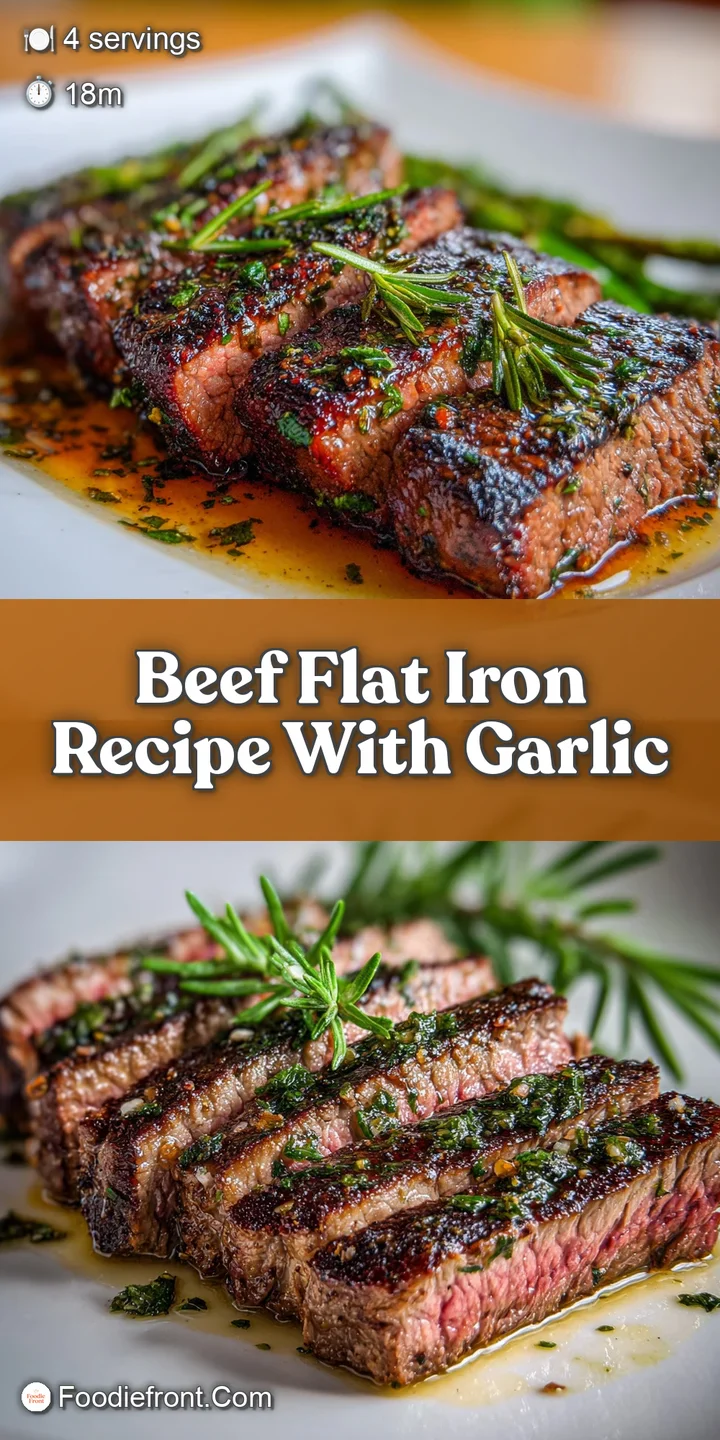
Beef Flat Iron Recipe with Garlic
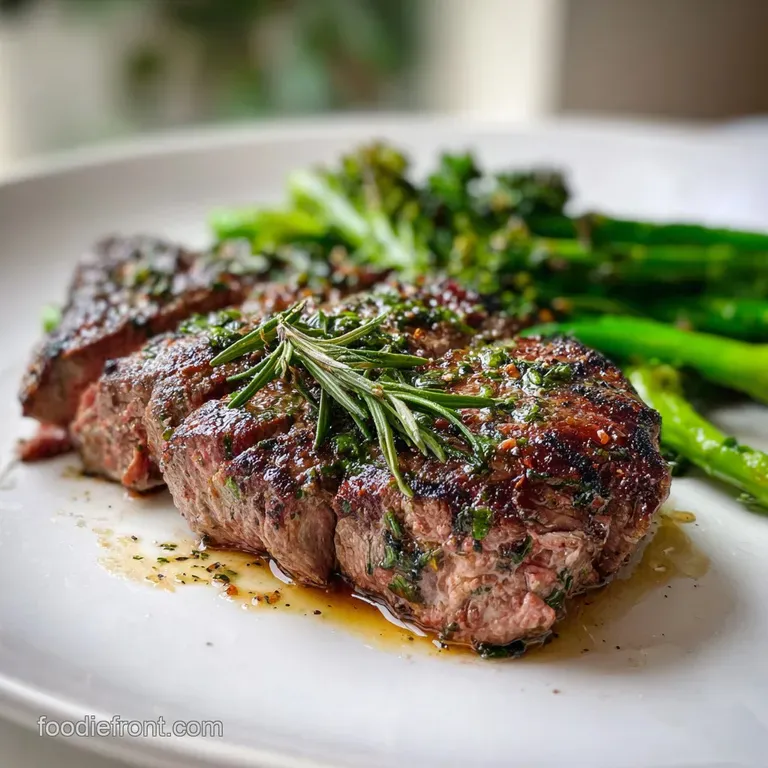
- Time: Active 10 mins, Passive 8 mins, Total 18 mins
- Flavor/Texture Hook: Savory garlic infused crust with a velvety, melt in-the mouth center
- Perfect for: Hearty family dinners or a quick weeknight protein boost
- The Science Behind Perfect Results
- Vital Recipe Statistics
- Essential Components for Flavor
- Tools for Professional Results
- Detailed Ingredient Breakdown
- Step by Step Cooking Guide
- Solving Common Cooking Problems
- Creative Flavor Swaps
- Proper Storage and Waste Reduction
- Perfect Pairings for Steak
- High in Sodium
- Recipe FAQs
- 📝 Recipe Card
The Science Behind Perfect Results
The magic of this Beef Flat Iron Recipe with Garlic happens through a process called the Maillard reaction. When the proteins and sugars in the meat hit 285°F (140°C), they rearrange themselves into hundreds of new flavor compounds.
To get that shatter crisp crust, you must have a bone dry surface; otherwise, the heat is wasted evaporating water instead of browning the beef.
Another critical factor is the connective tissue breakdown. The flat iron is the second most tender muscle in the cow, but it has a thin line of silver skin that usually gets removed by the butcher.
By using a over high heat sear followed by a lower temperature butter baste, we allow the intramuscular fat to soften without overcooking the lean fibers. This ensures every bite remains juicy and tender rather than tight and rubbery.
Precision Doneness Guide
| Thickness | Target Temp | Rest Time | Visual Cue |
|---|---|---|---|
| 2 cm | 54°C (Med Rare) | 5 mins | Soft, slight springiness |
| 3 cm | 54°C (Med Rare) | 7 mins | Gentle resistance |
| 4 cm | 54°C (Med Rare) | 10 mins | Firm but yielding |
Chef Tip: Smash your garlic cloves with the side of a knife but leave the skins on. This allows the oils to infuse into the butter while the skin acts as a heat shield, preventing the garlic from turning bitter and black.
Vital Recipe Statistics
Before you fire up the stove, let's look at the numbers that make this Beef Flat Iron Recipe with Garlic work. While some people prefer shortcuts, comparing the fresh approach to the quick fix version shows why the extra few minutes of prep are worth it for your family dinner.
Fresh vs Shortcut Comparison
| Method | Prep Time | Flavor Depth | Texture |
|---|---|---|---|
| Fresh Garlic/Herbs | 5 mins | Complex and pungent | Velvety butter finish |
| Garlic Powder Sub | 1 min | One dimensional | Slightly gritty |
| Pre Marinated | 0 mins | Often too salty | Mushy surface |
Using fresh aromatics isn't just about the taste; it's about the chemistry of the fat. The butter absorbs the essential oils from the rosemary and thyme, acting as a delivery vehicle that carries those flavors into every crevice of the meat. If you find yourself in a rush, you can check out my Simple Beef Stir recipe for a different way to handle quick beef meals.
Essential Components for Flavor
Selecting the right ingredients for this recipe with Garlic and Herbs is about balancing over high heat stability with rich, finishing fats. Since we are being budget smart, choosing avocado oil over butter for the initial sear saves money and prevents a smoky kitchen.
| Ingredient | Science Role | Pro Secret |
|---|---|---|
| Flat Iron Steak | High myoglobin content | Pat dry twice for better crust |
| Avocado Oil | 520°F (271°C) smoke point | Use only enough to coat the pan |
| Unsalted Butter | Emulsified fat source | Add only after the final flip |
| Kosher Salt | Protein denaturant | Season from high up for evenness |
For the herbs, rosemary and thyme are the classic choices because their woody stems can handle the heat of the pan without disintegrating. If you're looking for other ways to use beef, you'll love the flavors in my Beef Breakfast Sausage recipe as well.
Tools for Professional Results
You don't need a kitchen full of gadgets, but two things are non negotiable for this recipe with Garlic: a heavy pan and a reliable thermometer. A cast iron skillet is the gold standard here because it holds heat exceptionally well, meaning the temperature won't plummet when you add the cold meat.
- Cast Iron Skillet: Provides the most even heat distribution for that crust.
- Digital Meat Thermometer: The only way to guarantee a perfect medium rare.
- Large Metal Spoon: Essential for the butter basting process.
- Kitchen Tongs: For flipping without piercing the meat and losing juices.
- Paper Towels: To ensure the meat is completely dry before searing.
Chef Tip: Freeze your butter for 10 minutes before adding it to the pan. This slight delay in melting gives the steak more time to absorb the herb flavors before the butter solids begin to brown and potentially burn.
Detailed Ingredient Breakdown
Here is exactly what you need to gather for your Beef Flat Iron. Stick to these measurements for the best balance of seasoning and fat.
- 680g flat iron steak:Why this? Second most tender cut, much cheaper than ribeye or filet.
- 15ml avocado oil:Why this? High smoke point prevents the oil from breaking down.
- 5 garlic cloves, smashed:Why this? Releases allicin for that classic pungent aroma.
- 3 sprigs fresh rosemary: Adds a piney, earthy backbone to the fat.
- 3 sprigs fresh thyme: Provides a subtle, floral top note.
- 42g unsalted butter:Why this? Adds richness and helps create the final crust.
- 9g kosher salt: Coarse grains stick better to the meat's surface.
- 2g coarsely cracked black pepper: Provides a sharp, spicy bite to cut through the fat.
Smart Ingredient Substitutions
| Original Ingredient | Substitute | Why It Works |
|---|---|---|
| Avocado Oil | Grapeseed Oil | High smoke point and neutral flavor. |
| Fresh Rosemary | Dried Thyme (1 tsp) | Note: Use less as dried is more concentrated. |
| Unsalted Butter | Ghee | Higher smoke point, dairy-free, nutty flavor. |
step-by-step Cooking Guide
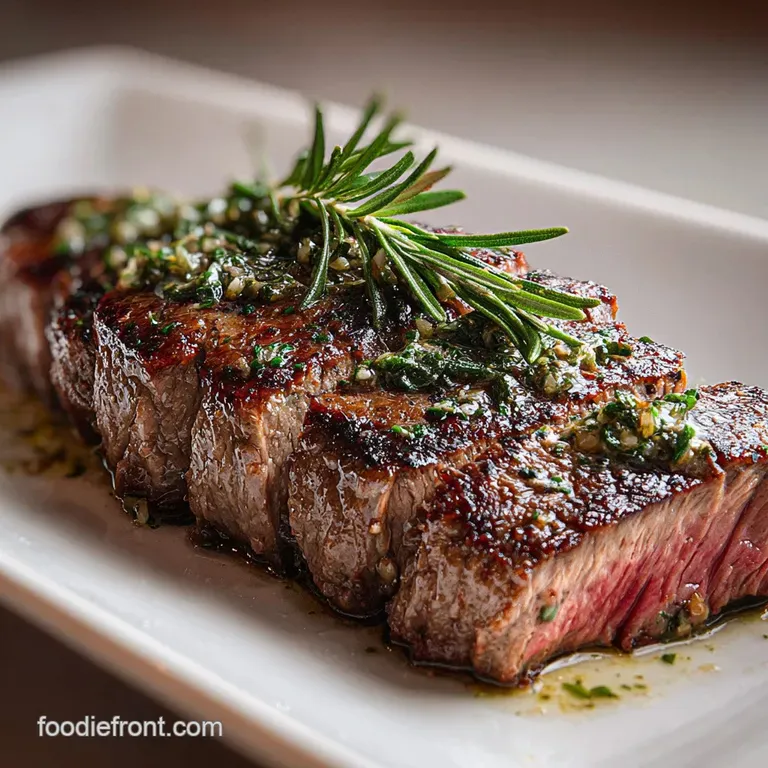
- Prep the meat. Remove the steak from the fridge 30 minutes before cooking. Pat it bone dry with paper towels on all sides. Note: Cold, wet meat will steam instead of sear.
- Season aggressively. Sprinkle the salt and pepper over the steak. Ensure every inch is covered including the thin sides.
- Heat the pan. Place your skillet over medium high heat. Add the avocado oil and wait until it is shimmering and just starting to wisp smoke.
- The initial sear. Carefully lay the steak into the pan, laying it away from you to avoid splashes. Press down lightly with tongs to ensure contact.
- Develop the crust. Cook for 3 to 4 minutes without moving it until a dark brown crust has formed.
- The flip. Turn the steak over. Immediately add the butter, smashed garlic, rosemary, and thyme to the pan.
- Baste the beef. Tilt the pan slightly so the melting butter pools at the bottom with the herbs. Use a spoon to constantly pour the hot, foaming butter over the steak.
- Check the temp. Continue basting for 3 to 4 minutes until the internal temperature hits 52°C for medium rare.
- The rest. Remove the steak to a cutting board. Pour the remaining pan juices over it and wait 5 to 8 minutes before slicing.
- Slice and serve. Cut against the grain into thin strips to ensure maximum tenderness.
Solving Common Cooking Problems
Even the most seasoned home cooks can run into trouble with a over high heat sear. The key is to stay calm and adjust the heat as you go. If you see too much smoke, don't be afraid to slide the pan off the burner for a moment.
Why Your Steak Lacks Color
If your steak looks grey and sad, the pan wasn't hot enough or the meat was too wet. Water is the enemy of the Maillard reaction. If this happens, remove the meat, wipe the pan, crank the heat, and try again, but realize the interior might overcook slightly.
Why Your Garlic Tastes Bitter
Garlic burns quickly. If you add it too early or the pan is screaming hot, those little cloves turn into bitter charcoal bits. This is why we add the garlic only after the flip, tucked into the cooling embrace of the butter.
| Problem | Root Cause | Solution |
|---|---|---|
| Tough meat | Sliced with the grain | Find the muscle lines and cut perpendicular. |
| Burnt butter | Heat too high | Add a splash of cold oil to lower the temp. |
| Bloody plate | Not rested enough | Let it sit for at least 5 mins to reabsorb juices. |
Common Mistakes Checklist
- ✓ Never use extra virgin olive oil for the sear (it burns too fast).
- ✓ Don't skip the rest period; the fibers need to relax to hold moisture.
- ✓ Avoid crowding the pan if cooking multiple steaks.
- ✓ Always use a spoon for basting, not just swirling the pan.
- ✓ Ensure the steak is at room temperature to avoid a cold center.
Creative Flavor Swaps
This Beef Flat Iron Recipe with Garlic is a canvas for your favorite flavors. While the garlic herb combo is a classic for a hearty family dinner, you can easily pivot based on what's in your pantry.
If you want a spicier kick, replace the rosemary with a halved Fresno chili and a teaspoon of smoked paprika in the butter. The capsaicin will infuse into the fat, creating a glowing, red basting liquid that adds a slow heat to the crust.
For an Asian inspired twist, swap the butter for sesame oil and add a knob of smashed ginger along with the garlic. Finish the rested steak with a drizzle of soy sauce and some toasted sesame seeds. This works beautifully if you're serving the beef over simple white rice.
Serving Size Calculator
| Servings | Beef Amount | Butter Amount | Cook Time |
|---|---|---|---|
| 2 People | 340g | 20g | 6-8 mins |
| 4 People | 680g | 42g | 8-10 mins |
| 6 People | 1kg | 65g | Work in batches |
Proper Storage and Waste Reduction
Steak is one of those things that is best fresh, but leftovers can be a lifesaver for busy families. If you have extra, wrap it tightly in foil or an airtight container. It will stay good in the fridge for up to 3 days. To reheat, avoid the microwave it turns beef into leather.
Instead, warm it in a low oven (120°C) until just heated through.
For zero waste cooking, don't throw away those herb stems or the garlic skins! You can toss them into a freezer bag and save them for your next batch of beef bone broth. Even the leftover flavored butter in the pan can be scraped into a small jar and used to fry eggs the next morning for a decadent breakfast.
Perfect Pairings for Steak
When it comes to serving this recipe with Garlic and Herbs, I love to keep it classic. A side of Crispy Roasted Garlic Potatoes recipe is the ultimate partner. The starch soaks up that herb butter perfectly.
If you're looking for something lighter, a simple arugula salad with a lemon vinaigrette provides a sharp acidity that cuts right through the richness of the beef. For a low carb option, roasted cauliflower tossed in some of the leftover pan drippings is a family favorite that feels much more indulgent than it actually is.
Traditional Kitchen Myths
- Searing seals in juices: This is false. Searing is entirely about flavor and texture. A seared steak actually loses slightly more moisture than a non seared one, but the flavor trade off is 100% worth it.
- Only flip once: You can flip as much as you want! In fact, flipping every minute can help the steak cook more evenly, though you'll need to wait for the final flips to do your butter basting.
- Salt draws out moisture: While salt does pull water to the surface initially, if you wait 30 minutes, that liquid is reabsorbed into the meat, seasoning it deeply.
Whether you're celebrating a small win or just feeding the kids on a Tuesday, this flat iron method delivers. It's about taking a modest cut of meat and treating it with the respect usually reserved for a high end steakhouse. Trust the sizzle, watch your temps, and don't forget to let it rest!
High in Sodium
868 mg mg of sodium per serving (38% % of daily value)
The American Heart Association recommends limiting sodium intake to about 2,300mg per day for optimal health.
Tips to Reduce Sodium in Your Steak:
-
Reduce Salt by Half-25%
Cut the kosher salt in half to 4.5g. This simple change significantly lowers sodium without sacrificing too much flavor.
-
Skip the Salt Altogether-25%
Omit the kosher salt completely and rely on other seasonings like pepper, garlic, rosemary, and thyme for flavor. Experiment with different amounts to find your preferred taste.
-
Consider Salted Butter
While the recipe calls for unsalted butter, be aware that some butters contain added salt. Read the label carefully or consider using an unsalted butter alternative.
-
Spice it Up
Experiment with sodium free herb and spice blends. Adding other flavors like smoked paprika or onion powder can enhance the steak's taste without increasing sodium.
-
Add a Kick
Introduce spices like cayenne pepper or red pepper flakes for heat without adding sodium. A small amount can make a big difference in flavor.
Recipe FAQs
What is the best cooking method for flat iron steak?
High heat searing followed by butter basting. This method creates a delicious crust while keeping the steak tender and juicy. For a similar technique focusing on creating a great crust, check out our Beef Sirloin Steak Pan Seared in 18 Minutes.
What is the 3 3 3 3 rule for steak?
This rule is not standard for steak cooking. The common "3-minute rule" often refers to searing time per side, but precise cooking depends on thickness and desired doneness, best measured by temperature. The important principle is ensuring the meat is dry for optimal searing, just like in our Fried Turkey Breast for Thanksgiving - Crispy Skin & Juicy Meat.
When to add garlic to cast iron steak?
Add garlic during the last few minutes of cooking, along with butter. This allows the garlic to infuse the butter for basting without burning. If you love garlic, try our Quick Sauteed Green Beans With Garlic for Flavor for another delicious application.
What is a good marinade for flat iron steak?
A simple marinade of olive oil, soy sauce, garlic, and herbs works well. However, for flat iron, often a good dry rub or simple seasoning followed by high heat searing is preferred to avoid steaming the steak. If you're exploring unique beef preparations, consider our Venison Summer Sausage Recipe - Smoky & Tangy Snack for a different flavor profile.
How to get a good sear on flat iron steak?
Pat the steak completely dry and use a very hot pan. Ensure your cast iron skillet is preheated until it just begins to smoke before adding the steak. This high heat promotes rapid browning via the Maillard reaction.
Why is my flat iron steak tough?
Toughness usually comes from overcooking or slicing against the grain. Flat iron is naturally tender; cooking it to medium rare and slicing thinly against the muscle fibers will yield the best results. If you master precise temperature control here, you can apply that skill to other cuts like in our Beef Sirloin Steak Pan Seared in 18 Minutes.
How long should I rest flat iron steak?
Rest for at least 5-10 minutes after cooking. This allows the juices to redistribute throughout the meat, resulting in a more tender and flavorful steak. Skipping this step can lead to juices running out when sliced, making the steak seem dry.
Garlic Flat Iron Steak
Ingredients:
Instructions:
Nutrition Facts:
| Calories | 338 kcal |
|---|---|
| Protein | 36.8 g |
| Fat | 21.2 g |
| Carbs | 1.1 g |
| Fiber | 0.2 g |
| Sugar | 0.1 g |
| Sodium | 868 mg |
