Cracked Grain Bread: Hearty and Rustic
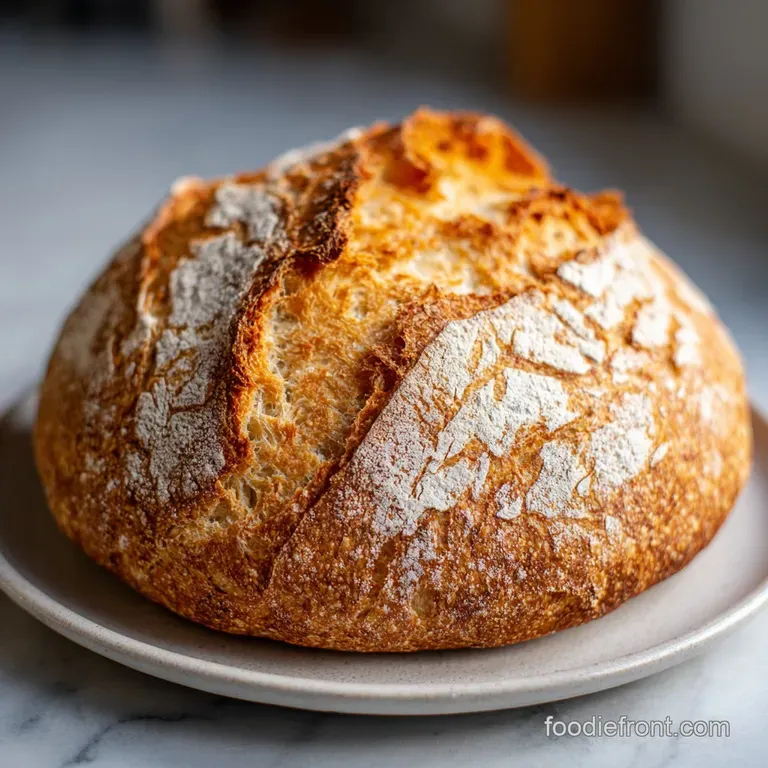
- Time: Active 35 minutes, Passive 4 hours 20 mins, Total 4 hours 55 mins
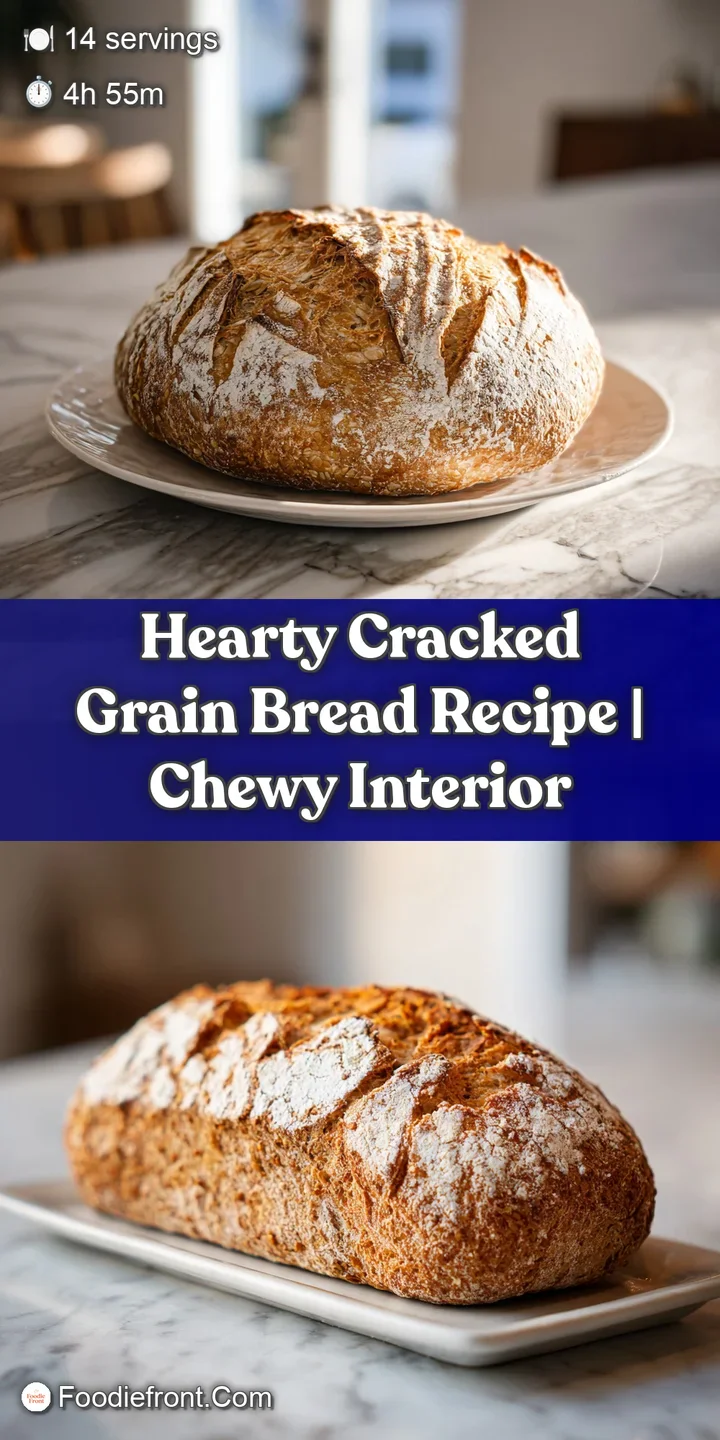
- Flavor/Texture Hook: Shatter crisp crust with a nutty, chewy interior
- Perfect for: Weekend baking, healthy sandwiches, and meal prep
Baking the Best Cracked Grain Bread
There is a specific sound that happens when you pull a fresh loaf out of the oven and set it on the cooling rack, it is a faint, rhythmic crackle as the crust hits the cool air. I call it the "bread song." The first time I tried making this Cracked Grain Bread, I didn't soak the wheat long enough.
Honestly, it was like eating a loaf of bread filled with tiny gravel. My kids were polite about it, but we ended up toasted it until it was basically a giant crouton just to make it edible.
Since then, I have learned that patience is the secret ingredient here. This recipe isn't about fancy techniques or expensive mixers, it is about giving those stubborn grains time to soften and bloom. When you get it right, the aroma that fills your kitchen is deep, toasty, and incredibly comforting.
It is the kind of smell that makes everyone wander into the kitchen with a knife and the butter dish already in hand.
We are making a loaf that feels substantial without being a brick. It is a budget friendly way to get that bakery style texture at home using simple pantry staples. Whether you are a seasoned baker or this is your first time touching yeast, this method is designed to work every single time.
Trust me, once you taste the difference between this and store-bought whole wheat, there is no going back.
Science of the Grain Soak
The secret to this recipe lies in the "soaker" method, which transforms tough, dry kernels into tender bits of texture.
- Enzymatic Activation: Boiling water breaks down the rigid cellulose walls of the cracked wheat, making the nutrients more accessible and the texture softer.
- Starch Gelatinization: Pre hydrating the grains prevents them from robbing moisture from the dough during the bake, ensuring the finished crumb stays velvety.
- Gluten Protection: Softened grains have rounded edges that won't "cut" the gluten strands as you knead, allowing the bread to rise higher.
- Maillard Enhancement: The honey and minerals in the grains react under high heat to create a deep, mahogany crust without needing a long ferment.
| Premium Ingredient | Budget Alternative | Flavor Impact | Savings |
|---|---|---|---|
| Organic Local Honey | Dark Brown Sugar | Slightly less floral but adds deep molasses notes | Save $3-5 |
| Cold Pressed Olive Oil | Vegetable or Canola Oil | Milder flavor, same velvety texture in the crumb | Save $2-4 |
| Mixed Ancient Grains | Cracked Wheat (Bulgur) | Consistent nutty bite, very affordable in bulk | Save $4-6 |
Choosing a cheaper oil or sugar won't ruin your bread, but it might slightly change the "personality" of the loaf. Brown sugar is a fantastic swap for honey if you want a more old-fashioned, caramel like sweetness that pairs beautifully with the wheat.
Essential Recipe Metrics
| Component | Science Role | Pro Secret |
|---|---|---|
| Cracked Wheat | Structural Texture | Toast the dry grains in a pan for 2 minutes before soaking to double the nutty aroma. |
| Bread Flour | Protein Support | Use flour with at least 12% protein to ensure the loaf can carry the weight of the heavy grains. |
| Yeast (Active Dry) | Biological Leavening | Proof the yeast in water that feels like lukewarm bath water, anything hotter will kill the magic. |
Pantry Staples for This Loaf
- Cracked Wheat (170g): This provides the signature bite. Why this? It adds fiber and a rustic texture that whole wheat flour alone cannot achieve.
- Substitute: Steel cut oats for a softer, creamier texture.
- Boiling Water (240ml): Used specifically for the soaker. Why this? It flash softens the wheat so you do not have to soak it overnight.
- Substitute: Scalded milk for a richer, more tender crust.
- High Protein Bread Flour (375g): The backbone of the loaf. Why this? Bread flour has more gluten than all purpose, which is vital for holding up heavy grains.
- Substitute: All purpose flour (the loaf will be slightly denser).
- Warm Water (120ml): Must be between 105°F and 110°F (40°C - 43°C). Why this? This is the ideal temperature range to "wake up" the yeast without stalling it.
- Substitute: Whey leftover from yogurt or cheese making for extra tang.
- Honey or Molasses (42g): Provides food for the yeast and moisture. Why this? It keeps the bread fresh for longer than white sugar would.
- Substitute: Maple syrup for a distinct autumnal flavor.
- Active Dry Yeast (7g): Our lifting agent. Why this? It is reliable and gives a steady, predictable rise for heavy doughs.
- Substitute: Instant yeast (skip the proofing step and mix directly into the flour).
- Fine Sea Salt (9g): Flavor enhancer. Why this? It regulates the yeast growth and prevents the bread from tasting bland.
- Substitute: Table salt (use slightly less as it is more "salty" by volume).
- Extra Virgin Olive Oil (28g): Softens the crumb. Why this? It provides a subtle fruitiness and helps the crust stay supple.
- Substitute: Melted butter for a more traditional, dairy forward flavor.
Tools for Perfect Slicing
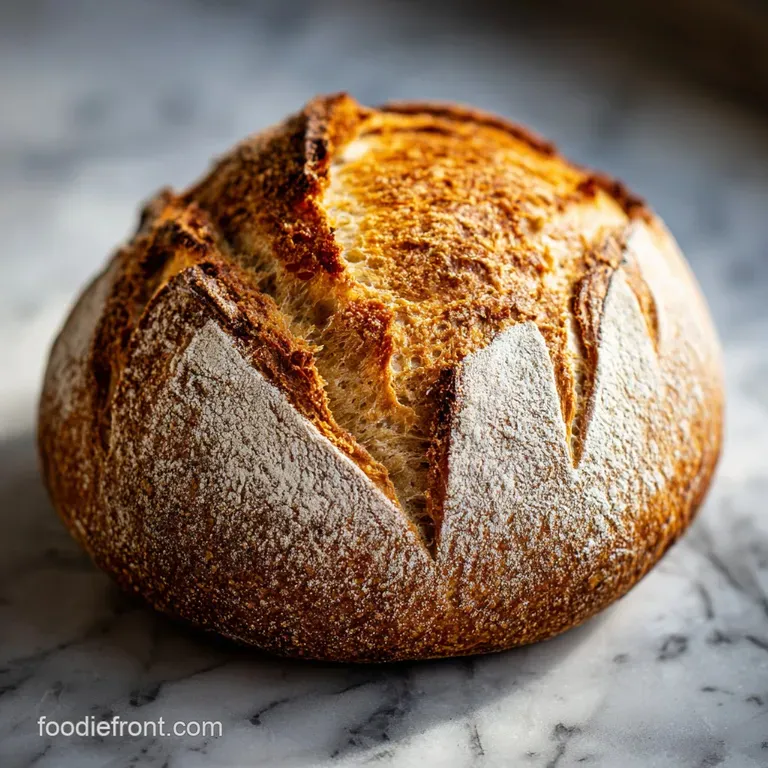
You do not need a professional bakery setup to master this Cracked Grain Bread, but a few basics make the job much easier. A heavy duty stand mixer (like a KitchenAid) is a lifesaver for the 10 minute kneading process, though your hands work just as well if you want a workout.
You will also need a standard 9x5 inch (23x13 cm) loaf pan.
Chef's Tip: Freeze your loaf of bread for 15 minutes before slicing. This firms up the structure and allows you to get those thin, deli style slices without tearing the velvety crumb.
If you enjoy the process of building flavor through grains, you might also find success with my Ezekiel Bread Recipe which uses a similar hydration technique for a super nutritious result. Having a digital scale is also highly recommended, measuring by weight rather than cups ensures your dough is never too dry or too sticky.
Simple Steps for Success
- Hydrate grains. Pour 240ml boiling water over 170g cracked wheat in a small bowl. Note: This ensures the grains are tender.
- Soak. Let the mixture sit for 1 hour 30 mins until the water is absorbed and grains are soft.
- Proof yeast. Combine 120ml warm water, 42g honey, and 7g yeast. Note: Wait 5-10 minutes until it becomes foamy.
- Combine ingredients. Add the cooled grain mixture, 375g bread flour, 9g salt, and 28g olive oil to the yeast mixture.
- Knead dough. Mix on low speed or by hand for 8-10 minutes until the dough is smooth and elastic.
- First rise. Place in a greased bowl, cover, and let rise for 1 hours 30 mins until doubled in size.
- Shape loaf. Gently punch down, roll into a tight cylinder, and place into a greased loaf pan.
- Final proof. Cover and let rise for 45-60 minutes until the dough rises 1 inch above the pan rim.
- Bake. Bake at 375°F (190°C) for 35 minutes until the top is mahogany brown and sounds hollow when tapped.
- Cool. Remove from the pan immediately and let rest on a wire rack for at least 1 hour. Note: Cutting too early lets steam escape, making the bread dry.
Fixing Common Baking Hurdles
Dense Loaf Texture
If your bread feels more like a brick than a cloud, the culprit is usually under proofing or expired yeast. Heavy grains require a lot of strength to lift. If the dough doesn't double during the first rise, give it more time in a warm, draft free spot like the inside of an oven with the light turned on.
Tough Exterior Crust
A crust that is too hard to bite through often happens when the oven is too dry or the bread is baked for too long. This is a common issue with whole grain recipes. To fix this, you can brush the top of the loaf with melted butter immediately after it comes out of the oven to soften it up.
| Problem | Root Cause | Solution |
|---|---|---|
| Bread Crumbles | Not enough gluten development | Knead for the full 10 minutes to build strong "muscle" in the dough. |
| Grains are Crunchy | Inadequate soaking time | Ensure water is boiling when added and soak for the full 90 minutes. |
| Loaf Sinks in Middle | Over proofing | Don't let the second rise go too far, bake as soon as it clears the pan rim. |
Common Mistakes Checklist
- ✓ Check yeast expiration dates before starting (old yeast won't lift heavy grains).
- ✓ Use a thermometer to ensure your "warm water" isn't actually "hot water."
- ✓ Resist the urge to add more flour while kneading, the dough should be slightly tacky.
- ✓ Always let the loaf cool completely before slicing to set the internal structure.
- ✓ Make sure the "soaker" has cooled to room temperature before adding it to the yeast.
Tasty Loaf Variations
If you want to change things up, this dough is incredibly forgiving. For a savory twist, add 1 tablespoon of dried rosemary and 50g of grated parmesan cheese during the final stage of kneading. The cheese melts into the dough, creating little pockets of salty flavor that pair perfectly with the nutty wheat.
For a sweet version that tastes like a cozy morning, add 1 teaspoon of cinnamon and 100g of raisins. Since the raisins are heavy, you might need to extend the final rise by about 15 minutes.
To get that coffee shop look, brush the top with an egg wash and sprinkle extra cracked wheat or rolled oats on top before sliding it into the oven.
Storing and Warming Tips
Keep your bread in a paper bag for the first 24 hours to maintain that shatter crisp crust. After that, move it to a sealed plastic bag or a bread box. It will stay fresh on the counter for about 3 to 4 days.
If you find the crust has softened too much, a quick 5 minute toast in a 350°F (180°C) oven will bring back that original crunch.
To freeze, slice the entire loaf first. Place parchment paper between the slices so you can pull out exactly what you need for breakfast. It stays good in the freezer for up to 3 months.
When you are ready to eat, just pop a frozen slice directly into the toaster, it will come out velvety on the inside and perfectly crisp on the edges. For any leftover heels that have gone stale, pulse them in a food blender for the best whole grain breadcrumbs you have ever tasted.
Best Ways to Serve
This bread is a superstar when it comes to breakfast. Because it is so sturdy, it makes the best French toast you will ever have, it soaks up the custard without falling apart. For a simpler meal, try it toasted with a thick layer of almond butter and sliced bananas.
The nuttiness of the grain bread complements the nut butter perfectly.
For a hearty lunch, this bread is the ideal partner for a Beef Breakfast Sausage recipe patty and a fried egg. The structure of the loaf can handle the juices from the meat without getting soggy. If you are serving it with dinner, it is the ultimate tool for swiping up the last bits of a creamy Blueberry Bread Pudding recipe or a savory stew. Honestly, just a simple slice with a bit of honey is enough to make any afternoon feel special.
Recipe FAQs
What is cracked wheat bread?
It is bread made with wheat kernels that have been coarsely ground or "cracked." This process leaves the bran, germ, and endosperm mostly intact, providing a distinct, chewy texture and nutty flavor.
Can I substitute bulgur for cracked wheat in this recipe?
Yes, bulgur is an excellent, slightly faster cooking substitute for cracked wheat. Bulgur is essentially parboiled and dried cracked wheat, meaning it requires less soaking time before mixing into the dough.
What is crack bread?
"Crack bread" is typically a colloquial, non-standard term for this type of bread or sometimes a specific savory, loaded garlic bread. In baking contexts referencing whole grains, it refers to the satisfying crunch of the toasted wheat pieces within the loaf.
What is another name for cracked wheat?
The most common alternative name is coarsely ground wheat groats. Depending on the region and degree of processing, it can also be referred to as crushed wheat.
How do I make sure the cracked grains are tender and not crunchy in the final loaf?
Soak the grains completely in boiling water for at least 90 minutes. This crucial step starts the softening process, ensuring the grains bloom and become tender rather than hard inclusions in your crumb.
Is it true that using whole grain flours makes bread denser than white flour bread?
No, this is a common misconception if the technique is right. The bran in whole grains can sometimes cut gluten strands, but proper hydration and kneading, like mastering the texture control here, prevent severe density issues.
What fat should I use if I want a richer, dairy forward crumb instead of olive oil?
Melted butter is the best substitute for olive oil when seeking a richer flavor. Use the same volume of butter, which will lend a lovely, tender texture to the loaf, similar to the richness achieved in a slow cooked dish like our Cheesy Potatoes Slow Cooked recipe.
Cracked Grain Bread Recipe
Ingredients:
Instructions:
Nutrition Facts:
| Calories | 167 calories |
|---|---|
| Protein | 4.7 g |
| Fat | 2.6 g |
| Carbs | 30.5 g |
| Fiber | 2.1 g |
| Sugar | 2.5 g |
| Sodium | 252 mg |
