Award Winning Rib Rub Recipe
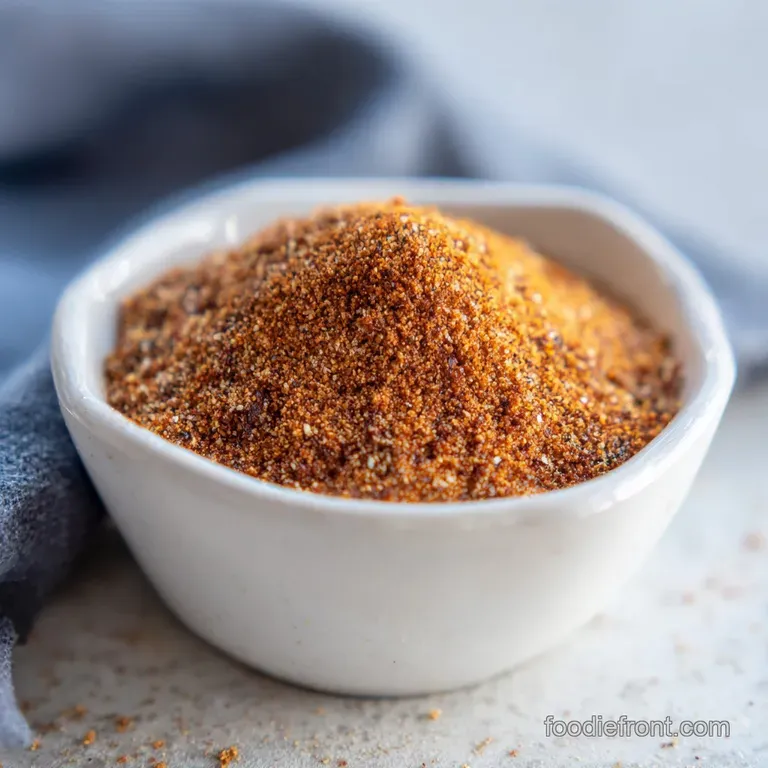
- Time: Active 5 minutes, Passive 0 minutes, Total 5 minutes
- Flavor/Texture Hook: Smoky, earthy, and mahogany hued crust
- Perfect for: Weekend family cookouts and beginner pitmasters
- Master This Smoky Homemade Rib Rub Recipe
- The Science of the Bark
- Quick Rib Doneness Guide
- Ingredient Component Analysis
- Pantry Staples and Substitutes
- The Mixing and Application Process
- Common Pitfalls and Fixes
- Scaling for Large Crowds
- Storage and Waste Tips
- Flavor Myths and Pairings
- High in Sodium
- Recipe FAQs
- 📝 Recipe Card
Master This Smoky Homemade Rib Rub Recipe
The first time I stood over a backyard smoker, the air was thick with the scent of hickory and rendered fat. I had a rack of meat and a bottle of store-bought seasoning that, frankly, smelled like nothing but salt and dust.
When the meat finally came off the grates, it was gray and uninspired, lacking that mahogany "bark" you see in professional BBQ joints. That was the day I realized the rub isn't just a seasoning; it is the structural foundation of the entire meal.
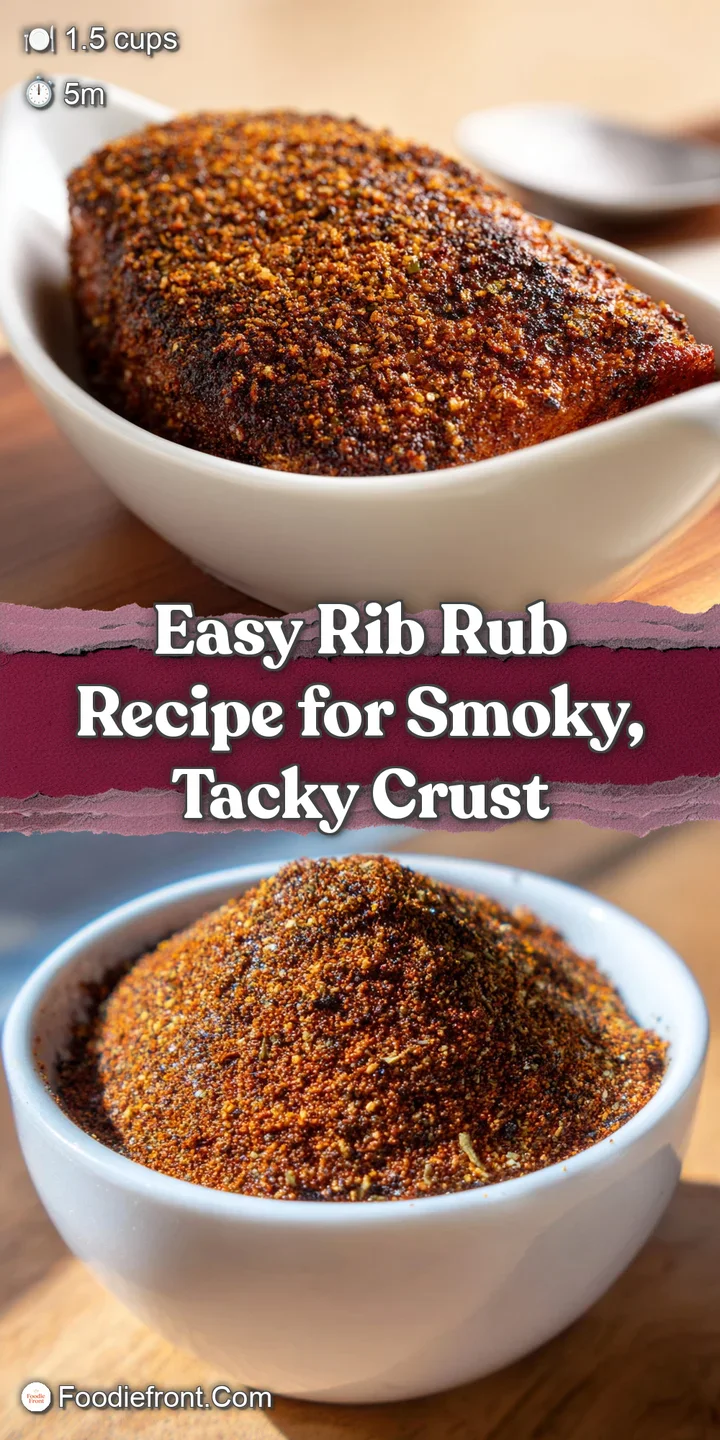
We have spent years tweaking this specific blend to ensure it doesn't just sit on the surface but actually works with the heat to create a velvety, concentrated exterior. You want a rub that clings to the meat, reacting with the rendered juices to form a savory lacquer.
This is the recipe our family reaches for every Saturday, and it never fails to turn a simple weeknight dinner into something that feels like a celebrated event.
I used to think you needed expensive, experimental spices to get that "award winning" flavor, but the truth is much simpler. It is about the ratio of sugar to salt and the quality of your aromatics.
This rib rub recipe is designed to be forgiving, hearty, and deeply comforting, providing that classic BBQ profile that makes everyone reach for a second helping.
The Science of the Bark
Osmotic Pressure: Salt draws moisture to the surface, where it dissolves the rub into a concentrated brine before being reabsorbed to season the interior deeply.
Maillard Reaction: The dark brown sugar caramelizes under low heat, bonding with the proteins in the meat to create a complex, earthy crust known as the "bark."
Hygroscopic Balance: The sugar acts as a humectant, trapping moisture against the meat to prevent the exterior from becoming tough or leathery during long cook times.
Capsaicin Dispersion: Small amounts of cayenne and chili powder are suspended in the fat soluble paprika, ensuring a steady, gentle warmth rather than sharp, biting heat.
Quick Rib Doneness Guide
| Rack Thickness | Internal Temp | Rest Time | Visual Cue |
|---|---|---|---|
| 2.5 cm (Thin) | 90°C - 93°C | 10 minutes | Meat pulls back 1 cm from bone |
| 4 cm (Standard) | 93°C - 95°C | 15 minutes | Surface cracks slightly when lifted |
| 5 cm+ (Thick) | 95°C | 20 minutes | Bone rotates easily in the socket |
Determining the exact moment to pull your meat off the heat is the difference between a chewy disappointment and a tender, falling off-the bone success. While a thermometer is your best friend, always look for the "pull back" that distinctive gap where the meat has retreated from the tips of the bones, exposing them like small white handles.
If you are working with beef, the process changes slightly because the connective tissue is more stubborn. This rib rub recipe works beautifully on heavier cuts, but you might want to check out my Beef Ribs Recipe for specific timing on those larger, meatier bones.
Ingredient Component Analysis
| Ingredient | Science Role | Pro Secret |
|---|---|---|
| Dark Brown Sugar | Carbonization Catalyst | Always pack it tightly to ensure accurate volume and moisture content. |
| Smoked Paprika | Color & Oil Suspension | Use Spanish smoked paprika for a deeper, more authentic wood smoke aroma. |
| Coarse Kosher Salt | Protein Denaturation | The large flakes dissolve slower, providing a steady seasoning throughout the cook. |
| Dry Mustard | Emulsification Aide | It helps the fats and sugars bind together, creating a more cohesive crust. |
Pantry Staples and Substitutes
To make this rib rub recipe, you will need to gather these specific items from your spice cabinet. Each one serves a purpose, from providing the "kick" to ensuring the color is vibrant and appetizing.
- 1/2 cup (100g) Dark Brown Sugar: Provides the sweetness and the sticky base. Why this? Contains more molasses than light sugar, aiding deeper caramelization.
- 1/4 cup (30g) Smoked Spanish Paprika: For that essential smoky undertone.
- 3 tbsp (54g) Coarse Kosher Salt: The primary flavor enhancer.
- 2 tbsp (16g) Garlic Powder: Adds a savory, umami rich base layer.
- 2 tbsp (16g) Onion Powder: Complements the garlic with a mellow sweetness.
- 1 tbsp (6g) Dry Mustard Powder: Provides a sharp, tangy counterpoint to the sugar.
- 1 tbsp (6g) Freshly Cracked Black Pepper: For a floral, biting heat.
- 1 tsp (2g) Cayenne Pepper: Adjust this if you prefer a milder rub.
- 1 tsp (2g) Chili Powder: Adds complexity and a hint of cumin scented earthiness.
- 1/2 tsp (1g) Ground Celery Seed: The "secret" ingredient that adds a professional, savory finish.
| Original Ingredient | Substitute | Why It Works |
|---|---|---|
| Dark Brown Sugar | Coconut Sugar | Similar caramel notes but a higher burn point; less sticky finish. |
| Smoked Paprika | Liquid Smoke (few drops) | Use only if you lack the powder; mix into a binder like mustard first. |
| Kosher Salt | Sea Salt (Flaky) | Similar texture; do not use fine table salt as it will be too salty. |
| Cayenne Pepper | Chipotle Powder | Adds more smokiness and a slightly more "raisin like" heat profile. |
Chef's Tip: If you find your spices are starting to clump in their jars, toss a few dried beans or a piece of dry pasta into the container. They act as natural desiccant and keep everything flowing freely.
The Mixing and Application Process
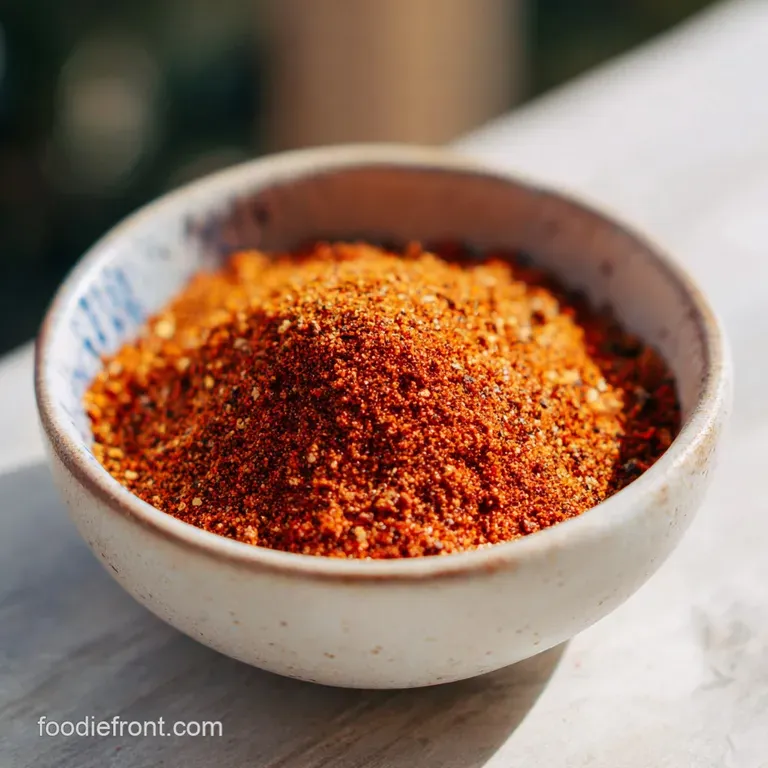
- Sift the sugar. Place the dark brown sugar in a wide bowl and break up any large clumps with a fork until it is light and sandy. Note: Large clumps won't dissolve evenly on the meat.
- Add dry aromatics. Measure out the paprika, garlic powder, and onion powder, adding them to the sugar.
- Incorporate the salt. Pour in the coarse kosher salt. Note: We add this early so it distributes evenly among the finer powders.
- Spice it up. Add the mustard, black pepper, cayenne, and chili powder.
- The secret touch. Whisk in the ground celery seed until the color is a uniform, deep terracotta.
- Prep the protein. Pat your meat completely dry with paper towels. Note: Surface moisture creates steam, which prevents the rub from sticking.
- Apply the binder. Optionally, brush a very thin layer of yellow mustard or olive oil over the meat. Note: You won't taste the mustard; it just acts as "glue."
- The Snowfall Technique. Hold your hand about 15 cm above the meat and sprinkle the rub in a steady stream. until every centimeter is covered in a thick, matte layer.
- Press, don't rub. Gently pat the spices into the meat with your palm. Note: Rubbing can tear the surface or cause the spices to clump together.
- Rest the meat. Let the seasoned meat sit for at least 30 minutes at room temperature until the rub looks damp and dark.
Common Pitfalls and Fixes
Why Your Rub Is Too Salty
If the final result tastes like a salt lick, it is usually because of the grain size of your salt. Fine table salt is much denser than kosher salt; one tablespoon of table salt contains nearly double the sodium of a tablespoon of kosher salt. Always use coarse grains to ensure you aren't over seasoning.
The "Sugar Burn" Crisis
Sugar begins to burn at temperatures above 150°C (300°F). If you are cooking over high direct heat, the sugar in this rub recipe will turn bitter and black before the meat is cooked through.
This blend is specifically designed for "low and slow" cooking, ideally between 110°C and 135°C.
| Problem | Root Cause | Solution |
|---|---|---|
| Rub falls off | Meat was too wet | Pat dry and use a binder like oil or mustard. |
| Bitter aftertaste | Sugar burned | Lower the temperature or move meat further from heat. |
| Clumpy mixture | Humidity in storage | Add a few grains of rice to the storage jar. |
Common Mistakes Checklist
- ✓ Forgetting to remove the silverskin (membrane) from the back of the ribs, which blocks the rub from the meat.
- ✓ Rubbing the spices in too aggressively, which creates a muddy paste instead of a clean crust.
- ✓ Using old, expired spices that have lost their volatile oils and smell like cardboard.
- ✓ Applying the rub too thin; you want a full, opaque coating for a proper bark.
- ✓ Storing the rub in a plastic container near the stove, where heat and steam will cause it to brick.
Scaling for Large Crowds
If you are hosting a massive family reunion, you'll need more than a single batch. This recipe yields about 1.5 cups of rub, which is enough for about 3 to 4 large racks of ribs. If you need to double or triple it, follow these guidelines to keep the flavors balanced.
When doubling the recipe, keep the salt and sugar at a strict 2x ratio, but consider keeping the cayenne and chili powder at 1.5x initially. Spices can sometimes amplify in unexpected ways when scaled up in large volumes.
For liquids, if you're making a wet version of this by adding oil, reduce the liquid slightly (by about 10%) as the surface area of the spices doesn't increase linearly with the volume.
If you find yourself with a smaller crowd, you can easily halve the recipe. For the half teaspoon of celery seed, just use a generous pinch. If you are looking for a different style of rib for a smaller group, you might enjoy this St. Louis Ribs recipe which uses a similar flavor profile but a different cut.
Storage and Waste Tips
Storage: Keep your homemade rib rub recipe in a glass jar with a tight fitting lid. Store it in a cool, dark place like a pantry or cupboard. It will remain potent for 6 months. After that, the spices don't "go bad," but they lose their aromatic punch.
Always give the jar a good shake before using, as the heavier salt and sugar will naturally settle at the bottom over time.
Zero Waste: Never throw away the "dust" at the bottom of the bowl after seasoning your meat. If it hasn't touched raw meat, you can mix it with a little softened butter to make a smoky compound butter for corn on the cob.
If you have extra rub that has been near the raw meat, use it to season a pot of baked beans or a hearty stew that will be simmered for hours, ensuring any bacteria are destroyed by the heat.
Flavor Myths and Pairings
One common myth is that you must apply the rub 24 hours in advance to "marinate" the meat. In reality, the salt penetrates, but the large spice molecules mostly stay on the surface. Applying it 30 to 60 minutes before cooking is usually plenty of time for the salt to start its work.
Another myth is that you can't use sugar in a smoker you absolutely can, as long as you maintain a steady, low temperature.
For the perfect family dinner, I love serving this with a creamy coleslaw or a heavy potato salad. The acidity in a vinegar based slaw cuts through the richness of the rub beautifully. If you're looking for a non traditional side, a Brazilian Cheese Bread recipe provides a chewy, salty contrast that kids and adults both love.
Decision Shortcut: If You Want X, Do Y
- If you want a No Sugar Rub: Replace the brown sugar with 1/4 cup of smoked paprika and an extra tablespoon of garlic powder.
- If you want Extra Heat: Double the cayenne and add 1 tablespoon of crushed red pepper flakes.
- If you want a Wet Rub: Mix 1/2 cup of the dry rub with 1/4 cup of apple cider vinegar and 2 tablespoons of vegetable oil.
Whether you are a seasoned pitmaster or just someone trying to make a comforting meal for the family, this rib rub recipe is your ticket to a better dinner. It’s simple, it’s honest, and it smells like home. Now, let's get those coals started!
High in Sodium
885 mg of sodium per serving (38% of daily value)
The American Heart Association recommends limiting sodium intake to no more than 2,300mg per day for most adults.
Easy Tips to Reduce Sodium in Your Spice Rub
-
Reduce Salt by Half-25%
Coarse Kosher salt is the biggest contributor to sodium in this recipe. Try reducing the amount of salt from 3 tbsp to 1.5 tbsp. This will significantly cut the sodium content without sacrificing too much flavor.
-
No-Salt Substitute-15%
Consider replacing 1 tbsp of the Coarse Kosher salt with a potassium based salt substitute. Be mindful of the taste, and use sparingly to avoid an unpleasant aftertaste.
-
Enhance with Herbs
Boost the flavor profile by adding more herbs like dried oregano, thyme, or rosemary. These herbs will help compensate for the reduced salt and add complexity to your rub.
-
Increase Other Spices
Amplify the other flavors! Increase the amounts of garlic powder, onion powder, smoked paprika, and chili powder in the recipe. This will create a more complex and flavorful rub with less sodium.
Recipe FAQs
What is the 5 ingredient rib rub?
No, this recipe has 9 main ingredients plus celery seed. The five primary components for flavor are brown sugar, smoked paprika, kosher salt, garlic powder, and black pepper.
What is the best rub for ribs?
The best rub offers a balance of sugar for bark and salt for penetration. This specific blend balances sweetness and heat, creating a deep mahogany crust ideal for low-and-slow cooking methods.
How long should you put dry rub on ribs?
Let the meat rest for at least 30 minutes before cooking. This allows the salt to begin drawing moisture to the surface, creating a damp area for the rub to adhere properly.
What is the number one rib rub?
The "number one" rub is highly subjective, but this recipe prioritizes a strong bark. Its effectiveness lies in the ratio of sugar to salt, which ensures deep flavor without burning; if you master this technique, apply the same temperature precision to our Beef Sirloin Dish recipe for perfect searing.
Must I use dark brown sugar in this rib rub?
No, you can substitute coconut sugar, though the result will be less sticky. Dark brown sugar is preferred because its higher molasses content aids in deep caramelization, which creates the desired crust.
Can I apply this rub a full day ahead of time?
Yes, but monitor moisture retention closely to avoid a mushy surface. Applying a rub 24 hours ahead works for deep salt penetration, but if you are using a very moist rub, consider wrapping the meat tightly to prevent drying out.
Is it true that adding mustard as a binder makes the ribs taste tangy?
No, this is a common misconception; the mustard flavor evaporates during cooking. The binder merely acts as an adhesive to ensure the rub adheres densely to the meat before cooking, similar to how fat helps suspend spices in our Sous Vide Duck recipe.
Award Winning Rib Rub Recipe
Ingredients:
Instructions:
Nutrition Facts:
| Calories | 29 calories |
|---|---|
| Protein | 0.4 g |
| Fat | 0.2 g |
| Carbs | 6.6 g |
| Fiber | 0.5 g |
| Sugar | 4.5 g |
| Sodium | 885 mg |
