Mouthwatering One Pot Lasagna Soup
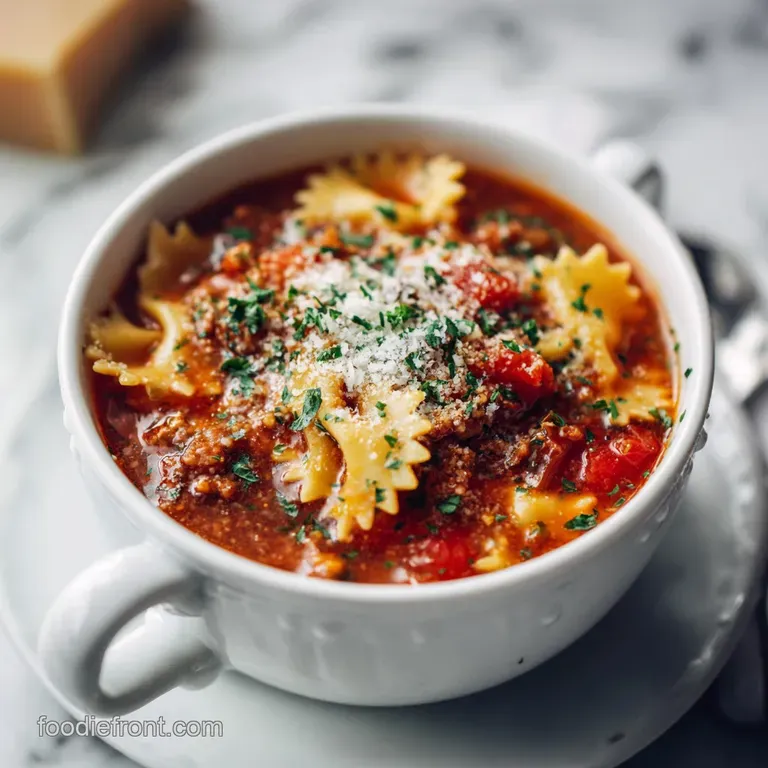
- Time: Active 10 minutes, Passive 25 minutes, Total 35 minutes
- Flavor/Texture Hook: Savory, herb infused broth with pockets of melted mozzarella and creamy ricotta.
- Perfect for: Busy weeknight family dinners or cozy rainy day meal prep.
- The Best Way to Make Mouthwatering One Pot Lasagna Soup
- Vital Cooking Specs for This Hearty Family Dinner
- Component Analysis: Building the Flavor Profile
- Pantry Essentials and Creative Ingredient Substitutions That Work
- Best Kitchen Tools for Stress Free One Pot Cooking
- Mastering the Method for Velvety Noodles and Rich Broth
- Solving Texture Problems and Flavor Balancing for New Cooks
- Troubleshooting Common Issues
- Simple Ways to Modify Your Soup for Dietary Needs
- Smart Storage Solutions and Methods for Perfect Reheating
- Flavorful Side Dishes to Complete Your Hearty Family Meal
- Debunking Common One Pot Cooking Myths
- CRITICAL Sodium Alert
- Recipe FAQs
- 📝 Recipe Card
The Best Way to Make Mouthwatering One Pot Lasagna Soup
The first time I tried making a soup version of my favorite pasta dish, it was a total disaster. I had this idea that I could just dump everything in and walk away, but I ended up with a pot of mushy, overcooked noodles and a broth that felt thin and greasy.
The kitchen smelled like a pizza parlor, which was the only saving grace, but the texture was just plain wrong. I remember standing over the stove with a wooden spoon, staring at the "soup" that looked more like a porridge, wondering where I went off the rails.
That was the night I realized that a mouthwatering one pot lasagna soup isn't just a liquid lasagna, it's an exercise in timing and heat control. The real magic happened when I stopped treating the noodles like an afterthought and started treating them like the thickener for the entire dish.
Now, every time the Italian sausage hits the bottom of my Dutch oven and starts to sizzle, I get that familiar rush of excitement. The aroma of fennel and garlic fills the room, and I know that in just about 35 minutes, we're going to have something that feels like a warm hug in a bowl.
You really want that deep, mahogany color on the meat before you even think about adding the liquids. It’s those little crispy brown bits on the bottom of the pot that hold the soul of the dish.
I’ve made this for my kids, my neighbors, and even a friend who claims they "don't really like soup," and every single time, they're asking for seconds before they've even finished the first bowl.
It’s hearty, it’s comforting, and honestly, it’s a lot more forgiving than a traditional lasagna once you know a few simple tricks.
Vital Cooking Specs for This Hearty Family Dinner
When you are trying to get dinner on the table during a chaotic Tuesday, you need numbers you can trust. This recipe is designed to be efficient, focusing on high impact flavor without the need for hours of simmering.
Because we are using the one pot method, we are relying on the starch from the noodles to provide body, which means the cooking time for the pasta is the most critical window of the whole process.
If you have ever had pasta that felt gummy or fell apart, it's usually because the heat was too high for too long. For this dish, we are looking for that "al dente" sweet spot. We want the noodles to have a slight bite because they will continue to soften as they sit in the hot broth.
It's a delicate balance, but it's what separates a mediocre meal from a truly mouthwatering one pot lasagna soup that your family will ask for every single week.
| Goal | Temperature/Time | Visual/Sensory Cue |
|---|---|---|
| Meat Prep | Medium High Heat | Meat is browned and no longer pink |
| Veggie Softening | 4-5 minutes | Onions are translucent and sweet |
| Noodle Texture | 10-12 minutes | Al dente with a slight resistance |
| Cheese Melt | 1-2 minutes | Mozzarella becomes long, stretchy strings |
The beauty of the stovetop method is the immediate feedback you get. You can see the broth thickening and smell the garlic as it toasts. While some people prefer the "set it and forget it" nature of an oven bake, the stovetop gives you much better control over the final consistency of your soup.
| Feature | Stovetop Method | Oven Baked Style |
|---|---|---|
| Noodle Texture | Precise and snappy | Often softer or mushy |
| Moisture Control | Easy to add more broth | Can dry out easily |
| Flavor Depth | Stronger browned meat notes | More integrated, mellow flavors |
Component Analysis: Building the Flavor Profile
The success of this dish lies in the quality of the base. Since we aren't layering ingredients and baking them for an hour, each individual component has to work a bit harder to deliver that classic lasagna flavor.
The Italian sausage is the heavy lifter here, providing the fats and the spices like fennel and sage that we associate with a good ragu.
Using a mix of sausage and lean beef ensures that the soup has a rich mouthfeel without being overly oily. I always go for the 90/10 lean beef because the sausage already provides plenty of fat for sautéing the onions and garlic.
If you use a fattier beef, you might find yourself skimming a lot of oil off the top later, which is just extra work we don't need on a weeknight.
| Ingredient | Science Role | Pro Secret |
|---|---|---|
| Tomato Paste | Natural Thickener | Cook until it turns dark red to remove the "raw" metallic taste |
| Lasagna Noodles | Starch Source | Break them by hand into irregular shapes to trap the cheese dollops |
| Whole Milk Ricotta | Creamy Emollient | Keep it cold until the very last second so it melts slowly in the bowl |
| Chicken Broth | Liquid Base | Use low sodium so you can control the final saltiness yourself |
Adding the tomato paste early is one of those steps most people skip, but it's vital. By cooking it with the meat and spices for a few minutes, you're actually caramelizing the natural sugars in the tomatoes. This creates a much deeper, more complex flavor than if you just stirred it into the liquid.
It goes from bright and acidic to rich and savory in about 2 minutes.
Pantry Essentials and Creative Ingredient Substitutions That Work
I always try to keep these items in my pantry because they are the building blocks of so many family favorites. However, I know life happens and sometimes you realize the mozzarella is gone or you’re out of beef broth. Don't panic!
This soup is surprisingly flexible as long as you keep the ratios roughly the same.
The noodles are probably the most important part of the texture. If you don't have lasagna sheets, you can use mafaldine (the little wavy ribbons) or even rotini. The key is using a pasta with some ridges so it can catch the sauce and the cheese.
- 1 lb Italian Sausage: I prefer mild, but hot sausage adds a great kick. Why this? The fat and fennel provide the "authentic" lasagna smell and taste.
- 0.5 lb Lean Ground Beef (90/10): Adds bulk and protein without excessive grease.
- 1 Large Yellow Onion: Provides the aromatic base. Why this? Yellow onions have more sugar than white, aiding in better browning.
- 4 Cloves Garlic: Use fresh if possible; it makes a huge difference.
- 2 tbsp Tomato Paste: Essential for body and depth.
- 1 tsp Dried Oregano & 0.5 tsp Red Pepper Flakes: The classic Italian spice duo.
- 24 oz Marinara Sauce: Use your favorite brand, something with a good herb balance.
- 6 cups Low sodium Chicken or Beef Broth: Chicken broth actually provides a cleaner flavor profile here.
- 11 Lasagna Noodles: Regular, not no boil variety.
- 1 cup Whole Milk Ricotta Cheese: For that creamy, traditional finish.
- 0.5 cup Shredded Mozzarella: For the cheese pulls.
- 0.25 cup Grated Parmesan Cheese: Adds a salty, nutty punch.
- 2 tbsp Fresh Basil: For a bright, peppery finish.
| Original Ingredient | Substitute | Why It Works |
|---|---|---|
| Italian Sausage | Ground Turkey with 1 tsp Fennel | Maintains the flavor profile while reducing total fat content |
| Ricotta Cheese | Small Curd Cottage Cheese | Similar texture and protein, though slightly more acidic |
| Lasagna Noodles | Bowtie or Campanelle Pasta | These shapes hold onto the meat and sauce effectively |
If you find yourself missing the fresh basil, you can stir in a tablespoon of prepared pesto at the very end. It gives you that same hit of herb and garlic flavor without needing a trip to the store for fresh greens. For more ideas on how to use up your pantry staples, you might enjoy reading about my homemade dry soup mix which uses similar herb ratios.
Best Kitchen Tools for Stress Free One Pot Cooking
You don't need a professional kitchen to make a mouthwatering one pot lasagna soup, but having a heavy bottomed pot is a non negotiable for me. A Dutch oven is perfect because it holds heat so well and prevents the bottom of the soup from scorching while the noodles are simmering.
If you use a thin, cheap pot, you might find the pasta sticking to the bottom before it's actually cooked through.
I also swear by a good "meat masher" or a sturdy wooden spoon. You want to be able to break that meat down into very small crumbles so that every spoonful of soup has a bit of sausage and beef in it. Large chunks of meat are great for stews, but for this specific soup, we want the meat to feel like part of the sauce.
- Large Dutch Oven (6 quart): Provides even heating and plenty of room for the noodles to move.
- Wooden Spoon: Best for scraping the "fond" (the brown bits) off the bottom.
- Small Mixing Bowl: For prepping the three cheese mixture while the soup simmers.
- Ladle: Necessary for serving without making a huge mess on the counter.
- Chef's Knife: For finely dicing that onion to ensure it melts into the broth.
Chef's Tip: Before you start cooking, break your lasagna noodles inside a clean kitchen towel. It prevents the little shards of pasta from flying all over your kitchen and keeps the pieces within that 1-2 inch sweet spot.
Mastering the Method for Velvety Noodles and Rich Broth
- Set your large Dutch oven over medium high heat. Add the 1 lb Italian sausage and 0.5 lb ground beef, using your spoon to break them into tiny crumbles. Note: Keep browning until you see those crispy, dark spots on the meat for maximum flavor.
- Toss the diced yellow onion into the pot with the meat. Sauté for about 4-5 minutes until the onions are soft and smell sweet.
- Stir in the 4 cloves of minced garlic, 2 tbsp tomato paste, 1 tsp oregano, and 0.5 tsp red pepper flakes. Cook for 2 minutes until the paste turns a deep mahogany and smells toasted.
- Pour in the 24 oz marinara sauce and 6 cups of broth. Use your spoon to scrape the bottom of the pot until all the browned bits are lifted into the liquid.
- Bring the pot to a gentle, rolling boil over medium high heat.
- Add the 11 broken lasagna noodles. Drop them in a few at a time to keep them from clumping together in the pot.
- Reduce the heat to a simmer and cook for 10-12 minutes until the noodles are tender but still have a slight bite. Stir every few minutes to make sure nothing is sticking to the bottom.
- While the soup is doing its thing, grab a small bowl and mix the 1 cup ricotta, 0.5 cup mozzarella, and 0.25 cup parmesan.
- Ladle the hot soup into deep bowls. Add a huge dollop of the cheese mixture right in the center until it starts to soften and melt into the broth.
- Finish each bowl with a sprinkle of fresh basil and an extra crack of black pepper if you're feeling fancy.
Solving Texture Problems and Flavor Balancing for New Cooks
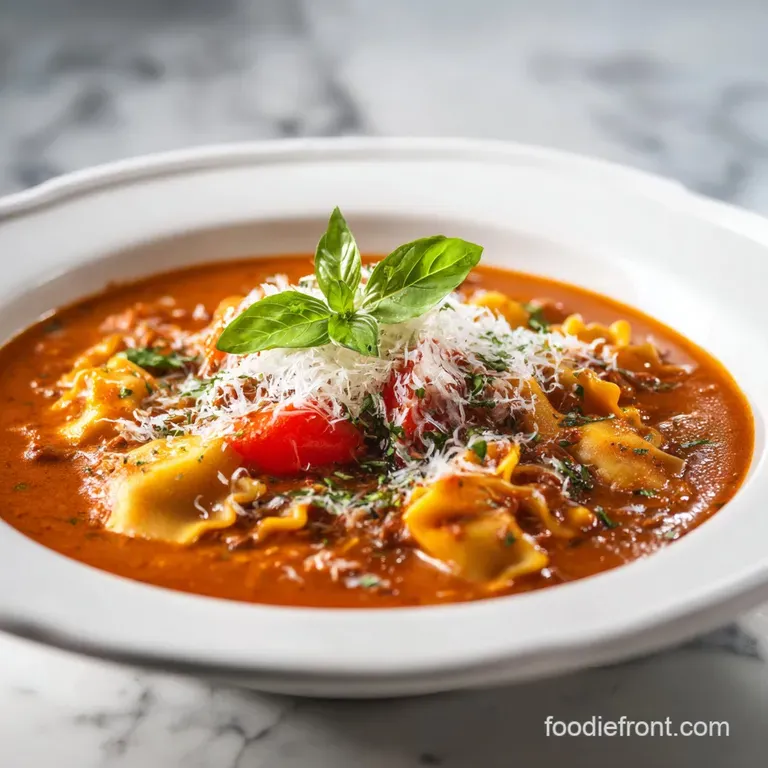
One of the biggest issues people have with this mouthwatering one pot lasagna soup is the "vanishing broth" mystery. You look at the pot, and it looks like soup, but ten minutes later, it looks like a casserole. This happens because those noodles are essentially sponges.
They will continue to soak up liquid even after you turn the heat off.
If you aren't serving the whole pot immediately, I actually recommend cooking the noodles separately and adding them to each bowl. But if you're doing the true one pot method for the flavor, just be prepared to add an extra cup of broth or even a splash of water when you go to reheat it.
It's an easy fix that saves the dish every time.
Troubleshooting Common Issues
| Issue | Solution |
|---|---|
| Soup turning into a thick stew | This is almost always due to the noodles releasing too much starch or sitting in the pot for too long after cooking. The noodles don't stop absorbing liquid just because the timer went off. If it gets |
| Why does my cheese mixture feel grainy | If you use pre shredded cheese from a bag, it's often coated in potato starch or cellulose to keep it from sticking together. This can prevent it from melting smoothly into the ricotta. For the silkie |
| Is the soup too acidic | Sometimes the combination of marinara and tomato paste can lean a bit too sour or sharp. This depends heavily on the brand of sauce you use. A tiny pinch of granulated sugar (about 1/2 teaspoon) can b |
Simple Ways to Modify Your Soup for Dietary Needs
Making a mouthwatering one pot lasagna soup for a crowd often means navigating different dietary needs. Luckily, the components are easy to swap. If you're looking for something a bit lighter, you can follow a similar flavor profile but use different proteins. For instance, my Marry Me Chicken Soup uses sun dried tomatoes and cream for a different but equally comforting vibe.
If you need to scale this recipe up for a party, remember that you don't want to just double the liquid and the noodles blindly. The more noodles you have in the pot, the more they will crowd each other and stick.
- Scaling Down (2 Servings): Use 1/3 lb meat and 3 cups of broth. Use a smaller pot so the liquid doesn't evaporate too fast.
- Scaling Up (12 Servings): Double everything, but keep an extra carton of broth on standby. You will likely need about 10% more liquid than a straight double because of the increased surface area for evaporation.
- gluten-free: Use a high-quality gluten-free lasagna noodle (like a brown rice version). Be aware that GF noodles often release more starch and can break apart more easily, so reduce the simmer time by 2 minutes and check them frequently.
- Vegetarian: Swap the meat for 1 lb of chopped mushrooms and a dash of liquid smoke or smoked paprika to mimic the savory depth of the sausage. Use vegetable broth as the base.
If you are going for a "Decision Shortcut," here is how to pivot: If you want it creamier, stir 1/4 cup of heavy cream into the broth at the very end. If you want it healthier, swap the beef for ground turkey and use part skim ricotta.
If you want it spicier, double the red pepper flakes and use "Hot" Italian sausage.
Smart Storage Solutions and Methods for Perfect Reheating
I'll be honest with you: the noodles in this soup will get very soft if they sit in the fridge overnight. Some people (like my husband) actually love that "soft pasta" vibe, but if you want to keep that mouthwatering one pot lasagna soup texture, you have to be smart about storage.
The best way to handle leftovers is to store the soup base and the cheese mixture separately. If you know you are going to have leftovers, try to ladle out the portion of soup you're going to eat and only add the noodles to that specific amount.
- Fridge: Store in an airtight container for up to 4 days. If the noodles have absorbed all the broth, add a splash of water or broth before microwaving.
- Freezer: You can freeze the meat and broth base (without noodles) for up to 3 months. I don't recommend freezing the soup with the noodles already in it, as they will turn to mush when thawed.
- Reheating: Use the stovetop over medium low heat. Avoid boiling it again, as this will overcook the already soft noodles. Just heat until it’s steaming.
- Zero Waste Tip: If you have leftover ricotta mixture, it's incredible spread on toast the next morning with a little sliced tomato and sea salt. Don't let that cheesy goodness go to waste!
Flavorful Side Dishes to Complete Your Hearty Family Meal
While this soup is a complete meal on its own, I usually serve it with something crunchy to contrast the soft noodles and creamy cheese. A simple side salad with a sharp vinaigrette is perfect for cutting through the richness of the sausage and ricotta.
It cleanses the palate and makes the next bite of soup taste just as good as the first.
If you are looking for another velvety experience, you might want to try my Mushroom Bisque recipe on another night. It has that same "comfort in a bowl" feeling but with an earthier tone.
- Garlic Bread: The ultimate companion. Use it to swipe up the last bits of melted cheese from the bottom of the bowl.
- Roasted Broccoli: Tossed with lemon and parmesan, it adds a nice bitter edge that balances the sweet tomato base.
- Arugula Salad: The peppery bite of arugula with a lemon olive oil dressing is the best way to brighten the meal.
- Breadsticks: Soft, pillowy breadsticks are great for kids who want to dip.
Debunking Common One Pot Cooking Myths
There's a big misconception that you "have to" boil the noodles in plain water first to get the best texture. That is simply not true for a soup! In fact, when you boil the noodles directly in the broth, they absorb all those savory flavors from the sausage and herbs. Plain water just makes them taste like...
well, plain water. The starch they release actually helps the soup feel more cohesive and rich.
Another myth is that you can't use "No Boil" noodles for this. While the texture is slightly different, you absolutely can use them if that's all you have. They tend to be thinner and cook much faster (usually in about 5-7 minutes), so just keep a close eye on the pot so they don't disintegrate.
The "one pot" rule is all about making your life easier, so don't let anyone tell you that you're doing it wrong by taking a shortcut!
Finally, many people think you need a long simmer time to get "deep" flavor. In this mouthwatering one pot lasagna soup, we get our depth from the browning of the meat and the blooming of the tomato paste. Those two steps do more for the flavor profile in five minutes than an hour of simmering ever could.
Trust the process, and don't feel like you have to slave over the stove all afternoon to get a "homemade" taste.
CRITICAL Sodium Alert
1480 mg 1480 mg of sodium per serving (64% 64% of daily value)
The American Heart Association recommends limiting sodium intake to less than 2,300mg per day, ideally aiming for about 1,500mg for most adults.
Tips to Reduce Sodium in Your Lasagna
-
Switch to Low-Sodium Broth-30%
Replace the 6 cups of regular broth with low-sodium chicken or beef broth. This is the biggest sodium culprit in this recipe.
-
Choose Lower Sodium Sausage-25%
Opt for 'no salt added' or 'low sodium' Italian sausage. If unavailable, drain and rinse regular sausage before browning to remove some excess salt.
-
Select 'No Salt Added' Marinara-20%
Use a 'no salt added' or 'low sodium' marinara sauce. Many commercial marinara sauces are very high in sodium.
-
Reduce Parmesan Cheese-15%
Lower the amount of grated Parmesan cheese from 0.25 cup to 1-2 tablespoons. Parmesan is quite salty.
-
Omit Added Salt-10%
Completely omit the 'Salt and Black Pepper to taste' step. The sausage, broth, marinara, and cheeses already contribute significant sodium.
-
Boost Flavor with Herbs and Spices
Enhance the flavor profile using plenty of fresh garlic, onion, dried oregano, red pepper flakes, and fresh basil. Consider adding other herbs like thyme or rosemary.
Recipe FAQs
How to prevent the soup from thickening into a stew?
Serve the soup immediately after the noodles reach an al dente texture. The starch from the pasta continues to absorb the broth even after the heat is turned off, so delaying service will inevitably thicken the consistency.
Is it true that I must use pre-shredded cheese for the topping?
No, this is a common misconception. Pre-shredded bags often contain anti caking agents like potato starch that cause a grainy texture; grating your own mozzarella and parmesan ensures the cheese mixture melts into a smooth, creamy consistency.
How to ensure the tomato paste adds deep flavor?
Cook the tomato paste with the garlic and spices for two full minutes until it turns a dark mahogany color. If you enjoyed mastering the flavor development here, apply this same caramelization technique to intensify the base of any savory dish.
Can I use a different type of meat for the base?
Yes, you can adjust the ratio of Italian sausage to lean ground beef as long as you maintain the total weight. The sausage provides essential fat and seasoning, while the beef adds a hearty texture to the broth.
How to properly brown the meat for the best depth?
Maintain medium high heat and avoid crowding the pot so the meat browns rather than steams. Allow the pieces to sit undisturbed until they develop a deep, crispy fond on the bottom of the Dutch oven, which provides the foundation for the soup's richness.
What is the secret to a perfect al dente noodle?
Simmer the broken noodles for exactly 10-12 minutes while stirring occasionally. Frequent stirring is necessary to ensure the pieces do not stick together or to the bottom of the pot as they hydrate.
How to fix the soup if it tastes too acidic?
Balance the flavor by adjusting the salt and pepper to taste at the very end. If the acidity remains too sharp, ensure you have fully browned your onions and tomato paste as directed, as these steps provide the natural sweetness needed to counteract the tomatoes.
One Pot Lasagna Soup
Ingredients:
Instructions:
Nutrition Facts:
| Calories | 718 calories |
|---|---|
| Protein | 34 g |
| Fat | 31 g |
| Carbs | 49 g |
| Fiber | 5 g |
| Sugar | 9 g |
| Sodium | 1480 mg |
