Marinated Artichoke Hearts
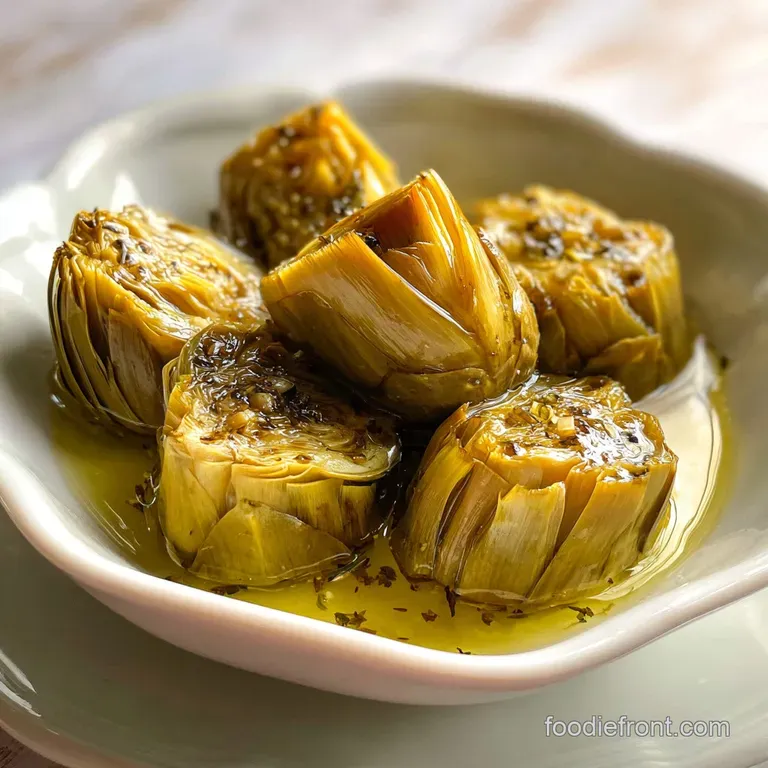
- Time: Active 10 minutes, Passive 5 minutes, Total 15 minutes
- Flavor/Texture: Zesty, herbaceous, and velvety
- Perfect for: Antipasto platters, quick weeknight pastas, or bold salad toppers
- Create Show Stealing Flavor With Marinated Artichoke Hearts
- Essential Stats for a Quick and Zesty Appetizer
- Selecting Components for a Vibrant Infused Oil Base
- Simple Kitchen Tools for Efficient Marinade Preparation
- Transforming Canned Hearts Into a Bold Flavor Explosion
- Common Mistakes That Ruin the Texture of Artichokes
- Innovative Ways to Personalize Your Herbaceous Infusion
- Maximizing Freshness Through Smart Storage and Leftover Hacks
- Creative Ways to Feature These Hearts Across Any Menu
- Resolving Texture and Taste Issues for Better Results
- Recipe FAQs
- 📝 Recipe Card
You know those soggy, muted artichokes you find in the back of the deli case? The ones floating in questionable oil that taste more like the tin can than actual food? We are ending that today.
Honestly, once you realize how easy it is to make marinated artichoke hearts that actually have a backbone of flavor, you will never look back at those overpriced jars again.
I remember the first time I tried to make these. I just dumped some cold oil and dried herbs over drained artichokes and wondered why it tasted so flat. It was a total miss. The secret isn't just in the ingredients, but in how we wake those ingredients up.
We are going for a bold, show stealing side that demands attention on your dinner table.
This recipe is about layering. We start with the structural foundation of the artichoke and build up with heat activated aromatics and a sharp, acidic finish. It’s the kind of thing you can whip up in 15 minutes, but people will swear you spent all afternoon hovering over a stove.
Let's get into the mechanics of why this works so well.
Create Show Stealing Flavor With Marinated Artichoke Hearts
The Science of Why it Works: Osmotic displacement occurs when the salt and vinegar pull residual water out of the artichoke fibers, creating space for the infused fats to move in. This ensures the marinade doesn't just sit on the surface but actually seasons the vegetable from the inside out.
- Lipid Infusion: Heating the garlic and red pepper flakes in olive oil releases fat soluble flavor compounds that stay trapped in the oil.
- Acidic Maceration: The white wine vinegar breaks down the tough cellulose in the artichoke leaves, resulting in a velvety texture.
- Enzymatic Inhibition: Lemon zest provides citric acid which acts as a natural antioxidant, keeping the artichokes looking vibrant rather than grey.
- Surface Area Maximization: Thinly slicing the garlic increases the contact points between the heat and the aromatic, ensuring a more pungent oil base.
Chef's Note: I always freeze my lemon for 10 minutes before zesting. It makes the peel firm enough that the grater creates tiny, sharp shards that melt into the marinade rather than clumping into a mushy paste. Also, try adding a tiny pinch of espresso powder if you ever use this marinade for mushrooms it sounds wild, but it adds an incredible savory depth.
Essential Stats for a Quick and Zesty Appetizer
When you're aiming for that bold flavor packed result, you need to know exactly what you're working with. This isn't a "measure with your heart" situation if you want that impeccable balance of tang and richness.
| Feature | Specification |
|---|---|
| Yield | 8 servings |
| Prep Time | 10 minutes |
| Cook Time | 5 minutes |
| Total Time | 15 minutes |
This recipe relies on the contrast between the briny canned hearts and the fresh, punchy aromatics. If you're looking for another bold addition to your appetizer spread, these would pair incredibly well with a Stuffed Cherry Peppers recipe to round out the plate.
Selecting Components for a Vibrant Infused Oil Base
Choosing the right items is half the battle. We aren't just looking for "stuff to throw in a bowl"; we are looking for ingredients that play specific roles in the flavor profile.
| Ingredient | Science Role | Pro Secret |
|---|---|---|
| Extra Virgin Olive Oil | Flavor Carrier | Use a peppery finishing oil for more "bite." |
| White Wine Vinegar | Texture Softener | High acidity cuts through the heavy fat of the oil. |
| Garlic Cloves | Aromatic Base | Slice paper thin to ensure even "blooming" in the heat. |
| Dried Oregano | Herbal Backbone | Rub between your palms to release the oils. |
For the Artichoke Base
We are using 2 cans (14 oz each) of artichoke hearts in water. Do not, under any circumstances, use the ones already packed in oil for this. We want a blank canvas. The water packed version allows us to control the fat quality and the seasoning profile from scratch.
For the Signature Marinade
The 1/2 cup of extra virgin olive oil is your vehicle. When paired with 3 tbsp of white wine vinegar, we get a ratio that is sharp enough to be refreshing but fatty enough to feel luxurious. The 1/2 tsp of red pepper flakes provides a background hum of heat without overwhelming the delicate flavor of the hearts.
Simple Kitchen Tools for Efficient Marinade Preparation
You don't need a high end lab to get this right, but a few specific tools make the process much smoother. I personally love using a small stainless steel skillet for the oil infusion because it allows me to see the color of the garlic changing in real time.
- Small Skillet: Essential for the 5 minute "bloom" of the garlic and spices.
- Whisk: To create a temporary emulsion between the vinegar and the oil before pouring.
- Glass Jar with Lid: Plastic tends to absorb the garlic smell forever; glass keeps the flavor packed liquid pure.
- Paper Towels: Your best friend for ensuring the artichokes don't bring extra water to the party.
If you don't have a dedicated zester, a fine hole box grater works, but be careful not to hit the bitter white pith of the lemon. We only want that bright, yellow outer layer.
Transforming Canned Hearts Into a Bold Flavor Explosion
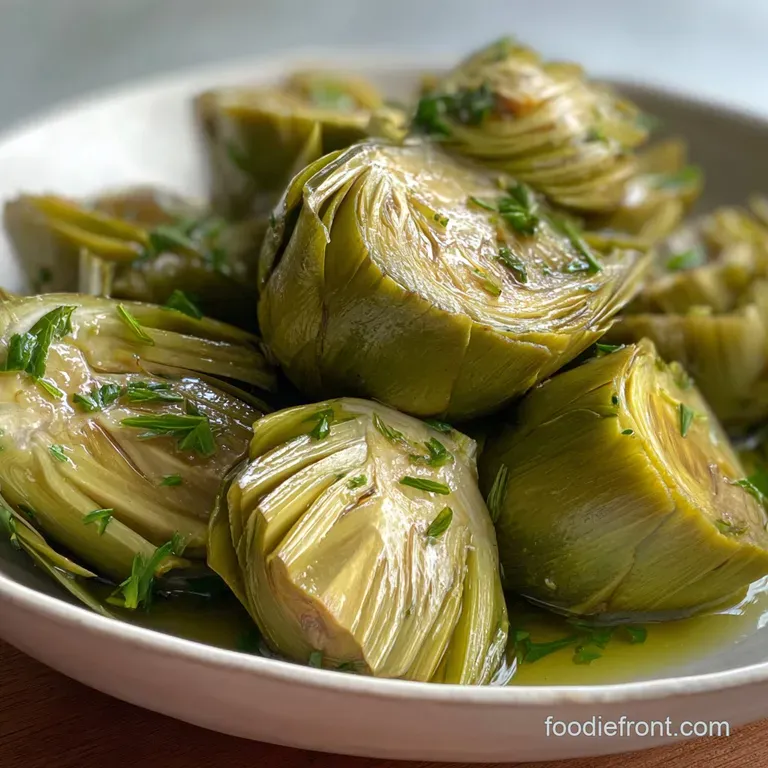
Let's crack on with the actual assembly. This is where the magic happens.
- Drain the hearts. Open the 2 cans (14 oz each) and pour them into a colander.
- Rinse thoroughly. Remove any "tinny" flavor by running cold water over them for 30 seconds.
- Dry completely. Pat the hearts with paper towels until they feel tacky, not slippery. Note: Excess water prevents the oil from sticking.
- Prep the garlic. Thinly slice 3 cloves of garlic until they are almost translucent.
- Heat the oil. Place 1/2 cup extra virgin olive oil in a skillet over medium low heat.
- Bloom the aromatics. Add the garlic, 1 tsp dried oregano, and 1/2 tsp red pepper flakes. Sizzle for 45 seconds until the garlic is fragrant but not browned.
- Combine acids. In a large bowl, whisk 3 tbsp white wine vinegar with 1/2 tsp sea salt.
- Whisk the infusion. Slowly pour the warm oil mixture into the vinegar, whisking constantly.
- Toss the artichokes. Gently fold in the dried hearts, ensuring every crevice is coated.
- Final aromatics. Stir in 1 tsp fresh lemon zest and 1 tbsp finely chopped flat leaf parsley until the green is evenly distributed.
The Desiccating Phase
Drying the artichokes is the step most people skip, and it’s why their marinade tastes watered down. If the hearts are wet, the oil will literally slide right off them. I like to let mine sit on a layer of paper towels for at least 5 minutes while I prep the other ingredients.
The Mellowing Period
While you can eat these immediately, they are better after sitting. The flavors need time to get to know each other. I find that a 12 hour rest in the fridge transforms the sharp vinegar and raw ish garlic into a cohesive, velvety sauce that clings to the leaves.
Common Mistakes That Ruin the Texture of Artichokes
Even with the best intentions, things can go sideways. The most common issue is texture nobody wants a mushy artichoke or one that feels like chewing on a twig.
Why Your Artichokes Tasted Metallic
This usually happens if you don't rinse the canned hearts long enough. The liquid they are packed in is often highly salted and acidic to keep them shelf stable, which can leave a "tinny" aftertaste. A deep rinse followed by the fresh lemon zest in our recipe fixes this instantly.
| Problem | Root Cause | Solution |
|---|---|---|
| Soggy Texture | Too much residual water | Pat dry with paper towels until tacky. |
| Muted Flavor | Spices didn't bloom | Ensure oil is warm before adding dried herbs. |
| Cloudy Marinade | Fridge was too cold | Let sit at room temp for 15 mins before serving. |
Why Your Garlic Turned Bitter
If the heat is too high, the garlic will brown or burn. Burnt garlic is the enemy of this dish. You want the oil to just barely shimmer. If the garlic starts to turn golden, pull the pan off the heat immediately. The residual heat will finish the job without ruining the flavor.
Innovative Ways to Personalize Your Herbaceous Infusion
Once you have the base down, you can start playing with the profile. This is where you make it yours.
| Original Ingredient | Substitute | Why It Works |
|---|---|---|
| White Wine Vinegar | Apple Cider Vinegar | Adds a fruitier, softer acidic punch. Note: Slightly sweeter finish. |
| Dried Oregano | Dried Thyme | Gives an earthier, more floral note to the marinade. |
| Sea Salt | Smoked Salt | Adds a subtle charred depth without a grill. |
For a Mediterranean Salad Twist
Try adding halved kalamata olives and some sun dried tomatoes to the mix. The extra salt from the olives plays off the tang of the marinated artichoke hearts perfectly. It’s an instant upgrade for any Greek style salad.
For a Zesty Creamy Dip Base
Take these marinated hearts, drain them (save the oil!), and pulse them in a food processor with some cream cheese and parmesan. Use a tablespoon of the marinade oil to loosen the mixture. It’s a flavor packed dip that puts the standard spinach artichoke version to shame.
Maximizing Freshness Through Smart Storage and Leftover Hacks
These hearts are a meal prep dream. Because they are preserved in oil and vinegar, they actually improve with a little age.
- Storage: Keep them in a glass jar in the fridge for up to 5 days.
- Freezing: I don't recommend freezing the marinated hearts as the texture of the leaves becomes mushy upon thawing.
- Reheating: These are best served cold or at room temperature. If you must use them in a warm dish, toss them in at the very last second.
Zero Waste Tip: Whatever you do, do not throw away that leftover oil! After you've eaten all the artichokes, that oil is liquid gold. It's infused with garlic, oregano, and lemon. Use it as a base for a vinaigrette, or better yet, use it to sauté chicken breasts.
It’s a built in flavor shortcut.
Creative Ways to Feature These Hearts Across Any Menu
These hearts shouldn't just sit in a bowl by themselves. They are designed to be team players.
- The Power Bowl Component: Toss these into a bowl of quinoa, roasted chickpeas, and fresh spinach. The marinade acts as the dressing for the whole bowl.
- The Ultimate Appetizer Crostini: Toast some baguette slices, spread a little ricotta, and top with a marinated heart and a drizzle of the oil.
- The Pasta Punch Up: Boil some penne, and while it's still hot, toss in the entire jar of hearts (oil and all). Add a handful of parmesan and some fresh cracked pepper.
Decision Shortcut: If you want maximum crunch, serve within 2 hours of making. If you want deepest flavor, let them sit for 24 hours. If you want a spicier kick, double the red pepper flakes to 1 tsp.
Resolving Texture and Taste Issues for Better Results
Sometimes, despite your best efforts, the fridge can do weird things to olive oil. Don't panic; it's just science doing its thing.
Why did my olive oil turn solid in the fridge?
high-quality extra virgin olive oil contains natural waxes that solidify at cold temperatures. If your jar looks like it’s filled with cloudy slush, just set it on the counter for 15 to 20 minutes. The oil will liquefy again, and the flavor will be completely unaffected.
My artichokes taste too sour what happened?
Balance is key. If the vinegar feels too aggressive, you can mellow it out by adding a tiny pinch of granulated sugar (about 1/4 tsp). This won't make it "sweet," but it will round off the sharp edges of the white wine vinegar.
Fresh versus Shortcut: Making the Choice
| Preparation | Pros | Cons |
|---|---|---|
| Fresh Artichokes | Impeccable firm texture | Takes 40+ mins to prep and trim. |
| Canned (In Water) | Flavor packed and ready in 15 mins | Slightly softer texture than fresh. |
Right then, you're ready to steal the show. This recipe for marinated artichoke hearts is your new secret weapon for parties, quick dinners, and everything in between. Trust me, once your friends taste the difference that "blooming" the spices makes, they’ll be asking for your "secret" brand.
You can tell them it's homemade or just keep them guessing!
Recipe FAQs
What to do with a jar of marinated artichoke hearts?
Use them as a flavorful addition to many dishes. They are perfect for antipasto platters, tossing into pasta or grain salads, topping crostini, or adding zest to power bowls.
Is eating marinated artichoke hearts good for you?
Yes, they offer some health benefits. Artichoke hearts are a good source of fiber and antioxidants. However, the marinade, often containing oil and vinegar, should be consumed in moderation as part of a balanced diet.
Do you rinse marinated artichoke hearts?
No, typically you do not rinse them if they are already marinated. The oil and seasonings are part of their flavor. If you're making your own marinade from canned hearts in water, then rinsing and drying them is crucial before marinating.
Can you eat marinated artichoke hearts straight from the jar?
Yes, absolutely. They are pre-cooked and marinated, making them ready to eat directly from the container as a snack or appetizer.
How long do marinated artichoke hearts last?
Store them in the refrigerator for up to 5 days. Ensure they remain submerged in their marinade to maintain freshness and flavor.
Can I use the oil from marinated artichoke hearts?
Yes, the infused oil is flavorful and useful. You can use it as a base for salad dressings, vinaigrettes, or to sauté other ingredients for an added flavor boost.
What's the difference between marinated and plain artichoke hearts?
Marinated artichoke hearts are packed in oil and seasonings, offering a ready-to-eat flavor. Plain artichoke hearts, often canned in water or brine, require marinating or cooking to add flavor and soften their texture.
Marinated Artichoke Hearts
Ingredients:
Instructions:
Nutrition Facts:
| Calories | 134 kcal |
|---|---|
| Protein | 1.0 g |
| Fat | 13.6 g |
| Carbs | 3.1 g |
| Fiber | 1.4 g |
| Sugar | 0.4 g |
| Sodium | 282 mg |
