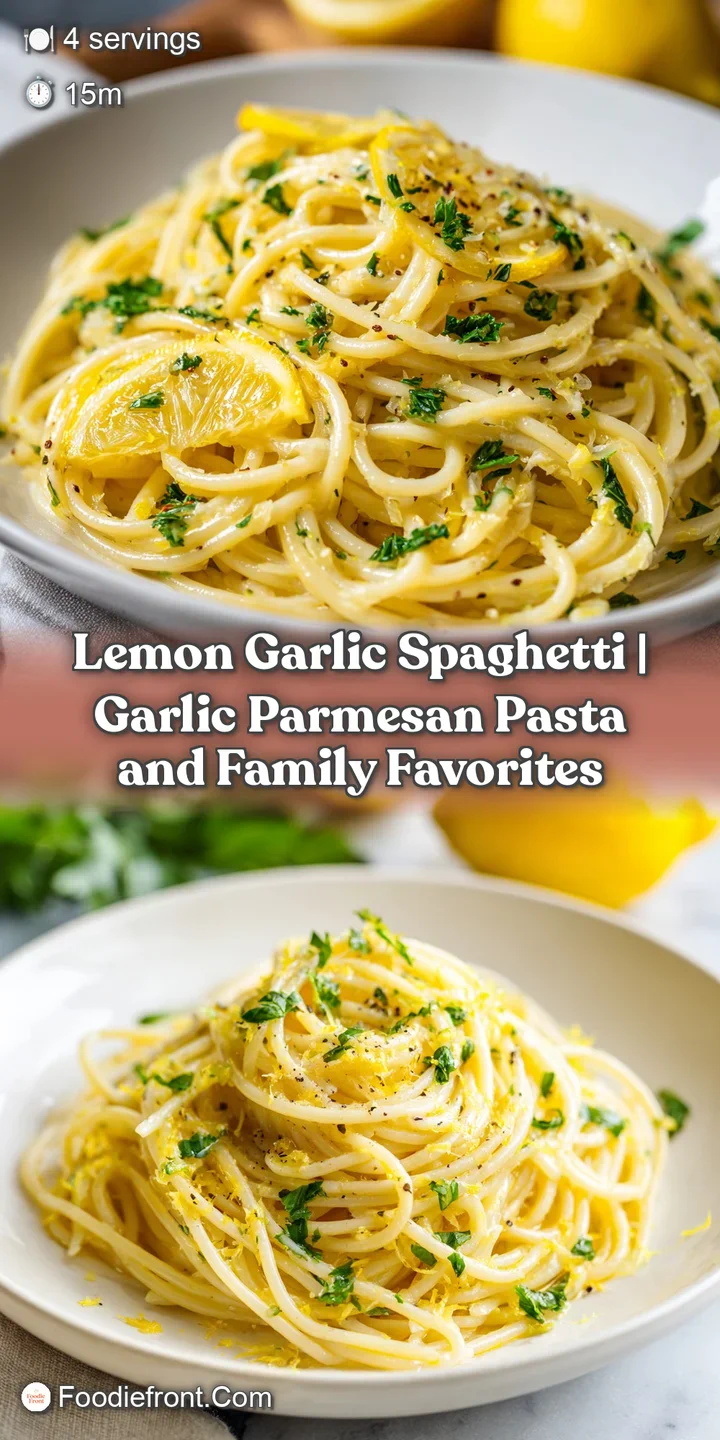
Lemon Garlic Spaghetti: Silky and Bright
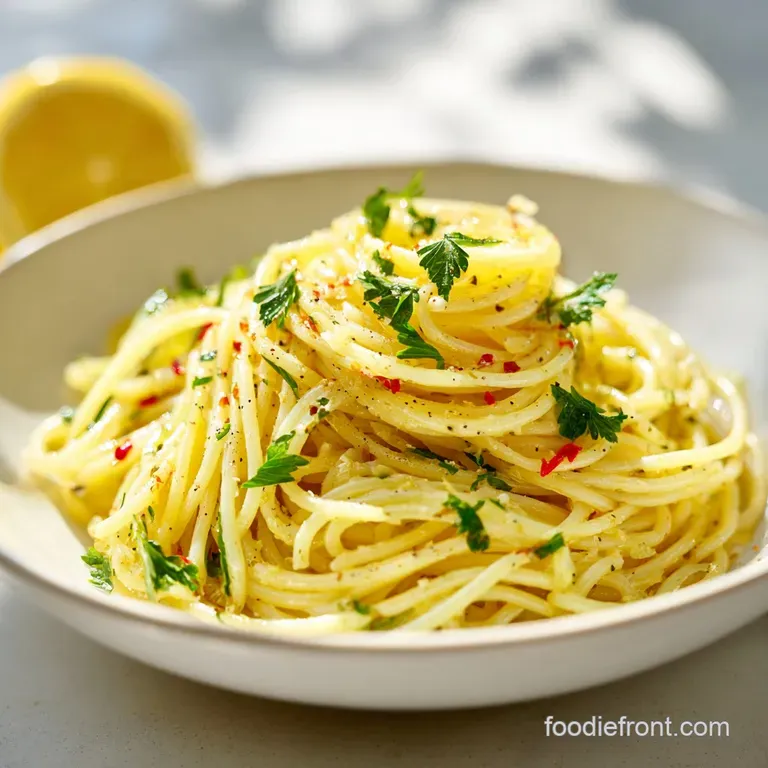
- Time: Active 5 minutes, Passive 10 minutes, Total 15 minutes
- Flavor/Texture Hook: Zesty, buttery, and bright with a silky finish
- Perfect for: Hectic weeknight dinners or a quick romantic meal for two
- Common Errors in Classic Lemon Garlic Spaghetti
- The Secret Behind the Perfect Pasta Emulsion
- Component Analysis of Key Pasta Elements
- Selecting Premium Ingredients for Your Pasta Dinner
- The Simple Tools for Better Pasta Performance
- Key Steps to Master This Lemon Garlic Spaghetti
- Troubleshooting Your Lemon Garlic Spaghetti Sauce Problems
- Scaling This Recipe for Crowds or Couples
- Creative Variations for Your Family Pasta Night
- Kitchen Myths About Pasta Water and Garlic
- Preservation Secrets for Maintaining Fresh Pasta Flavor
- Perfect Pairings for a Hearty Italian Meal
- Recipe FAQs
- 📝 Recipe Card
Common Errors in Classic Lemon Garlic Spaghetti
Have you ever wondered why some pasta dishes feel like a warm hug while others just feel like a pile of oily noodles? I remember one Tuesday night, back when I first moved into my own place, I tried to throw together a quick "scampi style" dinner for my family.
I figured I’d just toss some boiled noodles with oil, a mountain of garlic, and a squeeze of lemon. What I ended up with was a puddle of grease at the bottom of the plate and garlic that tasted like bitter charcoal because I’d cranked the heat way too high.
It was a disheartening mess, but it was also the exact moment I realized that "simple" doesn't mean "careless."
The magic of a truly great lemon garlic spaghetti isn't in a long list of fancy ingredients; it’s in the way those few ingredients interact. That night, I learned that lemon juice is a volatile friend if you cook it too long, the brightness vanishes, leaving only a dull sourness.
I also learned that "al dente" is a requirement, not a suggestion, especially when you plan on finishing the pasta in a skillet of sauce. This recipe is the result of years of tinkering to find that sweet spot where the garlic is sweet, the lemon is vibrant, and the sauce is so velvety you’ll want to swipe your finger across the pan to catch every last drop.
We’ve all been there, staring at the fridge at 6:00 PM with zero plan and a hungry house. This dish is my secret weapon for those moments. It’s hearty enough to satisfy a growing family but light enough that you don't feel like you need a nap immediately afterward.
It’s all about the "emulsion" that fancy word for making water and fat play nice together. When that starchy pasta water hits the cold butter and olive oil, it creates a creaminess that honestly feels like cheating because there’s no actual cream involved.
The Secret Behind the Perfect Pasta Emulsion
To get that silky, professional finish, we have to look at how the ingredients behave under heat. It’s not just about mixing things; it’s about timing and temperature. Here is exactly why this method creates a superior result every single time you step into the kitchen.
- Starch Suspension: By undercooking the spaghetti in the pot and finishing it in the skillet, the noodles release their surface starches directly into the sauce, acting as a natural thickening agent.
- Cold Fat Integration: Using cold, cubed butter instead of melted butter allows the fat to incorporate slowly into the liquid, creating a stable, glossy emulsion rather than a broken, greasy mess.
- Aromatic Bloom: Slicing the garlic thinly and cooking it over medium heat allows the oils to gently infuse with garlic flavor without the risk of the sulfurous compounds turning acrid or bitter.
- Zest vs. Juice Timing: Adding the zest early allows the heat to release the essential oils for a deep aroma, while adding the juice at the very end preserves the heat sensitive Vitamin C and bright acidity.
| Cooking Method | Total Time | Texture Outcome | Best For |
|---|---|---|---|
| Skillet Finish (This Recipe) | 15 minutes | Velvety, sauce coated strands | Maximum flavor and "cling" |
| Traditional Toss (Shortcut) | 12 minutes | Oily, separate sauce | Absolute emergency speed |
| One Pot Method | 20 minutes | Starchy, slightly gummy | Minimal cleanup at a texture cost |
While the shortcut method of just tossing everything in a bowl is tempting, the three extra minutes it takes to finish the pasta in the skillet is the difference between a "good" dinner and a "can I have seconds" dinner.
The skillet finish allows the pasta to actually absorb the flavors of the garlic and lemon rather than just having them sit on the surface.
Component Analysis of Key Pasta Elements
Every ingredient in this recipe serves a specific purpose. We aren't just adding things for the sake of it; we are building layers of flavor and texture that work in harmony. Let's look at the heavy hitters in your pantry.
| Ingredient | Science Role | Pro Secret |
|---|---|---|
| Cold Butter | Emulsifier and fat source | Keep it in the fridge until the very second you need to drop it into the pan. |
| Starchy Pasta Water | Binding agent | Salt your water like the sea; it provides the primary seasoning for the noodles. |
| Fresh Garlic | Aromatic base | Slice it into "paper thin" translucent rounds to ensure it melts into the sauce. |
| Parmesan Cheese | Umami and salt | Grate it yourself from a block; pre shredded cheese is coated in potato starch and won't melt smoothly. |
If you find yourself missing an ingredient, don't panic. This dish is forgiving, provided you maintain the balance of fat, acid, and salt. Just remember that if you change the fat (like swapping butter for more oil), the sauce will be less "creamy" and more "slick."
Selecting Premium Ingredients for Your Pasta Dinner
For this lemon garlic spaghetti, we want to focus on high-quality basics. Since there are so few components, the quality of your olive oil and your cheese really does matter. I always tell my friends to use the "good" olive oil the stuff you'd dip bread into for this dish.
- 1 lb Spaghetti dry: Use a high-quality bronze die pasta if you can find it. The rougher surface helps the sauce "grab" onto the noodle.
- 2 tbsp Kosher salt: This is for the boiling water. Don't be shy; most of it goes down the drain, but it’s your only chance to season the inside of the pasta.
- 1/4 cup Extra virgin olive oil: Look for something fruity and fresh.
- 4 tbsp Unsalted butter: Make sure it's cold and cubed into small pieces.
- 6 cloves Garlic: Fresh is non negotiable here. Why this? Pre minced jarred garlic has a metallic tang that ruins the delicate lemon balance.
- 1/2 tsp Red pepper flakes: Adjust to your family’s spice tolerance.
- 2 large Lemons: We need both the zest and the juice for maximum impact.
- 1 cup Freshly grated parmesan cheese: This acts as the "glue" for the sauce.
- 1/2 cup Fresh flat leaf parsley: Adds a hit of green freshness.
- 1/2 tsp Freshly cracked black pepper: The coarse grind provides little pops of heat.
| Original Ingredient | Substitute | Why It Works |
|---|---|---|
| Spaghetti | Linguine or Fettuccine | Similar surface area; both hold onto the buttery emulsion beautifully. |
| Butter | Heavy Cream (2 tbsp) | Provides the necessary fat for emulsification but changes the flavor profile to be richer. |
| Parmesan | Pecorino Romano | Hard sheep's milk cheese. Note: Much saltier, so reduce the added salt accordingly. |
| Fresh Parsley | Fresh Basil | Adds a sweeter, more peppery herb note that pairs lovely with lemon. |
If you are looking to round out the meal with more textures, you could try pairing this with a batch of Crispy Roasted Garlic Potatoes. The crunch of the potatoes against the silky pasta is a texture lover's dream.
The Simple Tools for Better Pasta Performance
You don't need a kitchen full of gadgets, but two specific items make this recipe significantly easier to execute without getting stressed.
- 12 inch Skillet: A large surface area is vital. You need enough room to toss the pasta vigorously without it flying over the sides. A wide skillet also allows the pasta water to reduce quickly, concentrating the starches.
- Microplane or Fine Grater: This is for the lemon zest and the cheese. You want the zest to be like dust so it integrates perfectly, and the parmesan needs to be a fine snow to melt instantly into the sauce.
Chef's Tip: Before you drain your pasta, use a coffee mug to scoop out at least two cups of that liquid gold (pasta water). You'll likely use about half a cup for the sauce, but having extra on hand is the best insurance policy against a dry dinner.
Key Steps to Master This Lemon Garlic Spaghetti
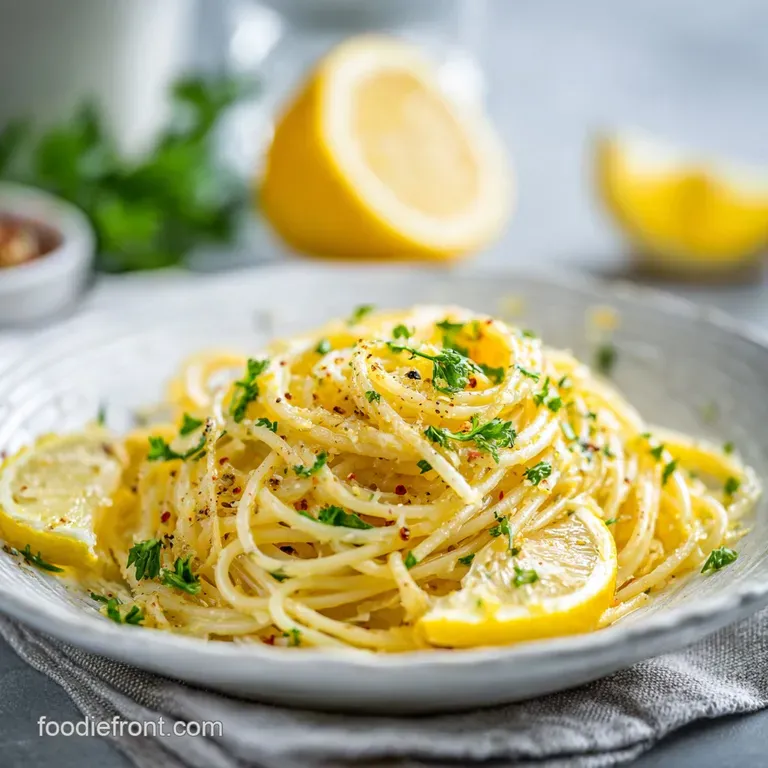
Let’s get cooking. The total time for this is only 15 minutes, so make sure your garlic is sliced and your lemons are zested before you even drop the pasta into the water. This is a fast moving process!
- Boil the water. Fill a large pot with water and add the 2 tablespoons of kosher salt.
- Cook the spaghetti. Drop the noodles and set a timer for 2 minutes less than the box says. Note: We want the center to still have a slight "snap" because it will finish cooking in the sauce.
- Heat the oil. In your 12 inch skillet, warm the olive oil over medium heat.
- Sauté the aromatics. Add the sliced garlic and cook until fragrant and pale golden brown. Do not let it turn dark brown, or it will taste bitter.
- Add the spice and zest. Stir in the red pepper flakes and lemon zest for 30 seconds to bloom their flavors.
- Start the emulsion. Add the cold cubed butter and one ladle (about 1/2 cup) of the starchy pasta cooking water to the skillet.
- Whisk the sauce. Swirl the pan or whisk until the butter melts and the liquid looks creamy and glossy.
- Transfer the pasta. Use tongs to move the undercooked spaghetti directly from the pot to the skillet.
- The final toss. Increase the heat to medium high. Add the lemon juice and grated Parmesan.
- Emulsify again. Toss vigorously for 1-2 minutes, adding a splash more pasta water if it looks dry, until the sauce clings to every strand.
- Finish and serve. Remove from the heat, fold in the parsley and black pepper, and serve immediately.
Troubleshooting Your Lemon Garlic Spaghetti Sauce Problems
Even with the best intentions, things can go sideways in the kitchen. Usually, it's a matter of heat control or timing. Here is how to fix the most common hiccups with this specific dish.
The Sauce is Oily or Separated
This usually happens if the pan is too hot when you add the butter, or if you didn't add enough pasta water. The water is the bridge between the oil and the noodles. If you see oil pooling at the bottom, add another splash of starchy water and toss vigorously.
The mechanical action of tossing helps "force" the oil and water to bond.
The Cheese is Clumpy
If your Parmesan turns into a rubbery ball instead of a smooth sauce, the heat was likely too high when you added it. Cheese proteins seize up at high temperatures. Always ensure there is enough liquid in the pan to buffer the heat, and keep the pasta moving constantly while adding the cheese.
| Problem | Root Cause | Solution |
|---|---|---|
| Bitter Taste | Garlic burned | Start over; you cannot fix burnt garlic once the oil is infused with its bitterness. |
| Dry Pasta | Absorbed all liquid | Add 1/4 cup more pasta water and a tiny knob of butter to restore the gloss. |
| Bland Flavor | Not enough salt or acid | Add a pinch of salt and a final tiny squeeze of fresh lemon juice just before serving. |
Common Mistakes Checklist: - ✓ Don't rinse your pasta! You need that surface starch to make the sauce stick. - ✓ Avoid "high" heat for the garlic; medium is the sweet spot for a gentle tan. - ✓ Use a block of Parmesan, not the green shaker can, for a smooth melt.
- ✓ Never discard all your pasta water until the dish is completely plated. - ✓ Use cold butter; it creates a more stable emulsion than room temperature butter.
Scaling This Recipe for Crowds or Couples
Scaling pasta can be tricky because the ratio of sauce to noodle changes as the volume increases. If you are cooking for a big family gathering or just a quiet night for one, follow these guidelines.
Scaling Down (for 1 or 2 people): When making a half batch, use a smaller 10 inch skillet. Since there is less liquid, it will evaporate much faster. Be extra generous with the pasta water to prevent the sauce from drying out before the noodles finish cooking.
You only need one small lemon for a half batch.
Scaling Up (for 8 people): Do not try to fit 2 lbs of spaghetti into one skillet unless it is a massive 14 inch pan. It’s better to work in two separate skillets. For spices and salt, don't just double them automatically.
Start with 1.5x the red pepper flakes and black pepper, then taste and adjust. Too much pepper in a large batch can become overwhelming.
Creative Variations for Your Family Pasta Night
While I love the purity of this lemon garlic spaghetti, sometimes the family wants a little extra "heft" to the meal. This recipe is a fantastic base for all sorts of protein additions.
- The Protein Power Up: Sauté some jumbo shrimp in the garlic oil before adding the pasta water. Remove them once pink, then add them back at the very end. This turns it into a classic Shrimp Scampi. For a different poultry twist, this pairs beautifully with Lemon Pepper Chicken sliced thinly on top.
- The Vegetable Boost: Toss in a handful of baby spinach or some sautéed asparagus spears during the final tossing phase. The residual heat will wilt the greens perfectly without making them mushy.
- The "Crunch" Factor: Toast some panko breadcrumbs with a little garlic and olive oil in a separate pan. Sprinkle these over the finished pasta for a "shatter" of texture that contrasts the velvety sauce.
| Fresh Approach | Shortcut Version | Flavor Impact |
|---|---|---|
| Fresh Squeezed Lemon | Bottled Lemon Juice | Fresh has a floral aroma; bottled is purely acidic and flat. |
| Whole Garlic Cloves | Pre minced Jarred Garlic | Fresh is sweet and nutty; jarred can be sour or metallic. |
| Fresh Flat Parsley | Dried Parsley Flakes | Fresh provides a bright "green" lift; dried is mostly for color. |
Kitchen Myths About Pasta Water and Garlic
Let's clear up some common misconceptions that might be holding your pasta game back.
- "Adding oil to the pasta water prevents sticking." This is a myth! All it does is make the noodles greasy, which prevents the sauce from sticking to them later. Just use a big pot of water and give the noodles a stir in the first 2 minutes.
- "Garlic needs to be browned to be flavorful." Actually, in a delicate sauce like this, "blonde" garlic is better. Deeply browned garlic becomes nutty and slightly bitter, which can overpower the bright, floral notes of the lemon.
- "You need cream to make a creamy sauce." This is the biggest myth of all. The combination of starch, fat (butter/oil), and agitation (tossing) creates a physical emulsion that is just as creamy as heavy dairy but much lighter on the palate.
Preservation Secrets for Maintaining Fresh Pasta Flavor
Pasta is always best the moment it leaves the pan, but we all have leftovers sometimes. Here is how to keep it from becoming a gummy block in the fridge.
Storage Guidelines: Place leftovers in an airtight container in the fridge for up to 3 days. I don't recommend freezing this dish. The emulsion will break when frozen and thawed, leaving you with greasy noodles and separated fat.
If you must freeze it, do so without the cheese and add fresh parmesan when reheating.
Reheating Tips: Never use the microwave for this pasta! It will melt the butter too quickly and leave you with a puddle of oil. Instead, put the pasta back in a skillet over medium low heat. Add 2 tablespoons of water or chicken broth and a tiny sliver of butter.
Toss gently as it warms through to "re emulsify" the sauce.
Zero Waste Tip: Don't throw away those lemon rinds after you've zested and juiced them! Throw them into a jar of white vinegar for two weeks to make a natural, citrus scented kitchen cleaner.
Or, if you have leftover parsley stems, toss them into a freezer bag to use for your next batch of homemade chicken stock.
Perfect Pairings for a Hearty Italian Meal
This lemon garlic spaghetti is a star on its own, but it loves company. To make this feel like a full family feast, I usually serve it with a big, crisp green salad dressed in a simple balsamic vinaigrette. The acidity in the salad helps cut through the buttery richness of the pasta.
If you're feeling extra hungry, a side of crusty ciabatta bread is essential for mopping up any leftover sauce on the plate. If you want to lean into the garlic theme, try serving it alongside Garlic Shrimp for a "surf and turf" vibe that feels incredibly special without requiring hours in the kitchen.
Trust me, once you master the "skillet toss" and the "butter emulsion," you'll never look at a box of pasta the same way again. It's about taking those simple, hearty ingredients and treating them with just a little bit of love. Your family will taste the difference, and you'll feel like a total pro.
Right then, let's get that water boiling!
Recipe FAQs
What pasta goes best with lemon garlic sauce?
Spaghetti is the ideal choice. Its long, thin shape provides the perfect surface area for the emulsified butter and lemon sauce to cling to without being overwhelmed.
What is lemon garlic pasta called?
It is commonly known as Spaghetti al Limone. While variations exist, this version focuses on a bright, emulsified sauce made from olive oil, butter, and fresh citrus.
Can you add lemon juice to spaghetti?
Yes, but timing is crucial. You must add the juice after the pasta has been transferred to the skillet to ensure the bright, acidic notes aren't cooked away by prolonged heat.
Is it good to mix garlic with lemon?
Yes, it is a classic flavor pairing. The sharp, aromatic bite of the garlic perfectly balances the high acidity of the lemon zest and juice.
How to prevent the sauce from breaking or looking oily?
Whisk a ladle of starchy pasta water with cold, cubed butter to create a stable emulsion. If you mastered this emulsification technique here, you can apply the same logic to combine fats and liquids in other sauce based dishes.
Is it true I must boil the pasta until fully cooked before adding it to the sauce?
No, this is a common misconception. You must cook the spaghetti two minutes less than the package instructions so it finishes cooking in the skillet with the sauce for better texture.
How to achieve the perfect golden garlic without burning it?
Cook the garlic slices over medium heat until they are just pale golden brown. Watch them closely, as garlic can transition from perfectly fragrant to bitter and burnt in seconds.
Lemon Garlic Spaghetti
Ingredients:
Instructions:
Nutrition Facts:
| Calories | 758 kcal |
|---|---|
| Protein | 24.7 g |
| Fat | 33.5 g |
| Carbs | 88.5 g |
| Fiber | 3.8 g |
| Sugar | 1.5 g |
| Sodium | 638 mg |
