Granny Smith Apple Pie Recipe
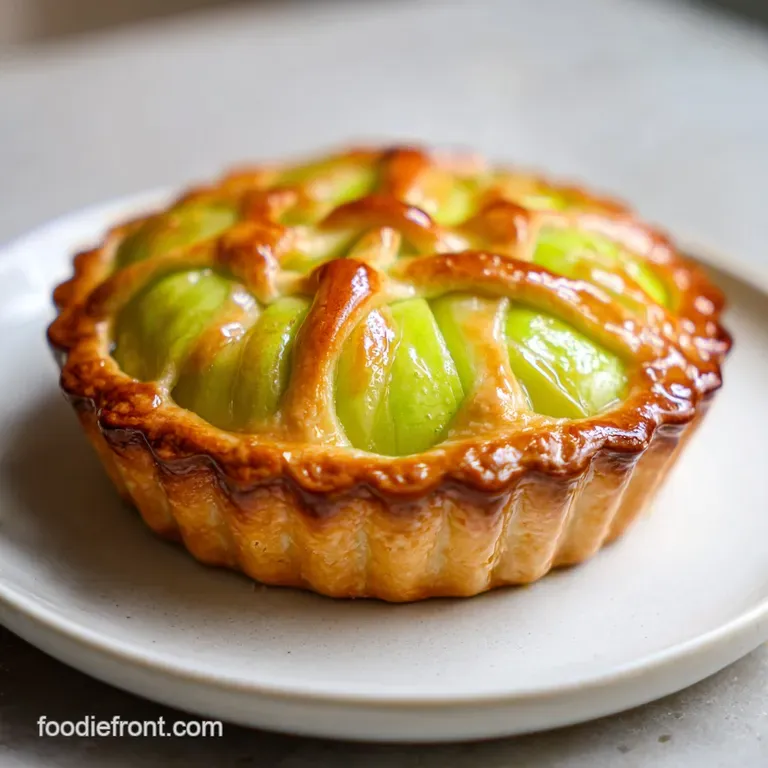
- Time: Active 45 mins, Passive 2 hours, Total 2 hours 45 mins
- Flavor/Texture Hook: Sharp tart fruit against a salty sweet, flaky pastry
- Perfect for: Sunday family dinners and holiday dessert spreads
- Mastering the Ultimate Granny Smith Apple Pie
- Why This Reliable Recipe Works
- Component Analysis: Selecting Pie Elements
- Minimal Tools for Great Results
- Essential Steps for Flaky Crust
- Avoiding Disasters and Soggy Bottoms
- Mix It Up with Variations
- Freezing and Reheating Your Pie
- What to Serve with Dessert
- Recipe FAQs
- 📝 Recipe Card
Mastering the Ultimate Granny Smith Apple Pie
Have you ever wondered why some pies look like a structural masterpiece on Instagram but turn into a watery soup the moment you slice them? I’ve spent countless Sunday afternoons scrubbing burnt apple juice off the bottom of my oven because I thought "any apple will do." Trust me, there is nothing more heartbreaking than a beautiful lattice crust slumping into a puddle of cinnamon flavored sadness.
It took a few failed experiments and a very messy kitchen to realize that the secret isn't just in the spices it’s in the fruit's structural integrity.
I remember my grandmother watching me peel a bag of soft Red Delicious apples once; she didn't say a word, just handed me a Granny Smith and told me to take a bite. That sharp, lip puckering tartness and the way the flesh almost snaps against your teeth?
That’s exactly what you need to survive a 200°C oven. This recipe is the result of years of "oops" moments, focusing on a filling that stays put and a crust that actually tastes like butter rather than just a flavorless container.
We’re going for that deep, comforting aroma that fills every corner of the house and brings everyone to the table before you’ve even set the plates.
Why This Reliable Recipe Works
Getting a consistent result every time comes down to how we handle the moisture and the temperature of our fats. We aren't just tossing fruit in a bowl; we are managing the pectin and the steam.
- The Pectin Power: Granny Smith apples are high in acid and pectin, which allows the slices to soften without losing their distinct shape or turning into applesauce.
- Cold Fat Lamination: By keeping the butter in distinct, chilled cubes, we create steam pockets that force the flour layers apart during the initial over high heat bloom.
- Starch Activation: The cornstarch binds with the released apple juices only once it reaches a simmer, creating a velvety glaze that holds the fruit together.
- Osmotic Extraction: Letting the apples sit with sugar before baking draws out excess water, which we then thicken so it doesn't soak the bottom crust.
| Thickness | Internal Temp | Rest Time | Visual Cue |
|---|---|---|---|
| 1/4 inch slices | 195°F (90°C) | 2 hours | Filling bubbles slowly in center |
| 1/2 inch slices | 200°F (93°C) | 3 hours | Crust is deep mahogany brown |
Giving your pie enough time to rest is probably the hardest part of this whole process, but it is non negotiable. If you cut into it while it's still steaming, the starches haven't finished setting, and all that liquid we worked so hard to manage will just run out. Much like my Sweet Potato Pecan recipe, the carryover heat does a lot of the heavy lifting for the final texture.
Component Analysis: Selecting Pie Elements
When you're baking for the family, you want ingredients that play their part perfectly without needing a chemistry degree to understand why. Each item in this list has a specific job to do for that final "shatter" and "snap."
| Ingredient | Science Role | Pro Secret |
|---|---|---|
| All Purpose Flour | Provides the gluten structure | Weigh it to avoid a dry, tough crust |
| Unsalted Butter | Creates flaky layers | Keep it "cold from the fridge" until the last second |
| Granny Smith Apples | Maintains structural integrity | Slice them thin but consistently for even cooking |
| Cornstarch | Thickens the fruit juices | Whisk with sugar first to prevent lumps |
For the crust, you'll need 2.5 cups all purpose flour Why this? Provides enough gluten for a sturdy lattice without being bread like., 1 cup unsalted butter that is chilled and cubed, 1 tbsp granulated sugar, 1 tsp fine sea salt, and 8 tbsp ice water.
The sugar in the crust isn't for sweetness; it’s for browning.
The heart of the pie requires 1.3 kg Granny Smith apples, peeled and sliced 1/4 inch thick. You’ll toss these with 0.75 cup light brown sugar Why this? The molasses adds a deep, caramel like undertone to the tart fruit., 0.25 cup granulated sugar, 1.5 tsp ground cinnamon, 0.5 tsp ground ginger, 1 tbsp fresh lemon juice, 2 tbsp cornstarch, and 2 tbsp unsalted butter to dot on top. If you find yourself with extra apples, you can always use them for a quick Recipe for Fried apples as a breakfast side.
Minimal Tools for Great Results
You don't need a pantry full of specialized gadgets to make a bakery quality Granny Smith Apple Pie. In fact, over processing the dough with a heavy machine is the fastest way to get a tough, cardboard like crust. I prefer the "minimalist" approach because it gives you a better feel for the ingredients.
- Large Mixing Bowl: Plenty of room to toss the apples without bruising them.
- Pastry Cutter or Two Forks: To cut the butter into the flour manually.
- Rolling Pin: A simple heavy wooden one works best for even pressure.
- 9 inch Pie Dish: Glass or ceramic is great for seeing the browning on the bottom.
- Sharp Chef's Knife: Essential for those consistent 1/4 inch apple slices.
Using your hands to rub the butter into the flour is actually a great trick. You can feel when the butter chunks are the size of peas, which is the "sweet spot" for flakiness. If the butter starts to feel greasy or soft, just pop the whole bowl in the fridge for ten minutes.
It's a simple fix that saves the entire bake.
Essential Steps for Flaky Crust
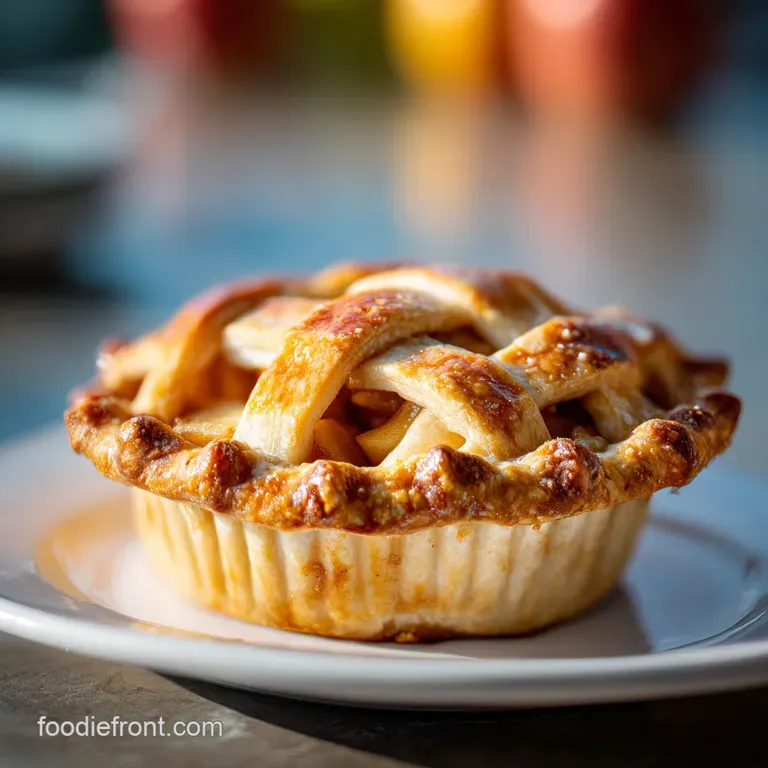
1. Constructing the Architectural Crust
Whisk the 2.5 cups flour, 1 tbsp sugar, and 1 tsp salt in your bowl. Add the 1 cup chilled butter and work it in until the mixture looks like coarse crumbs with some pea sized lumps.
Drizzle in the 8 tbsp ice water one tablespoon at a time, tossing with a fork until the dough just holds together when squeezed. Note: Don't overwork it; those visible butter streaks are what make it flaky.
2. The Chilled Rest
Divide the dough into two disks, wrap them tightly, and chill for at least 1 hour. Note: This allows the gluten to relax so the crust doesn't shrink in the oven.
3. Slicing the Foundation
Peel, core, and slice your 1.3 kg Granny Smith apples into 1/4 inch thick wedges. The slices should be uniform to ensure they all soften at the same rate.
4. The Maceration Process
Toss the apples with 0.75 cup brown sugar, 0.25 cup granulated sugar, cinnamon, ginger, lemon juice, and 2 tbsp cornstarch. Let them sit for 15 minutes until a glossy syrup forms at the bottom.
5. Rolling and Fitting
Roll out the first disk on a floured surface to about 12 inches. Fit it into the pie dish, leaving an inch of overhang. Avoid stretching the dough as this causes it to snap back and slump during baking.
6. Filling the Mound
Pour the apple mixture into the crust, piling them high in the center. Dot the surface with the remaining 2 tbsp butter. Note: The apples will shrink significantly as they cook, so a tall mound prevents a gap under the top crust.
7. The Lattice Seal
Roll out the second disk and cut into strips or place as a solid sheet with vents. Press the edges firmly together to create a tight seal that prevents juice leakage.
8. The over High heat Bloom
Bake at 200°C for the first 20 minutes. Note: This high heat sets the crust's shape quickly before the butter can simply melt away.
9. The Golden Finish
Lower the temperature to 180°C and bake for another 40 minutes until the crust is deep golden and the filling bubbles. If the edges brown too fast, cover them with foil.
10. The Patience Phase
Remove from the oven and let it cool on a wire rack for at least 2 hours. Wait until the dish is barely warm to the touch before slicing to ensure the filling has set into a velvety consistency.
Avoiding Disasters and Soggy Bottoms
The most common heartbreak with a Granny Smith Apple Pie is the "soggy bottom." This usually happens when the oven isn't hot enough at the start or the apples release too much liquid too fast. If you see the bottom of your pie looking pale while the top is dark, your heat distribution is off.
Why Your Crust Is Tough
A tough crust is almost always the result of over mixing or using too much water. When you work the dough, gluten develops. Too much gluten makes the pastry chewy instead of flaky. Always use ice cold water literally put ice cubes in the water to keep the butter from melting into the flour.
We want the butter to stay as a solid until it hits the oven.
| Problem | Root Cause | Solution |
|---|---|---|
| Liquid leaks out | Improper edge seal | Crimp edges tightly with a fork or fingers |
| Bottom is doughy | Low bottom heat | Bake on the lowest oven rack or use a preheated baking sheet |
| Apples are crunchy | Slices too thick | Stick to 1/4 inch (6mm) slices for even softening |
Common Mistakes Checklist
- ✓ Always use chilled butter; if your kitchen is hot, chill your flour too.
- ✓ Don't skip the lemon juice; it prevents browning and balances the sugar.
- ✓ Never cut the pie while hot; the cornstarch needs to cool to thicken properly.
- ✓ Avoid over flouring your surface when rolling; it can make the crust dry.
- ✓ Use a glass pie plate if you're a beginner so you can check the bottom color.
Mix It Up with Variations
Once you’ve mastered the classic Granny Smith Apple Pie, you can start tweaking it to fit your family's preferences. One trick I love is adding a handful of cranberries during the holidays for a pop of color and extra tartness. It’s a simple change that makes the dish feel festive without adding extra work.
If you are looking for a different texture, you can swap the top crust for a crumble. Check out the topping on my Apple Crisp With Oats recipe for inspiration it’s essentially butter, oats, and brown sugar rubbed together. It provides a lovely crunch that contrasts beautifully with the soft apples.
- Salted Caramel Twist: Drizzle 2 tablespoons of salted caramel sauce over the apples before adding the top crust.
- The Vermont Special: Add 1/2 cup of shredded sharp cheddar cheese into your flour mixture before adding the butter for a savory, salty crust.
- gluten-free Adaptation: Use a high-quality 1:1 gluten-free flour blend and add 1/2 tsp of xanthan gum if your blend doesn't include it.
| Traditional Method | Fast Track Method | Result Difference |
|---|---|---|
| Homemade chilled pastry | store-bought refrigerated crust | Homemade is flakier; store-bought is thinner |
| 2 hour room temp rest | 30 minute fridge rest | Room temp rest allows better flavor development |
| Hand sliced apples | Food processor slicing | Hand sliced stays firmer; processor can be too thin |
Freezing and Reheating Your Pie
This pie is a meal prep dream because it freezes incredibly well, either before or after baking. If you want to get ahead for the holidays, assemble the entire pie (don't do the egg wash yet), wrap it tightly in double layers of plastic wrap and foil, and freeze for up to 3 months.
When you're ready to eat, bake it straight from frozen just add about 15-20 minutes to the total baking time.
For leftovers, keep the pie at room temperature for up to 2 days covered with a clean kitchen towel. If you need it to last longer, the fridge will keep it safe for 4-5 days, though the crust will lose some of its "shatter." To bring that crispiness back, don't use the microwave.
Instead, pop a slice into a 175°C oven for 10 minutes.
Zero Waste Tips
Don't throw away those apple peels and cores! I toss them into a small pot with a cinnamon stick, a splash of water, and a bit of honey. Simmer it for 20 minutes, strain it, and you have a beautiful homemade apple syrup for pancakes or tea.
Even the dough scraps can be rolled out, sprinkled with cinnamon sugar, and baked for 10 minutes as "pie fries" for the kids to snack on while the main pie cools.
What to Serve with Dessert
A Granny Smith Apple Pie is a powerhouse on its own, but the right pairing can turn a simple slice into a full experience. In my house, a scoop of high-quality vanilla bean ice cream is mandatory. The way the cold cream melts into the warm cinnamon syrup is pure magic.
If you want something a bit more sophisticated, a dollop of unsweetened crème fraîche or a slice of sharp white cheddar cheese on the side provides a perfect salty counterpoint to the sugar.
If you're serving this at a larger gathering, it pairs beautifully with other rustic desserts. I often put it out alongside my Applesauce Oatmeal Cookies recipe for those who want a smaller hand held treat. For drinks, a hot mulled cider or a dry Riesling works wonders. The acidity in the wine mimics the tartness of the Granny Smiths, keeping your palate refreshed between those rich, buttery bites. Just remember to let the pie be the star; everything else is just the supporting cast for that incredible, flaky crust.
Chef's Tip: If your crust is browning too quickly but the filling isn't bubbling yet, place the pie on the lowest rack and turn the heat down by 10 degrees. This protects the top while finishing the bottom.
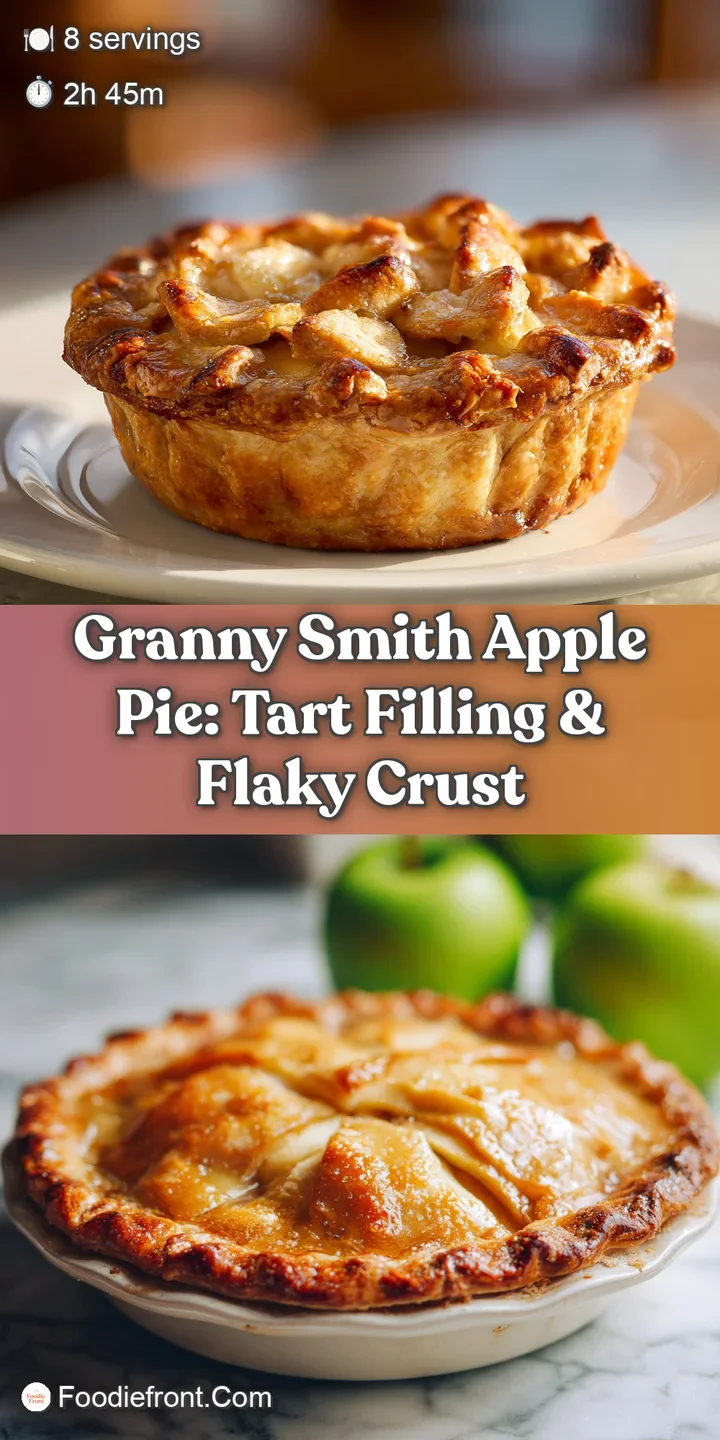
Recipe FAQs
Are Granny Smith apples good for apple pies?
Yes, they are the ideal standard. Their high pectin content and sharp tartness ensure the filling sets up nicely and doesn't turn to mush, providing the necessary structural integrity against the heat.
Can I use Granny Smith apples instead of generic cooking apples?
Yes, substitute confidently. Granny Smiths are the benchmark for tartness and texture in baking, meaning they often outperform milder or sweeter varieties that break down too quickly.
What is a Granny Smith apple good for?
They are excellent for baking and salads. Their crisp texture resists softening during cooking, and their bright acidity cuts through rich flavors, much like the balancing act required in our Roasted Beet Salad recipe.
What two apples make a Granny Smith?
No single apple combination perfectly replicates it. The Granny Smith apple is a specific cultivar that resulted from a chance seedling discovered in Australia, known for its unique combination of acid and firmness.
How do I prevent my apple pie filling from being watery?
Macerate the apples first and use enough starch. Let the sliced apples sit with sugar for 15 minutes to draw out excess liquid, then drain and reserve that liquid to thicken separately before combining it all back.
How should I slice apples for the most consistent pie?
Slice uniformly to 1/4 inch thickness. Use a sharp knife or mandoline to ensure every piece softens at the same rate, preventing some wedges from being mushy while others remain too hard.
How long must an apple pie rest after coming out of the oven?
Rest the pie for a minimum of two hours on a wire rack. This critical cooling time allows the starches in the filling to fully set; cutting it hot will release liquid and deflate the structure.
Granny Smith Apple Pie
Ingredients:
Instructions:
Nutrition Facts:
| Calories | 544 kcal |
|---|---|
| Protein | 3.9 g |
| Fat | 25.6 g |
| Carbs | 75.7 g |
| Fiber | 4.1 g |
| Sugar | 42.3 g |
| Sodium | 252 mg |
