Aromatic Turkey Brine for Moist Results
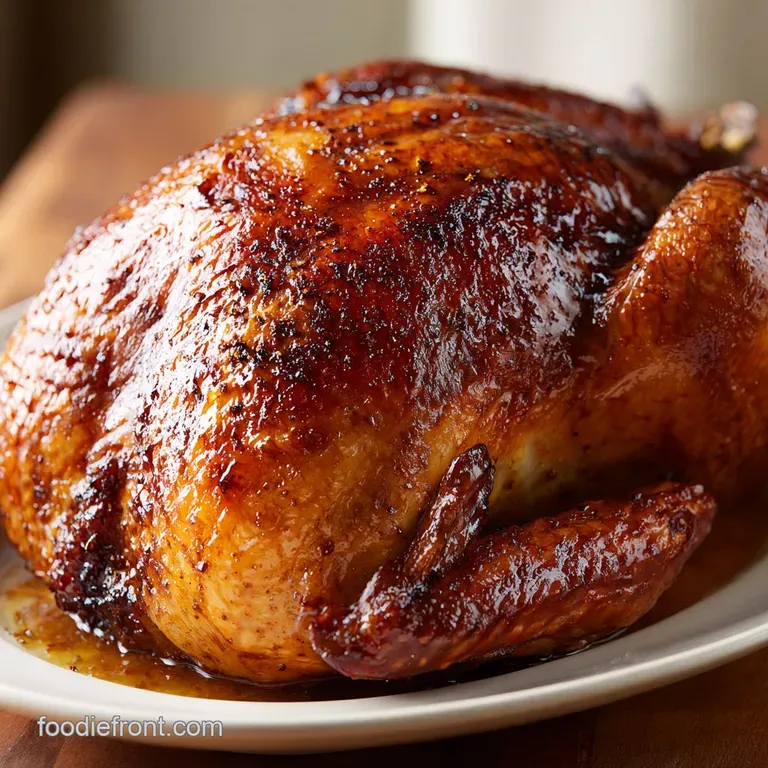
- Time: Active 15 minutes, Passive 10 mins, Total 25 mins
- Flavor/Texture Hook: Savory sweet infusion with velvety meat
- Perfect for: Stress free family holiday dinners
- The Comfort of Juicy Meat
- Selecting the Best Aromatic Elements
- Timing Your Holiday Prep Right
- Essential Tools for a Mess Free Brine
- Mastering the Chill and Soak Process
- How to Prevent Overly Salty Meat
- Adapting the Flavor to Your Taste
- Storing Your Bird and Using Scraps
- The Best Ways to Present Turkey
- Very High in Sodium
- Recipe FAQs
- 📝 Recipe Card
I still remember the "Great Turkey Disaster" of 2012. I followed a recipe that promised a golden bird, but when I carved into it, the meat was so dry it practically turned to dust on the plate. We ended up drowning our portions in gravy just to make them swallowable.
It was heartbreaking after spending all day in the kitchen, and that was the moment I realized I had to figure out how to actually lock moisture into the meat.
Since then, I’ve experimented with every method under the sun, but nothing beats this specific Turkey Brine. The first time I tried it, the aroma of simmering apple cider, fresh rosemary, and sliced oranges filled the whole house, smelling like a warm hug.
When the turkey finally came out of the oven, the skin didn't just look good; the meat underneath was so juicy it practically glistened. It’s become a non negotiable part of our family tradition, and I’m never going back to a plain roasted bird.
Trust me on this one, once you see how easy it is to avoid a dry, flavorless dinner, you'll be the designated turkey pro for every family gathering. We aren't doing anything experimental here, just using reliable steps to make sure your hard work pays off.
You've got this, and your family is going to be talking about this meal until next year.
The Comfort of Juicy Meat
Preparing a holiday meal can feel like a lot of pressure, but this recipe is designed to be your safety net. By taking a few minutes to prep this soak, you’re basically insuring your bird against the dry heat of the oven.
It’s the ultimate way to show love through food, ensuring everyone leaves the table feeling full and happy.
This isn't just about moisture, though; it's about building layers of flavor that a simple sprinkle of salt just can't achieve. The combination of sweet cider and citrus creates a balanced profile that makes even the leftovers taste spectacular. If you find yourself with extra meat the next day, it works beautifully in a Ground Turkey Stroganoff recipe for a quick follow up dinner.
The Physics of the Plump: Through osmosis, the salt carries water and aromatics deep into the protein cells, seasoning the bird from the inside out. At the same time, the salt denatures the muscle fibers, preventing them from tightening and squeezing out moisture during roasting.
- Osmotic Balance: Salt draws liquid into the meat, increasing the weight and total moisture content before it even hits the heat.
- Protein Relaxation: The brine breaks down tough proteins, ensuring a tender, velvety texture in the breast meat.
- Flavor Infusion: Fat soluble aromatics like rosemary and sage dissolve into the brine, coating every fiber with herbal notes.
- Sugar Caramels: The brown sugar in the mix helps the skin achieve a beautiful color without burning too quickly.
| Thickness (Turkey) | Internal Temp | Rest Time | Visual Cue |
|---|---|---|---|
| Whole 7 kg bird | 74°C (165°F) | 30-45 mins | Juices run clear |
| Whole 10 kg bird | 74°C (165°F) | 45-60 mins | Leg moves easily |
| Bone in Breast | 74°C (165°F) | 15-20 mins | Meat is opaque |
Adding a resting period after roasting is just as vital as the brine itself. If you cut into it too soon, all that moisture we worked so hard to trap will just run out onto the cutting board. Give it time to settle, and you'll be rewarded with the best texture imaginable.
Selecting the Best Aromatic Elements
When we talk about the components of a great soak, it’s all about the balance of salt, sweet, and aromatics. Each piece plays a specific role in the final outcome. For this recipe, we are sticking to accessible ingredients that you can find at any local shop, keeping things practical and comforting.
Component Analysis
| Ingredient | Science Role | Pro Secret |
|---|---|---|
| Kosher Salt | Moisture Retention | Always use Kosher; it dissolves cleaner than table salt. |
| Apple Cider | Acid & Sugar | The acidity helps tenderize the skin for a better bite. |
| Fresh Oranges | Aromatics | Squeezing the slices slightly before adding releases more oils. |
For the best results, use these exact quantities to ensure the salt to water ratio is safe for the meat.
- 2 cups (480g) Kosher salt: Why this? Essential for the osmosis process that seasons and moistens the meat. (Substitute: 1 cup table salt, but Kosher is preferred for purity).
- 1 cup (200g) Light brown sugar, packed: Why this? Balances the salt and encourages browning on the skin. (Substitute: Granulated sugar or maple syrup).
- 4 cups (950ml) water: Why this? The base for dissolving your salt and sugar. (Substitute: Vegetable stock for extra depth).
- 4 cups (950ml) unsweetened apple cider: Why this? Adds a fruity acidity that complements the poultry perfectly. (Substitute: Unsweetened apple juice).
- 3 tbsp (25g) whole black peppercorns: Why this? Provides a subtle, woody heat that permeates the meat. (Substitute: 1 tbsp cracked black pepper).
- 5 dried bay leaves: Why this? Adds a subtle floral and herbal background note. (Substitute: Fresh bay leaves).
- 1 head garlic, halved crosswise: Why this? Infuses a savory backbone without being overwhelming. (Substitute: 2 tbsp garlic powder).
- 1 bunch fresh rosemary: Why this? The classic "holiday" scent that defines a roasted bird. (Substitute: 2 tbsp dried rosemary).
- 1 bunch fresh sage: Why this? Earthy and warm, it pairs perfectly with the poultry oils. (Substitute: 1 tbsp dried rubbed sage).
- 2 large oranges, sliced into rounds: Why this? Brightens the flavor and adds a touch of citrus sweetness. (Substitute: 2 lemons or 1 grapefruit).
- 1 gallon (3.8L) ice cold water: Why this? Dilutes the concentrate and keeps the bird at a safe temperature. (Substitute: Extra apple juice for a sweeter bird).
- 1 gallon (3.8L) ice cubes: Why this? Instantly drops the temperature of the hot brine base. (Substitute: More ice cold water if you lack ice).
- 16 lb (approx 7.2kg) whole turkey: Why this? The center piece, fully thawed for even salt absorption. (Substitute: Two large turkey breasts).
Timing Your Holiday Prep Right
One of the biggest mistakes I see is people starting their brine too late. You really want to give the salt time to work its magic. A 7.2kg bird needs a good long soak, but don't overdo it, or the meat can start to get a bit "hammy" in texture.
| Item | Weight/Volume | Temperature | Checkpoint |
|---|---|---|---|
| Brine Base | 1.9 Liters | 100°C (Boil) | Salt fully dissolved |
| Chill Step | 7.6 Liters | Below 4°C | Cold to the touch |
| Turkey | 7.2 kg | 4°C (Fridge) | Fully submerged |
If you are cooking for a smaller crowd and want to skip the whole bird, you could use this same logic for a Bone in Turkey Breast recipe which takes much less time and space in the fridge. It's all about making the recipe work for your specific needs and tools.
Essential Tools for a Mess Free Brine
You don't need a professional kitchen to pull this off, but having the right vessel makes a world of difference. I usually use a dedicated 5 gallon food safe bucket or an extra large stockpot that fits comfortably in my fridge.
- Large Stockpot: This is for simmering your concentrate. It needs to hold at least 4-6 liters comfortably.
- Brining Bag or Food Safe Bucket: Something large enough to hold the bird and about 10 liters of liquid.
- Long Spoon: For stirring the salt and sugar until they disappear into the liquid.
- Space in the Fridge: This is the most "minimal tool" requirement you just need a cleared out shelf!
- Paper Towels: You'll need plenty of these to pat the bird dry after its soak.
Chef's Tip: If you don't have a bucket, a clean cooler works great! Just make sure to keep it packed with ice around the brining bag to maintain a safe temperature below 4°C.
Mastering the Chill and Soak Process
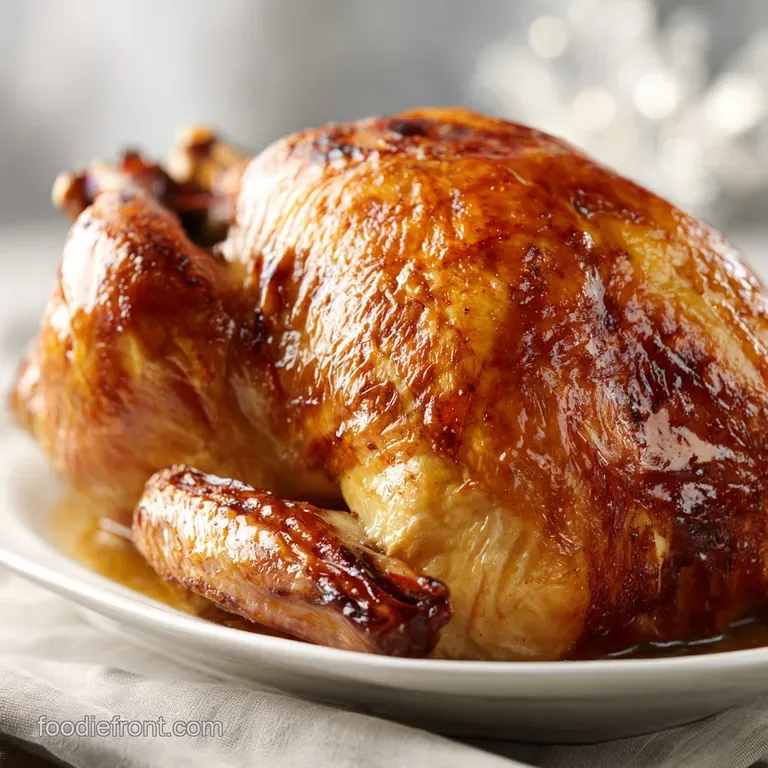
- Boil the concentrate. Combine 4 cups (950ml) water, 4 cups (950ml) apple cider, salt, and brown sugar in your stockpot. Note: Heating the liquid is the only way to ensure the salt and sugar fully dissolve for an even brine.
- Add the aromatics. Toss in the peppercorns, bay leaves, garlic, rosemary, and sage once the liquid is hot.
- Steep the flavors. Let the mixture simmer for 5 minutes until the kitchen smells fragrant and earthy.
- Cool it down. Remove from heat and stir in the orange slices.
- Add the ice. Pour the hot concentrate into your large brining container and add the gallon of ice cubes. Note: This is a shortcut that cools the liquid instantly so you don't have to wait hours.
- Dilute the mix. Add the 1 gallon (3.8L) of ice cold water and stir until the liquid feels icy to the touch.
- Prep the bird. Remove the giblets and neck from the 16 lb (7.2kg) turkey and rinse it if desired.
- Submerge the turkey. Lower the bird into the liquid, breast side down. Note: The breast meat is the most prone to drying out, so it needs the most contact with the brine.
- Refrigerate and wait. Let the turkey soak for 12-24 hours. Ensure the bird stays below 4°C the entire time.
- Dry before roasting. Remove the bird, discard the liquid, and pat the skin completely dry with paper towels.
| Fresh | Shortcut | Flavor Impact |
|---|---|---|
| Whole Fresh Herbs | Dried Herbs | Fresh is much more vibrant; dried can be a bit dusty. |
| Fresh Cider | Apple Juice | Juice is sweeter and lacks the complex tannins of cider. |
| Hand Sliced Oranges | Bottled OJ | Slices add essential oils from the peel that juice misses. |
After the bird has soaked, it’s ready for the oven. If you’re looking for a simpler version for a smaller family, you might enjoy a Turkey Breast and recipe which can be done in a slow cooker, though you'll miss out on that crispy oven baked skin we love so much.
How to Prevent Overly Salty Meat
The biggest fear with brining is ending up with a salt lick instead of a dinner. This usually happens for two reasons: leaving it in too long or using a bird that was already "pre brined" or "enhanced" with a salt solution at the grocery store.
Why Your Turkey is Too Salty
If your bird comes out tasting like the ocean, it’s usually because the salt concentration was too high or the soak exceeded 24 hours. Always check the turkey packaging for words like "injected with up to 10% solution" if you see that, cut the salt in this recipe by half.
Why Your Skin Isn't Crispy
A wet bird will never get crispy skin. If you move the turkey straight from the liquid to the oven, the moisture will turn to steam, resulting in rubbery skin. The fix is simple: pat it dry, then let it sit uncovered in the fridge for an hour before roasting.
| Problem | Root Cause | Solution |
|---|---|---|
| Rubbery Skin | Excess surface moisture | Pat dry with paper towels and air dry in the fridge. |
| Mushy Texture | Brined for too long | Limit soak time to 24 hours maximum for a 16lb bird. |
| Grey Meat | Lack of oxygen/acid | This is normal; the cider can slightly change the color of the raw meat. |
Quick Fix Table
| Problem | Cause | Fix |
|---|---|---|
| Too salty | Over soaking | Rinse the bird in cold water for 15 mins before roasting. |
| Brine is hot | Didn't use enough ice | Add more ice cubes before putting the bird in. |
| Bird won't stay down | Air trapped in cavity | Weigh it down with a heavy plate or a water filled bag. |
Common Mistakes Checklist:
- ✓ Never put a warm bird in warm brine; it’s a food safety risk.
- ✓ Don't use table salt in the same volume as Kosher; it's much "saltier" by volume.
- ✓ Make sure the turkey is fully thawed before it goes into the soak.
- ✓ Don't forget to remove the giblets they don't need to be brined!
- ✓ Always place the brining container on the lowest shelf of the fridge to prevent leaks.
Adapting the Flavor to Your Taste
While I love the classic cider and rosemary combo, you can definitely make this your own. The base science remains the same, but the aromatics are where you can get creative. If you want a bit of a kick, adding some dried chilies or even a splash of bourbon to the concentrate can be a game changer.
- If you want a smokier flavor, add 2 tablespoons of liquid smoke or a handful of smoked paprika to the simmer.
- If you want a "Thanksgiving in the Woods" vibe, swap the oranges for cranberries and add a few juniper berries.
- If you want a citrus heavy bird, use lemons and limes in addition to the oranges for a brighter, zingy profile.
When it comes to scaling this recipe, it's pretty straightforward. If you're doing a massive 10kg bird, you can double the aromatics and the liquid, but keep the salt ratio the same (about 60g of salt per liter of total liquid).
For a smaller breast, you can easily halve everything and use a large zip top bag instead of a bucket.
Storing Your Bird and Using Scraps
Once your turkey is brined and roasted, it will keep in the fridge for about 3-4 days. I love to take the bones and any leftover brine aromatics (the garlic and herbs that weren't submerged) and toss them into a pot with water to make a rich, flavorful stock.
It's the ultimate zero waste way to extend the holiday flavors.
If you have leftovers that you can't get through quickly, turkey freezes beautifully. Just carve the meat off the bone and store it in an airtight bag for up to 3 months. When you're ready to use it, let it thaw in the fridge and then reheat it gently with a splash of broth to keep it from drying out.
The Best Ways to Present Turkey
Serving the bird is the "wow" moment. I like to surround the platter with fresh sprigs of the same herbs used in the brine rosemary and sage along with some fresh orange wedges. It ties the whole dish together visually and reminds everyone of the flavors tucked inside the meat.
- Slicing: Always slice against the grain for the most tender bite.
- Temperature: Let the bird rest for at least 30 minutes so the juices stay in the meat, not on the platter.
- Pairing: Serve this with a classic stuffing and perhaps a cranberry sauce that echoes the citrus notes from the brine.
There’s a common myth that searing meat "seals in juices." In reality, the moisture is held by the protein structures, which we've carefully managed with our salt soak. The crust is strictly for flavor and that satisfying "shatter" when you bite into the skin.
Another myth is that you must rinse the bird after brining. Unless you over brined it, a simple pat dry is better to keep the flavors intact on the surface.
Right then, you're all set! This method is the most reliable way I know to make a meal that feels like a true celebration. Let's crack on and get that bird soaking your future self will thank you when that first juicy, velvety bite hits the plate.
Very High in Sodium
1185 mg of sodium per serving (52% of daily value)
The American Heart Association recommends limiting sodium intake to about 2,300mg per day for overall health.
Tips to Reduce Sodium in Your Turkey Brine:
-
Reduce Salt Significantly-25%
The most significant source of sodium is the Kosher salt. Reduce the amount to 1 cup (240g) or less and consider substituting with a potassium based salt alternative for at least half. This will still impact the cure, so consider other methods.
-
Dilute the Brine-15%
Increase the water content of the brine by an additional 2 cups (480ml). This will help reduce the concentration of sodium throughout the mixture without drastically impacting flavor, although you may need to increase other aromatics slightly to compensate.
-
Enhance Citrus Flavor-5%
Increase the number of oranges used from 2 to 4. The natural acids in the oranges not only tenderize the meat, but also help enhance other flavors, reducing the need to depend so heavily on the salt for taste.
-
Explore Aromatic Herbs
Experiment with a wider variety of fresh herbs like thyme, marjoram, and oregano, adding them to the brine to enhance the overall flavor profile without adding any sodium. Remember to always use fresh herbs when possible.
Recipe FAQs
Is it necessary to use an ice bath to cool the brine concentrate down?
Yes, for safety and texture. Adding ice cubes immediately drops the hot concentrate below the danger zone (4°C), allowing you to safely submerge the turkey sooner. This is faster than waiting hours for it to cool naturally.
What happens if I leave the turkey soaking for longer than 30 hours?
No, do not exceed 24 hours for a standard bird. Soaking too long breaks down the muscle structure too much, leading to a texture that can become spongy or cured, similar to ham.
How should I adjust the brine if I am using a pre-brined or Kosher turkey?
Reduce the salt content by 50% or more. Pre-brined poultry already has significant moisture and sodium injected, and adding the standard brine amount will result in unpleasantly salty meat.
How to achieve perfectly crispy skin after brining?
Pat the skin completely dry with paper towels, then air dry it. Allow the turkey to sit uncovered in the refrigerator for at least one hour before roasting to allow surface moisture to evaporate fully.
Can I skip dissolving the salt and sugar in hot water and just add them to the cold water?
No, this is highly discouraged. Salt and sugar will not fully dissolve in cold water, leading to uneven seasoning where some parts of the bird are oversalted and others remain bland.
How long should a 16lb turkey typically soak in the brine?
Aim for 18 to 24 hours for optimal moisture and flavor infusion. Smaller birds (under 12 lbs) can use 12-16 hours, but the breast needs adequate time to absorb the solution evenly.
How long should the turkey rest after roasting post brine?
Rest the turkey for a minimum of 30 to 45 minutes. This resting period allows the muscle fibers to relax and reabsorb the internal juices; cutting it too soon causes those hard earned liquids to run out onto the carving board.
Easy Turkey Brine Recipe
Ingredients:
Instructions:
Nutrition Facts:
| Calories | 338 kcal |
|---|---|
| Protein | 48.2 g |
| Fat | 12.6 g |
| Carbs | 2.4 g |
| Fiber | 0.1 g |
| Sugar | 2.1 g |
| Sodium | 1185 mg |
