Creamy Mashed Potatoes Recipe with Cream Cheese
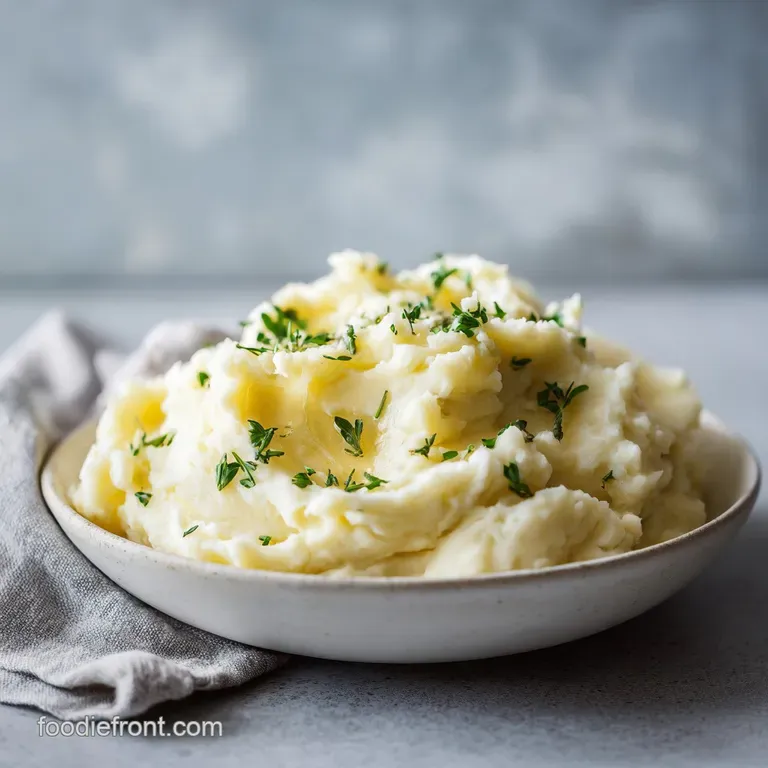
- Time: Active 20 minutes, Passive 20 minutes, Total 40 minutes
- Flavor/Texture Hook: Velvety, buttery, and subtly tangy with a garlic infusion.
- Perfect for: Hearty family dinners, holiday spreads, or beginner friendly meal prep.
- Mastering the Ultimate Creamy Mashed Potatoes Recipe
- A Lesson in Texture and Family Dinner Memories
- Managing Starch Molecules for a Silky Smooth Finish
- Science Analysis of Our Essential Potato Components
- Gathering Your Elements for a Velvet Potato Base
- Essential Kitchen Tools for a Perfect Mash
- Executing the Multi Step Plan for Fluffy Results
- Correcting Common Mishaps and Texture Issues Quickly
- Creative Variations to Personalize Your Flavor Profile
- Storing Leftovers and Minimizing Kitchen Food Waste
- Side Dish Pairings for a Hearty Family Feast
- Creamy Mashed Potatoes Recipe FAQs
- 📝 Recipe Card
Mastering the Ultimate Creamy Mashed Potatoes Recipe
I still remember the first time I hosted a big family dinner. I was so focused on the roast that I treated the potatoes as an afterthought, tossing them into a rolling boil and then over working them with an electric mixer.
What I ended up with wasn't a side dish; it was wallpaper paste gummy, sticky, and honestly quite depressing. My aunt kindly ate a scoop, but I knew I'd failed the "comfort food" test.
Since that gray, gluey disaster, I've spent years obsessing over the physics of a potato cell. I've learned that you can't just bully a starch into being fluffy; you have to coax it. It's about the temperature of the dairy, the way you drain the water, and the specific moment you fold in the fat.
This recipe is the result of all those "oops" moments turned into a foolproof method for your own kitchen.
We’re going for a texture that's so silky it almost melts, yet hearty enough to hold a thumbprint of gravy. By using Yukon Golds and a triple threat of butter, cream cheese, and Greek yogurt, we hit a flavor profile that’s rich without feeling heavy.
Trust me, once you try this specific dairy ratio, you’ll never go back to just a splash of milk and a prayer.
A Lesson in Texture and Family Dinner Memories
The secret to why this works so well actually starts before the heat even hits the pot. Most people think a potato is just a potato, but the Yukon Gold is the MVP here because of its naturally buttery flesh and medium starch content.
It holds its shape just long enough to cook through without disintegrating into the water, which is how we avoid that watery, bland finish.
When we talk about "creamy," we're really talking about a fat in-water emulsion. By using light cream cheese and Greek yogurt, we're introducing proteins that wrap around the starch molecules. This prevents them from bonding too tightly which is exactly what causes that dreaded "glue" texture.
It’s like putting a little velvet jacket on every single grain of potato.
Managing Starch Molecules for a Silky Smooth Finish
- Amylose Control: Simmering rather than boiling prevents the starch cells from exploding prematurely, which keeps the texture light instead of sticky.
- Thermal Buffering: Adding warm milk and room temperature butter ensures the fat integrates instantly rather than chilling the starch and making it seize.
- Lactic Acid Balance: The Greek yogurt adds a subtle acidity that cuts through the heavy fat of the butter, brightening the entire flavor profile.
- Garlic Infusion: Boiling the garlic cloves with the potatoes softens them until they shatter, allowing them to blend seamlessly into the mash without raw bites.
The Physics of the Fluff
The science of this dish relies on starch gelatinization. When potatoes hit 140°F, starch granules swell and burst; by adding fats like cream cheese early, we coat these granules to prevent them from forming a gummy network.
| Servings | Potato Weight | Dairy Total | Cook Time |
|---|---|---|---|
| 4 People | 2 lbs | 0.75 cups | 18 minutes |
| 6 People | 3 lbs | 1.25 cups | 20 minutes |
| 12 People | 6 lbs | 2.5 cups | 30 minutes |
If you are planning a massive holiday spread and need to scale this up even further, just remember that the larger the pot, the longer it takes for that water to reach a simmer. Don't rush it by cranking the heat to high; you want a gentle bubble to keep those Yukon Golds intact until they are fork tender.
Science Analysis of Our Essential Potato Components
Selecting the right ingredients is half the battle. While some people swear by Russets, I find them too mealy for a truly velvety finish. Using a Roasted White Sweet recipe can be fun for variety, but for the classic "creamy mashed potatoes recipe" we all crave, the Yukon Gold is the undisputed king of the kitchen.
| Ingredient | Science Role | Pro Secret |
|---|---|---|
| Yukon Gold Potatoes | Medium starch / High sugar | Peeling before boiling ensures a consistent, pale gold color. |
| Light Cream Cheese | Emulsifier & Stabilizer | Adds a thick, "clingy" texture that milk alone can't achieve. |
| Greek Yogurt | Protein rich Acid | Provides a tang that mimics sour cream but with a silkier mouthfeel. |
| Grass fed Butter | Lipid Saturation | Use unsalted to control the seasoning precisely at the end. |
The grass fed butter isn't just a fancy choice; it actually has a lower water content and a higher melting point than the cheap stuff. This means it creates a more stable emulsion when you start mashing. You’ll notice the color is deeper and the sizzle when it hits the hot potatoes is much more fragrant.
Gathering Your Elements for a Velvet Potato Base
Right then, let's get our shopping list in order. I’m a big believer in using what you have, but for the most comforting results, try to stick to these specifics. The light cream cheese is a secret weapon it provides the body of a heavy cream without making the dish feel like a brick in your stomach.
- 3 lbs Yukon Gold potatoes: Peeled and quartered. Why this? They have a naturally creamy texture and thin skins that are easy to peel.
- 4 cloves garlic: Peeled. Why this? Boiling them with the spuds removes the "bite" and leaves pure aroma.
- 1 tbsp sea salt: For the boiling water. Why this? Potatoes need to be seasoned from the inside out while they cook.
- 0.5 cup whole milk: Warm. Why this? Cold milk will shock the starch and cause lumps.
- 4 oz light cream cheese: Room temperature. Why this? Provides the "velvet" structure and a hint of richness.
- 4 tbsp unsalted grass fed butter: Cubed. Why this? Adds a luxurious, nutty flavor profile.
- 0.25 cup non fat Greek yogurt: For tang. Why this? Brightens the dish and keeps it from feeling overly heavy.
- 2 tbsp fresh chives: Finely snipped. Why this? Adds a necessary "shatter" of fresh green flavor at the end.
- 0.5 tsp freshly cracked white pepper: Why this? Gives a subtle floral heat without the black specks.
| Original Ingredient | Substitute | Why It Works |
|---|---|---|
| Whole Milk | Chicken Stock | Adds savory depth but will be less creamy. |
| Light Cream Cheese | Sour Cream | Similar tang. Note: Texture will be slightly thinner. |
| Greek Yogurt | Cultured Buttermilk | Provides acidity. Note: Use half the amount to avoid soupiness. |
If you ever find yourself out of Yukon Golds, you can use Russets in a pinch, but the result will be much fluffier and drier. You'll likely need to increase the milk by a tablespoon or two to get that same silky glide. It's all about the moisture balance in this creamy mashed potatoes recipe.
Essential Kitchen Tools for a Perfect Mash
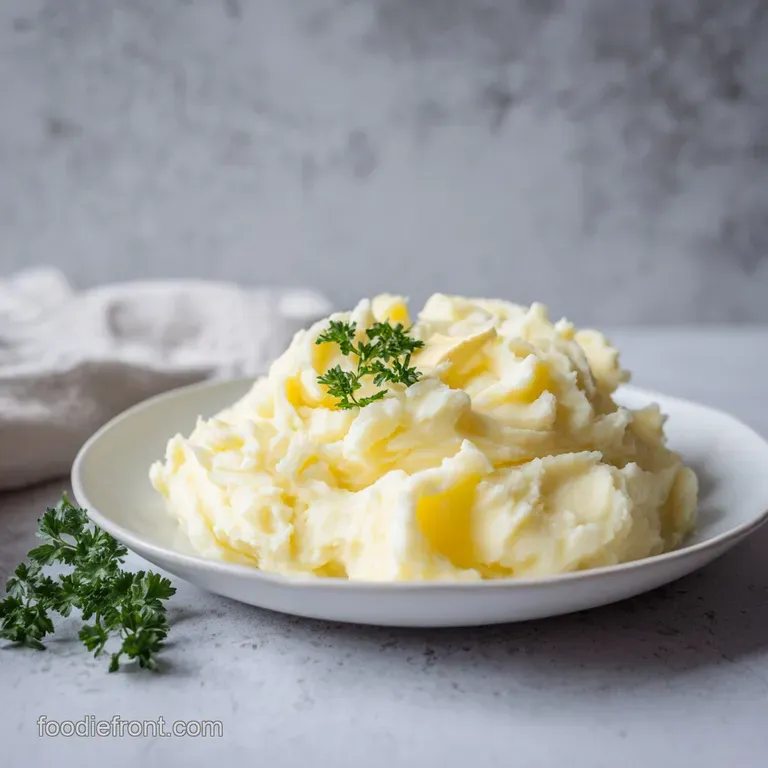
You don't need a kitchen full of gadgets, but there's one mistake I once made: using a food processor. Please, I’m begging you, stay away from the blades! A food processor shears the starch molecules so violently that it turns your beautiful potatoes into literal glue in seconds.
Instead, grab a traditional wire masher or, if you really want that restaurant style "velvety" finish, a potato ricer. A ricer pushes the cooked potato through tiny holes, ensuring zero lumps without over working the starch.
You'll also need a heavy bottomed 6 quart pot to ensure even heat distribution so the potatoes at the bottom don't scorch while the ones at the top stay raw.
Executing the Multi Step Plan for Fluffy Results
- Prep the potatoes. Peel the 3 lbs of Yukon Golds and cut them into even 1.5 inch quarters. Note: Uniform size ensures they all finish cooking at the exact same time.
- Start with cold water. Place the potatoes and 4 cloves of garlic in the pot, then cover with cold water by at least an inch. Note: Starting cold prevents the outside from overcooking before the middle is soft.
- Season the water. Add the 1 tbsp of sea salt and bring the pot to a boil, then immediately reduce to a steady simmer.
- Simmer until tender. Cook for 20 minutes until a fork slides in and out of a potato with zero resistance.
- Drain and steam dry. Drain the water thoroughly, then return the potatoes to the hot pot over very low heat for 2 minutes. Watch for the "fluffy" white film to appear as moisture evaporates.
- Warm the liquids. While the potatoes dry, whisk the 0.5 cup whole milk and 4 tbsp butter in a small saucepan until the butter is melted and the milk is steaming.
- Begin the mash. Use a ricer or masher to crush the potatoes and the softened garlic cloves until no large chunks remain.
- Incorporate the fats. Fold in the 4 oz light cream cheese and 0.25 cup Greek yogurt using a sturdy spatula.
- Stream in the milk. Slowly pour in the warm milk mixture, stirring gently until the texture becomes velvety and smooth.
- Final Seasoning. Fold in the 0.5 tsp white pepper and top with the 2 tbsp of snipped chives. Serve immediately while the steam is rising.
Chef's Tip
Always let your cream cheese sit on the counter for 30 minutes before you start. Cold cream cheese is the number one cause of "lumpy" mash because it won't melt into the hot potatoes evenly.
Correcting Common Mishaps and Texture Issues Quickly
Even seasoned cooks run into trouble sometimes. The most common heartbreak is the "soupy" mash, which usually happens if you didn't drain the potatoes well enough or if you added too much liquid too fast. If your mash feels thin, don't panic.
You can return the pot to low heat and stir constantly for a few minutes to cook off the excess moisture.
Fixing Gummy Texture
If you've over mixed the potatoes and they've started to get stretchy, the damage to the starch is already done. However, you can "rescue" the dish by spreading it into a baking dish, topping it with breadcrumbs and more butter, and turning it into a potato gratin. The oven's dry heat will help mask the gummy interior.
Adjusting Thin Consistency
If your "creamy mashed potatoes recipe" turned out more like a thick soup, whisk in a tablespoon of instant potato flakes or a bit more softened cream cheese. The cream cheese adds structure and "grip," helping the potatoes hold their shape on the plate.
| Problem | Root Cause | Solution |
|---|---|---|
| Gummy/Sticky | Over working the starch | Stop mixing immediately; bake with toppings to add texture. |
| Bland Flavor | Undersalted water | Add a pinch of salt and a squeeze of lemon to brighten. |
| Lumpy Mash | Cold dairy or uneven cutting | Pass through a fine mesh sieve or use a ricer. |
Common Mistakes Checklist
- ✓ Never start potatoes in boiling water; always start with cold water to ensure even cooking.
- ✓ Don't skip the "steam dry" step; excess water is the enemy of a velvety texture.
- ✓ Avoid the electric hand mixer at all costs; manual mashing preserves the delicate starch.
- ✓ Always warm your milk and butter before adding them to the hot potatoes.
- ✓ Salt the water generously; you can't properly season the "inside" of a potato once it's cooked.
Creative Variations to Personalize Your Flavor Profile
Once you’ve mastered this base "creamy mashed potatoes recipe", you can start playing with the flavors. My kids love it when I add a handful of sharp cheddar, turning them into a cheesy cloud. If you want something with a bit more crunch on the side, you might pair these with my Crispy Roasted Garlic Potatoes recipe.
Crafting Best Roasted Garlic Mashed Potatoes
For a deeper, caramelized flavor, skip the boiling garlic and instead roast a whole head of garlic in the oven with olive oil. Squeeze the softened, sweet cloves directly into the mash during step 8. The flavor is much more mellow and sophisticated.
Whipping Up a Cheesy Variation
Fold in 1 cup of shredded Gruyère or sharp white cheddar while the potatoes are still piping hot. The residual heat will melt the cheese into long, gooey strands that make every bite feel like a treat.
dairy-free Alternatives
You can swap the milk for unsweetened almond milk and the butter for a high-quality vegan butter stick. For the tang of yogurt, use a cashew based sour cream substitute. Just be aware that the flavor will be significantly nuttier.
Storing Leftovers and Minimizing Kitchen Food Waste
Leftover mashed potatoes are a gift, honestly. You can keep them in an airtight container in the fridge for up to 4 days. When reheating, don't just microwave them on high; they'll get oily.
Add a splash of milk and heat them gently on the stove or in 30 second bursts in the microwave, stirring in between to redistribute the moisture.
Freezing is also an option! You can freeze individual scoops on a baking sheet, then transfer them to a freezer bag. They’ll stay good for up to 2 months. To use them, just drop the frozen pucks into a saucepan over low heat. As they thaw, they’ll regain that velvety texture.
Zero Waste Tip: Don't throw away those potato peels! Toss them with a little olive oil, salt, and paprika, then roast them at 400°F (200°C) for 15 minutes.
They turn into the most incredible, "shatter crisp" potato skin chips that are perfect for snacking while you finish the rest of dinner.
Side Dish Pairings for a Hearty Family Feast
These potatoes are the ultimate canvas for a big meal. I usually serve them alongside a slow roasted chicken or a thick pot roast where the juices can mingle with the mash. If you’re looking for a vegetable to round out the plate, a crisp green bean almondine or roasted Brussels sprouts provide a great textural contrast to the silky potatoes.
For another variation on the potato theme, you might enjoy my Creamy Mashed Potatoes recipe which uses a slightly different ratio of heavy cream if you're looking for something even more decadent.
Myth: Peeling early causes browning
People think you have to peel potatoes right before they hit the water, but you can actually peel and cut them up to 4 hours in advance. Just keep them submerged in a bowl of cold water in the fridge to prevent oxidation.
Myth: Boiling water should be at a rolling boil
A violent boil actually knocks the potatoes against each other, causing the outsides to slough off and become watery. A gentle simmer is all you need for a controlled, even cook.
That's the whole secret, friend! It's all about respecting the starch and being generous with the fats. Give this a shot for your next Sunday dinner and let me know how the "steam dry" trick works for you it really is the secret to that cloud like finish. Happy mashing!
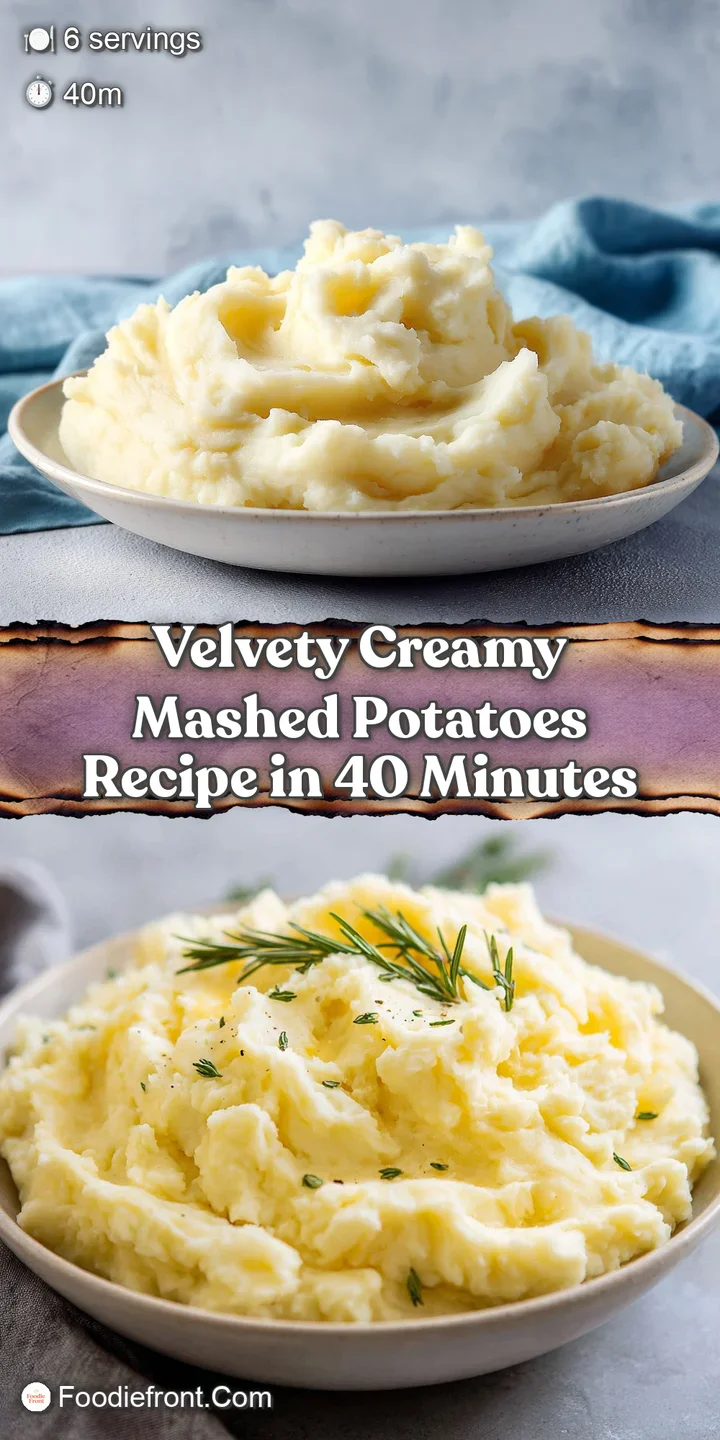
Creamy Mashed Potatoes Recipe FAQs
How to make the creamiest mashed potatoes?
Use a ricer and warm dairy. Push cooked, hot potatoes through a ricer for an ultra smooth, lump free texture, then gently fold in warm milk and room temperature fats like butter and cream cheese to ensure complete emulsification.
What is the secret to really good mashed potatoes?
The secret lies in controlling starch gelatinization. Don't overwork the potatoes after cooking; use a fat that also acts as an emulsifier, like cream cheese, to coat the starch granules and prevent them from becoming gummy.
What do you put in mashed potatoes to make it creamy?
Use a combination of fat and stabilizer. Butter provides richness, while light cream cheese adds body and a velvety thickness that cold milk alone cannot achieve. Greek yogurt is added for a subtle, balancing tang.
Is it better to use milk or heavy cream in mashed potatoes?
Milk is generally better for texture control, but cream can be used for richness. Heavy cream can make potatoes too dense or greasy if used in large quantities; using warm whole milk with added cream cheese achieves maximum creaminess without compromising fluffiness.
Should I mash potatoes right after draining or wait a minute?
Immediately drain them, then let them steam dry for two minutes over low heat. After draining completely, return the potatoes to the hot pot off the direct flame and let residual heat evaporate surface moisture; this prevents watery mash.
Can I use an electric mixer to achieve a smooth texture?
No, never use an electric mixer for creamy mashed potatoes. The high speed of the beaters will violently shear the starch cells, instantly turning your fluffy potatoes into a sticky, dense paste or "glue."
Is it true that I must use Yukon Gold potatoes for the best result?
Yes, Yukon Golds are superior for this style of creamy mash. Their medium starch content and natural buttery flavor provide the perfect balance; Russets are too starchy and break down too easily into a mealy texture.
Creamy Mashed Potatoes Recipe
Ingredients:
Instructions:
Nutrition Facts:
| Calories | 301 calories |
|---|---|
| Protein | 7.4g |
| Fat | 12.4g |
| Carbs | 42.8g |
| Fiber | 4.1g |
| Sugar | 2.9g |
| Sodium | 215mg |
