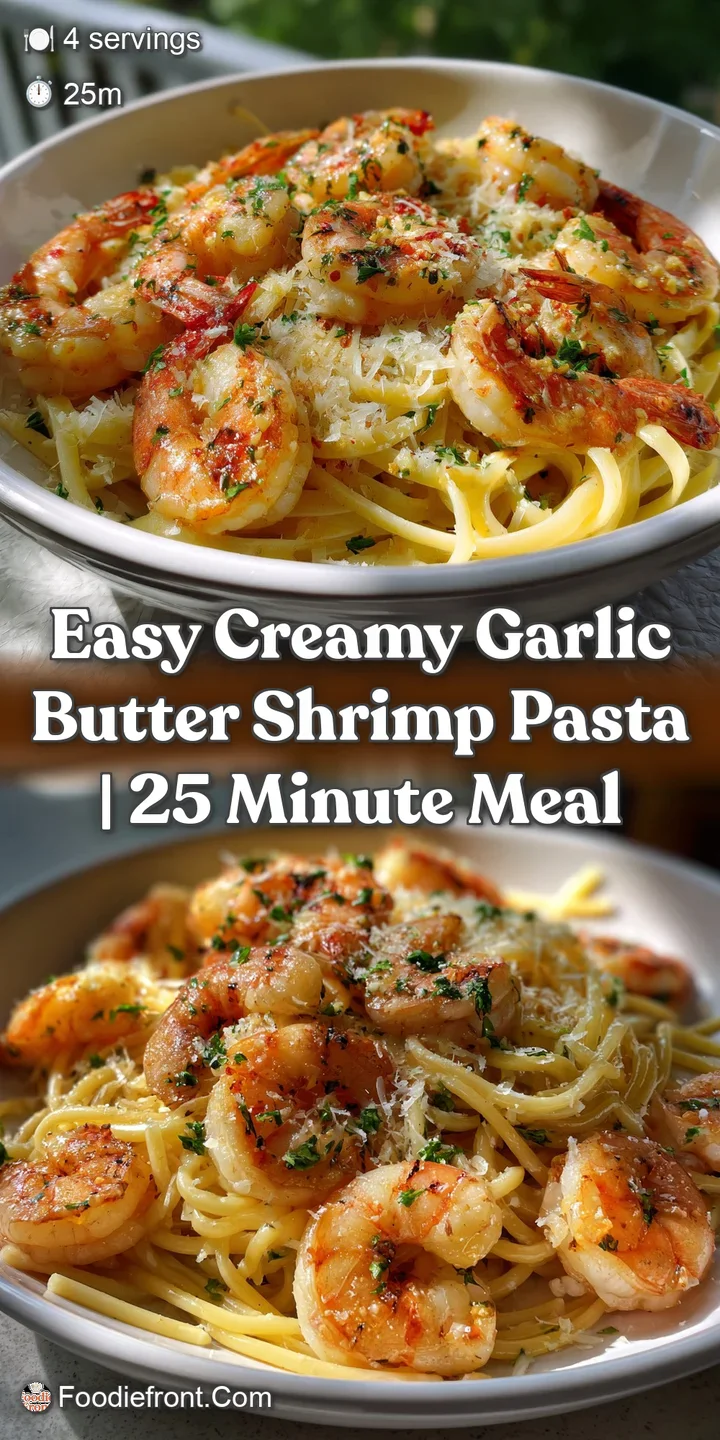
Creamy Garlic Butter Shrimp Pasta with Parmesan
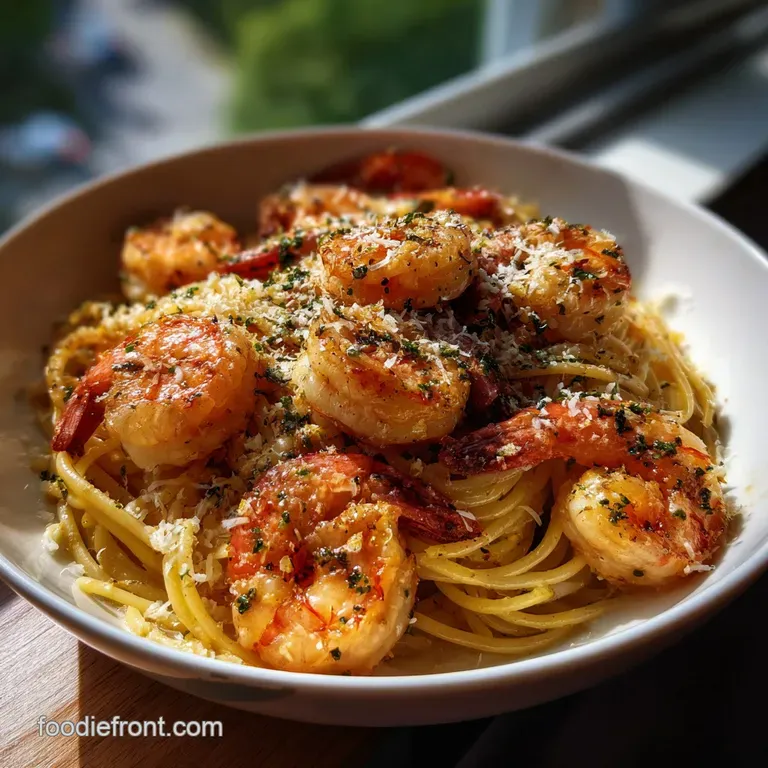
- Effort/Time: 25 minutes total (High-speed, low-stress)
- Flavor Hook: Smoked paprika sizzle meets a zesty lemon-garlic finish.
- Perfect for: Busy weeknights, anniversary dinners, or a cozy Sunday meal.
- The Thermodynamics of Perfect Emulsion and Shrimp Texture
- Technical Specifications and Comparative Methods
- The Alchemy of Umami: Selecting Your Elements
- Essential Tools for Efficient over High heat Pan Searing
- Precision Assembly Protocol: Timing Your Shrimp and Sauce
- Common Pitfalls and Troubleshooting Your Creamy Pasta Sauce
- ⚗️ The Scaling Lab: Physics for the Family Table
- Flavor Architecture: Creative Variations and Substitutions
- Common Culinary Myths Debunked
- Thermal Management: Storage and Quality-Preserving Reheating
- Final Touches: Elevating Your Comforting Family Dinner
- Recipe FAQs
- 📝 Recipe Card
Mastering the Ultimate Creamy Garlic Butter Shrimp Pasta
There is nothing quite as soul crushing as spending your hard earned money on 454g of large shrimp, only to have them shrink into rubbery, flavorless pencil erasers swimming in a greasy, broken sauce.
I remember one specific rainy Tuesday when I tried to rush a similar dinner for my family; I dumped the heavy cream into a pan that was far too hot, and the sauce instantly curdled into a gritty mess that looked more like cottage cheese than a silky restaurant style meal.
It was a disheartening waste of ingredients and a blow to my confidence as a home cook.
That disaster taught me that a great creamy garlic butter shrimp pasta isn't about complex techniques; it's about respecting the physics of heat and fat. I’ve spent years refining this process, moving away from "guessing" and toward understanding how ingredients interact.
I used to think the secret was just adding more butter, but I realized that the true magic happens when you leverage the starchy pasta water to bridge the gap between the oil and the cream.
The scientific revelation that changed everything for me was the power of emulsification combined with the Maillard reaction. By coating the shrimp in 5g of smoked paprika and searing them quickly in 30ml of Colavita Olive Oil, we create a mahogany crust that translates into a savory depth in the finished sauce.
This isn't just a recipe; it's a reliable protocol for creating a velvety, hearty meal that feels like a warm hug for your family.
The Thermodynamics of Perfect Emulsion and Shrimp Texture
The Science of Why it WorksEmulsification Bridge: The 120ml of reserved starchy pasta water acts as a surfactant, allowing the 56g of unsalted butter and 360ml of heavy cream to bond into a stable, velvety sauce rather than separating.
Protein Denaturation Control: Searing shrimp at high heat for exactly 2 minutes per side prevents the tight coiling of muscle fibers, ensuring a tender "pop" rather than a rubbery chew.
Technical Specifications and Comparative Methods
| Feature | Stovetop Searing (Recommended) | Oven Baked Finish |
|---|---|---|
| Texture Outcome | Crisp, mahogany exterior with a tender core | Uniformly soft but lacks caramelized flavor |
| Sauce Integration | High; fond is deglazed directly into the cream | Low; sauce often remains thin and one-dimensional |
| Total Time | 25 minutes | 35 minutes |
Decision Shortcut If you want maximum flavor depth, sear the shrimp in a Lodge Cast Iron Skillet. If you want fewer calories, reduce the 90g of Parmesan to 45g and increase lemon juice.
If you want extra heat, double the 1g of red pepper flakes during the garlic sauté.
The Alchemy of Umami: Selecting Your Elements
When making a creamy garlic butter shrimp pasta recipe, the quality of your fats and proteins dictates the final mouthfeel. I always reach for unsalted butter so I can control the seasoning precisely with Diamond Crystal Kosher Salt.
Ingredient Chemistry Breakdown
| Ingredient | Chemical/Physical Role (Science) | The Pro Secret (Why This Matters) |
|---|---|---|
| Large Shrimp | Protein denaturation via rapid heat | Pat them bone dry; moisture is the enemy of a golden sear. |
| Heavy Cream | High fat content (36%+) provides stability | High fat prevents curdling when introduced to the acidic lemon juice. |
| Pasta Water | Starch rich liquid acts as an emulsifier | This "liquid gold" creates the glue that binds sauce to pasta. |
| Garlic Cloves | Sulfur compounds release aromatic oils | Mince fresh; pre-chopped garlic in jars lacks the pungent "bite" needed. |
- 340g Barilla Linguine or Fettuccine
- Why this? Long strands provide maximum surface area for the sauce to cling to.
- 5g Smoked paprika
- Adds a deep, earthy "wood fired" aroma without a grill.
- 56g Unsalted butter
- Why this? high-quality butter adds the necessary milk solids for a nutty flavor.
- 360ml Heavy cream
- Why this? Stability. Lower fat milks will "break" under the heat and acidity.
- 15ml Fresh lemon juice
- Brightens the heavy fats and cuts through the richness.
Essential Tools for Efficient over High heat Pan Searing
To make a truly easy creamy garlic butter shrimp pasta, you don't need a kitchen full of gadgets. I stick to a minimal toolset that focuses on thermal mass and efficient drainage.
- Lodge 12 inch Cast Iron Skillet: The heavy metal retains heat, ensuring the temperature doesn't plummet when you add the 454g of cold shrimp.
- Large Pasta Pot (6 8 liters): Plenty of water allows the 340g of linguine to circulate, preventing the starch from making the noodles gummy.
- Microplane Grater: Essential for the 90g of Parmesan; a fine shave melts instantly into the sauce.
- Stainless Steel Tongs: Provides the precision needed to flip each individual shrimp.
Precision Assembly Protocol: Timing Your Shrimp and Sauce
The secret to this creamy lemon garlic butter shrimp pasta is the "overlap" method. Start the pasta water first, and by the time the noodles are al dente, your sauce will be shimmering and ready.
- Boil 4 liters of water with a generous palmful of salt.
- Submerge 340g of linguine; cook for 8 9 minutes until the center has a slight, firm bite (al dente).
- Reserve 120ml of the cloudy pasta water before draining; do not skip this, as it is your sauce's insurance policy.
- Season the 454g of shrimp with 5g smoked paprika, salt, and pepper in a medium bowl.
- Heat 30ml olive oil in the skillet over medium high until the oil shimmers and wisps of smoke appear.
- Sear shrimp for 2 minutes per side until the edges are golden brown and the centers turn opaque pink.
- Transfer shrimp to a plate to prevent overcooking; they will continue to cook via carryover heat.
- Melt 56g butter in the same skillet, scraping the bottom until the sizzle subsides and the butter smells nutty.
- Sauté 6 minced garlic cloves for 1 minute until the kitchen smells intensely fragrant but the garlic remains pale.
- Pour 360ml heavy cream and 1g red pepper flakes; simmer for 3 minutes until the liquid thickens enough to coat the back of a spoon.
- Whisk in 90g Parmesan and 15ml lemon juice until the cheese dissolves into a velvety, glossy emulsion.
- Combine the pasta, shrimp, and reserved water; toss for 1 minute until the sauce clings to every strand and the sizzle becomes a wet, bubbly sound.
- Garnish with 10g chopped parsley and serve immediately.
Chef's Note: If the sauce looks too thick after adding the cheese, add the pasta water 1 tablespoon at a time. The starch in the water will thin the consistency while actually strengthening the bond between the pasta and the cream.
Common Pitfalls and Troubleshooting Your Creamy Pasta Sauce
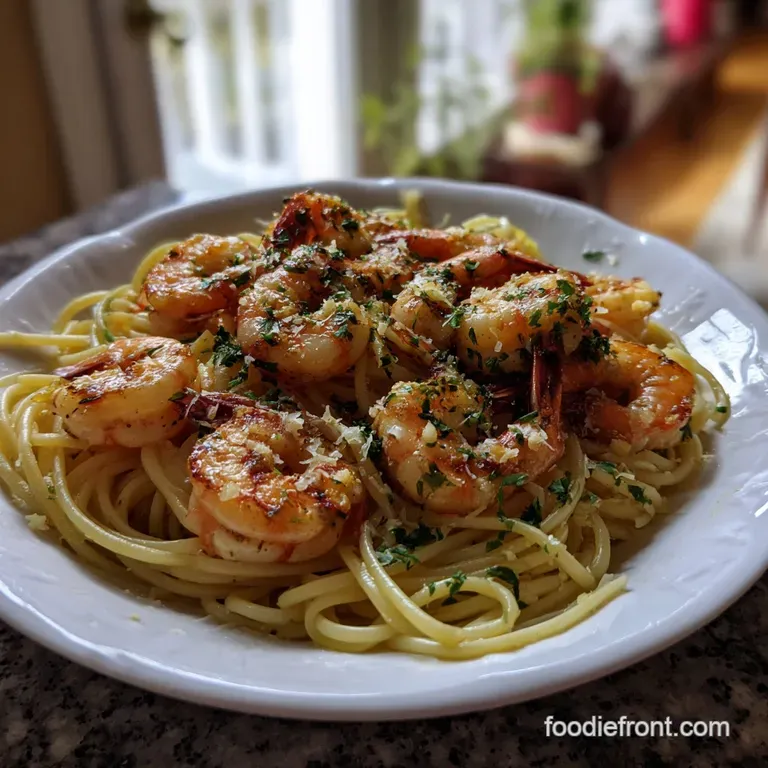
One of the most frequent issues with a garlic cream sauce shrimp pasta is "breaking." This happens when the fat separates from the liquid, leaving you with a puddle of oil at the bottom of the bowl. This is usually caused by excessive heat or adding the Parmesan too quickly.
Why Your Sauce Separates
When heavy cream is boiled too aggressively, the protein structures collapse, releasing the fat. Similarly, if the cheese is added to a boiling liquid rather than a gentle simmer, the proteins in the Parmesan will clump together (chelatisation), creating a grainy texture.
| Problem | Root Cause | The Fix | Pro Protocol |
|---|---|---|---|
| Rubbery Shrimp | Overcooking beyond 145°F (63°C) | Pull shrimp when they form a "C" shape, not an "O". | Use a meat thermometer to pull at 140°F (60°C). |
| Sauce is Broken/Oily | Temperature too high after adding fat | Add a splash of cold cream and whisk vigorously off heat. | Always lower heat to "Low" before adding Parmesan. |
| Dry Pasta | Starch absorption during resting | Add more reserved pasta water and a knob of butter. | Always keep an extra cup of water than you think you need. |
⚗️ The Scaling Lab: Physics for the Family Table
When you need to double this creamy garlic butter shrimp pasta with parmesan for a larger family gathering, you cannot simply double everything and hope for the best.
- Pan Crowding (Maillard Killer): If you double the shrimp to 908g, do not cook them all at once. The thermal mass of the cold shrimp will drop the pan temperature, causing them to steam in their own juices rather than searing. Mandatory instruction: Sear in two batches.
- The Evaporation Paradox: When using a larger pot for the sauce, the surface area increases. You may find the sauce thickens twice as fast. Reduce the heavy cream simmer time by 1 minute to avoid a "gluey" finish.
- Flavor Saturation: Scale spices (paprika/red pepper) to 1.5x, not 2x. Concentrated flavors in a larger volume of cream can become overwhelming.
- Thermal Mass: A double batch of pasta stays hot longer. Pull the noodles 2 minutes earlier than the package directions to account for the increased carryover cooking time while tossing in the sauce.
Flavor Architecture: Creative Variations and Substitutions
Sometimes you want a best creamy garlic butter shrimp pasta that feels a bit different. Whether you're looking for a zesty kick or a lower carb option, these swaps are scientifically sound.
| Original Ingredient | Substitute | Why It Works |
|---|---|---|
| Heavy Cream | Full fat Coconut Milk | Provides similar viscosity but adds a tropical, nutty undertone. |
| Linguine | Zucchini Noodles | Provides crunch; add at the very end to prevent water release. |
| Shrimp | Scallops | Similar protein structure; requires a harder sear (3 mins per side). |
- Creamy Garlic Butter Tuscan Shrimp Pasta: Add 50g of sun-dried tomatoes and 60g of fresh spinach during the cream simmering stage. The acidity of the tomatoes balances the rich butter.
- Creamy Lemon Garlic Butter Shrimp Pasta (Zesty Twist): Double the lemon juice to 30ml and add the zest of one full lemon. This creates a sharper, more refreshing profile similar to the bright notes found in my Crispy Roasted Garlic Potatoes recipe.
Common Culinary Myths Debunked
- Myth: You must rinse pasta to stop it from sticking.
- Truth: Rinsing removes the surface starch. Without that starch, your creamy garlic butter shrimp pasta no cream cheese sauce will slide right off the noodles and pool at the bottom of the plate.
- Myth: Adding oil to the pasta water prevents sticking.
- Truth: Oil just floats on top. The only way to prevent sticking is to use a large enough pot of water and stir frequently during the first 2 minutes of boiling.
Thermal Management: Storage and Quality Preserving Reheating
Cream based dishes are notoriously difficult to reheat because the emulsion is fragile. Here is how to handle leftovers without turning them into an oily mess.
- Fridge: Store in an airtight glass container for up to 2 days. The shrimp will toughen slightly over time due to acid in the lemon juice.
- Freezing: Not recommended. The heavy cream will undergo "syneresis" (whey separation) upon thawing, resulting in a grainy, watery texture.
- Reheating: Use the stovetop on low heat. Add 15ml of milk or water to the pan first to loosen the fats. Stir constantly until just warm. Avoid the microwave, which creates "hot spots" that cause the butter to separate.
💡 ZERO WASTE PHILOSOPHYShrimp Shells? Don't discard them. Transform: Simmer with a bit of water and onion scraps for 20 minutes to make a quick seafood stock.
Science: The shells contain chitin and glutamate, which add a massive umami boost to future soups. Parsley Stems?Transform: Finely mince them and sauté with the garlic.
Science: The stems contain more concentrated essential oils than the leaves, providing a deeper herbal foundation.
Final Touches: Elevating Your Comforting Family Dinner
To finish this quick creamy garlic butter shrimp pasta, I always recommend a final dusting of fresh Parmesan right at the table. The contrast between the melted cheese in the sauce and the cold, salty shavings on top creates a multi layered sensory experience.
If you’re looking for a complete meal, this pasta pairs beautifully with a simple side. While many people go for bread, the velvet texture of this dish is actually complimented by a more structured side. If you have extra potatoes in the pantry, you might consider the textural contrast of a Creamy Mashed Potatoes recipe, though for this specific pasta, a crisp green salad with a sharp vinaigrette is the pro choice to reset the palate between bites.
- 1. Temp
- Ensure shrimp hit 145°F (63°C) for safety, but pull at 140°F (60°C) for the best texture.
- 2. Time
- Don't sauté the garlic for more than 60 seconds; burnt garlic turns the entire sauce bitter.
- 3. Visual
- The sauce is ready to toss when it leaves a clear path when you drag a wooden spoon across the bottom of the skillet.
This hearty meal is more than just fuel; it's a way to bring everyone together over a bowl of something warm and lovingly made. Enjoy the sizzle, the aroma, and most importantly, the smiles around your dinner table.
Recipe FAQs
What liquid is essential for binding the butter and cream sauce?
Reserved starchy pasta water. This starch acts as a surfactant, bridging the oil-based butter and water based cream to create a stable emulsion. Without it, the sauce separates into grease and liquid.
How long should I sear the shrimp for optimal tenderness?
Exactly two minutes per side. Rapid high heat searing captures fond while minimizing muscle fiber tightening. Overcooking causes tight coiling, resulting in a rubbery, tough texture.
Can I substitute heavy cream with whole milk for a lighter sauce?
No, whole milk will break the sauce. Milk’s lower fat content cannot stabilize the emulsion against the acid from the lemon juice. The fat in heavy cream (36%+) prevents curdling when simmering.
Why does my sauce become grainy when adding the Parmesan cheese?
Cold cheese added to hot liquid causes protein clumping. Temperature shock denatures casein proteins, creating grainy texture instead of smooth emulsion.
- Remove pan from heat first
- Add cheese in small handfuls
- Use fresh grated Parmesan (pre-shredded has cellulose coating)
Should I use salted or unsalted butter for this recipe?
Unsalted butter for precision control. Salted brands vary significantly in sodium content, making standardization impossible. Unsalted lets you adjust salt based on the natural sodium levels of the Parmesan cheese.
Myth: Rinsing the cooked linguine improves the final dish.
Myth: You must rinse pasta to stop it from sticking. Reality: Rinsing washes away surface starch, which is necessary to emulsify and help the sauce cling effectively to the noodles.
Is searing the shrimp in oil or butter better for building flavor?
Searing in oil yields deeper flavor concentration. Oil has a higher smoke point than butter, allowing the shrimp to develop a rich Maillard reaction crust without burning the milk solids. Butter should be reserved for finishing.
Creamy Garlic Butter Shrimp Pasta
Ingredients:
Instructions:
Nutrition Facts:
| Calories | 1004 kcal |
|---|---|
| Protein | 44.6 g |
| Fat | 57.2 g |
| Carbs | 68.5 g |
| Fiber | 3.2 g |
| Sugar | 4.1 g |
| Sodium | 920 mg |
