Challah French Toast: Custardy Center
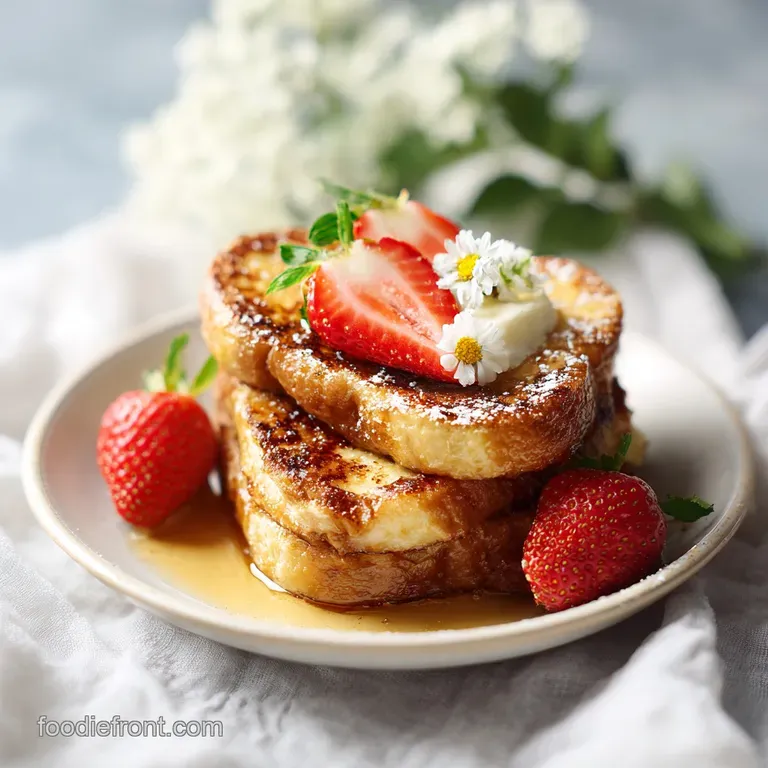
- Time: Active 10 minutes, Passive 15 minutes, Total 25 minutes
- Flavor/Texture Hook: A custard soaked interior with a buttery, cinnamon sugar shatter on the crust.
- Perfect for: A hearty family brunch or a quick "breakfast for dinner" treat that feels special.
- The Secret Behind My Favorite Challah French Toast Recipe
- The Golden Rules for the Best Challah French Toast
- Getting the Custard Ratios Exactly Right Every Time
- Choosing the Best Ingredients for Thick Cut Challah
- Simple Kitchen Tools for a Perfect Morning Meal
- How to Make Challah French Toast Step by Step
- Solving Soggy Centers and Burnt Butter Issues Fast
- Creative Ways to Customize Your Morning Challah Slices
- Storing and Reheating Your Challah French Toast Leftovers
- The Best Toppings for a Hearty Challah Breakfast
- Recipe FAQs
- 📝 Recipe Card
The Secret Behind My Favorite Challah French Toast Recipe
You know that feeling when the house is still quiet, the sun is just hitting the kitchen floor, and you realize there is a whole loaf of golden, braided bread sitting on the counter? That was my kitchen last Sunday morning.
I usually just tear pieces off for the kids to snack on, but I felt like making something that felt like a warm hug before the week got busy. I pulled out the heavy cream and started whisking, and honestly, the sizzle of that first thick slice hitting the buttered pan is a sound I will never get tired of.
I used to mess this up all the time. I would soak the bread too long and end up with a soggy mess that fell apart, or I would use too much heat and burn the outside while the middle stayed raw. But after years of trial and error and a lot of mediocre breakfasts, I have finally nailed the balance.
This is not just about dipping bread in eggs; it is about creating a velvety custard that transforms the bread into something that tastes like a dream. It is hearty, it is comforting, and I promise your family will be asking for seconds before you have even finished cooking the first batch.
The beauty of using Challah is that it is already an enriched dough, meaning it is full of eggs and fat. It is sturdy enough to hold its shape even when it is heavy with custard. When you take that first bite, you get that satisfying crunch from the pan sear, followed by a middle that is almost like bread pudding.
It is the kind of meal that makes everyone slow down and actually enjoy the morning together.
The Golden Rules for the Best Challah French Toast
To get that restaurant quality finish at home, we need to think about how the bread reacts to the liquid. If you use standard sandwich bread, it collapses because the structure is too weak. Challah has a tight, fine crumb that acts like a sponge, pulling the custard into every little air pocket without dissolving.
This is why this Challah French Toast recipe works so well compared to others you might have tried.
The Science of the Custard Soak
The high fat content in the heavy cream and egg yolks creates a protein mesh that sets as it hits the heat, trapping moisture inside while the sugar on the surface undergoes the Maillard reaction.
This ensures the bread stays moist but the exterior develops a beautiful golden brown color and a slight "shatter" when you bite into it.
Mechanism: The emulsified fats in the heavy cream prevent the egg proteins from over coagulating, which keeps the interior from becoming rubbery. Mechanism: Capillary action draws the liquid into the center of the 1 inch slices, providing a uniform texture throughout the bread.
If you are cooking for a big group or just want to see how the different methods stack up, take a look at this quick comparison. I usually stick to the stovetop for that buttery crust, but the oven is a lifesaver when the whole family is sitting at the table waiting.
| Method | Time | Texture | Best For |
|---|---|---|---|
| Stovetop | 15 minutes | Crispy, buttery edges | Small batches |
| Oven | 25 minutes | Soft, uniform custard | Large family brunch |
| Air Fryer | 12 minutes | Very crunchy exterior | Quick single serving |
Using the stovetop method allows you to control the browning much better. You can hear the sizzle and know exactly when to flip. However, if you are multitasking, the oven method is much more "set it and forget it," even if you lose a bit of that direct contact crispiness. For a faster option during the week, my French Toast for One recipe is a total lifesaver when you don't want to make a whole loaf.
Getting the Custard Ratios Exactly Right Every Time
The custard is the heart of this dish. We are using a blend of whole milk and heavy cream to get that specific richness that makes this the best Challah French Toast you’ve ever had.
If you use only milk, it can feel a bit thin; if you use only cream, it becomes too heavy and doesn't soak into the bread as easily.
Component Analysis
| Ingredient | Science Role | Pro Secret |
|---|---|---|
| Large Eggs | Structural Binder | Whisk until no streaks remain to avoid "fried egg" bits |
| Heavy Cream | Fat Saturation | Use cold cream for a thicker, more stable emulsion |
| Ground Cinnamon | Flavor/Aroma | Whisk it into the sugar first to prevent clumping in the milk |
Chef's Tip: Grate a tiny bit of fresh orange zest into your custard. The citrus oils cut through the heavy fats of the cream and eggs, making the whole dish feel lighter and more vibrant. It is a total pro move that most people skip.
Another little trick I’ve learned is to let the custard sit for five minutes before dipping. This allows the cinnamon and nutmeg to fully hydrate so the flavors are evenly distributed. You don’t want one slice to be covered in spice and the next one to be plain. We want every single bite to be consistent.
Choosing the Best Ingredients for Thick Cut Challah
When you head to the store, look for a loaf of Challah that feels a bit firm. If it’s too soft and fresh, it won't be able to handle the soak. I actually prefer buying it a day or two before I plan to make this.
If you can only find a fresh loaf, slice it the night before and leave it out on a wire rack to dry out slightly.
- 1 lb Challah bread: Sliced into 1 inch thick rounds. Why this? Thick slices hold the custard without turning into mush.
- 4 Large Eggs: These provide the structure. Why this? Using large eggs ensures the protein to liquid ratio is balanced.
- 1 cup Whole milk: For hydration. Why this? Whole milk has the right fat content to keep the crumb tender.
- 0.5 cup Heavy cream: For luxury. Why this? It creates that velvety, restaurant style mouthfeel.
- 2 tbsp Granulated sugar: For caramelization. Why this? Sugar helps the edges crisp up and brown beautifully.
- 1 tbsp Pure vanilla extract: For depth. Why this? It rounds out the eggy flavors with a floral sweetness.
- 1 tsp Ground cinnamon: The classic spice. Why this? Adds warmth and that unmistakable bakery aroma.
- 0.25 tsp Ground nutmeg: A subtle nutty note. Why this? Nutmeg bridges the gap between the savory egg and sweet sugar.
- 1 pinch Kosher salt: The flavor enhancer. Why this? Salt makes all the other flavors pop.
- 2 tbsp Unsalted butter: For frying. Why this? Butter provides that rich, nutty flavor as it browns.
- 1 tbsp Vegetable oil: For heat stability. Why this? Prevents the butter from burning too quickly in the pan.
If you have a guest with dietary needs, don't worry. This recipe is pretty flexible. You can swap out some of the heavier items without losing that comforting vibe we are going for.
| Original Ingredient | Substitute | Why It Works |
|---|---|---|
| Heavy Cream | Full fat Coconut Milk | Similar fat content. Note: Adds a slight tropical nutty flavor. |
| Whole Milk | Unsweetened Almond Milk | Thinner but works well. Note: Result will be slightly less creamy. |
| Granulated Sugar | Maple Syrup | Adds a deeper caramel note. Note: Increases moisture in the custard. |
If you happen to have leftover berries or a bit of extra bread, you should definitely try this Blueberry Bread Pudding recipe with the remaining Challah. It uses a very similar custard base and is perfect for a special dessert.
Simple Kitchen Tools for a Perfect Morning Meal
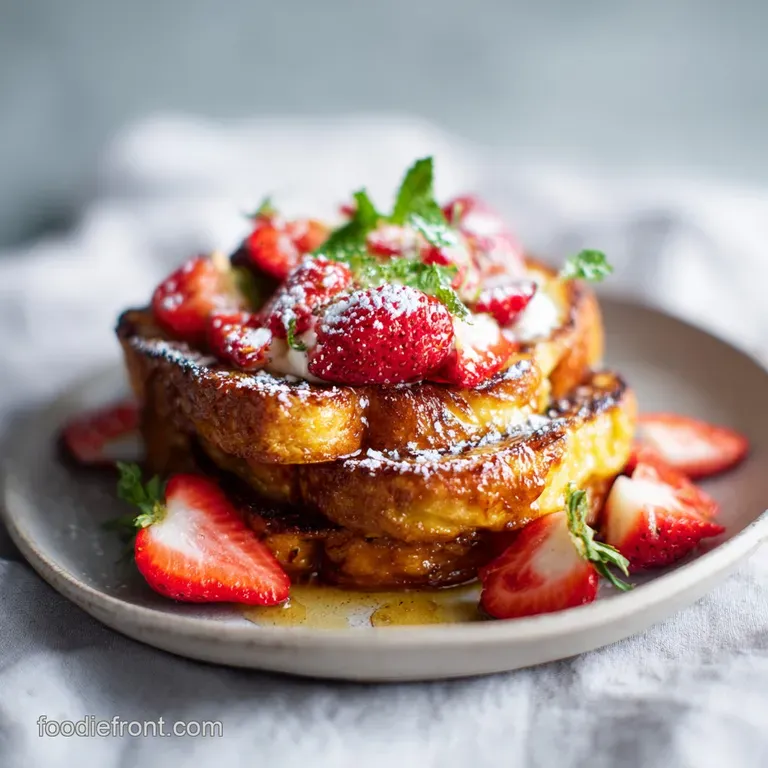
You don't need a bunch of fancy equipment to make this. In fact, keeping it simple is part of why I love this recipe so much. One bowl, one shallow dish, and one pan that is really all it takes.
I usually use a large cast iron skillet because it holds heat so well, but a reliable non stick pan works just as effectively for preventing any sticking issues.
For the Rich Custard
Use a wide, shallow bowl or even a pie plate. This gives you enough room to lay the bread flat so it can soak evenly. A fork works fine for whisking, but a small balloon whisk will get those eggs much smoother.
For the Pan
A 12 inch skillet is ideal so you can cook 2-3 slices at a time. If you overcrowd the pan, the temperature drops and the bread will steam instead of searing. If you are doing a big batch, keep a baking sheet in a 200°F (95°C) oven to keep the finished slices warm while you finish the rest.
How to Make Challah French Toast step-by-step
Let's get cooking. This process is quick, so make sure you have your coffee ready before you start the first slice. The smell is going to bring everyone into the kitchen anyway, so you might as well be prepared!
- Slice the bread. Cut the 1 lb Challah into 1 inch thick rounds. Note: If they are too thin, they will tear when wet.
- Whisk the eggs. In a shallow dish, beat the 4 Large Eggs until no yellow streaks remain.
- Create the custard. Stir in 1 cup Whole milk, 0.5 cup Heavy cream, 2 tbsp Granulated sugar, 1 tbsp Pure vanilla extract, 1 tsp Ground cinnamon, 0.25 tsp Ground nutmeg, and a pinch of Kosher salt.
- Prepare the pan. Heat 1 tbsp vegetable oil and 1 tbsp unsalted butter in your skillet over medium low heat until the butter foam subsides.
- Soak the bread. Dip a slice into the custard for about 20 seconds per side until it feels heavy and saturated but not falling apart.
- Start the sear. Place the bread in the pan and cook for 3-4 minutes until the bottom is a deep golden brown.
- Flip and finish. Add the remaining 1 tbsp butter to the pan, flip the bread, and cook for another 3 minutes until the center feels bouncy to the touch.
- Repeat the process. Cook the remaining slices in batches, adding more butter or oil if the pan looks dry.
- Serve it hot. Plate the slices immediately while the crust is still crispy and the center is steaming.
Chef's Tip: Don't press down on the bread with your spatula! I see people do this all the time to "speed up" the cooking, but all you are doing is squeezing out that lovely custard you just soaked in. Let the heat do the work.
Solving Soggy Centers and Burnt Butter Issues Fast
The most common mistake I see is people being too impatient with the heat. If your pan is screaming hot, the sugar in the custard will burn before the egg inside has a chance to set. You want a steady, medium low sizzle. It should sound like a gentle rain, not a crashing wave.
Why Your Bread Stays Mushy
If the center is raw but the outside is brown, your slices were likely too thick or your heat was too high. Challah is dense, so the heat needs time to migrate to the very middle.
| Problem | Root Cause | Solution |
|---|---|---|
| Slices falling apart | Bread was too fresh/soft | Use day old bread or toast slices in a low oven for 5 mins first |
| Burnt, bitter crust | Heat too high/butter burned | Use medium low heat and wipe the pan between batches |
| Greasy texture | Pan wasn't hot enough | Wait for the butter foam to disappear before adding the bread |
Common Mistakes Checklist
- ✓ Use bread that is at least a day old so it acts like a thirsty sponge.
- ✓ Whisk the eggs until completely smooth to avoid white "fried egg" spots on your toast.
- ✓ Preheat your pan for at least 2 minutes before adding the oil and butter.
- ✓ Don't overcrowd the skillet; give each slice at least an inch of breathing room.
- ✓ Wipe the pan with a paper towel between batches to remove any burnt cinnamon bits.
Creative Ways to Customize Your Morning Challah Slices
Once you have the base recipe down, you can start having some fun with it. This is where you can really tailor the meal to what your family loves. Sometimes I’ll add a splash of bourbon to the custard for a boozy Sunday brunch, or I’ll use different spices like cardamom or ginger.
Overnight Challah French Toast Casserole
If you don't want to stand over the stove, you can lay the soaked slices in a buttered 9x13 baking dish. Pour any remaining custard over the top, cover it, and let it sit in the fridge overnight.
In the morning, just pop it in the oven at 350°F (180°C) for about 35 minutes. It’s a great way to handle a big holiday breakfast without the stress.
The Citrus Twist
Instead of vanilla, try using almond extract and some lemon zest. It gives the French toast a bright, almost pastry like flavor that pairs perfectly with fresh raspberries. If you're looking for another eggless option for a friend, check out my Eggless Cinnamon French recipe which uses a clever cornstarch trick to get that same thick texture.
Storing and Reheating Your Challah French Toast Leftovers
If you actually have leftovers which is rare in my house they store surprisingly well. You can keep them in an airtight container in the fridge for up to 3 days. To reheat, I highly recommend using a toaster oven or the air fryer.
Avoid the microwave if you can, as it will make the bread rubbery and take away that beautiful crispy crust we worked so hard for.
For long term storage, you can freeze the cooked slices. Lay them out on a baking sheet in a single layer to freeze solid, then transfer them to a freezer bag. They will stay good for up to 2 months.
You can actually pop them right into the toaster from the freezer, just like the store-bought ones, but they will taste infinitely better.
To reduce waste, save any crusts or small end pieces of the Challah. I usually toss them in a bag in the freezer and once I have enough, I turn them into homemade croutons or breadcrumbs for a family dinner later in the week.
The Best Toppings for a Hearty Challah Breakfast
While maple syrup is the gold standard, Challah can handle much heavier toppings because of its sturdy structure. I love a big dollop of whipped mascarpone or even a spoonful of Greek yogurt to add some tanginess.
Fresh berries are always a hit, but in the winter, sautéed apples with a bit of brown sugar and extra cinnamon make this feel like a dessert.
For a restaurant style presentation, dust the top with powdered sugar right before serving. It hides any little imperfections and makes the whole plate look professional. Just remember to serve it on warm plates if you can; there’s nothing worse than hot French toast hitting a cold ceramic plate and losing its heat instantly.
Whatever you choose to put on top, just make sure you enjoy it with the people you love. That’s what a hearty breakfast like this is really for slowing down, sharing a meal, and starting the day on a high note.
Trust me, once you try Challah for your French toast, you’ll never want to go back to regular bread again!
Recipe FAQs
Is challah bread good for French toast?
Yes, challah is excellent for French toast. Its enriched dough, full of eggs and fat, creates a sturdy, tight crumb that absorbs the custard perfectly without dissolving.
What is the difference between challah and standard bread for French toast?
Challah is superior because it is an enriched dough. Standard sandwich bread often collapses because its structure is weaker, whereas Challah’s density holds up under heavy custard soak.
What makes better French toast, challah or brioche?
Challah usually results in a slightly sturdier toast than brioche. Both are enriched breads, but Challah’s crumb is often tighter, offering a better balance between a creamy center and a crispy sear.
How to prep challah for French toast?
Slice the bread into 1 inch thick pieces, ideally a day old. If the bread is very fresh, leave the slices out on a wire rack for a few hours to dry slightly before dipping.
How long should I soak challah bread in the custard?
Soak each side for about 20 seconds until saturated. The bread should feel heavy but still hold its structure when lifted; avoid soaking so long that it starts to tear.
Is it necessary to use both milk and heavy cream in the custard?
No, but it is highly recommended for the best texture. Heavy cream provides essential fat for a velvety mouthfeel, while milk helps the custard soak deeply into the center of the thick slices.
How do I prevent my French toast from tasting eggy or rubbery?
Whisk the eggs until absolutely no yellow streaks remain. Also, use medium low heat when cooking; high heat sets the egg proteins too quickly, leading to a tough, undercooked center.
Best Challah French Toast
Ingredients:
Instructions:
Nutrition Facts:
| Calories | 557 kcal |
|---|---|
| Protein | 17.6 g |
| Fat | 29.2 g |
| Carbs | 56.4 g |
| Fiber | 1.8 g |
| Sugar | 14.2 g |
| Sodium | 584 mg |
