Savory Beef Breakfast Sausage Patties
- Time: Active 15 minutes, Passive 0 minutes, Total 25 minutes
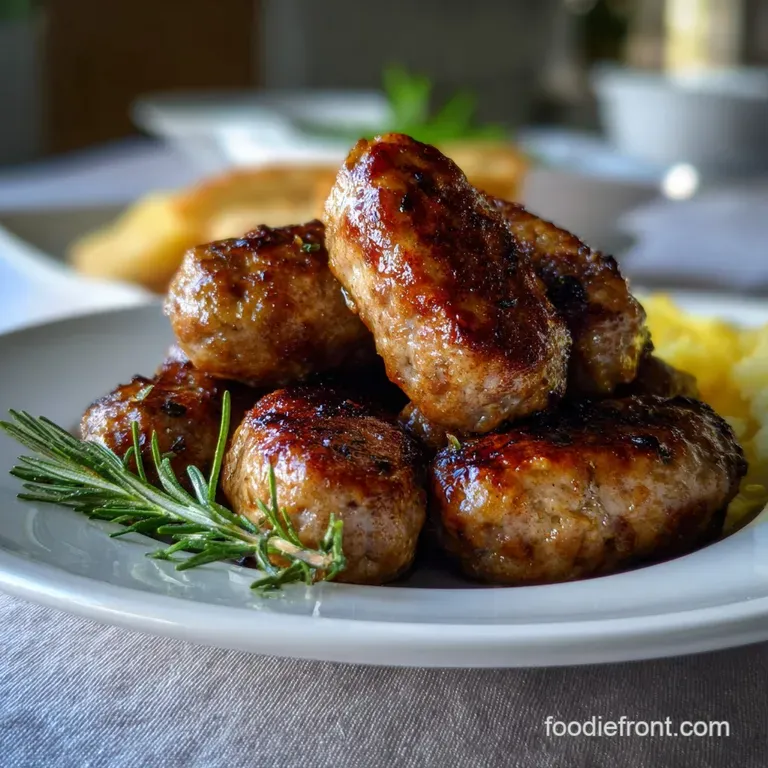
- Flavor/Texture Hook: Shattering mahogany crust with a velvety, sage-forward interior.
- Perfect for: Hearty family Sunday brunches or high-protein meal prep.
- Master the Ultimate Beef Breakfast Sausage
- The Science of Perfect Texture
- Vital Stats and Yield Data
- Component Analysis Matrix
- Sourcing Premium Beef and Spices
- Minimum Tools for Maximum Results
- Actionable Steps for Sizzling Success
- Expert Troubleshooting for Better Patties
- Quantity Physics
- Sausage Science Myths
- Storage and Zero Waste
- Perfect Sides for Family Feasts
- Common Questions
- 📝 Recipe Card
Master the Ultimate Beef Breakfast Sausage
Sunday mornings in our home are sacred, usually centered around the heavy sizzle of a cast iron skillet. I remember the first time I swapped traditional pork for this beef breakfast sausage; the family didn't just notice the difference, they preferred the richer, deeper umami profile.
It provides a robust start to the day that feels both indulgent and incredibly nourishing for growing kids and busy parents alike.
We often settle for store-bought links that are packed with preservatives and "mystery" fillers. This recipe strips away the noise, relying on 1 lb ground beef chuck (453g) and a precise blend of warming spices.
You don't need a meat grinder or a chemistry degree to get that authentic "snap" and juicy interior just a few kitchen staples and a gentle touch when crafting your beef breakfast sausage.
The aroma of rubbed Dalmation sage and nutmeg hitting a hot pan is enough to wake the heaviest sleepers. Because we use 100% beef, the flavor is more substantial than pork, pairing beautifully with everything from runny yolks to sourdough toast.
Let’s look at why this specific combination of fat and spice creates such a comforting result when making a homemade beef breakfast sausage.
The Science of Perfect Texture
- Protein Myosin Extraction: Adding 1 tsp fine sea salt to the cold beef helps dissolve muscle proteins (myosin), creating a sticky "primary bind" that holds the patty together without breadcrumbs. This binding is crucial for superior beef breakfast sausage.
- Thermal Fat Suspension: Keeping the beef cold prevents fat "smearing," ensuring the 80/20 fat ratio stays trapped in the protein matrix rather than leaking out instantly.
- Osmotic Flavor Infusion: The 1 tbsp cold water acts as a carrier, using osmotic pressure to pull the 1 tsp rubbed Dalmation sage and nutmeg deep into the meat fibers.
- Maillard Reaction Catalyst: The 1 tbsp pure maple syrup provides reducing sugars that react with the beef proteins under high heat, creating a deep mahogany colored crust on your beef breakfast sausage.
Vital Stats and Yield Data
| Metric | Specification |
|---|---|
| Total Yield | 6 hearty servings |
| Preparation Time | 15 minutes |
| Cooking Time | 10 minutes |
| Final Internal Temp | 160°F (71°C) |
Component Analysis Matrix
| Ingredient | Chemical/Physical Role (Science) | The Pro Secret (Why This Matters) |
|---|---|---|
| Ground Beef Chuck | 80/20 ratio provides essential lipids | Fat carries flavor and prevents protein strands from becoming tough or rubbery in the finished product. |
| Fine Sea Salt | Myosin solubilization (protein bonding) | Creates the characteristic "sausage snap" rather than a loose, crumbly burger texture. |
| Pure Maple Syrup | Caramelization and glucose supply | Acts as a humectant (moisture retainer) while creating a dark, crispy exterior. |
| Rubbed Dalmation Sage | Antioxidant rich aromatic volatile oils | Counteracts the richness of the beef fat with a sharp, earthy, "traditional" breakfast profile. |
Sourcing Premium Beef and Spices
- 1 lb ground beef chuck (80/20)Why this? 20% fat is critical for lubrication and moisture during over high heat searing of the beef breakfast sausage.
- 1 tsp fine sea salt (Substitute: 1.5 tsp Diamond Crystal Kosher Salt)
- 1 tsp rubbed Dalmation sageWhy this? Rubbed sage has a fluffier texture that incorporates more evenly than whole leaves.
- 1/2 tsp dried thyme (Substitute: 1/4 tsp ground thyme)
- 1/2 tsp cracked black pepperWhy this? Larger cracks provide "flavor pops" and textural contrast.
- 1/4 tsp ground nutmeg
- 1/4 tsp red pepper flakes
- 1 tbsp pure maple syrupWhy this? Natural sugars caramelize at lower temps than white sugar, preventing burning.
- 1 tbsp cold water
Minimum Tools for Maximum Results
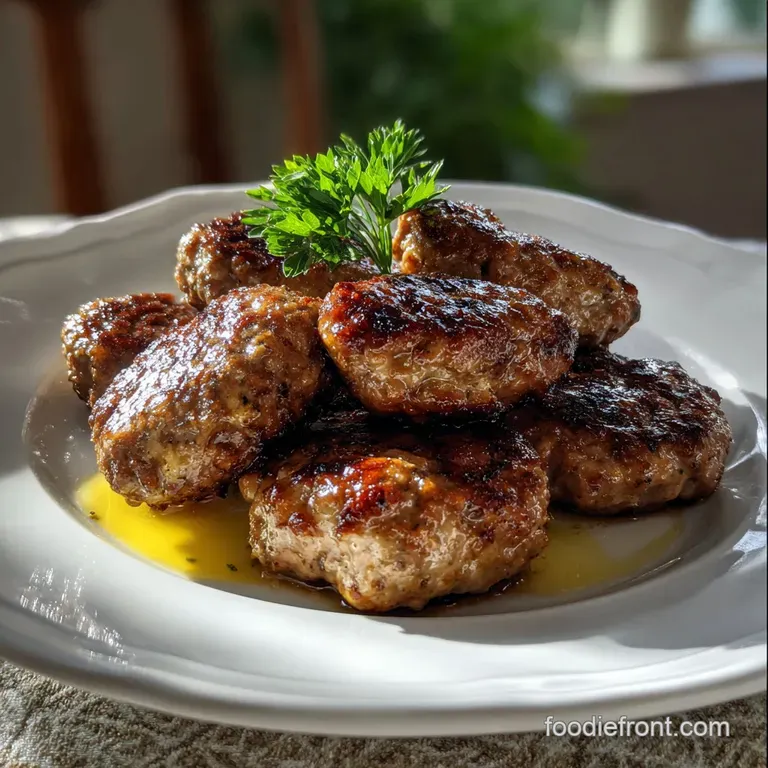
I am a firm believer that you don't need a kitchen full of gadgets to feed your family well. For this recipe, a Lodge 12 inch Cast Iron Skillet is your best friend because it retains heat better than stainless steel, ensuring a consistent sear for your beef breakfast sausage.
You will also need a large glass mixing bowl to keep the meat chilled and a flat metal spatula for pressing the patties to maximize surface-to-pan contact.
If you don't have cast iron, a heavy bottomed non-stick pan will work, though the crust might be slightly less "shattering." Avoid using thin aluminum pans, as they create hot spots that can burn the maple syrup before the beef is cooked through.
A simple kitchen scale is helpful for weighing out 75g portions, but a 1/3 cup measuring tool works perfectly for uniform sizing when making this beef breakfast sausage.
Actionable Steps for Sizzling Success
Beef and Spice Base
- Place 1 lb cold ground beef chuck into a chilled glass bowl. Note: Cold meat prevents fat from melting during the mixing phase.
- Sprinkle 1 tsp fine sea salt evenly over the meat surface. Note: Even distribution starts the protein denaturation process immediately.
Signature Seasoning Blend
- Add 1 tsp rubbed Dalmation sage and 1/2 tsp dried thyme to the bowl. Note: Dried herbs need moisture to bloom, which comes from the beef juices.
- Incorporate 1/2 tsp cracked black pepper, 1/4 tsp ground nutmeg, and 1/4 tsp red pepper flakes. Note: Nutmeg adds a "warmth" that mimics traditional breakfast links.
Incorporate Seasonings Correctly
- Drizzle 1 tbsp pure maple syrup and 1 tbsp cold water over the spices. Note: Liquids act as a solvent to distribute dry spices evenly.
- Mix gently with cold hands for 60 seconds until meat becomes slightly tacky and spices are visible throughout.
Forming Uniform Patties
- Divide the mixture into 6 equal portions, roughly 75g each. Note: Consistency ensures all patties reach safe internal temperatures simultaneously.
- Shape into 1/2 inch thick discs until edges are smooth and no large cracks remain on your finished beef breakfast sausage.
Achieving Shattering Crusts
- Heat a cast iron skillet over medium high heat for 3 minutes until a drop of water dances and evaporates instantly.
- Place patties in the pan and sear for 4 5 minutes until the bottom edge turns deep mahogany and the patty releases easily.
- Flip and cook for 3 4 more minutes until the center feels firm and juices run clear.
- Rest patties for 2 minutes until internal temperature hits 160°F and muscle fibers relax.
Expert Troubleshooting for Better Patties
Why Your Sausage Crumbles
If your beef breakfast sausage falls apart, the proteins didn't bind. This is usually due to "under mixing" or using meat that was too warm. When the meat is cold and worked just enough to feel sticky, the myosin creates a web that traps the fat and juices.
If it happens, add a teaspoon of cold water and mix for another 30 seconds before reshaping.
Preventing Shrinking and Domed Centers
Ground beef naturally shrinks as proteins contract and steam escapes. To prevent the "football shape," use your thumb to create a slight indentation in the center of each raw patty. This compensates for the rise, resulting in a perfectly flat, evenly cooked sausage.
Fixing Dry Patties
Dryness is often a result of overcooking or using meat that is too lean. If you accidentally bought 90/10 beef, you must be very careful not to exceed the 160°F internal temperature when cooking this style of sausage.
| Problem | Root Cause | The Fix | Pro Protocol |
|---|---|---|---|
| Rubbery Texture | Over mixing meat | Mix only until tacky | Use a "folding" motion, not a "kneading" motion. |
| Burned Surface | Heat too high | Reduce to medium | Maple syrup burns at 350°F; watch for smoke. |
| Bland Flavor | Lack of salt | Increase salt slightly | Salt extracts the flavor; don't skip the full teaspoon needed for quality beef breakfast sausage. |
Quantity Physics
Scaling Considerations
When doubling this recipe for a big family gathering, do not simply double the red pepper flakes. Spices often have a non-linear heat curve.
- Spices: Scale to 1.5x for a double batch to avoid overwhelming the beef.
- Maple Syrup: Scale exactly (2 tbsp for 2 lbs).
- Batch Expansion Logic: Work in two batches. Crowding the pan drops the temperature, causing the beef to "boil" in its own juices rather than searing, which ruins the mahogany crust on your homemade patties.
Sausage Science Myths
Myth: You must use breadcrumbs or eggs to bind beef sausage. Truth: Salt and cold temperatures extract myosin from the beef, which is a natural protein "glue." Adding fillers actually dilutes the beefy umami flavor of the beef breakfast sausage.
Myth: Prick the sausages while they cook to let the fat out. Truth: Pricking the meat allows essential moisture to escape, resulting in a dry, mealy texture. Keep the juices inside where they belong!
Storage and Zero Waste
Store cooked beef breakfast sausage in an airtight container in the fridge for up to 4 days. They freeze beautifully for 3 months; just place parchment paper between patties so they don't stick.
Zero Waste: If you have leftover cooked crumbles, don't toss them! Use them to create a hearty gravy or toss them into a Simple Beef Stir recipe for a smoky flavor twist. Science: The fat rendered in the pan (tallow) is liquid gold. Save it in a jar to fry your eggs the next morning; it contains all the sage and maple essence from the sausage.
Perfect Sides for Family Feasts
These patties are incredibly versatile. I love serving them alongside sweet potato hash or tucked into a toasted brioche bun with a fried egg. This savory sweet profile also complements the bold flavors found in our Ground Beef Tacos Recipe, making this beef breakfast sausage a great addition to a "Breakfast for-Dinner" taco bar.
Stovetop vs Oven Comparison
| Feature | Stovetop (Cast Iron) | Oven (Baking Sheet) |
|---|---|---|
| Crust | Superior, shattering mahogany | Even, matte brown |
| Effort | Active flipping required | Hands off |
| Texture | Juicier interior | Slightly more uniform |
Decision Shortcut
- If you want maximum crust, use the stovetop for your beef breakfast sausage.
- If you want to cook for 12 people at once, use the oven.
- If you want zero mess, use parchment paper in the oven.
Savory Variations to Explore
- Spicy Tex-Mex: Replace sage with 1 tsp cumin and 1 tsp chili powder.
- Apple and Onion: Add 2 tbsp very finely minced dried apples.
- Keto Friendly: Replace maple syrup with a monk fruit maple alternative or omit entirely; the beef still sears well due to the 80/20 fat content, ensuring a great result for keto beef breakfast sausage.

Common Questions
What is the optimal fat content for this sausage?
80/20 ratio provides essential lipids. This fat level ensures flavor carriage and prevents the protein matrix from becoming tough during high heat searing.
Can I substitute the maple syrup with plain sugar?
No, use maple syrup for crust control. Maple syrup contains reducing sugars that caramelize at a lower temperature than white sugar, preventing surface burning.
Why is my sausage patty crumbling apart during cooking?
Proteins did not bind correctly, usually due to warmth. Myosin protein requires cold temperatures to solubilize and form a sticky binding matrix when salt is present.
- Ensure beef is chilled before mixing
- Mix only until the meat feels tacky
- Avoid overworking the mixture
Should I use ground pork instead of beef chuck?
Beef chuck provides a richer umami profile. Pork sausage has a milder, higher fat flavor, whereas chuck offers the substantial, deeper flavor profile this recipe targets.
Is it necessary to pre-chill the mixing bowl?
Yes, chilling the bowl maintains cold integrity. A cold bowl minimizes thermal transfer from your hands, keeping the fat suspended in the protein matrix rather than melting prematurely.
Myth: Pricking the sausage helps it cook evenly.
Myth: Pricking the sausage lets the fat out. Reality: Puncturing the surface allows essential moisture and rendered fat to escape, resulting in a dry and mealy final texture.
Myth: I need a meat grinder to achieve a snap texture.
Myth: Grinding is required for texture. Reality: Proper seasoning with salt extracts the native myosin protein, which creates the necessary cohesive structure without specialized equipment.
Beef Breakfast Sausage Patties
Ingredients:
Instructions:
Nutrition Facts:
| Calories | 176 kcal |
|---|---|
| Protein | 17.4 g |
| Fat | 11.2 g |
| Carbs | 2.2 g |
| Fiber | 0.2 g |
| Sugar | 2.1 g |
| Sodium | 388 mg |
